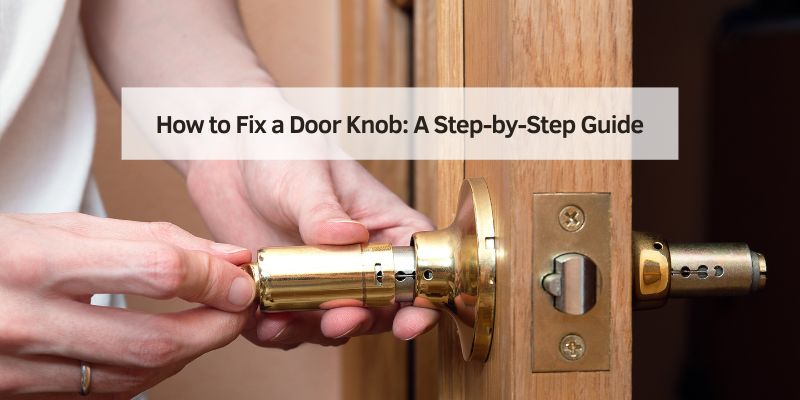
How to Fix a Door Knob: Loose, Sticky, or Won’t Turn
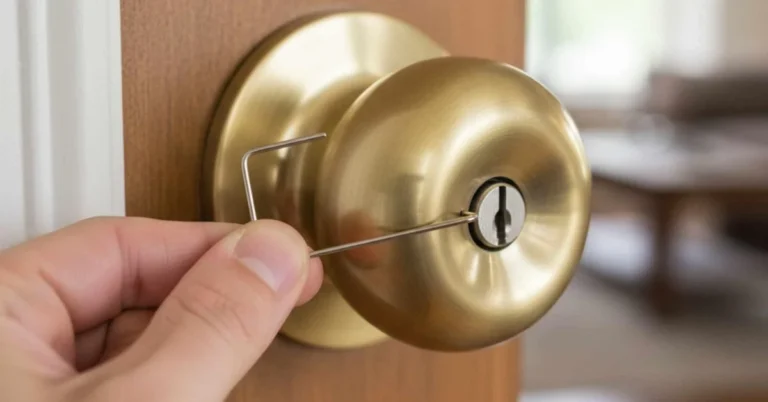
Most door knob problems are one of four things: loose screws, a sticky latch, a knob that won’t turn, or a key that won’t turn — each with a different fix, and none of them require replacing the knob. Force the wrong fix and you can strip the screws or bend the latch, turning a 5-minute repair into a full replacement. This guide covers all four, plus the specific fix for a latch that won’t catch.
Why Do Door Knobs Break?
When my door knob started acting up, I wondered what went wrong. Turns out, door knobs take a beating! They get turned, pushed, and pulled daily. Over time, parts wear out. A loose knob might wobble because screws come loose. A sticky one could mean the latch—the part that catches the door frame—gets jammed. In a garage, dust and grime often sneak in.
Other culprits? Worn-out springs inside make the knob sluggish. If someone yanks too hard, maybe rushing to grab a car part, internal pieces bend. Old knobs, like vintage car parts, just age. Even a key that won’t turn might signal a lock issue. Figuring this out helped me know where to start. It’s like diagnosing a car—find the problem, then fix it!
What Tools Will You Need?
Before fixing a door knob, gather tools. It’s like prepping for a car repair—you need the right stuff! Here’s what I used:
- Screwdriver: A Phillips or flathead, depending on your screws. Most knobs use Phillips.
- Allen Wrench: Some knobs have tiny set screws—check yours!
- Pliers: Handy for gripping small parts. I love needle-nose ones.
- Lubricant: WD-40 or graphite spray to loosen sticky bits.
- Cloth: For cleaning grime. Keep an old rag in the toolbox.
- Replacement Parts: Maybe a new knob or screws, just in case.
I got these from my garage stash—same tools I use for car fixes! A quick tip: keep the door open while you work. I almost locked myself out once—lesson learned! You’re ready to roll now.
How to Identify the Problem
Okay, let’s play detective! Start by checking the door knob. Is it loose? Mine wobbled like a bad wheel bearing. Try turning it—if it spins without catching, screws or the latch might be loose. If it sticks, the latch or internal spring could be jammed. I jiggled mine and felt resistance—sticky.
Does the key turn? If not, the lock cylinder might be the issue. Look at the door, too. If it’s misaligned—maybe from settling— the latch won’t catch the strike plate, that metal piece on the frame. A sagging garage door can mess with the knob. Watch and listen—clicks or grinding can clue you in. Once the issue is known, one is set to fix it!
How to Fix a Loose Door Knob
A loose knob was my first challenge. It’s super common! Here’s how I tackled it:
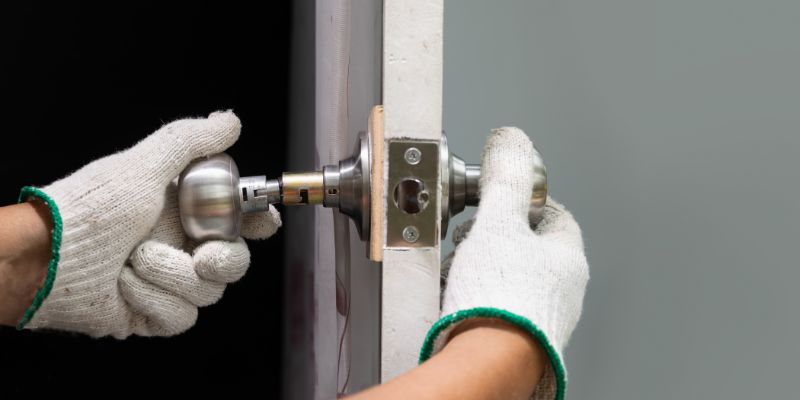
First, I looked for screws. Most knobs have two on the inside faceplate—the plate around the knob. I grabbed my Phillips screwdriver and tightened them. Turn clockwise, but don’t overdo it—stripping screws is a pain, like over-torquing a bolt.
Some knobs hide screws under a cover. I popped mine off gently with a flathead screwdriver. Underneath, two screws hold the knob together. Tighten those, and the wobble stops! Check for a tiny set screw, too—mine was on the knob’s neck. An Allen wrench snugged it up.
Test it—turn the knob, and it should feel solid. Took me five minutes! If screws are stripped or missing, I’d grab new ones from the hardware store. It’s like tightening a car’s loose part—simple and satisfying.
How to Fix a Sticky Door Knob
A sticky knob drove me up the wall! Mine wouldn’t turn smoothly. Here’s how I fixed it:
Start by removing the knob. I unscrewed the faceplate—two screws on the inside—and pulled the knob off. It came apart into two pieces, like splitting a car part. The latch—the metal bit that moves in and out—was stuck. Look for dust and grime, probably from the garage.
I grabbed my WD-40 and sprayed the latch lightly. Don’t soak it—too much gunk attracts more dirt. I moved the latch with pliers, back and forth, to work it loose. Then, wipe it clean with a rag. Felt like cleaning a carburetor!
I put the knob back, screwed it in, and turned it. Smooth as butter! If it’s still sticky, the spring inside might be worn. I’d replace the whole knob then—easy to find at any USA hardware store.
How to Fix a Door Knob That Won’t Turn
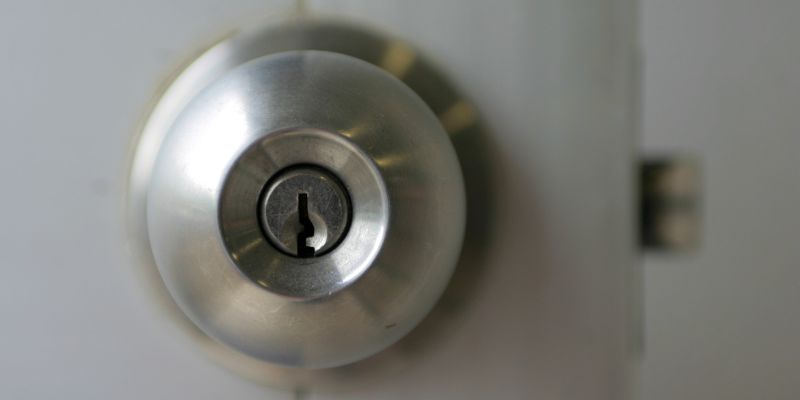
Sometimes, the knob won’t budge at all. This issue is often frustrating! Here’s my fix:
I took the knob off again—unscrewed the faceplate and pulled it apart. Check the latch. It may be jammed, not moving when the knob is turned. Spray lubricant into the latch and the spindle—the rod connecting the knobs. I wiggled it with pliers to free it up.
Next, I looked at the door alignment. My frame had shifted a bit—houses settle! The latch wasn’t hitting the strike plate right. I loosened the strike plate screws, shifted it slightly, and tightened them. Took some trial and error, like adjusting a car’s timing.
I put the knob back and tested it. It turned! If the latch or spindle is bent, you might need a new knob. I got lucky—mine worked after a little TLC.
How to Fix a Door Knob Latch That Won’t Catch
If the knob turns fine but the door won’t stay shut, the problem is the latch, not the knob. Close the door slowly and watch where the latch meets the strike plate — if it’s rubbing or missing the opening, that’s your answer.
- Misaligned strike plate: loosen the strike plate screws and shift the plate up, down, or sideways so the latch lines up cleanly, then retighten.
- Dirty or gummed-up latch: spray compressed air into the latch opening and wipe away visible dirt or old lubricant buildup.
- Latch needs lubrication: use a graphite-based or silicone lock lubricant, not oil or grease — oil attracts dust and gums the mechanism up worse over time.
- Bent spindle: check the metal rod connecting the two knob halves through the latch — if it’s bent, no amount of cleaning fixes it.
If the latch still sticks after cleaning, tightening, and lubricating, forcing the door can damage the strike plate or crack the door frame — that’s the point to replace the latch mechanism itself rather than keep fighting it.
📊 Doors and latches shift with temperature and humidity changes, not just wear — a latch that stuck suddenly in winter often frees up fine once seasonal swelling settles. — Source: Elmer’s Lock & Safe, 2026
Best Sticky Latch Fix Pick
 |
Dry Powdered Graphite Lock Lubricant The lubricant this guide recommends — graphite, not oil, so it won’t gum up with dust over time.
|
Compare more latch-fix options
 Option 1 AGS Lock-Ease Graphite Fluid
|
 Option 2 Adjustable Deadlatch Replacement
|
 Option 3 Houdini Lock Lube Spray
|
As an Amazon Associate we earn from qualifying purchases.
How to Fix a Key That Won’t Turn
If your key won’t turn, it’s a lock issue. I faced this on my front door. Here’s what I did:
First, try the key. It stuck halfway. Spray graphite lubricant—better for locks than WD-40—into the keyhole. I wiggled the key gently, not forcing it. It started to move!
I took the knob off to check the cylinder—the part the key fits into. I unscrewed the faceplate and pulled the knob free. The cylinder looked okay, no big damage. Spray more graphite, turn the key a few times, and clean it with a rag.
Once reassembled, test it—the key turns, lock clicks! If the cylinder’s busted—maybe worn or broken inside—I’d buy a new knob or lockset. Hardware stores have tons of options. Felt good to unlock it smoothly!
When to Replace the Door Knob
Sometimes a fix won’t cut it. If the screws are stripped, the latch mechanism is bent, or the lock cylinder itself has failed, repair stops being worth the time — replacement is the answer. A worn spring or badly rusted internals inside an old knob are the clearest signs.
For the full walkthrough — removing the old knob, matching the backset, and installing the new one — see our dedicated guide on how to replace a door knob.
Tips for a Smooth Fix
I’ve picked up tricks to make this easy. Here’s what I’d tell you:
- Work Carefully: Don’t force screws or parts. I stripped one once—big hassle!
- Clean It: Wipe grime off the latch and knob. Keeps it smooth, like a clean engine.
- Test Often: Turn the knob after each step. I caught a loose screw that way.
- Match Parts: If replacing, bring the old knob to the store. Ensures a fit.
- Be Patient: It’s quick—10 to 20 minutes—but don’t rush. I got better with practice.
It’s like a car repair—take your time, and you’ll nail it!
How to Maintain Your Door Knob
After fixing mine, I wanted it to last. Maintenance is key! Tighten screws every few months—takes two minutes. Spray lubricant into the latch and keyhole once a year, wiping off excess. Keeps it smooth.
Check alignment, too. If the door sags, the knob struggles. I adjusted my strike plate once and saved a headache. Clean dust, especially in a garage with car work. A solid knob lasts years, like a well-oiled engine.
Here’s a quick guide I use:
| Task | How Often | What to Do | Why It Helps |
|---|---|---|---|
| Tighten Screws | Every 3–6 months | Use a screwdriver, turn clockwise | Stops wobble and loose knobs |
| Lubricate | Once a year | Spray WD-40 or graphite, wipe clean | Keeps latch and lock moving |
| Check Alignment | Every 6 months | Keeps the latch and lock moving | Ensures knob catches right |
| Clean Grime | As needed | Wipe with a rag | Prevents sticking from dust |
Safety and Security Tips
I started thinking about safety, too. A good door knob keeps your home secure. After fixing mine, I made sure the lock worked. Do not share keys with just anyone; be as selective with them as you would be lending a car.
If you’re in the garage a lot, a strong knob protects tools and your ride. I lock my door when I’m out cruising. If the knob’s too broken, replace it—don’t risk a break-in. Felt great knowing my place was tight!
Wrapping It Up: Take Charge of Your Door Knob
Wow, we’ve fixed a lot together, haven’t we? I’ve loved walking you through how to fix a door knob! From loose screws to sticky latches, I’ve tackled it all, and now you can too. It’s simple—grab a screwdriver, check the problem, tighten, lubricate, or replace. The garage door knob will work smoothly once installed, ensuring reliable performance.
For us car lovers in the USA, a solid knob keeps our homes and shops safe—perfect for protecting your ride or tools. You’ve got the power to make it right, just like tuning your engine. Grab your tools, get hands-on, and feel that win. I’m rooting for you—fix that knob, stay secure, and keep rolling in the automotive life!
Frequently Asked Questions
Why is my door knob loose?
It’s usually loose screws or a worn part. Tighten the faceplate or set screw with a screwdriver or Allen wrench.
How do I fix a sticky door knob?
Take it apart, spray the latch with WD-40, wiggle it loose, clean it, and put it back. Works great!
What if my door knob won’t turn?
Check the latch—lubricate it. Look at the strike plate, too—adjust if the door’s misaligned.
Why won’t my key turn in the door knob?
The lock cylinder might be stuck. Spray graphite lubricant, wiggle the key, and test it.
When should I replace my door knob?
If screws are stripped, the latch is bent, or the lock’s shot, get a new one. Easy swap!
What tools do I need to fix a door knob?
A screwdriver, an Allen wrench, pliers, lubricant, and a rag. Maybe a new knob if it’s bad.
How do I keep my door knob working?
Tighten screws every few months, lubricate yearly, and clean grime. Keeps it smooth and strong!
Sponsored / affiliate links. As an Amazon Associate I earn from qualifying purchases. I may earn additional commission from eligible campaigns.