How to Fix a Door Handle (Loose, Stuck, or Broken)
A loose, stuck, or broken door handle almost always comes down to the screws, a hidden set screw, or the latch — not a full replacement. Ignoring it can let a door swing open on its own or fail to latch, which weakens home security. This guide covers identifying your handle type, tightening or replacing screws, freeing a stuck mechanism, and fixing a latch that will not catch.
Insert your Affiliate Disclosure reusable block here.
Tools and Materials
Most door handle repairs need only a few common tools. Here is what to gather before you start:
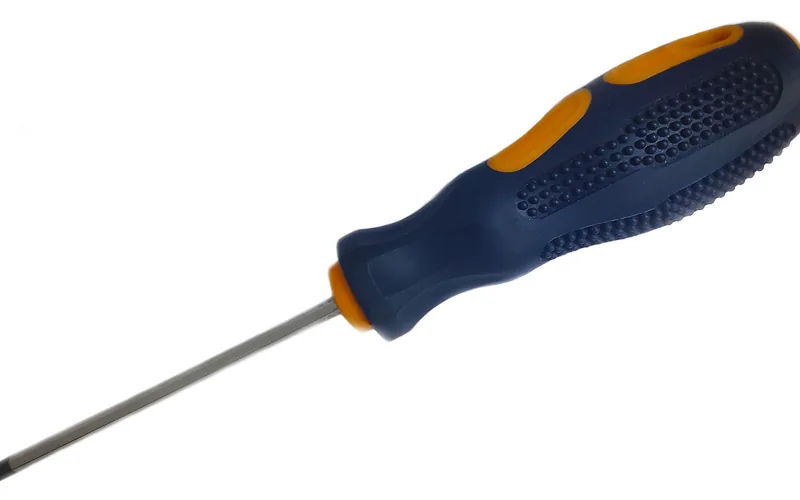
- Phillips or flathead screwdriver — removes and tightens the visible mounting screws
- 2mm or 3mm hex (Allen) key — loosens the hidden set screw on most lever handles
- Silicone or graphite spray lubricant — frees a stiff or sticking latch without attracting dust the way oil does
- Replacement screws or a new handle set — if the originals are stripped, bent, or missing
- Clean cloth and safety glasses — for cleanup and eye protection when drilling or prying
Identify Your Door Handle Type and the Problem
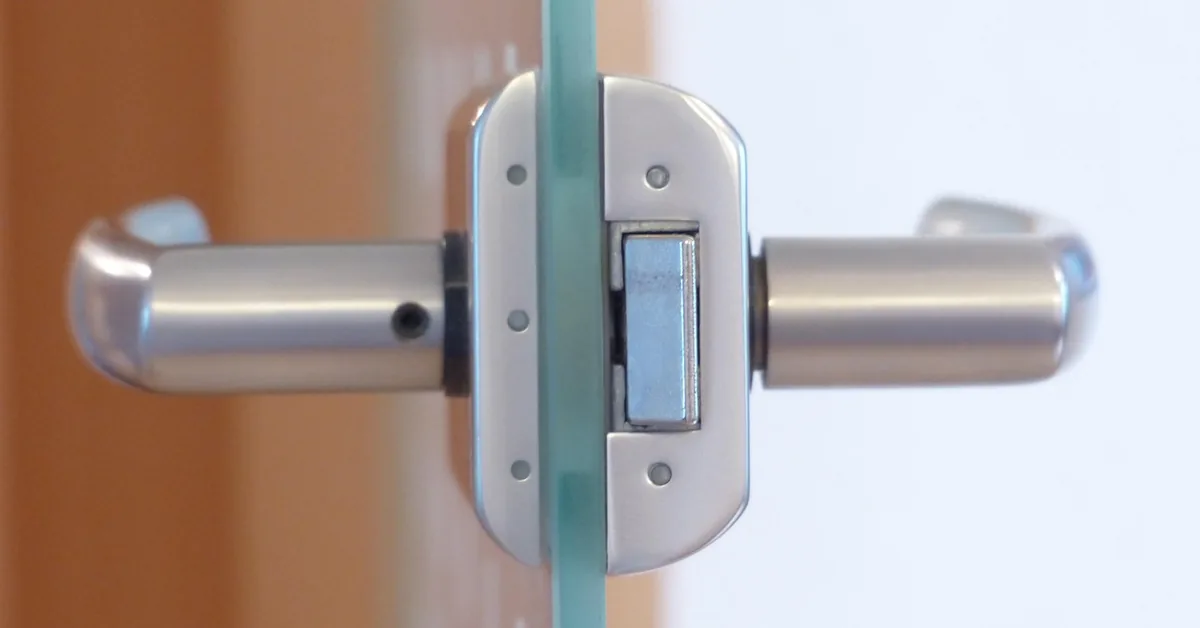
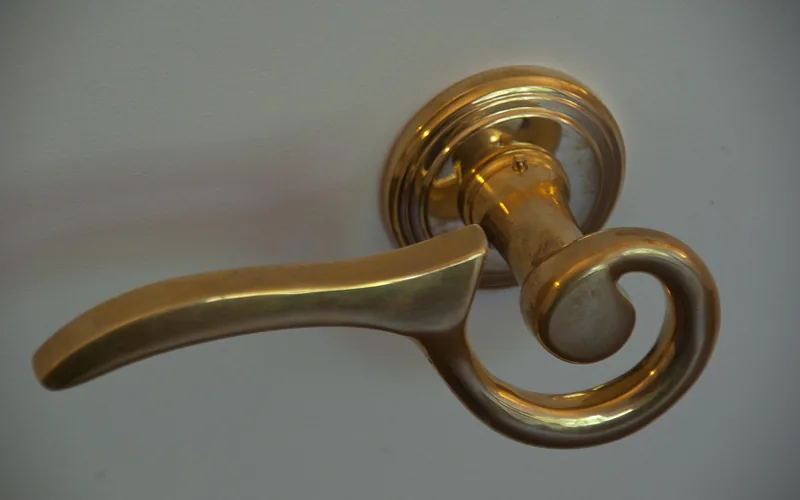
Before you tighten anything, look at what kind of handle you have — the fix differs slightly by type. A lever handle pivots down and usually hides a small set screw on the underside of the lever itself. A knob twists and is held on by two visible screws on the interior rose. A mortise handle is mounted on a rectangular plate recessed into the door and is held by screws through the plate into a lock body inside the door.
Once you know the type, narrow down the symptom: a handle that wiggles or droops is loose, one that will not turn is stuck, one that spins without moving the latch is broken internally, and a door that will not stay shut has a latch problem. Each symptom is covered in its own section below.
📊 Most interior lever handles use a 64mm or 76mm backset, and door knobs typically use an 82mm backset — measuring this before buying a replacement avoids returning the wrong part. Source: Screwfix Door Fitting Guide, 2026
Best Replacement Door Handle Pick
Kwikset Tustin Interior Passage Door Handle Lever – $26.82
If tightening the screws and set screw described above does not fix a worn-out mechanism, this reversible lever installs in minutes with just a screwdriver — no drilling required on standard bore holes.
- Best for: Replacing a worn passage or closet lever handle
- Why we picked it: Reversible for left or right doors, matches the 64mm/76mm backset noted above
- Main drawback: Non-locking — not for exterior or bedroom/bathroom doors
Compare more door handle repair options
 Option 1 Berlin Modisch Passage Lever Handle – $24.99
|
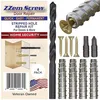 Option 2 Stripped Screw Hole Repair Kit (4-Pack) – $23.99
|
 Option 3 68-Pc Set Screw Assortment Kit – $5.49
|
As an Amazon Associate we earn from qualifying purchases.
Fixing a Loose Door Handle
Loose handles are almost always caused by backed-out screws. Turn the visible mounting screws clockwise with a screwdriver until they are snug — stop as soon as you feel resistance, since over-tightening strips the screw hole in the door and makes the problem worse, not better. If the screws already spin freely without tightening, the hole is stripped and needs a repair kit or longer screw rather than more force.
If the handle is still loose after the visible screws are tight, check for a hidden set screw — most lever handles have one on the underside of the lever, near where it meets the rose. Use a 2mm or 3mm hex key to snug it against the flat side of the spindle. Replace missing screws with the same thread size; mismatched screws strip out again quickly.
“Using a screwdriver, tighten the screws on the lever. If the handle has a set screw, locate it on the underside and tighten it with a hex key.”
Resolving a Stuck Handle
A handle that will not turn, or turns with heavy resistance, usually needs lubrication rather than force. Spray a silicone or graphite lubricant into the mechanism where the handle meets the rose, then work the handle up and down several times to spread it. Wipe away excess — too much lubricant attracts dust and grit, which causes the same sticking again within weeks.
If lubrication does not free it, the handle and latch may be misaligned. Loosen the mounting screws slightly, shift the handle a few millimeters, and retighten. Test after each small adjustment rather than making several changes at once, so you can tell which adjustment actually fixed it.
Repairing a Broken Latch
If the handle turns smoothly but the door will not stay shut, the problem is the latch, not the handle. Open the door and inspect the latch bolt on the edge of the door for cracks, rust, or a bent tip. Remove the two screws holding the latch faceplate and slide the latch out to inspect it directly.
A latch that is dirty or lightly rusted often just needs cleaning and a drop of lubricant on the bolt. A cracked or bent latch should be replaced — take the old one to a hardware store to match the faceplate size and backset before buying a new one, then screw the replacement in and confirm the bolt clicks into the strike plate on the frame.
Reassembling the Handle
Make sure all pieces are clean and dry before reassembly. Align the handle with the spindle and door holes, hold it steady, and insert the mounting screws by hand first to avoid cross-threading, then tighten with a screwdriver until snug.
Snap or screw the rose cover back into place over the mounting screws. Turn the handle through its full range before testing the latch and, if it is a locking handle, the lock as well. A properly reassembled handle should turn smoothly with no grinding or binding.
Quick Fix Steps for a General Door Handle Problem
- Identify the handle type: Confirm whether it is a lever, knob, or mortise handle before choosing a fix.
- Tighten the visible screws: Turn clockwise with a screwdriver until snug, without over-tightening.
- Check the hidden set screw: Use a hex key on the underside of lever handles if the handle still wobbles.
- Lubricate if it sticks: Apply silicone or graphite spray and work the handle back and forth.
- Test the latch and lock: Close the door fully and confirm it catches and locks without forcing it.
Preventive Maintenance Tips
Keep the handle clean and free of dust, which makes mechanisms harder to turn over time. Check the mounting screws every few months and snug any that have worked loose. Oil or lubricate the mechanism about twice a year, avoid slamming the door, and address a loose handle as soon as you notice it — a handle left loose for months is far more likely to strip its screw holes than one caught early.
Common Mistakes to Avoid
- Over-tightening the screws — this strips the wood or cracks plastic components instead of fixing the wobble.
- Ignoring the hidden set screw — tightening only the visible screws leaves a lever handle loose on the spindle.
- Buying a replacement without measuring the backset — a 64mm handle will not fit an 82mm bore hole.
- Using force on a stuck handle before lubricating it — this can snap an already-worn internal spring.
- Mixing mismatched screw sizes — a screw that is too short or thin will not hold and strips out again within weeks.
Frequently Asked Questions
How do you fix a loose lever door handle?
Tighten the visible mounting screws on the door handle using a screwdriver. If it is still loose, remove the handle to access the hidden set screw on the underside of the lever and tighten it with a 2mm or 3mm hex key. Reattach the handle and test that it turns without wobbling before closing everything up.
How do you fix a door handle that keeps coming off?
Tighten the loose screws on the door handle with a screwdriver, and replace any that are stripped rather than reusing them. Check that the handle mechanism sits flush and aligned, and consider a thread-locking adhesive on the screws if they keep backing out on their own.
How do you fix a jammed door handle?
Check the mounting screws for tightness and alignment first, since a misaligned handle often feels jammed. Lubricate the moving parts with a graphite or silicone spray rather than oil, work the handle back and forth to spread it, and replace any visibly worn or bent internal components if lubrication does not free it.
How do you fix a door that will not latch properly?
Tighten the door hinges first, since a sagging door often misses the strike plate. Loosen the strike plate screws and reposition it slightly to line up with the latch, then retighten. If the door edge itself binds against the frame, lightly sand the high spot. Replace the latch or strike plate if either is cracked or badly worn.
Why does a door handle feel loose even when the screws are tight?
This almost always means the hidden set screw is loose, not the visible mounting screws. Most lever handles clamp onto a square spindle with a small set screw underneath the lever — if that screw backs out, the handle will rock or spin slightly on the spindle even though the faceplate screws feel snug. Tighten it with a hex key.
Can you fix a door handle without removing it?
Yes, for most loose or stuck handles. Tightening the visible screws and the hidden set screw can both be done with the handle still mounted. Full removal is only necessary when the latch itself is broken, the spindle is bent, or you are replacing the entire handle set rather than repairing the one you have.
Conclusion
Most door handle problems come down to a screwdriver and a few minutes, not a locksmith call. Identify whether your handle is loose, stuck, or hiding a latch problem, work through the matching section above, and test the fix before moving on. If you are dealing specifically with a front entry door’s security hardware, see our guide to fixing a front door handle for lock-specific steps. For more general door hardware guides, visit our Door Hardware & Locks hub.
Sponsored / affiliate links. As an Amazon Associate I earn from qualifying purchases. I may earn additional commission from eligible campaigns.