Is a Door Locked Horizontal or Vertical? (Kwikset vs. Schlage)
A door lock’s locked position isn’t standardized — most deadbolts sit horizontal when locked, but Kwikset’s SmartKey line is officially vertical when locked, so the same lever position can mean opposite things on two different doors. Trusting the wrong assumption can leave a door unlocked overnight. This guide covers what each lock type’s orientation typically means, how to test yours in seconds, and how to change it permanently.
What Does “Is a Door Locked Horizontal or Vertical” Mean?
The question is about the position of a door lock’s thumb latch or key slot. When you turn the latch or key, it moves either horizontal (sideways) or vertical (up and down) — part of the broader door lock mechanism covered in our guide to how these locks work internally. There’s no universal rule for which position means locked — it depends on the lock’s brand, design, and how it was installed. Knowing your specific lock’s pattern helps you lock your door with confidence and avoid “did I lock it?” moments. For a full overview of door hardware options, see our door hardware and locks hub.
Why Does Lock Orientation Matter?
Lock orientation matters because it tells you if your door is secure at a glance. A clear, known signal — horizontal or vertical — is especially useful for kids, seniors, or anyone who wants peace of mind without testing the door every time. Understanding your lock’s orientation can also save you from forcing it the wrong way and breaking the thumb latch or tailpiece.
Common Lock Types and Their Orientation
Let’s break down the main types of door locks found in homes. Each works a bit differently, and their locked-position orientation varies by brand.
Deadbolts
Deadbolts are the sturdy locks above your door knob. They typically have a thumb latch inside and a key slot outside. Most deadbolts are horizontal when locked, like a bar blocking the door — but Kwikset’s SmartKey deadbolts are the notable exception, using vertical for locked.
Door Knob Locks
These are the twisty buttons or push-buttons built into a door knob, common on bathrooms and bedrooms. Most are horizontal when locked, but some models are the opposite — always test a knob lock once by hand before relying on the position alone.
Lever Handle Locks
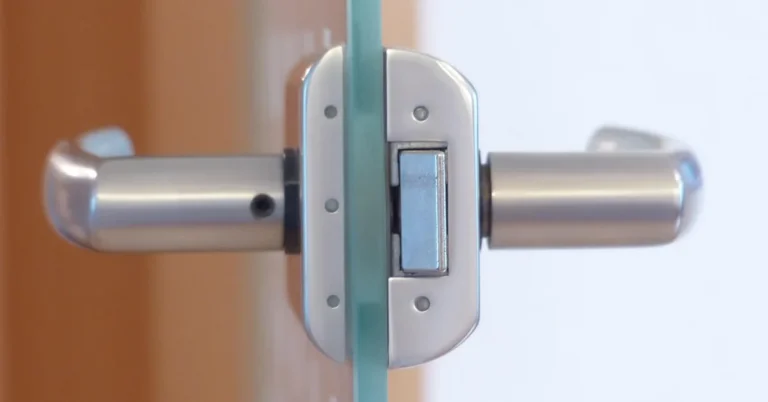
Lever handles are long and flat, often found in offices or newer homes. Their key slot or latch can be horizontal or vertical when locked depending on the brand — Schlage levers are commonly horizontal when locked, but it varies by model and how the lock was installed.
Table 1: Common Lock Types and Their Orientation
| Lock Type | Common Locked Position | Common Unlocked Position |
|---|---|---|
| Deadbolt (most brands) | Horizontal | Vertical |
| Deadbolt (Kwikset SmartKey) | Vertical | Horizontal |
| Door Knob Lock | Horizontal | Vertical |
| Lever Handle Lock | Varies by brand | Varies by brand |
Caption: This table shows typical lock orientations, but always check your specific lock’s manual to confirm.
📊 There is no ANSI/BHMA industry standard dictating which way a deadbolt sits when locked. BHMA (the ANSI-accredited certifying body for door hardware) grades lock strength, durability, and security — not thumb-turn orientation. Kwikset’s own support documentation confirms its SmartKey deadbolts are vertical when locked, the reverse of the horizontal-when-locked convention most other residential brands use. — Source: Kwikset Support
How to Check If Your Door Is Locked
Not sure if your door is locked? Use this four-step check instead of guessing from the latch position alone — and if you’re locked out entirely, see our guide on opening a door lock with a bobby pin.
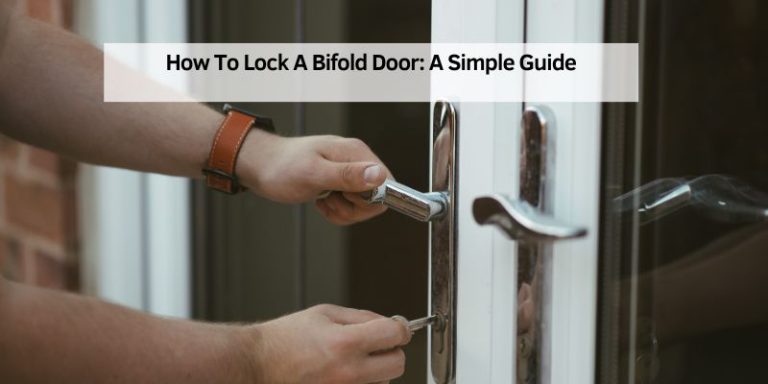
- Look at the Thumb Latch or Key Slot: Note whether it’s horizontal or vertical right now.
- Try Opening the Door: Gently pull or push. If it doesn’t budge, it’s locked.
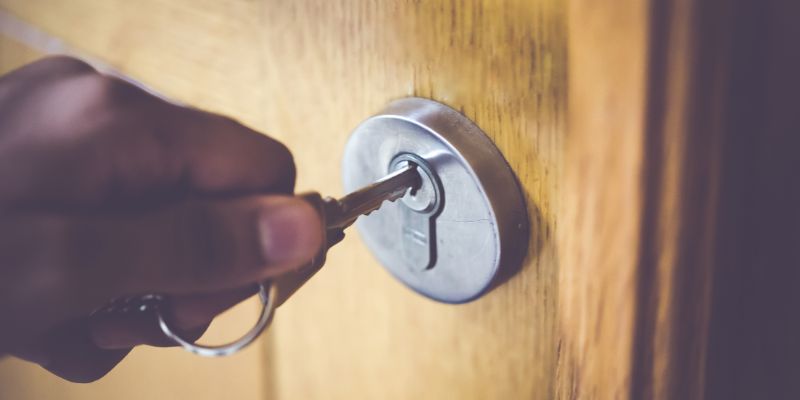
- Test with a Key: Insert your key and turn it. Whichever direction moves the latch to the opposite position is the direction that unlocks it.
- Check the Manual: Your lock’s instructions state which position is locked. No manual? Look up the brand and model online.
Pro Tip: Mark your lock with a tiny dot of nail polish (red for locked, green for unlocked) so the position is unmistakable at a glance.
Why Locks Differ: A Peek Inside
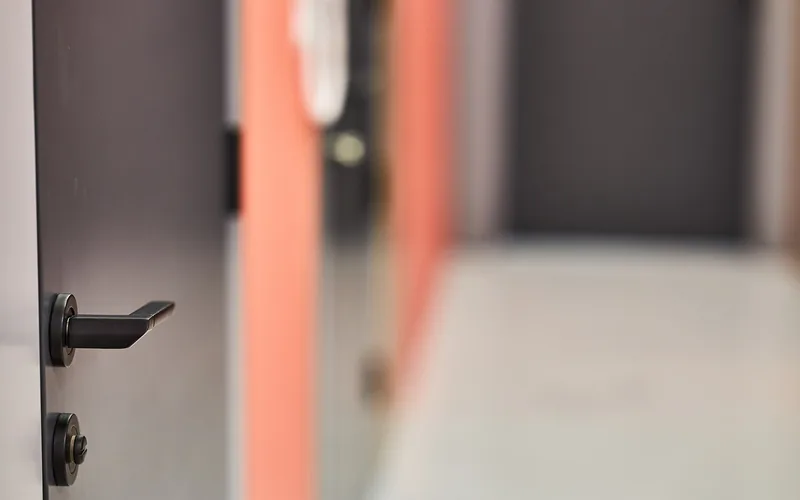
Locks aren’t all the same because of how they’re manufactured. A deadbolt has a metal bar (called a tailpiece — one of several named door lock parts) that slides into the door frame. When you turn the key or latch, the tailpiece moves, and manufacturers choose whether that motion ends horizontal or vertical when locked — it’s a design decision, not a safety requirement. Schlage generally sticks to horizontal for locked, while Kwikset’s SmartKey line uses vertical.
“My first house had a front door deadbolt that was vertical when locked and a back door that was horizontal — I genuinely thought one of them was broken until I checked with a locksmith. The front door was a Kwikset, and vertical-when-locked is normal for that lock. Once I knew the pattern, I never had to second-guess it again.”
Tips to Make Locks Less Confusing
A few simple habits remove the guesswork for good.
- Read the Manual: Check your lock’s instructions for its locked position, or visit the brand’s site directly — Schlage and Kwikset both publish model-specific documentation.
- Label Your Locks: Stick a small “L” (locked) label near the latch — especially helpful for kids or guests unfamiliar with the house.
- Practice Once: Turn the lock a few times to learn the feel. Horizontal usually feels like the bolt is “blocking” the door frame.
- Ask a Pro: If you’re installing a new lock and want it to match your other doors, a locksmith can set the orientation during installation — or see our picks for the best door lock for a front door if you’re replacing one anyway.
Best Pick For Ending Lock Confusion
Kwikset SmartCode 260 Keypad Deadbolt – $131.55
Skips the horizontal-or-vertical guessing game entirely — a keypad lock shows a locked/unlocked state instead of relying on thumb-latch position, and BHMA Grade 2 certification means it’s rated up to 2.5x stronger than a Grade 3 lock set, as covered in the orientation data callout above.
- Best for: Anyone replacing a confusing deadbolt with one that removes the orientation question
- Why we picked it: Keypad + auto-lock removes reliance on remembering which position means locked
- Main drawback: Needs 4 AA batteries and roughly a year of upkeep vs. a purely mechanical deadbolt
Compare more deadbolt options
 Option 1 Kwikset 660 Deadbolt – $18.97
|
 Option 2 Kwikset Halo Wi-Fi Smart Lock – $106.60
|
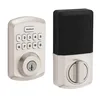 Option 3 Kwikset Powerbolt 250 – $74.00
|
As an Amazon Associate we earn from qualifying purchases.
Can You Change a Lock’s Orientation?
Good news: many locks let you change their orientation. If your deadbolt is vertical when locked but you want horizontal (or the reverse), you can often adjust it yourself. Here’s the general process for a typical Kwikset-style deadbolt:
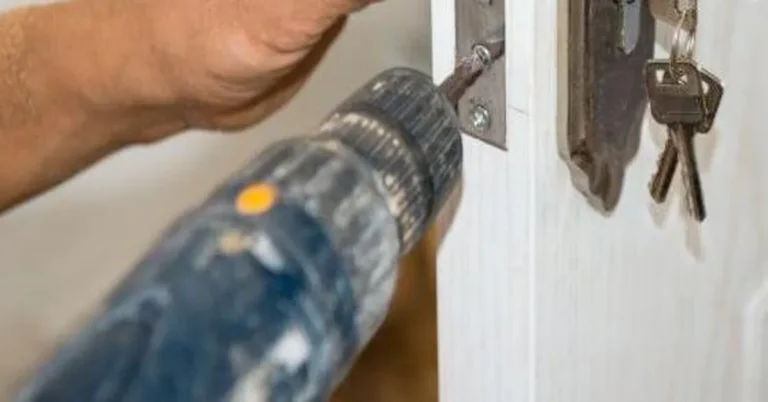
- Remove the Lock: Unscrew the interior thumb-latch plate from the door (usually two screws).
- Rotate the Latch: Take out the thumb latch and turn it 90 degrees. Check the manual for model-specific steps.
- Reinstall and Test: Put it back together, then turn it a few times to confirm the new locked position.
Safety Tip: If you’re not sure, call a locksmith rather than force the tailpiece — a damaged deadbolt can fail to fully extend, which is a real security risk.
Table 2: Typical Costs for Adjusting a Lock
| Tool / Service | Use | Typical Cost |
|---|---|---|
| Screwdriver | Remove lock screws | $5–$10 |
| Lock Manual | Check brand-specific steps | Free (online) |
| Locksmith Visit | Professional orientation adjustment | $50–$100 |
Caption: These are typical DIY and professional cost ranges — get a local quote before booking a locksmith.
Benefits and Drawbacks of Lock Orientation
Knowing your lock’s orientation has real upsides — and a few limitations worth knowing.
Benefits
- Quick Checks: A clear horizontal or vertical position tells you the lock’s status at a glance, once you know your lock’s pattern.
- Safety: You’ll know your home is secure without guessing or testing the door every time.
- Customizable: Many deadbolts can be adjusted to match your preference across every door in the house.
Drawbacks
- Confusion: No industry standard means every lock is a fresh guess until you learn it.
- Installation Errors: Installing a lock upside down or backward can flip the intended orientation.
- Brand Differences: Schlage and Kwikset don’t always agree, which trips up multi-brand households.
Common Mistakes to Avoid
Avoid these common errors when dealing with lock orientation:
- Forcing the Lock: If it’s stuck, don’t yank it — you risk snapping the tailpiece.
- Ignoring the Manual: Always check the brand’s instructions before assuming a locked position.
- Mixing Up Brands: A Schlage lock’s pattern won’t necessarily match a Kwikset on the same house — check each one individually.
Frequently Asked Questions
Is Horizontal Always Locked?
No. Horizontal is the locked position for most deadbolts, but Kwikset’s SmartKey line uses vertical for locked instead. Check your lock’s manual or test it by trying to open the door.
Why Are Some Locks Vertical When Locked?
It’s a manufacturer design choice, not a safety standard. BHMA certifies lock strength and durability but doesn’t dictate thumb-turn orientation, so brands like Kwikset set their SmartKey deadbolts to vertical-when-locked while others default to horizontal.
Can I Change My Lock to Horizontal?
Yes, on most deadbolts. Remove the lock, rotate the thumb latch 90 degrees, and reinstall — check the manual first since exact steps vary by model.
How Do I Know If My Door Is Locked?
Look at the latch position, then test the door. Gently try to open it, or turn a key and watch which direction moves the latch. A small label or nail polish dot marks “locked” for clarity going forward.
Are Lever Locks Different?
They can be. Lever handle locks vary by brand — some are horizontal when locked, others vertical. Always test yours or read the installation instructions rather than assume.
What If My Lock Is Confusing?
Label it. Add a small “L” for locked near the latch, or consider a keypad deadbolt that shows lock status instead of relying on thumb-turn position.
Is There a Standard for Lock Orientation?
No standard exists. Most deadbolts are horizontal when locked, but Kwikset’s SmartKey line and some other models differ. BHMA/ANSI grades lock security and durability, not orientation.
Conclusion
Figuring out if a door is locked horizontal or vertical doesn’t have to be a head-scratcher. Most deadbolts are horizontal when locked, but Kwikset’s SmartKey line is vertical instead — so the position only tells you something once you know your specific lock’s pattern. Check your lock’s manual, test the door once, or label it for clarity. If the guesswork bothers you enough, a keypad or app-connected deadbolt removes the question entirely.
Sponsored / affiliate links. As an Amazon Associate I earn from qualifying purchases. I may earn additional commission from eligible campaigns.