How to Unlock a Door With a Bobby Pin: 2-Pin Tension Method
A bobby pin unlocks pin-tumbler privacy locks — the button- or turn-lock knobs on most bedroom and bathroom doors — by using one pin as a tension wrench and a second as a pick, but it will not open deadbolts or high-security cylinders. Forcing a stuck pin can snap it inside the lock, turning a simple lockout into a locksmith call. This guide covers bending the two pins correctly, the tension-wrench technique step by step, and which locks this actually works on.
Materials Needed
- Two bobby pins — standard metal ones; thin fashion pins bend too easily
- Small screwdriver or flathead — optional, can substitute as a tension wrench on stiffer locks
- Scissors or pliers — to remove the plastic tip from the pin
- Flashlight — helps you see dirt or rust inside the keyhole
- Patience — most first attempts take several tries before a pin sets
Safety Precautions
Only practice this technique on a lock you own or have explicit permission to open, and let someone you trust know what you’re doing. Work slowly and keep the pin tip pointed away from your face — if the lock doesn’t give after a few gentle tries, stop rather than forcing it, since force is what snaps pins and damages the cylinder.
Which Locks This Actually Works On
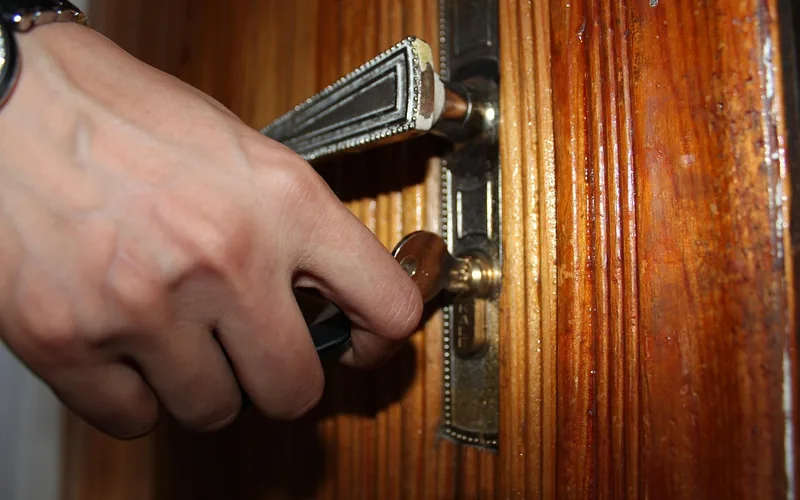
This method works on pin-tumbler privacy locks — the simple button- or turn-lock knobs on interior bedroom and bathroom doors. It does not work on deadbolts, high-security cylinders, or electronic smart locks, which use a longer pin stack, a deeper throw, or an entirely different locking mechanism that a bobby pin can’t manipulate.
📊 The pin-tumbler mechanism bobby-pin picking exploits traces back to Linus Yale Jr.’s 1861 cylinder lock patent — the same basic 5-pin design is still standard on most U.S. interior doorknobs today. Source: ASME, Linus Yale Jr. profile
How to Unlock a Door With a Bobby Pin: Step by Step
Once you have two bobby pins prepared, the tension-wrench method below is the same basic technique locksmiths use with metal picks, just improvised from what’s in a hair drawer.
- Prepare the pick: Remove the plastic tip and straighten one bobby pin completely, then bend a small 1/4-inch hook at the very tip.
- Prepare the tension wrench: Bend a second bobby pin into a tight L-shape, leaving one arm about 3/4 inch long.
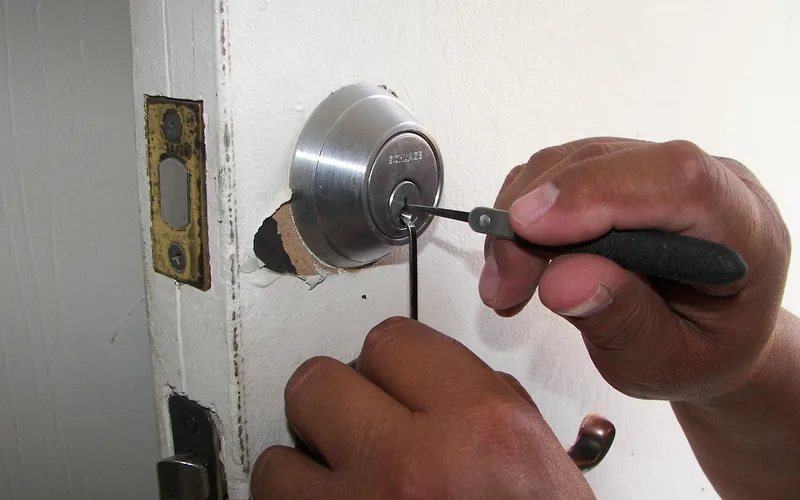
- Insert the tension wrench: Slide the short arm into the bottom of the keyhole and apply light, steady rotational pressure in the direction the key would turn.
- Insert the pick: Slide the hooked pin into the top of the keyhole, above the tension wrench.
- Set the pins: Rake the hook up and down while keeping tension on the wrench, feeling for each internal pin to click into place.
- Turn and open: Once every pin is set, the cylinder rotates the rest of the way with the tension wrench — turn it fully to release the latch.
Best Bobby Pins for This Method

MetaGrip Black Premium Bobby Pins (300-Count) – $12.64
Standard hair-drawer bobby pins work for the technique above, but thin fashion pins bend before they set a pin stack — these heavy-gauge metal pins hold their shape through the tension-wrench bend this guide covers.
- Best for: Everyday lock-picking practice and hair styling — one box lasts years
- Why we picked it: 300 heavy-gauge metal pins means you’ll never run out mid-practice, and the flat sides resist bending
- Main drawback: Comes in one length only — jumbo/oversized locks may need a longer pin
Compare more bobby pin options
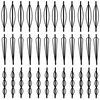 Option 1 36-Pack Black Metal Bobby Pins – $7.90
|
 Option 2 50 Jumbo Bobby Pins (3.34 Inch) – $7.89
|
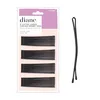 Option 3 Diane XL 3″ Curved Bobby Pins (40-Count) – $3.39
|
As an Amazon Associate we earn from qualifying purchases.
Troubleshooting Tips
Bobby pins are useful for opening simple locks, but a few common mistakes cause most failed attempts. The pin should stay firm and straight — reshape it if it bends rather than continuing to force a bent pin. Check the keyhole for dirt or rust with a flashlight, since debris can block the pins from setting even when your technique is correct.
Common Mistakes
Applying too much force is the most common mistake — it’s what breaks pins and damages locks. A straight, firm pin works better than a bent one, and rushing the process leads to more errors than it saves in time. If the handle itself is damaged rather than just locked, see our guide on opening a door with a broken handle instead.
When to Seek Professional Help
If the lock still won’t open after several careful attempts, or a pin breaks off inside the cylinder, stop and call a locksmith — professionals have purpose-built tools that won’t damage the door. For a broader look at lock-picking technique beyond bobby pins, see our full guide to picking a door lock. If it’s a car door instead of a house door giving you trouble, our locked car door guide covers that separately.
Legal Considerations
Picking a lock you don’t own — even with something as simple as a bobby pin — can count as unlawful entry or criminal trespass depending on your state, so only practice on locks you own or have explicit permission to open. If you’re locked out of a rental or a lock you don’t have clear rights to, call a locksmith or your property manager instead of attempting to pick it.
Frequently Asked Questions
How Do You Unlock a Door With a Bobby Pin?
Bend one bobby pin into an L-shape to use as a tension wrench and straighten a second with a small hook at the tip to use as a pick. Insert the wrench into the bottom of the keyhole and hold light rotational pressure, then rake the hooked pin above it until each internal pin clicks into place and the cylinder turns.
Do Bobby Pins Actually Work to Unlock Doors?
Yes, but only on pin-tumbler privacy locks — the button- or turn-lock knobs common on bedroom and bathroom doors. Success depends on the lock’s condition and your technique; a stiff, rusted, or high-security cylinder may not open with a bobby pin at all.
Does the Bobby Pin Method Work on Deadbolts?
No. Deadbolts use a longer pin stack and a deeper throw than privacy knob locks, and a bobby pin isn’t rigid or long enough to set the pins or turn the bolt. Use a proper tension wrench and pick set, or call a locksmith, for deadbolt lockouts.
How Long Does It Take to Pick a Lock With a Bobby Pin?
First attempts often take 5 to 20 minutes of trial and error while you learn to feel the pins set. With practice, a simple privacy lock can open in under a minute — patience and a light touch matter more than speed when you’re starting out.
Conclusion
A bobby pin won’t replace a real key, but for a simple pin-tumbler privacy lock, two pins, a little patience, and the tension-wrench technique above are usually enough. If a pin bends, snaps, or the lock still won’t turn after several tries, stop and call a locksmith rather than forcing it — a broken pin lodged in the cylinder turns a five-minute fix into a replaced lock.
Sponsored / affiliate links. As an Amazon Associate I earn from qualifying purchases. I may earn additional commission from eligible campaigns.