Where Do You Put the Knob on a Bifold Door? (36-42 In. Height)
The knob on a bifold door goes on the lead panel — the one farthest from the hinge, which you pull first — at 36 to 42 inches from the floor and 1 to 2 inches in from the edge. Placing it anywhere else makes the door awkward to pull and, on multi-panel doors, can cause the knobs to collide when folded. This guide covers exact placement by door configuration, the install steps, and the knob types that actually hold up over time.
What Is a Bifold Door and Why Does Knob Placement Matter?
A bifold door is a folding door made of hinged panels that fold in on themselves and glide along a track, used mainly for closets, pantries, and small rooms where a swinging door would eat up too much floor space. They’re common in homes across the USA in pairs or four-panel sets — see our full explanation of how bifold doors operate for the track and pivot mechanics behind the fold.
Knob placement matters because the knob is your only way to open and close the door — it’s not decorative. Put it in the wrong spot and the door becomes awkward to pull, or the hardware wears out faster from off-axis stress. I learned this the hard way on my first bifold install in a laundry room: I put the knob too close to the edge, and every pull banged my knuckles against the frame.
Standard Knob Placement for Bifold Doors
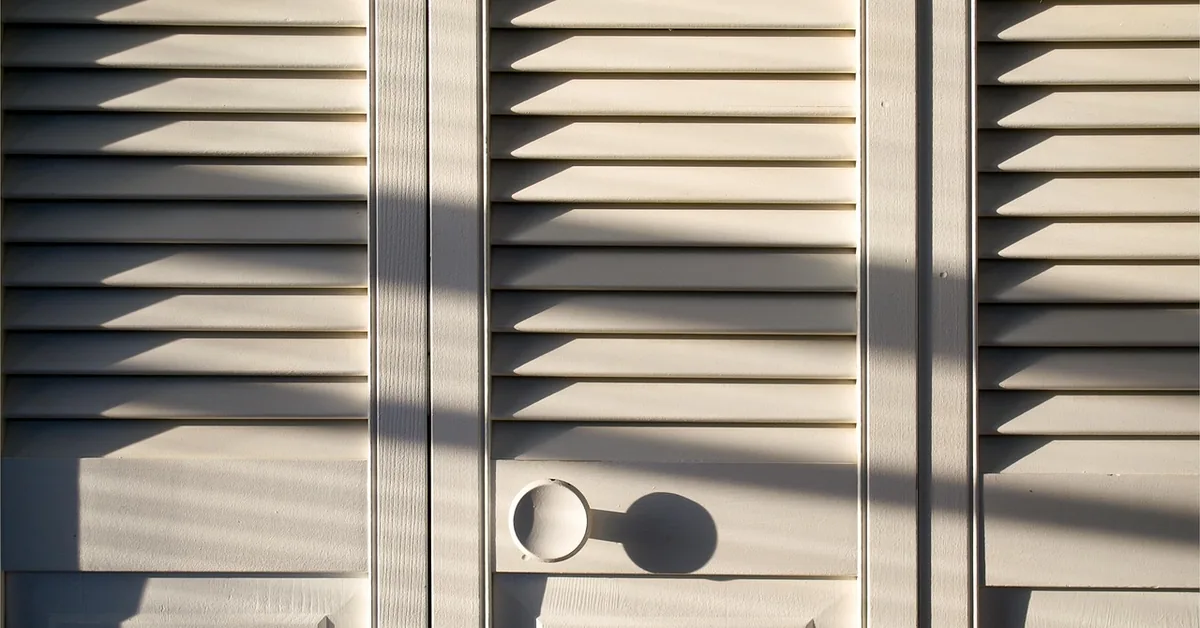
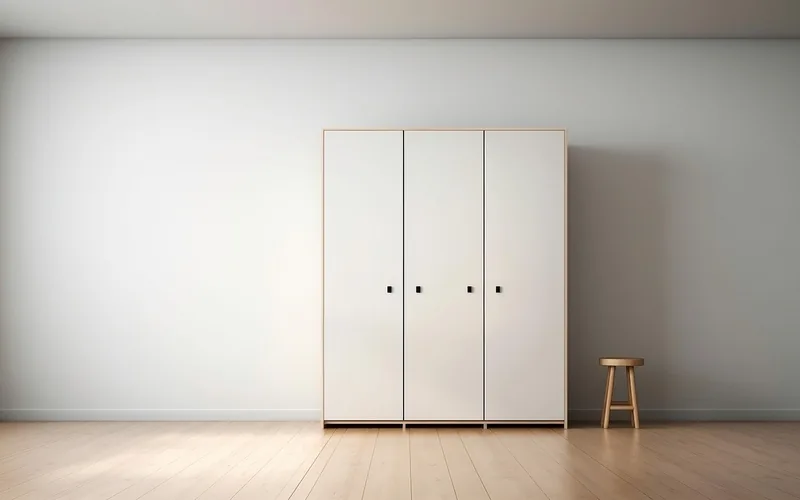
The knob goes on the lead panel — the panel farthest from the hinge or pivot point, the one that moves the most and that you naturally pull first. The knob sits about 36 to 42 inches from the floor, roughly waist height for most adults, and 1 to 2 inches in from the panel’s edge so there’s enough wood for the screw to grip.
📊 36–42 inches falls inside the ADA-recommended 34–48 inch range for operable door hardware, and matches the 38–42 inch range standard for commercial lever hardware — the same accessible-height logic applies to residential bifold knobs. Source: U.S. Access Board, ADA Standards Section 404.2.7.
If you’re installing multiple bifold doors in the same home, keeping the knob height consistent across all of them gives a polished, uniform look — measure once and reuse that same number on every door.
Here’s a quick breakdown of standard knob placement:
| Feature | Details |
|---|---|
| Panel | Lead panel (the one you pull to open the door) |
| Height from Floor | 36–42 inches (within the ADA 34–48 in. accessible range) |
| Distance from Edge | 1–2 inches from the edge of the lead panel for easy gripping |
| Type of Knob | Pull knob, handle, or flush pull (depends on door style and preference) |
Factors to Consider When Choosing Knob Placement
The standard placement is a good starting point, but every door and every home is a little different. Here’s what actually changes the calculation.
Door Size and Configuration
Bifold doors come with two panels or four-plus. On a four-panel bifold door in a guest room, figuring out knob placement is trickier than on a simple two-panel door — you still use the lead panel, but you need to confirm which panel actually pulls the others along. Open the door slowly and watch how the panels move; the lead panel is the one you naturally pull first.
User Accessibility
Who uses the door matters. For kids, elderly household members, or anyone with mobility issues, lower the knob toward the bottom of the ADA range — around 34 inches worked well for a pantry door installed for a family member with arthritis. A larger, easier-to-grip handle is also worth considering over a small knob for accessibility.
Door Material and Style
Material changes your options. I’ve worked with both wooden and metal bifold doors, and they’re not interchangeable when it comes to hardware. Wooden doors give more flexibility since you can drill almost anywhere on the panel. Metal or glass doors often have pre-drilled holes or a specific mounting area — on a glass-panel bifold door, the manufacturer’s marked spot is not optional, since drilling off-spec risks cracking the glass. Always check the door’s manual before drilling.
Aesthetic Appeal
An off-center or too-high knob makes a door look sloppy. On raised-panel doors, place the knob on a flat section rather than over molding, both for a cleaner look and because flat sections take screws more securely.
Step-by-Step Guide to Installing a Knob on a Bifold Door
Once you know where the knob goes, installation itself is straightforward. Here’s the process.
Step 1: Gather Your Tools
You’ll need a drill, a screwdriver, a measuring tape, a pencil, and the knob or handle kit. Most knob kits include screws — double-check before you start to avoid a mid-project hardware store run.
Step 2: Measure and Mark the Spot
Measure 36 to 42 inches from the floor on the lead panel and mark it with a pencil. Double-check the measurement before drilling — patching a bad drill hole is no fun. Keep the knob 1 to 2 inches from the edge of the panel for a solid, comfortable grip.
Step 3: Drill the Hole
Most bifold door knobs need a single hole for the screw or mounting hardware. Check the knob’s instructions for the correct drill bit size — a flush pull knob typically needs a 1-inch spade bit for a clean, recessed hole. Drill slowly and steadily to avoid splintering the wood.
Step 4: Attach the Knob
Attach the knob using the provided screws or hardware. Tighten by hand first to make sure everything lines up, then finish with a screwdriver for a secure fit. If you’re using a flush pull, confirm it sits snugly in the recessed hole with no gap.
Step 5: Test the Door
Open and close the door a few times to make sure it feels right. A knob that’s stiff to pull right after installation usually points to a track alignment issue, not the knob itself — a quick track adjustment is often all it takes to fix it.
Common Mistakes to Avoid
These are the mistakes that come up most often on real bifold door installs.
- Placing the Knob Too Close to the Edge: Under an inch from the edge makes the knob hard to grip and puts your knuckles right against the frame on every pull.
- Ignoring the Door’s Weight: Heavier doors need sturdier hardware. A flimsy knob on a solid wood door starts wobbling within months.
- Not Checking Track Alignment: If the door isn’t sliding smoothly on its track, knob placement won’t fix a pull that feels stiff or catches. Confirm track alignment before installing the knob, not after.
- Skipping the Manual: Some bifold doors specify a knob location, especially glass or metal panels. Ignoring the manual is how a drilled hole ends up in the wrong spot — or cracks a glass panel.
Choosing the Right Knob for Your Bifold Door
The knob or handle type changes both function and look. Here are the main types and what each is best for.
- Pull Knobs: Small, round knobs you pull to open the door. Simple and affordable, and the standard choice for basic closet bifold doors.
- Flush Pulls: Sit flush with the door’s surface for a sleek, modern look — the right choice for tight spaces where a protruding knob would get in the way.
- Handles: Longer handles give more leverage, which helps on heavier doors and makes opening feel effortless – see our guide on handle placement on a bifold door if you’re going with a handle instead of a knob.
- Decorative Knobs: Available in a wide range of finishes — brushed nickel, matte black, ivory — for matching the room’s existing hardware.
When choosing, factor in the door’s material, your home’s style, and how often the door gets used. A busy closet door benefits from a sturdier handle; a rarely used pantry door can get by with a simple pull. If you’re unsure whether a knob you already own will fit, our guide to whether door knobs are universal covers backset and spindle sizing. For more on hardware and hinges generally, see our door hardware & locks hub.
Best Bifold Door Knob Pick
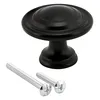
Prime-Line Bi-Fold Door Knob, Matte Black – $9.49
A purpose-built bi-fold door knob, not a repurposed cabinet knob — sized for the 1–2 inch edge clearance and lead-panel mounting this guide covers.
- Best for: A single lead-panel install, matte black hardware finish
- Why we picked it: Purpose-made for bifold doors, wide base for a secure grip
- Main drawback: Single knob only — buy multiples for a multi-door closet
Compare more bifold door knob options
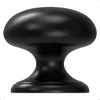 Option 1 trust4care Matte Black 4-Pack – $17.38
|
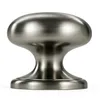 Option 2 trust4care Satin Nickel 4-Pack – $17.48
|
 Option 3 Prime-Line Ivory Pull Knob 2-Pack – $4.30
|
As an Amazon Associate we earn from qualifying purchases.
“I put the knob too close to the edge on my first bifold install, and it made pulling the door awkward — and it didn’t look great either. Sticking to 1 to 2 inches from the edge and the standard 36 to 42 inch height has worked on every door I’ve installed since.”
Tips for Maintaining Your Bifold Door and Knob
Once the knob is installed, a little regular maintenance keeps both the door and hardware working smoothly.
- Lubricate the Track: A silicone-based lubricant every few months keeps the door gliding smoothly.
- Tighten the Knob: Screws loosen over time. Check every six months and give them a quick tighten if needed.
- Clean the Door: Dust and grime build up fastest on glass or metal doors. A damp cloth every so often keeps them looking fresh.
- Check for Wear: A wobbling knob or a door that feels off is often an early sign of a bigger issue — catching a loose track early saves a bigger repair later.
Frequently Asked Questions
Where Should the Knob Go on a Bifold Door?
The knob goes on the lead panel, about 36 to 42 inches from the floor and 1 to 2 inches from the edge. This height falls inside the ADA-recommended 34–48 inch range for door hardware and is comfortable for most adults to reach.
Can I Put the Knob Anywhere on a Bifold Door?
No. Placing it too close to the edge, or too high or low, makes the door hard to pull and can cause knobs to collide when multiple panels fold together. Stick to the lead panel and the standard 36–42 inch height range for best results.
What Type of Knob Is Best for a Bifold Door?
It depends on the door and the space. Pull knobs are simple and affordable, flush pulls work best for tight spaces where a protruding knob would catch, and handles give more leverage on heavier doors.
Do I Need Special Tools to Install a Bifold Door Knob?
No special tools — just a drill, a screwdriver, a measuring tape, and a pencil. Most knob kits include screws, but check the instructions for the recommended drill bit size before you start.
How Do I Make Sure the Knob Stays Secure?
Tighten the screws fully during installation and recheck them every six months. If a knob starts to wobble, tighten it first; if it stays loose, replace it with a sturdier option rather than continuing to re-tighten a stripped screw hole.
Do Bifold Door Knobs Need to Be the Same on Both Sides?
Not necessarily. Many closet bifold doors only need a knob on the room-facing side, since the door doesn’t need to be pulled from inside the closet. Doors used from both sides, like a pantry accessible from a hallway and kitchen, generally get a knob on each face at the same height.
Conclusion
Knob placement on a bifold door might seem like a small detail, but it’s one of those things that changes your daily experience with the door. The right placement — 36 to 42 inches from the floor on the lead panel, 1 to 2 inches from the edge — makes the door easy to use and looks intentional rather than accidental. Factor in accessibility, door material, and your home’s style, and the right spot becomes obvious.
With consistent height across every door in the house and a knob rated for the door’s actual weight, a bifold door and its hardware stay functional and good-looking for years.
Sponsored / affiliate links. As an Amazon Associate I earn from qualifying purchases. I may earn additional commission from eligible campaigns.