When to Replace Door Hardware Instead of Cleaning or Repairing It
When door hardware has grime, sticky springs, loose screws, or a rough key turn, the fastest homeowner-safe move is usually to clean, tighten, or realign it first. Replace it when the body is cracked, the mechanism stays bound after adjustment, or corrosion has reached moving or load-bearing parts. Security hardware with break-in damage should be replaced, not patched.
Use the matrix below to triage the problem. Score each factor from 0 to 2, then total the points. Lower totals point to cleaning, middle totals point to repair, and higher totals point to replacement. If the hardware is on an exterior door, lean conservative when security is involved.
Decision Matrix



| Factor | 0 points | 1 point | 2 points |
|---|---|---|---|
| Corrosion | No visible rust or pitting | Light surface rust on noncritical trim | Visible rust or corrosion on moving or load-bearing parts |
| Looseness | Hardware feels solid | Minor wobble, loose screws, or slight play | Knob, lever, or latch assembly wobbles badly or separates |
| Alignment | Door closes and latches normally | Needs minor hinge or strike plate adjustment | Repeated binding after adjustment, or warped parts |
| Parts availability | Common parts are available | Some parts are available, but not all | Obsolete, mismatched, or hard-to-source parts |
| Security impact | Interior passage hardware or low-risk use | Low to moderate security concern | Exterior security hardware, break-in damage, or failed lock function |
Generally, score 0-2 means clean. The body is sound, the fit is normal, and the issue looks like dirt, dried lubricant, or a simple fastener problem.
Generally, score 3-5 means repair. The hardware has a fixable wear pattern, such as a loose set screw, misaligned strike plate, or sticky latch that improves after adjustment.
Generally, score 6-10 means replace. Corrosion, breakage, missing parts, or weak security outweigh the repair value. Replace instead of spending labor on a failing assembly.
Clean vs repair vs replace
Clean when the hardware is dirty, the lubricant is dried out, or the screws are simply loose. Those problems usually respond to homeowner-safe maintenance and do not justify a new lockset.
Repair when the body is still sound but the fit is off, the fasteners are loose, or the latch needs alignment. If the problem comes back after tightening and adjustment, the wear is moving deeper into the assembly.
Replace when the mechanism is cracked, corroded through, broken by forced entry, or obsolete enough that the needed parts are no longer practical to source. On exterior doors, replacement should happen sooner when security is affected.
- Tighten visible fasteners first.
- Check whether the latch or bolt is rubbing the strike plate.
- Clean debris and dried lubricant from exposed surfaces.
- Test the hardware again after each small adjustment.
- Replace immediately if the part is cracked, warped, or tampered with.
For a sticky lock, the first relevant step is often cleaning and lubrication. If the hardware responds well to that treatment, the core mechanism may still be serviceable.
By hardware type
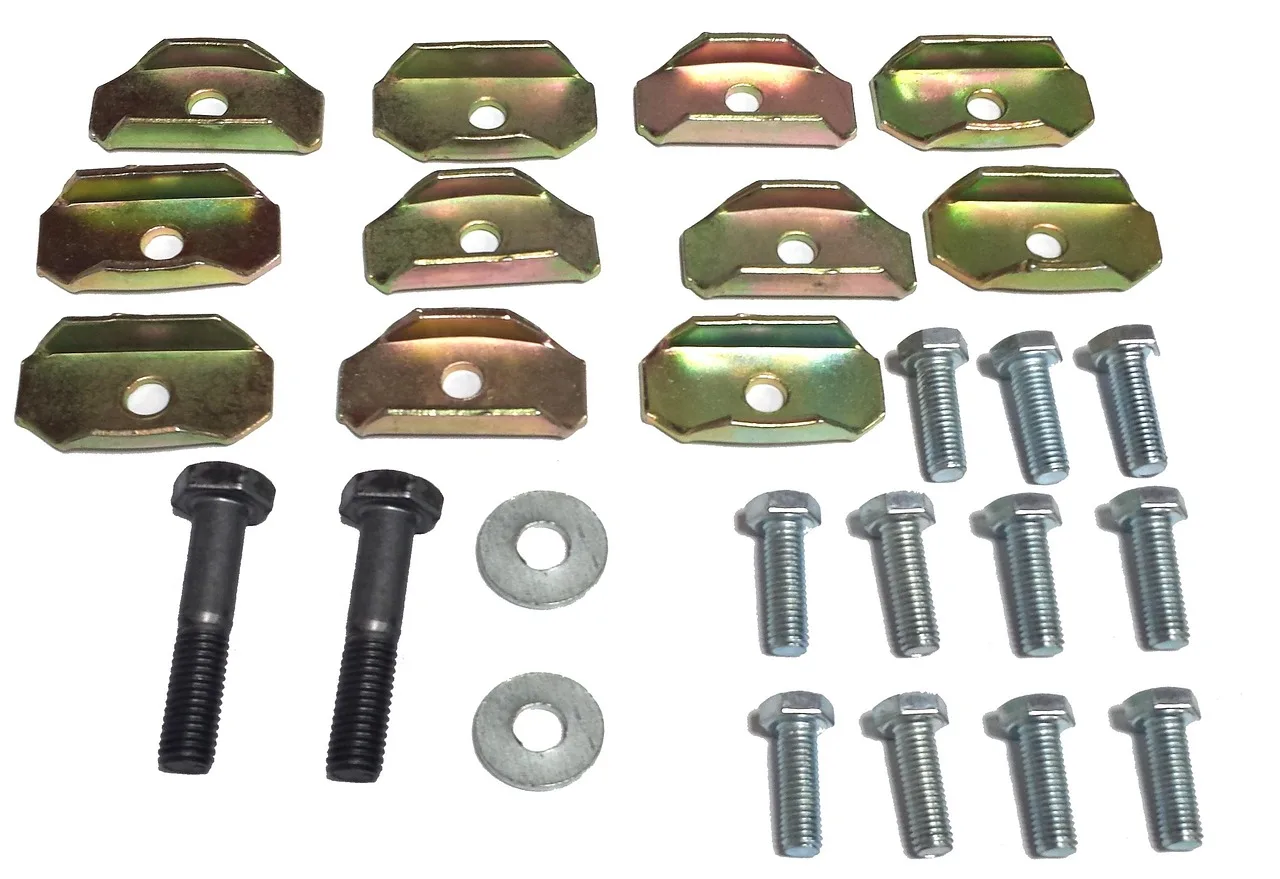
Different parts fail in different ways. A door knob, deadbolt, cylinder, strike plate, and mortise lock each have their own repair limit, so matching the symptom to the part keeps you from replacing more than necessary.
| Hardware type | Common repair path | Replacement trigger |
|---|---|---|
| Door knob | Tighten fasteners, replace worn trim parts, address loose fit | Wobbling body, broken spindle, worn internal mechanism |
| Deadbolt | Adjust strike plate, correct door alignment, clean and lubricate | Cracked parts, persistent binding, security failure on an exterior door |
| Lock cylinder | Replace cylinder only, if the housing is sound | Worn pins, damaged cam, obsolete or unavailable cylinder |
| Strike plate | Shift, shim, or reposition to match latch or bolt travel | Cracked plate, stripped screws, repeated misfit after adjustment |
| Mortise lock | Rebuild trim or internal parts when compatible pieces exist | Missing body parts, severe corrosion, or no usable replacement parts |
Surface dirt and dried lubricant
Dust, grime, and old lubricant can make a latch drag or a key feel rough. A sticky lock can sometimes be fixed by cleaning and lubrication when the hardware is still worth saving. If the door works better after that, the core mechanism was likely not the problem.
Loose fasteners and wobble
A door knob that wobbles often has loose mounting screws or a worn internal mechanism. Tightening screws is the first move. If the knob still shifts in the rose or the handle feels sloppy after tightening, the wear is inside the assembly and repair value drops fast.
When the first relevant symptom is a door knob wobble, check the fasteners and spindle before assuming the whole set has failed. A wobble that remains after tightening is a stronger replacement signal than a loose screw alone.
Internal failure signs that point past repair
Spinning keys, broken cams, stripped tailpieces, cracked latch bodies, and bent springs point to internal failure. A cylinder that spins freely may indicate a broken cam or tailpiece instead of total lock failure. That can sometimes be repaired, but only if the rest of the lock is still sound.
Door knob
A loose or wobbling knob is more than a comfort issue on an exterior door. If tightening the visible hardware does not stop the play, the internal mechanism is likely worn. In that case, replacement usually offers a more reliable result than repeated adjustment.
Deadbolt
A deadbolt should line up cleanly with the strike plate. If it sticks or scrapes, check alignment before replacing the lock body. A deadbolt that is sticky or misaligned can often be repaired. On exterior doors, deadbolt function matters more than cosmetic wear.
Lock cylinder
Key trouble does not always mean a full lock replacement. A worn cylinder may have tired pins or a bent key, and those issues can still be serviceable. If the cylinder spins freely, the cam or tailpiece may be broken, which can sometimes be corrected by replacing the cylinder alone.
Strike plate
The strike plate is a common fix point when the latch or deadbolt no longer catches cleanly. Seasonal door movement can shift alignment as wood expands and contracts. A small adjustment to the plate often solves the issue without touching the lock body.
Mortise lock
Older mortise hardware can be worth saving, especially in pre-war homes or where the trim and body still match the door. The body may be rebuildable even when one internal piece fails. Parts availability still matters, though. If matching parts are gone, repair time can outrun the value.
Red-Flag replacement triggers
Replace hardware when rust, break-in damage, repeated failure, or missing parts make repair poor value. Visible rust or corrosion on the working parts is especially important because corrosion can seize springs, weaken screws, and compromise the close tolerances the mechanism needs to function correctly.
- Visible rust or corrosion on moving or load-bearing parts
- Break-in damage, tampering, or forced-entry wear
- Cracked, warped, or missing structural parts
- Repeated binding after alignment and lubrication
- Stripped screws or mounting points that no longer hold
- Obsolete parts that are difficult to source
- Multiple failing parts on the same assembly
Visible rust or corrosion
Do not treat visible rust on critical moving parts as a cosmetic issue. Corrosion can seize springs, weaken screws, and ruin close tolerances inside the lock. Once rust reaches the working parts, the safest call is usually replacement.
When the first relevant warning sign is visible rust or corrosion, inspect the moving parts, fasteners, and latch body closely. If corrosion has reached the mechanism rather than just the surface trim, replacement is usually the better choice.
Break-in damage or tampering
A lock damaged in a break-in should be replaced even if it still works. Forced entry can leave hidden damage in the cylinder, latch, or strike area. Tampering also lowers trust in the lock’s future performance, which matters more than whether the key still turns today.
Multiple failing parts or obsolete components
If the knob, cylinder, latch, and strike plate all need attention, replacement often wins on labor alone. The practical cutoff is simple: when several parts are failing at once, repair time climbs quickly and the finished result may still be unreliable.
FAQ
When should I replace door hardware instead of cleaning it?
Replace it when cleaning does not restore smooth operation, or when you see rust, cracking, warped parts, or break-in damage. If the problem is only grime or old lubricant, cleaning is the right first step. If the hardware still binds after adjustment, replacement becomes the safer call.
How do I know if a sticky door lock needs repair or replacement?
Clean and lubricate first. If the lock improves, it was probably dirt, dried lubricant, or minor misalignment. If it still sticks after alignment checks, or the cylinder spins freely, the internal parts may be failing. Sticky locks are often repairable unless corrosion or breakage is present.
Is rust on a door lock a sign it should be replaced?
Yes, if the rust is visible on moving parts or load-bearing pieces. Surface discoloration on decorative trim is different from corrosion on the mechanism. Once rust affects springs, screws, or the latch body, replacement is the safer choice because the mechanism integrity is already compromised.
Can a loose door knob be repaired, or should it be replaced?
Start with tightening screws and checking the spindle or mounting plate. If the wobble disappears, repair was enough. If the knob still feels loose or the internal mechanism slips, replacement is usually smarter. A wobbling knob on an exterior door is a security concern, not just a comfort issue.
When is door hardware too old to repair?
It is too old to repair when compatible parts are gone, the body is corroded, or the labor exceeds the value of the finished repair. Older mortise hardware can still be worth saving if the body and trim are intact. Missing internals and obsolete cylinders push it toward replacement.
What parts of a lock can usually be repaired instead of replaced?
The strike plate, loose screws, hinges, cylinder in some cases, and minor latch fit are often repairable. A sticky deadbolt or latch may only need alignment or lubrication. If the housing is sound and the failure is isolated, repair usually makes more sense than replacing the whole assembly.
Does a broken lock after a break-in always need replacement?
Yes. A lock damaged in a break-in should be replaced even if it still works. Hidden damage can remain in the cylinder, latch, or strike area, and the security value of the hardware is no longer trustworthy. Replacement is the right call after forced entry or tampering.
When is builder-grade door hardware not worth repairing?
It is not worth repairing when the price of parts and labor approaches or exceeds a new lockset. Entry-level hardware is often inexpensive, so a full replacement can be the faster and more reliable option when more than one part is failing. If the mechanism has plastic internal pieces or repeated wear, replacement is often the better value.
Sponsored / affiliate links. As an Amazon Associate I earn from qualifying purchases. I may earn additional commission from eligible campaigns.