How to Replace a Door Lock (Backset Sizes You Need First)
You replace a door lock by removing the old knob and cylinder, matching the new lockset’s backset (2-3/8" or 2-3/4") and bore hole to your door, then installing and testing it. Buy the wrong backset and the latch won’t reach the strike plate, sending most DIYers back to the store. This guide covers backset sizing, removing the old lock, and installing a new one so it actually locks.
Quick Answer
To replace a door lock: measure the backset (2-3/8" or 2-3/4" is standard) and confirm the bore hole size, remove the old knob and cylinder screws, insert the new latch and strike plate, then install the new lock and test it. Most homeowners finish the swap in under an hour with a screwdriver, tape measure, and drill.
- Measure the backset and bore hole: Confirm your door uses a 2-3/8" or 2-3/4" backset before buying a replacement lock.
- Remove the old handle and cylinder: Unscrew and pull the old knob, then extract the lock cylinder.
- Prepare the new lock: Align the new latch and strike plate with the existing holes.
- Install the new lock: Slide in the new cylinder and handle, then tighten all screws.
- Test the lock: Turn the key or knob several times to confirm smooth, secure operation.
Tools You Need to Replace a Door Lock
Changing a lock is easy with the right tools. First, you need a screwdriver. Make sure it fits the screws on your door. A drill might be necessary for tight screws. Don’t forget a tape measure — it confirms the backset and bore hole size before you buy a replacement. A pencil is useful to mark spots. A hammer can help in some cases. Have a wrench ready for certain lock types. Lastly, keep the new lock and its parts close.
Safety first. Wear gloves to protect your hands. Safety glasses can keep dust away from your eyes. With these tools, you can change a lock easily. It’s important to have everything ready. This way, the task becomes simple and smooth.
Choosing The Right Lock
Locks are important for safety. There are many types. Deadbolts are strong and safe — best for exterior entry doors. Knob locks are common but less secure on their own; they’re good for interior doors or paired with a deadbolt on exterior doors. Lever handle locks are easy to use and also common on interior doors. Cam locks are for cabinets and keep small items safe.
Many things matter when choosing a lock. Think about the lock’s strength — a Grade 1 or Grade 2 ANSI-rated deadbolt holds up better than an unrated budget lock. Think about the cost: some locks are cheap, others are costly. Ease of use is important too — make sure everyone in the house can use it easily. Think about the lock’s style so it matches your door and other hardware.
Best Replacement Lockset Pick
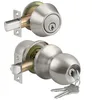
BESTTEN Keyed-Alike Entry Door Knob & Deadbolt Combo Set – $15.92
Ships fitting both standard backset sizes covered in this guide, so it fits most exterior doors without extra drilling — knob and deadbolt are keyed alike, matching the “Choosing the Right Lock” advice above.
- Best for: Replacing a worn exterior knob-and-deadbolt set in one go
- Why we picked it: Universal 2-3/8″/2-3/4″ backset fit means no returns for a mismatched lockset
- Main drawback: Satin nickel finish only — check it matches your existing door hardware
Compare more lock-replacement essentials
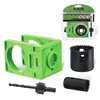 Option 1 KATA Door Lock Installation Kit – $9.99
|
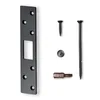 Option 2 MOSECYOU Extra-Long Deadbolt Strike Plate – $9.49
|
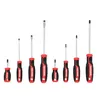 Option 3 CRAFTSMAN 8-Piece Screwdriver Set – $16.99
|
As an Amazon Associate we earn from qualifying purchases.
Removing The Old Lock
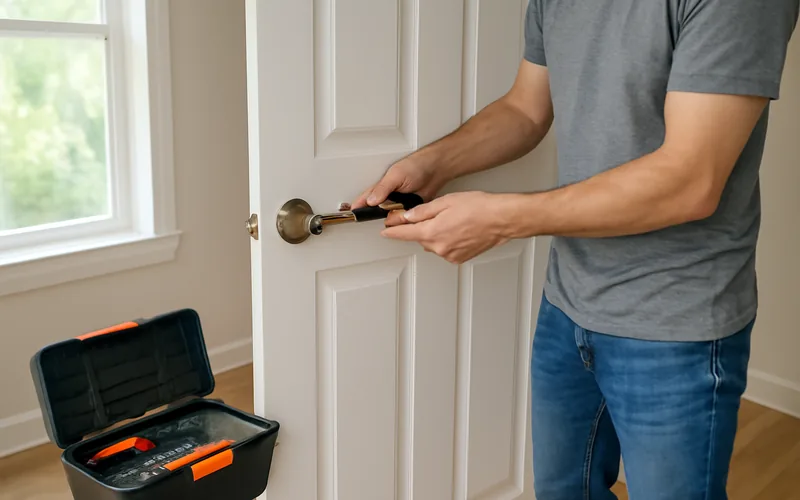
The first step is unscrewing the handle. Find the screws on the handle. Use a screwdriver to remove them. Keep the screws in a safe place. Hold the handle firmly. Pull the handle away from the door. Be gentle, don’t force it. The handle should come off easily.
Extracting the lock cylinder is the next step. Locate the screws on the cylinder. Use your screwdriver again. Remove the screws carefully. Keep them with the others. Gently pull the cylinder out. It should slide out smoothly. Check if any parts are stuck. If so, wiggle them lightly.
Preparing The New Lock
Ensure the new lock fits your door. Place it against the door hole. Check if it aligns with the existing holes. If it doesn’t fit, you may need to adjust the door — some doors need a bit of filing or drilling. Always ensure the lock sits flush with the door.
Backset and Bore Hole Sizes: The Measurement Most People Skip
The backset is the distance from the door’s edge to the center of the bore hole where the lock sits. North American residential doors use one of two standard backsets: 2-3/8 inches (most common) or 2-3/4 inches (some exterior and commercial doors). The bore hole itself is almost always 2-1/8 inches across. Measure your existing door before buying a replacement — a mismatched backset means the latch won’t reach the strike plate at all, and that’s the single most common reason a “quick lock swap” turns into a second trip to the store.
📊 Standard residential lock backsets are 2-3/8″ or 2-3/4″, with a 2-1/8″ bore hole — Source: SecureHome.org, BHMA-Certified Lockset Measurement Guide
“Universal Fit: Fits 2-3/8" (60mm) / 2-3/4" (70mm) backsets and 1-3/8"–1-3/4" (35–45mm) door thickness.”
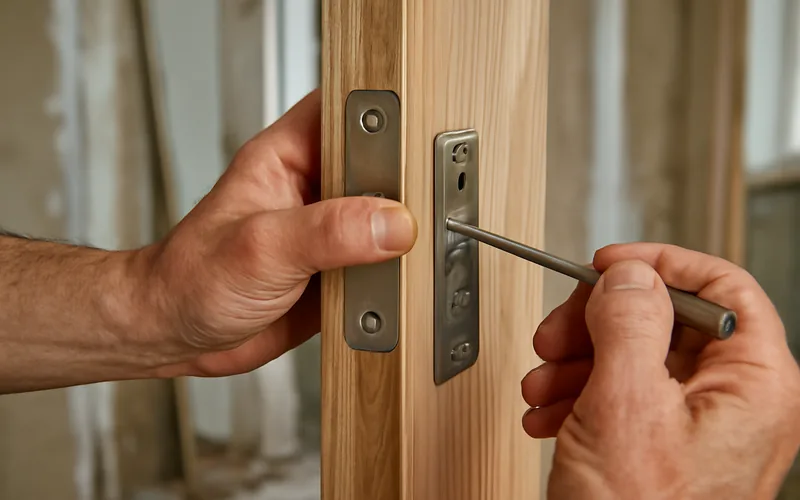
The latch should slide smoothly into the strike plate. If it sticks, adjust the latch. Sometimes, the strike plate is misaligned. Use a screwdriver to shift it slightly. Ensure the latch moves freely without sticking. Test the lock by turning the knob or key. If it works smoothly, the latch is adjusted correctly.
Is Changing a Lock the Same as Replacing One?
Yes — “changing” and “replacing” a door lock describe the same job: removing the existing knob or deadbolt and installing new hardware. That’s different from rekeying, which swaps only the internal pins so an old key stops working while the outside hardware stays the same. If your hardware is fine and you just need new keys, rekeying is cheaper; if the lock is worn, damaged, or you want a different style, replacing it is the right call.
Installing The New Lock
First, take the new lock cylinder. Slide it into the hole on the door. Ensure it’s aligned correctly. Tighten the screws. Use a screwdriver. The cylinder should be secure. Test the lock. Make sure it turns smoothly. If not, adjust it. Repeat the process. Check the screws again. They should be tight. This keeps the lock safe. Your cylinder is now secure.
Hold the handle. Place it on the door. Align it with the lock. Attach screws. Use the screwdriver. Tighten them well. The handle should feel firm. Test the handle by turning it. It should move easily. If it sticks, adjust it. Check the screws. They must be tight. A firm handle means the door lock works well. Now, your handle is attached.
Testing The Lock
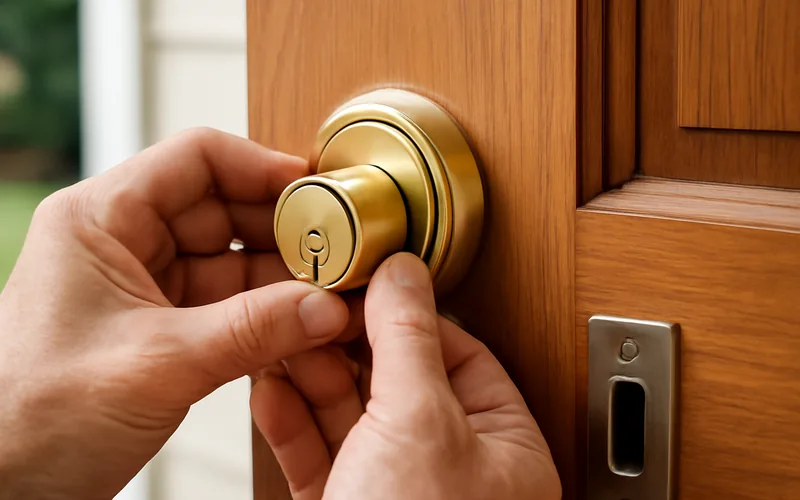
Ensuring smooth operation is crucial for a new lock. Turn the key inside the lock. It should move easily. If not, check the alignment. Make sure the lock’s parts fit. Listen for any unusual sounds. Clicks or grinding noises mean trouble. These can indicate problems. Fix them before they worsen.
Checking security features is another step. Check the lock’s strength. Try to force it open gently. A good lock stays shut. Look at the deadbolt. It should be sturdy. Make sure the lock’s components are intact. All screws should be tight. Loose parts mean weak security. Ensure no gaps between the door and frame. These gaps can be risky. Closing them enhances safety.
Troubleshooting Common Issues
Changing a lock on a door can present challenges. Common issues include misaligned screws and incompatible lock sizes. Ensure you have the right tools and measurements before starting the process.
Misalignment Problems
Locks can misalign easily. Sometimes the door frame shifts. Other times, the lock itself moves. This makes it hard to turn the key. Check for gaps between the lock and door frame. If you spot any, they need fixing. Adjust the strike plate. This is where the lock meets the frame. Use a screwdriver to move it slightly. Sometimes, tightening screws helps too. If the door is still not closing properly, sanding the edge might help.
Loose Components
Over time, lock parts can loosen. Check the screws on the lock. They might need tightening. A loose doorknob can cause trouble too. Tighten the knob using a screwdriver. Sometimes, the lock mechanism inside gets loose. Open the lock and see if parts are moving. Tighten any loose bits you find. If parts are worn out, replace them. This ensures the lock works well and stays secure.
Maintenance Tips
Changing a door lock can be straightforward with the right tools. Begin by removing the old lock, ensuring you keep all screws safe. Follow the new lock’s instructions carefully, aligning it correctly for smooth operation.
Lubrication Advice
Always keep your lock working smoothly. Use a good lubricant. Graphite powder or a dry PTFE lubricant works well. Apply it to the keyhole. It helps the lock turn easy. Avoid oil-based lubricants and water. Oil attracts dust that gums up pins, and water can make locks rust. Rust makes locks hard to turn.
Regular Check-ups
Check your locks often. Make sure they are not loose. Tighten screws if needed. Look for any signs of rust. Rust makes locks weak. Replace rusty parts quickly. This keeps your door safe. A healthy lock lasts longer. If you’d rather keep your current hardware and just want new keys, see our guide on what it costs to change a door lock for a rekey-vs-replace price comparison.
Frequently Asked Questions
Can I Change A Door Lock Myself?
Yes, you can change a door lock yourself. Basic tools and skills are required. Follow the lock manufacturer’s instructions carefully. Consider watching online tutorials for guidance. Ensure you have the right replacement lock for your door. Always prioritize safety while doing the task.
Is It Difficult To Replace A Door Lock?
Replacing a door lock is generally not difficult. With basic tools and instructions, most people can do it. It’s important to choose the right lock type and backset for your door. If unsure, consulting a professional can ensure proper installation. Always prioritize security when selecting a new lock.
Is It Cheaper To Rekey Or Replace Locks?
Rekeying locks is usually cheaper than replacing them. It involves changing the lock’s inner components. Replacing locks means buying new hardware, which costs more. Rekeying is cost-effective and provides security. Choose rekeying for budget-friendly lock security upgrades.
Can I Replace The Lock Myself?
Yes, you can replace the lock yourself. Ensure you have the right tools and a compatible replacement lock. Follow instructions carefully to avoid damaging the door. If unsure, consult a professional locksmith for assistance.
What Backset Size Do Most Door Locks Use?
Most residential doors use a 2-3/8-inch backset; some exterior and commercial doors use 2-3/4 inches. Measure from the door’s edge to the center of the bore hole before buying a replacement lock, or choose a universal-fit lockset that adjusts to both sizes.
How Long Does It Take To Replace A Door Lock?
Most homeowners replace a door lock in 30 to 60 minutes once the backset and bore hole match the new hardware. Add extra time if the door needs drilling or filing to fit a differently sized lock.
Conclusion
Changing a door lock is straightforward once you’ve matched the backset and bore hole to your new hardware. Now you can enjoy peace of mind knowing your home is secure. Practice makes perfect — the steps become second nature after the first swap.
You’ve taken a solid step toward protecting your space. Keep your screws tight, your lock lubricated with graphite or dry PTFE, and check the hardware periodically for wear.
Sponsored / affiliate links. As an Amazon Associate I earn from qualifying purchases. I may earn additional commission from eligible campaigns.