Deadbolt vs. Door Knob: Which Adds More Security at Home?
A deadbolt adds more security than a keyed door knob on an exterior door. For a primary entry door, use a higher-grade deadbolt and treat the knob as secondary hardware. Weak strike plates, short screws, and hollow jambs fail first. This guide compares both locks and the door parts that actually stop forced entry.
This guide is part of our Door security hardware series.
| Decision factor | Deadbolt | Door Knob: Which Adds More Security | Winner |
|---|---|---|---|
| Forced-entry resistance | Uses a solid bolt that extends into the strike plate and door frame. | Uses a spring-loaded latch that can be forced or slipped more easily. | Deadbolt |
| Kick-in resistance | Better, especially with a reinforced strike plate and long screws. | Poorer, because the latch and frame area are easier to defeat. | Deadbolt |
| Convenience for daily use | Good, but adds a separate locking step. | Better for everyday passage because the latch operates with the knob. | Door Knob: Which Adds More Security |
| Reach-through risk near glass | Single-cylinder models can be vulnerable if the thumb turn is reachable through nearby glass. | Keyed knobs can also be a target if the glass lets an intruder reach the lock. | Deadbolt, if double-cylinder is permitted |
| Fire-egress friendliness | Single-cylinder models are better for fast exit; double-cylinder models can create egress problems. | Usually easier to unlock quickly from inside. | Door Knob: Which Adds More Security |
| Best overall security on an entry door | Best when paired with a strong frame and strike plate. | Not enough as the only lock on most exterior doors. | Deadbolt |
How a keyed entry knob and a deadbolt fail differently


A keyed entry knob uses a spring-loaded latch, and a deadbolt uses a separate bolt that throws into the door frame. That difference matters because the latch can be bypassed, while the deadbolt’s solid bolt gives a burglar less to work with. Security depends on the whole door assembly, not the lock face alone.
Keyed entry knob basics
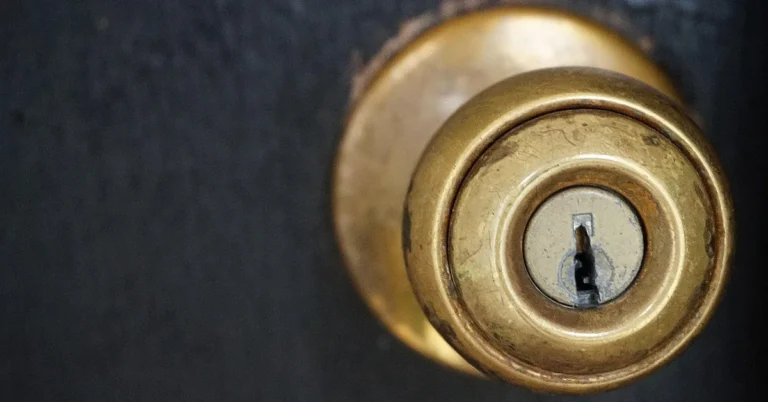
A keyed entry knob typically uses a spring-loaded latch that retracts when you turn the knob. Because the latch is shorter and spring-driven, it is more vulnerable to thin-object bypasses and force at the door edge. A keyed knob is common on exterior doors, but it is usually the weaker security layer.
Deadbolt basics
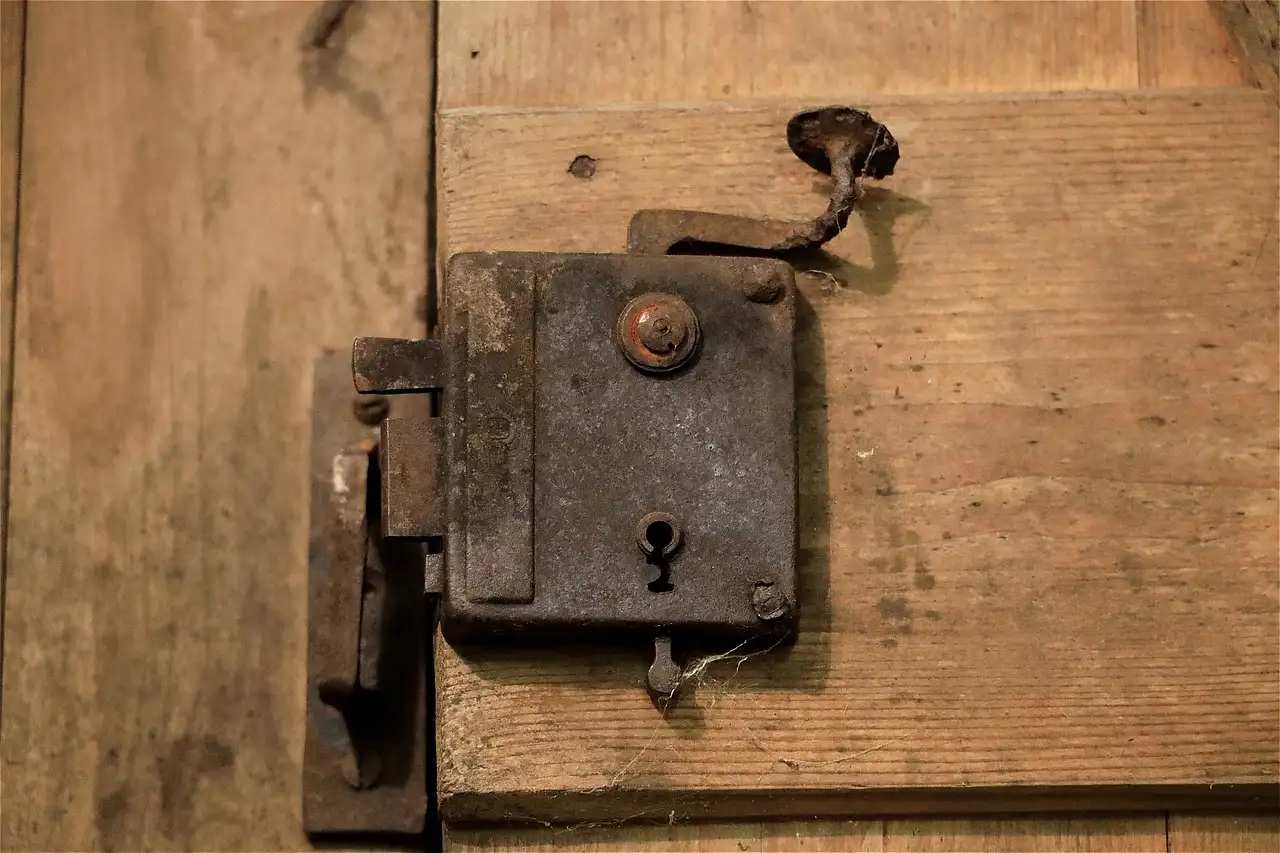
A deadbolt is a separate locking mechanism that throws a solid bolt into the strike plate and door jamb. Factually, a deadbolt is distinct from a spring bolt lock, and a deadbolt bolt extends an inch or more into the jamb. That extra throw is one reason security experts in the article say the deadbolt is more secure. (familyhandyman.com)
Where burglars aim first
Break-in attempts often target the easiest failure point, not the strongest one. A thin object may slip the spring latch; a kick may split the frame or pop the strike plate; short screws may pull free; and if the door has nearby glass, the lock can become reachable from outside. The cylinder itself is rarely the first failure in a basic kick-in.
Is a deadbolt more secure than a door knob?
Yes. A deadbolt is more secure than a keyed door knob because it uses a solid bolt instead of a spring-loaded latch. For an exterior door, that makes it harder to force, harder to jimmy, and better suited to resisting kick-in attacks when the frame and strike plate are properly reinforced.
What the deadbolt resists better
The deadbolt resists direct force because its bolt is stronger and engages the frame more deeply than a knob latch. A vertical deadbolt resists jimmying, and a properly installed deadbolt gives more resistance at the point where the door meets the jamb. The knob can still be part of the system, but it should not be the only line of defense.
What the knob still does well
A keyed knob is convenient and familiar. It can be adequate on low-risk doors that are not primary entry points, but convenience is not the same as security. On an exterior door, the knob alone usually leaves too much reliance on a spring latch and the surrounding frame.
Why the frame matters as much as the lock
Even a strong deadbolt can fail if the strike plate is thin, the screws are short, or the jamb is weak. Kick-in attacks often split the frame before they defeat the bolt itself. If the door slab is solid but the frame is hollow or damaged, the lock upgrade will not deliver its full benefit.
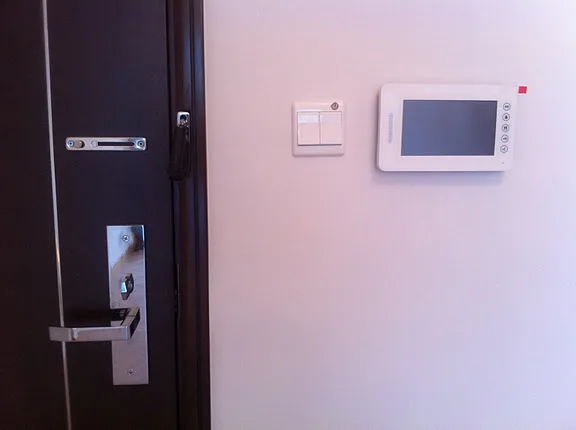
Do I need both a deadbolt and a keyed door knob?
On most front doors, yes: a deadbolt plus a keyed knob is the practical setup. The deadbolt carries the security load, while the keyed knob adds a second barrier and everyday latching. That said, the right answer depends on the door material, the frame strength, and whether exit speed matters more than extra locking points.
When both make sense
Use both on a typical front door with a solid or reinforced frame, no immediate code conflict, and no glass close enough for a reach-through attack. The deadbolt gives the main resistance, and the knob adds another layer that a burglar has to defeat. This is common on exterior entry doors for a reason.
When both may be unnecessary
If the door already uses a strong handleset or a door-specific security system and the local code or layout makes extra locks awkward, a single well-installed deadbolt may be the cleaner choice. More hardware is not automatically more security if it complicates exit or creates weak points in the frame.
Common first-timer mistake
A common first-timer mistake is buying a better lock but leaving the original short strike-plate screws in place. That can leave the door frame as the weak link. The lock choice matters, but the screw length, strike plate quality, and jamb condition often decide whether the door survives a shove.
Can a keyed door knob be enough on an exterior door?
Usually no, not for a primary exterior door. A keyed door knob can be acceptable on a low-risk side or service door with limited exposure, but it is usually too easy to force compared with a deadbolt. If it is the only lock, the spring latch and frame become the main targets.
When it might be acceptable
A keyed knob alone may be tolerable on a secondary entry where access is limited, visibility is good, and the door itself is strong. Even then, it should sit in a reinforced frame with a quality strike plate. That is still a compromise, not a best-practice front-door setup.
Why it falls short on the main entry
On a front door, a keyed knob leaves you relying on a spring-loaded latch that can be forced with a thin object or broken by pressure at the door edge. The door may look locked, but the assembly is still weaker than a deadbolt system. Security should not stop at the cylinder.
What is the difference between a spring latch and a deadbolt?
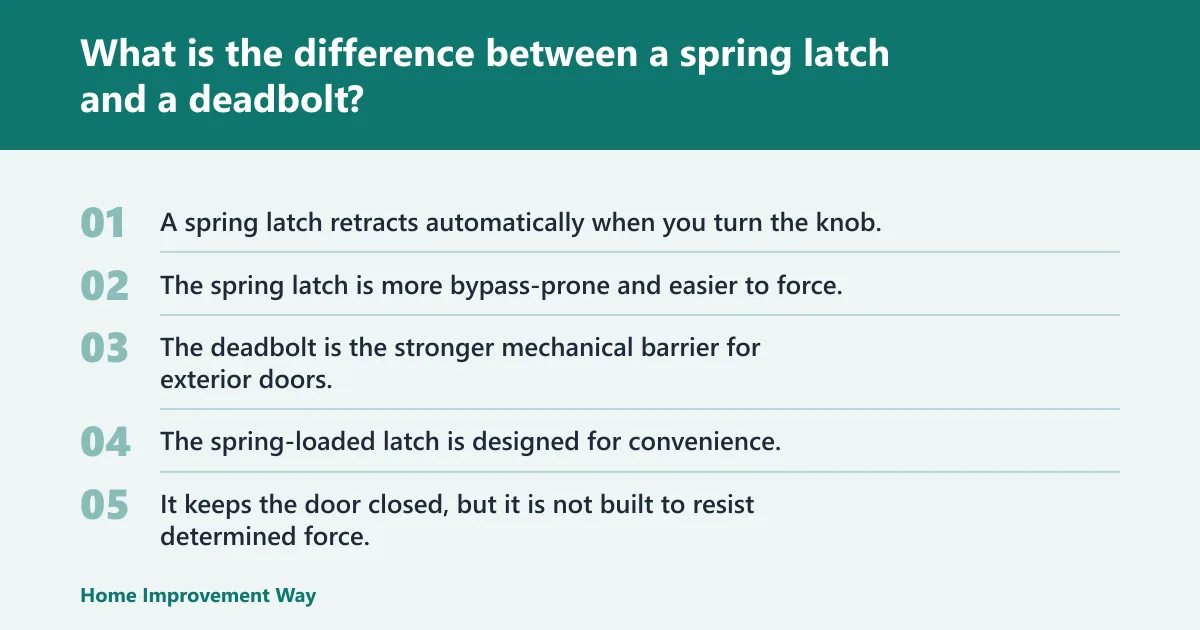
A spring latch retracts automatically when you turn the knob, while a deadbolt moves a solid bolt into the strike plate and stays there until you unlock it. The spring latch is more bypass-prone and easier to force. The deadbolt is the stronger mechanical barrier for exterior doors.
Spring latch behavior
The spring-loaded latch is designed for convenience. It keeps the door closed, but it is not built to resist determined force. Because it is short and spring-driven, it can be defeated by jimming, prying, or frame failure more easily than a deadbolt.
Deadbolt behavior
The deadbolt is a separate lock, not just a different knob action. It can only be opened by a key or handle, and the bolt travels deeper into the jamb. That deeper engagement is why it is the better choice for resisting a shove or kick.
Single-cylinder vs. double-cylinder deadbolt: which should you choose?
Choose a single-cylinder deadbolt for most homes unless nearby glass creates a reach-through risk. A single-cylinder deadbolt has a thumb turn on the inside, which is fast to use in an emergency. A double-cylinder deadbolt accepts a key on both sides and can reduce reach-through risk, but it adds exit and code concerns.
Single-cylinder deadbolt
The single-cylinder version uses a key outside and a thumb turn inside. That layout is the common residential choice because it supports quick exit from inside. It works well when the interior thumb turn is not reachable from outside through glass or an opening near the lock.
Double-cylinder deadbolt
A double-cylinder deadbolt accepts a key on both sides. That can help when glass beside the door would let someone reach in and turn a thumb turn. But it can also delay exit, and some areas do not allow locked exits with double-cylinder deadbolts.
When nearby glass changes the recommendation
If the door has glass panels or sidelights close enough to reach the interior thumb turn, the security case for a double-cylinder deadbolt becomes stronger. If there is no nearby glass, the added complexity usually is not worth the egress tradeoff. The safer default for most homes is still a single-cylinder deadbolt.
Are double-cylinder deadbolts safe in a fire?
They can be unsafe if they slow evacuation or violate local code. Because a double-cylinder deadbolt requires a key on the inside, it can cost precious seconds in an emergency, and some areas do not allow locked exits with these locks. Verify local fire code before installing one.
Why egress matters
Inside occupants need fast, obvious exit access. A thumb turn on a single-cylinder deadbolt is simpler under stress than finding and using a key. That is why double-cylinder locks should be reserved for cases where nearby glass creates a genuine security problem.
Decision rule for double-cylinder use
Use a double-cylinder deadbolt only when the door layout makes reach-through likely and the local code allows it. If the glass is far from the lock, or if the door is a required escape route, the safer choice is usually a single-cylinder deadbolt plus a better frame and strike plate.
What matters more than the lock: frame, strike plate, and screws
The door assembly often fails before the lock does. The strike plate receives the latch or bolt, the frame carries the force, and the screws hold the hardware together. If any of those parts are weak, the best deadbolt in the store will still underperform in a kick-in attack.
Strike plate role
The strike plate is installed on the door frame and catches the bolt or latch. A reinforced strike plate spreads force better than a thin one, and that matters because the lock is only as strong as the material holding it. A reinforced strike plate is often one of the highest-value upgrades for entry security.
Frame weakness
Door frames fail when the jamb splits or the strike area blows out. That is why a deadbolt must be matched with a reinforced frame, not treated as a solo fix. Hollow or damaged jambs are a common weak point in kick-in attacks.
Screws and reinforcement
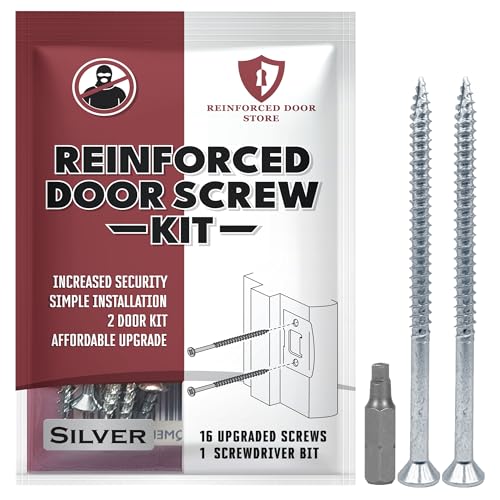
Longer screws can help transfer load deeper into the framing behind the jamb instead of stopping at thin trim. That simple change can matter more than moving from a basic knob to a fancier lock body. Hardware quality and attachment quality work together.
Choose deadbolt-only if… / Choose door knob: which adds more security if…
A deadbolt-only setup is often the better minimum when you want strong forced-entry resistance without extra inside key handling. A keyed knob-only setup is the exception, not the rule, and it fits only a few low-risk doors where convenience matters more than maximum resistance. For most front doors, the best answer is both hardware plus a reinforced frame.
Choose deadbolt-only if…
- the door is a primary entry point and you want the strongest single lock without adding inside key use;
- glass near the door does not threaten the interior thumb turn;
- the frame and strike plate can be reinforced properly;
- you want faster emergency exit than a double-cylinder setup allows.
Choose keyed knob-only if…
- the door is a low-risk secondary entry;
- the opening is not used as a main exterior access point;
- the door already has another real security device, such as access control or a separate deadbolt elsewhere on the opening;
- you understand that the spring latch is a weaker barrier than a deadbolt.
Choose both locks if…
- the door is a front door or another main entry;
- you want everyday latching plus a stronger separate lock;
- the frame, strike plate, and screws can be upgraded together;
- there is no code or egress conflict with the chosen deadbolt type.
| Scenario | Door type | Nearby glass | Fire-egress need | Frame strength | Recommended setup | Why |
|---|---|---|---|---|---|---|
| Front entry on a wood door | Solid wood | No | High | Good | Both locks, with a single-cylinder deadbolt | Strong balance of security and quick exit. |
| Front entry with sidelights | Fiberglass or steel | Yes, close to thumb turn | High | Good | Single-cylinder deadbolt only if thumb turn is protected; otherwise double-cylinder only if code allows | Reach-through risk may outweigh convenience. |
| Secondary side door | Steel | No | Moderate | Fair | Deadbolt plus keyed knob | Better than a knob alone, without needing a double-cylinder lock. |
| Older hollow-core exterior slab | Hollow-core | No | High | Weak | Replace or reinforce door and frame before choosing hardware | The slab and jamb are the limiting factor. |
| Rental unit or code-sensitive exit door | Fiberglass | No | High | Good | Single-cylinder deadbolt plus reinforced strike plate | Meets security needs without creating an inside-key delay. |
What door hardware is best for a front door?
For many front doors, a practical setup is a single-cylinder deadbolt paired with a keyed entry knob or matching handleset, along with a reinforced strike plate and solid screws into a sound frame. If nearby glass creates a reach-through risk, reconsider the layout before defaulting to a double-cylinder deadbolt. The hardware should fit the door, code, and exit path.
Door material changes the answer
Solid wood and steel doors usually support security hardware better than hollow-core doors. Fiberglass can be strong too, but the frame and hardware mounting still matter. If the slab is weak, the lock upgrade has less impact than replacing or reinforcing the opening.
Best practical rule
Start with a deadbolt, then inspect the strike plate, frame, and screws. Add the keyed knob for convenience, not as the main defense. If you need a double-cylinder deadbolt because of nearby glass, confirm fire and egress rules before installing it.
Frequently asked questions
Is a deadbolt more secure than a door knob?
Yes. A deadbolt is more secure because it uses a solid bolt that extends into the strike plate and frame, while a keyed knob depends on a spring-loaded latch. The knob is easier to force or bypass, especially if the strike plate, screws, or jamb are weak.
Do I need both a deadbolt and a keyed door knob?
On most front doors, yes. The deadbolt provides the real security layer, and the keyed knob adds daily latching and a second obstacle. If the door is a secondary entry with limited exposure, a deadbolt alone may be enough, but a knob alone usually is not.
Can a keyed door knob be enough on an exterior door?
It can be enough only on a low-risk exterior door with limited exposure and a strong surrounding frame, but it is not the best choice for a main entry. The spring-loaded latch is easier to bypass than a deadbolt, so a keyed knob alone leaves a weaker security margin.
What is the difference between a spring latch and a deadbolt?
A spring latch retracts when the knob turns and stays under spring pressure, which makes it easier to force or slip. A deadbolt is a separate bolt that locks into the jamb and does not spring back on its own. That mechanical difference is the core security gap.
When should I choose a double-cylinder deadbolt?
Choose one only when the door has nearby glass or another opening that would let someone reach the inside thumb turn of a single-cylinder deadbolt. Even then, check local code and emergency exit needs first. If there is no reach-through risk, a single-cylinder model is usually better.
Are double-cylinder deadbolts safe in a fire?
They can be a problem because inside occupants may need a key to exit, which slows evacuation. Some areas do not allow locked exits with double-cylinder deadbolts. Use one only when the security need is real and local fire rules allow it.
Sponsored / affiliate links. As an Amazon Associate I earn from qualifying purchases. I may earn additional commission from eligible campaigns.