How to Fix a Door Ripped Off Its Hinges (Stripped Screw Hole Fix)
A door ripped off its hinges is almost always a stripped screw hole, not a wrecked frame — glue-set 3/8-inch wood dowels and redrilled pilot holes restore full holding power in under an hour. Ignore it, and the hinge keeps pulling loose under the door’s own weight, splitting more frame each time. This guide covers assessing the damage, repairing splintered wood and stripped screw holes, replacing bent hinges, and reinforcing the repair for good.
Quick Answer
Remove the door, clean out splintered wood, and pack stripped screw holes with glue-soaked 3/8-inch dowels (or a $20–$30 repair kit). Once the glue cures, redrill pilot holes and reattach hinges with longer #9 x 3-inch screws for extra bite into the frame, then rehang the door and adjust the strike plate until it closes flush. Total DIY cost: about $20–$50.
The 6-Step Fix at a Glance
- Assess the damage: Check whether the door, hinges, or frame took the hit — cracked wood, bent hinges, and torn screw holes each need a different fix.
- Remove the door: Support the door on sawhorses, unscrew or unpin the remaining hinges, and set the door aside on a flat surface.
- Repair the wood: Glue cracks and clamp them, or pack stripped screw holes with glue-soaked 3/8-inch dowels; let the glue cure before drilling new pilot holes.
- Replace or repair the hinges: Clean reusable hinges with a wire brush and WD-40, or swap in new hinges matched to the old screw pattern.
- Reattach and align the door: Hang the door with a helper, start with the top hinge, tighten screws gradually, and check the swing with a level.
- Reinforce for the long term: Upgrade to #9 x 3-inch screws so the fastener bites into the frame stud, and add a third hinge on heavy doors.
Why Doors Get Ripped Off Hinges
Doors don’t just pop off hinges for no reason. Rough handling, like slamming or pulling too hard, can weaken hinges over time. Kids swinging on doors or pets jumping against them can do it too — repeated stress loosens the screws long before the hinge visibly fails.
Poor installation is another culprit. If hinges aren’t secured properly, they can pull out under stress. Weather plays a role too — moisture swells wooden doors, making them heavier and putting more strain on the hinges holding them.
Assessing the Damage
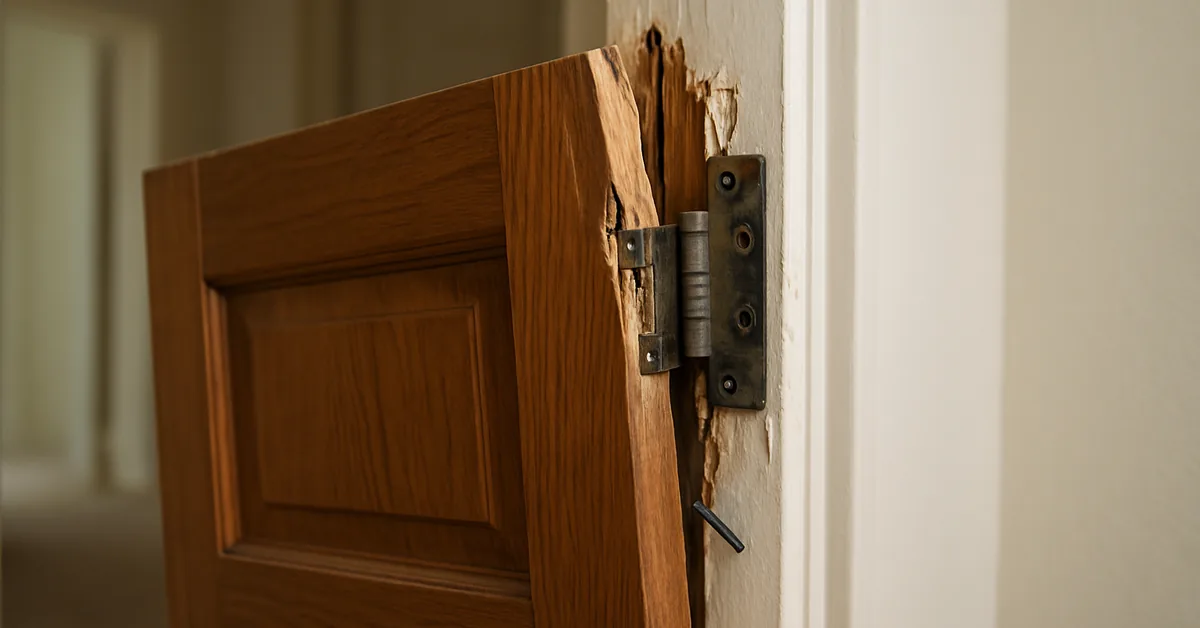
Before you grab your tools, take a close look at the problem. Is the door itself damaged, like cracked wood or dents? Are the hinges bent or pulled out? Check the door frame too — screws might have ripped out, leaving stripped holes behind.
Look for splintered wood around the hinge mortise and loose or missing screws. Lift the door gently to see if it’s warped or unusually heavy for its hinges. Knowing exactly what’s broken — wood, hinge, or frame — determines which repair below you actually need.
Gathering Tools and Materials
You’ll need a basic door hardware toolkit: a screwdriver (Phillips and flathead), a drill, wood filler, sandpaper, a hammer, a chisel, and replacement screws or hinges if needed. A level ensures the door hangs straight, and a tape measure helps with alignment.
If the wood is damaged, grab wood glue or 3/8-inch dowels for repairs. New hinges cost $5–$20 depending on size. If the door or frame is badly splintered, you may need a wood patch or a new door — but try fixing it first.
Best Door Hinge Repair Pick
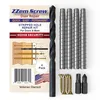
Stripped Door Hinge Screw Hole Repair Kit (4-Pack) – $26.99
Includes 3-inch anchor screws plus a drill bit and driver bits — the same 3-inch-anchor fix this guide recommends for hinges that keep pulling loose, without needing to whittle your own dowels.
- Best for: stripped hinge screw holes on wood door frames
- Why we picked it: anchors 3 inches into the framing, matching the reinforcement spec in this guide
- Main drawback: wood and wood-composite frames only — will not work on metal jambs
Compare more door repair options
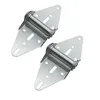 Option 1 Heavy-Duty Galvanized Garage Door Hinges (2-Pack) – $9.99
|
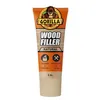 Option 2 Gorilla All Purpose Wood Filler (6 oz) – $8.68
|
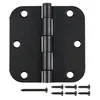 Option 3 Matte Black Interior Door Hinges (6-Pack) – $13.85
|
As an Amazon Associate we earn from qualifying purchases.
Safety First: Preparing the Work Area
Clear the work area of anything that could trip you or get in the way. If the door is heavy, get a friend to help hold it steady while hinges come off — a dropped door can crack the frame further or injure you.
Wear gloves to protect your hands from splinters or sharp hinge edges. Safety glasses are smart too, especially when drilling or chiseling. If the door is swinging loose, prop it with a wedge to keep it steady while you work.
Removing the Damaged Door
If the door is still attached, support it on a couple of sawhorses first. If hinges are intact, unscrew them from the frame or door, depending on where they’re still attached, while holding the door to keep it from falling.
If hinges are bent or stuck, spray WD-40 to loosen the screws. For pins still in the hinges, tap them out with a hammer and a flathead screwdriver. Set the door aside on a flat surface, and keep screws and hinges in a container so they don’t roll away.
Repairing the Door’s Wood Damage
A ripped-off hinge often leaves splintered wood or stripped screw holes. For small cracks, apply wood glue, press the pieces together, and clamp them for a few hours.
For stripped screw holes, the standard fix is a 3/8-inch wood dowel coated in glue, tapped in flush, then cut flush and left to cure. Once the glue sets — up to 24 hours for full strength — drill a new pilot hole straight through the dowel for the hinge screw. It holds screws as well as fresh wood.
Fixing the Door Frame
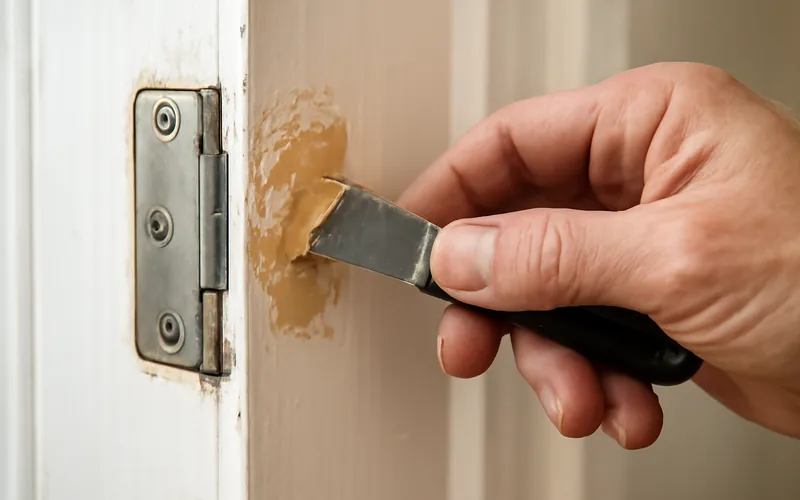
The door frame often takes a hit too, especially where the hinge screws pulled out. Clean out loose wood with a chisel, apply wood filler or glue to small cracks, then sand smooth once dry.
For bigger frame damage, cut a small wood patch, glue it in place, and secure it with screws, drilling pilot holes to prevent splitting. If the damage is isolated to the hinge side of the frame rather than the whole door, see our dedicated hinge-side frame repair guide for that narrower fix. Check the frame’s alignment with a level — warping can make the door hang wrong.
Replacing or Repairing Hinges
Bent or broken hinges need attention. If a hinge is reusable, clean it with a wire brush and WD-40 to remove rust. For bent hinges, try hammering them flat on a workbench — if they’re too damaged, replace them.
New hinges should match the old ones in size and screw placement. Line up the hinge on the door, mark screw holes with a pencil, and drill pilot holes. Not sure which screw gauge or length to buy? See our door hinge screw sizing chart before you shop.
Reattaching the Door
With a friend’s help, lift the door and align the hinges with the frame. If you’re using new hinges, attach them to the door first, then the frame.
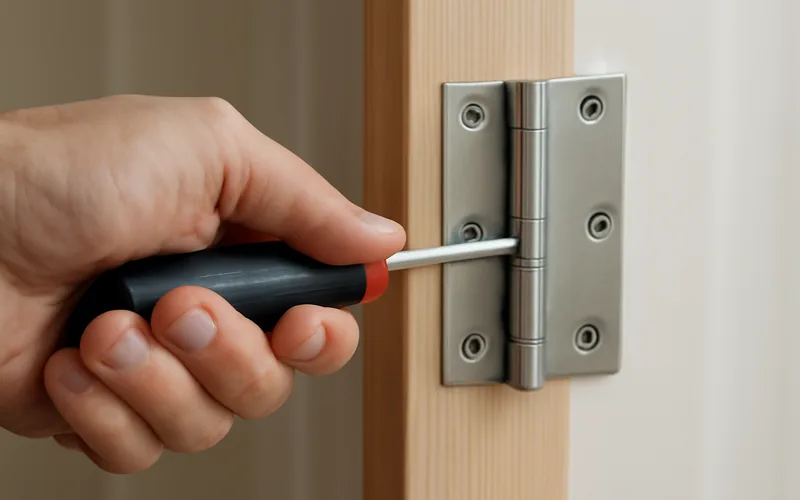
Insert hinge pins or screw the hinges into the frame, starting with the top hinge for stability. Tighten screws gradually in sequence, checking alignment as you go, and use a level to confirm the door hangs straight.
Adjusting the Door for Smooth Operation
A newly hung door might need small tweaks. Open and close it to check for sticking or gaps. If it rubs the frame, loosen the hinge screws slightly and shift the door until it clears.
If the door doesn’t close flush, adjust the strike plate — the metal piece the latch hits. Loosen its screws and move it slightly, then test the door’s swing and lock to confirm everything catches properly.
Reinforcing the Repair for Longevity
To prevent future rip-offs, add longer screws (2–3 inches) to the hinges for a stronger hold. For heavy doors, consider adding a third hinge for extra support.
Check the door’s weight — if it’s too heavy, the hinges will strain again. Sand the door’s edges to reduce swelling from moisture, and tighten hinge screws yearly as routine maintenance.
📊 Standard interior door hinges use #8 gauge screws, but upgrading to #9 x 3-inch screws is the fix hardware manufacturers recommend when a hinge keeps pulling out — the extra length reaches past the door jamb and bites into the framing stud behind it. Source: This Old House, “Sure Cure for Loose Hinges”
Painting or Finishing the Door
After repairs, sand the repaired areas and apply primer, then paint to match the rest of the door. Use exterior paint for outdoor doors to resist the weather.
For interior doors, stain or varnish works if you prefer a wood look. Seal repairs with a clear coat for protection, and let the finish dry completely before rehanging or using the door heavily.
Maintaining Your Door and Hinges
A fixed door needs care to stay strong. Check hinges every six months, tightening screws and adding a drop of lubricant to the pins. Clean hinges with a cloth to remove dust or grime.
Keep the door’s track or threshold clean to prevent sticking. For wooden doors, seal or paint them every few years to block moisture from swelling the wood again.
Troubleshooting Common Issues
If the door still wobbles, check for loose screws or a warped frame, then tighten all screws and use a level to confirm alignment. If screws won’t hold, use longer ones or dowels to reinforce the holes.
If the door sticks after rehanging, sand the edges or adjust the hinges. If the latch doesn’t catch, the strike plate likely needs repositioning — small tweaks usually fix what looks like a bigger problem.
When to Replace Instead of Repair
Sometimes a door or frame is too damaged to fix. If the wood is rotted, warped, or splintered beyond patching, a new door is the smarter call. The same goes for a frame that’s cracked or sagging structurally.
New doors cost $200–$800 depending on the material. If hinges keep failing despite repairs, the door itself may be too heavy for them — weigh the cost and effort before deciding.
Cost and Budget Considerations
Fixing a door is wallet-friendly. Hinges cost $5–$20 each, screws or dowels are $1–$5, and wood filler or glue is $5–$10 — a full repair typically runs about $30 total.
A new door or professional repair runs $200–$1,000. Shop at hardware stores or online for deals, and reuse tools you already own to keep the cost down.
“I added 2 to 3-inch screws to the hinges for a stronger hold, and put a third hinge on my garage door for extra support — neither hinge has pulled loose since.”
Table: Common Door Repair Challenges and Fixes
Here’s a quick reference table for the most common issues covered above.
| Challenge | Cause | Fix | Prevention Tip |
|---|---|---|---|
| Stripped Screw Holes | Loose or worn screws | Fill with wood filler or dowels, redrill | Use longer screws, check regularly |
| Splintered Wood | Hinge pull-out | Glue cracks, fill with wood filler | Reinforce with heavier hinges |
| Bent Hinges | Stress or impact | Hammer flat or replace with new hinges | Seal the door to prevent swelling |
| Door Misalignment | Warped door or frame | Adjust hinges, sand edges, and level the frame | Adjust hinges, sand edges, level the frame |
Frequently Asked Questions
What tools do I need to fix a door ripped off its hinges?
A screwdriver, drill, hammer, chisel, wood filler, sandpaper, a level, and new hinges or screws. Gloves and a friend to hold the door steady help too.
Can I fix a door with splintered wood?
Yes. Use wood glue for cracks and wood filler or dowels for stripped screw holes. Sand it smooth and redrill for hinges that hold like new.
Why did my door rip off its hinges?
Rough handling, poor installation, a heavy door, or moisture swelling the wood can all weaken hinges over time. Check for loose screws or wear before it fails completely.
How do I know if I need a new door?
If the wood is rotted, warped, or too splintered to patch, replace it. A new door costs $200–$800 depending on the material.
How much does it cost to fix a door’s hinges?
DIY repairs cost $20–$50 for hinges, screws, and filler. Professional repairs or a new door run $200–$1,000.
What size dowel fixes a stripped hinge screw hole?
A 3/8-inch wood dowel coated in wood glue is the standard fix. Drive it in flush, let the glue cure fully (up to 24 hours for full strength), then drill a new pilot hole straight through the dowel for the hinge screw.
Conclusion
A door ripped off its hinges is rarely as bad as it looks — in most cases it’s a stripped screw hole or a bent hinge, not a ruined door. Assess the damage, repair the wood with glued dowels, upgrade to longer screws, and rehang the door with a helper. A properly reinforced hinge repair should outlast the original installation.
Sponsored / affiliate links. As an Amazon Associate I earn from qualifying purchases. I may earn additional commission from eligible campaigns.