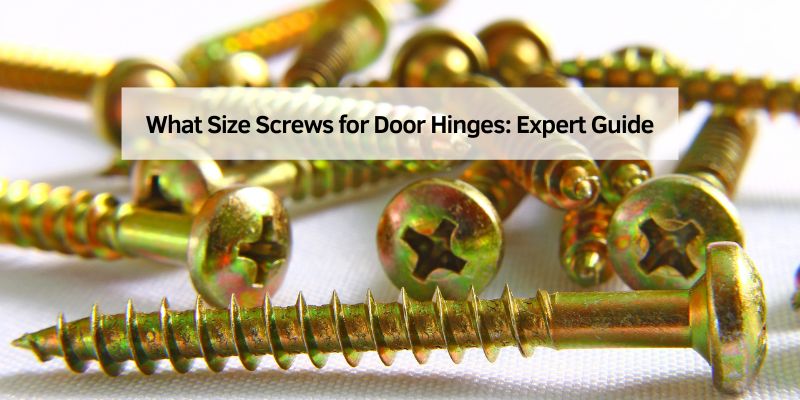
What Size Screws for Door Hinges? Sizing Chart by Door Type
Standard door hinge screws run #8 to #10 gauge and 3/4 to 1 inch long, matching the screws that ship with the hinge – not the 2.5-3 inch screws some guides wrongly recommend for every hole. Use the wrong size and hinges loosen, doors sag, or screw holes strip. This guide covers gauge and length by door type, plus the real technique for reinforcing a sagging entry door with a single longer screw into the wall framing.
Choosing The Right Screw Size
Screw length and gauge both depend on door weight and hinge size. A heavier or exterior door needs a longer, thicker screw so it can grip deeper into the frame – undersized screws are the most common cause of a sagging door. Match the screw to the existing hinge hole rather than guessing, since manufacturers already size hinge screw holes for the door class they’re sold with.
| Door Type | Screw Size |
|---|---|
| Interior Door | 3/4 inch to 1 inch |
| Exterior Door | 1 inch to 1 1/2 inches |
| Heavy Door | 1 1/2 inches to 2 inches |

Material Considerations
Solid wood doors hold screws well at 3/4 inch to 1 inch, since the fibers grip the threads along that length. Use zinc-plated or stainless screws on any door exposed to weather – bare steel corrodes and eventually loses its grip in the wood.
Metal doors and frames use self-tapping steel screws instead of standard wood screws, since a wood screw’s threads won’t bite into sheet metal. These are typically shorter – around 1/2 inch – because they’re threading into thin metal, not deep wood.
Screw Types For Hinges
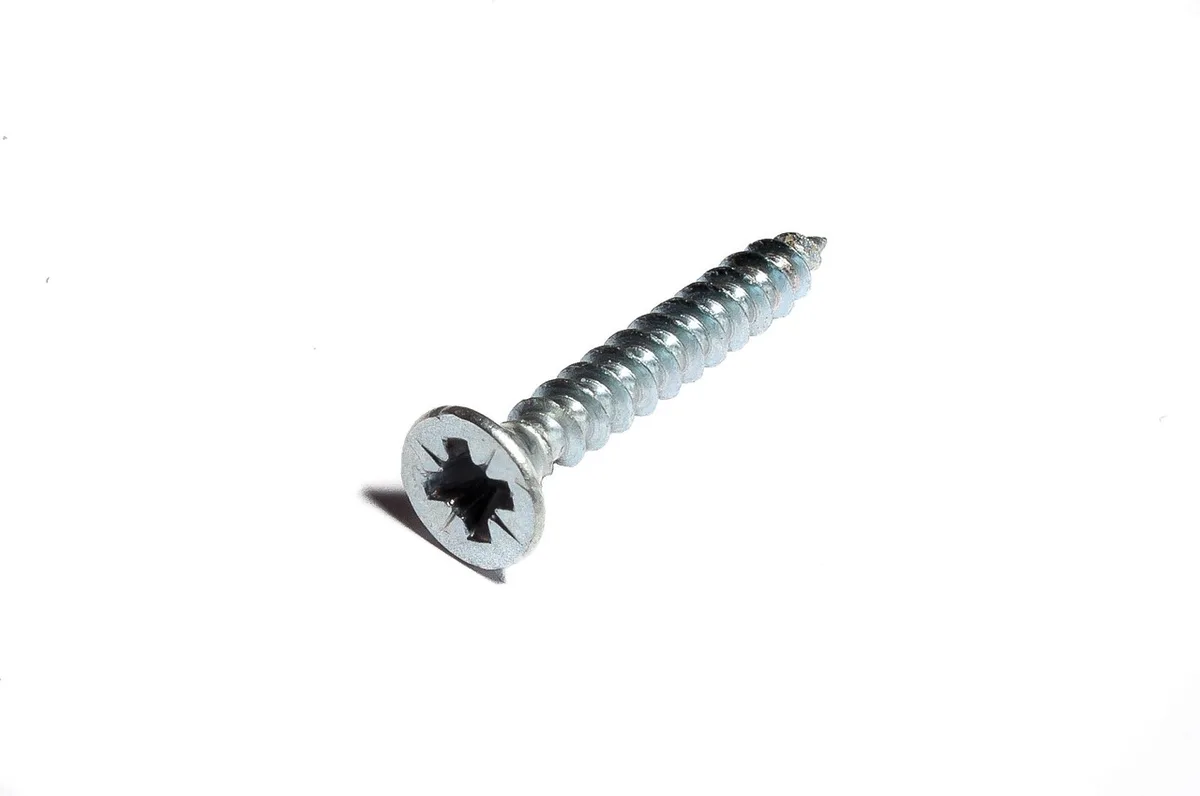
Flat head (countersunk) screws are the standard choice for door hinges, since the hinge leaf’s countersunk holes are machined for that head shape – the screw sits flush and won’t catch on the door as it swings.
Round or oval head screws sit proud of the hinge leaf and are mostly a decorative-hardware choice, not a structural one – they don’t seat into a countersunk hole, so they offer less holding surface against the hinge.
Length And Gauge Of Screws
Length should match the hinge screw hole and door type from the table above – 3/4 to 1 inch for interior doors, 1 to 1 1/2 inches for exterior doors, and 1 1/2 to 2 inches only for heavy solid doors. A 2-inch screw in a standard interior hinge is oversized and can punch through the jamb.
Gauge is the screw’s thickness, not its length. #8 gauge is standard for most interior hinges, while #9 or #10 gauge suits larger, heavier, or exterior doors that need a thicker screw shank for extra holding strength.
Best Hinge Screw Kit
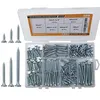
JEGONFRI 209-Piece Wood Screw Assortment – $7.96
Covers the full #8-#10, 3/4″-1 1/2″ range this guide recommends for interior, exterior, and heavy doors in one kit, so you’re not buying separate boxes per door type.
- Best for: matching the exact screw size to interior vs. exterior vs. heavy-door hinges
- Why we picked it: 6 sizes in one kit spans this guide’s whole sizing table
- Main drawback: not the #8×2.5-3″ length needed for the top-hinge security-screw fix
Compare more hinge-screw essentials
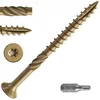 Option 1 #10 x 3″ Exterior Screws (137pc) – $9.99
|
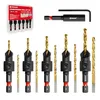 Option 2 12-Pc Countersink Drill Bit Set – $16.97
|
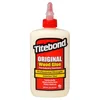 Option 3 Titebond Original Wood Glue – $3.92
|
As an Amazon Associate we earn from qualifying purchases.
Installation Techniques
Pre-drill every hole with a pilot bit sized smaller than the screw – this keeps the wood from splitting and keeps the screw running straight into the hinge hole instead of wandering off at an angle.
Seat the hinge flush in its mortise first, then drive screws in firmly with a screwdriver or low-torque drill setting – overdriving strips the hole immediately, especially in softwood doors and jambs. Swing the door once all screws are in to confirm it moves freely before moving to the next hinge.
Troubleshooting Common Issues
Choosing the right size screws for door hinges ensures smooth operation and stability. Typically, screws measuring 3/4 to 1 inch are suitable for most hinges. This size fits well, preventing loose hinges and door misalignment.
Loose Hinges
A sagging door usually means the screws are too short for the hole they’re in – check for wobble first, then swap in a longer screw of the same gauge rather than just re-tightening the existing one, which only strips the hole further.
Stripped Screw Holes
Fill a stripped hole with wood glue and toothpicks or wood matchsticks, let it cure fully, then re-drive the original screw into the repaired hole. Avoid jumping straight to a larger screw as a first fix – it only strips a bigger hole once that one wears out too.
Expert Tips And Tricks
Fit matters more than size alone – a screw that’s too small lets the door sag over time, while one that’s too large can split the wood around the hinge. Match the screw snugly to the existing hinge hole first.
Factor in both the door’s weight and its material: a heavy solid-wood exterior door needs a longer, thicker screw than a light hollow-core interior door, and metal doors need self-tapping screws rather than standard wood screws.
Corrosion-resistant coatings matter most on exterior and bathroom doors. Zinc-plated or stainless steel screws resist rust far longer than bare steel, which weakens and can shear off after repeated humidity exposure.
Check hinge screws periodically and re-seat any that have loosened. A screw that’s worked loose lets the whole hinge leaf flex, which accelerates wear on the screw hole itself.
Screw finish should match the hinge finish – most hinges are sold with matching screws for exactly this reason, so replacement screws should be the same finish (satin nickel, oil-rubbed bronze, brass, etc.) as the hinge itself, not just a matching head color.

Safety Precautions
Wear protective gloves and safety goggles when driving screws – a stripped screwdriver head or a drill bit that skips off metal hardware can send debris flying.
Use the correct screwdriver tip size for the screw head – a mismatched bit strips the head before the screw seats. If using a drill, keep it on a low-torque clutch setting so you don’t overdrive and split the wood or strip the hole.
Frequently Asked Questions
What Size Screw To Use For Door Hinge?
Standard door hinge screws are #8 to #10 gauge and 3/4 to 1 inch long – not 3 inches. The 3-inch figure applies only to a separate technique: driving one longer screw into the top hinge’s two outer holes to reach the wall stud and stop a sagging door.
Are Hinge Screws #8 Or #10?
Hinge screws are typically #8 or #10, depending on the hinge size and application. #8 screws are common for smaller hinges, while #10 screws are used for larger, heavier hinges. Always choose the correct size for optimal support and stability.
Should I Use Longer Screws For Door Hinges?
Only for one specific job: reinforcing a sagging entry door by driving a single 2.5 to 3 inch screw into the top hinge’s two outer holes so it reaches the wall framing. For normal hinge installation, stick to the 3/4 to 1 inch screw the hinge was designed for – an oversized screw can miss the frame at an angle or split the jamb.
What Screws Are Used For Hinges?
Use #8 or #9 wood screws for most door hinges. Opt for screws 3/4 to 1 inch long. Ensure screws match hinge material for durability.
“[A longer screw] drives long enough to penetrate the framing behind the jamb. That’ll help keep the door from sagging.”
Conclusion
Choosing the right screw size is essential for door hinges. It ensures strong support and smooth operation. Typically, screws range from 1 to 1. 5 inches. Always check the hinge and door thickness. This helps in selecting the appropriate screw.
Installing the correct size prevents door sagging. Also, it increases the hinge’s lifespan. Regular checks can help maintain door efficiency. Remember, a secure door hinge adds safety to your home. For any doubts, consult a hardware expert. They can offer guidance.
Proper installation makes a big difference. A small detail, but crucial for your door’s performance.
Sponsored / affiliate links. As an Amazon Associate I earn from qualifying purchases. I may earn additional commission from eligible campaigns.