How to Open a Locked Door with a Card (Spring Latches Only)
A plastic card opens a locked door only if it uses a spring latch, the angled bolt in most interior doors and older cars; it will not work on a deadbolt, which needs a key to retract its straight bolt. Forcing it on the wrong lock bends the card or damages the frame. This guide covers the exact technique for car and interior doors, which locks it never works on, and what to try next if it fails.
Why a Card Can Work to Unlock a Door
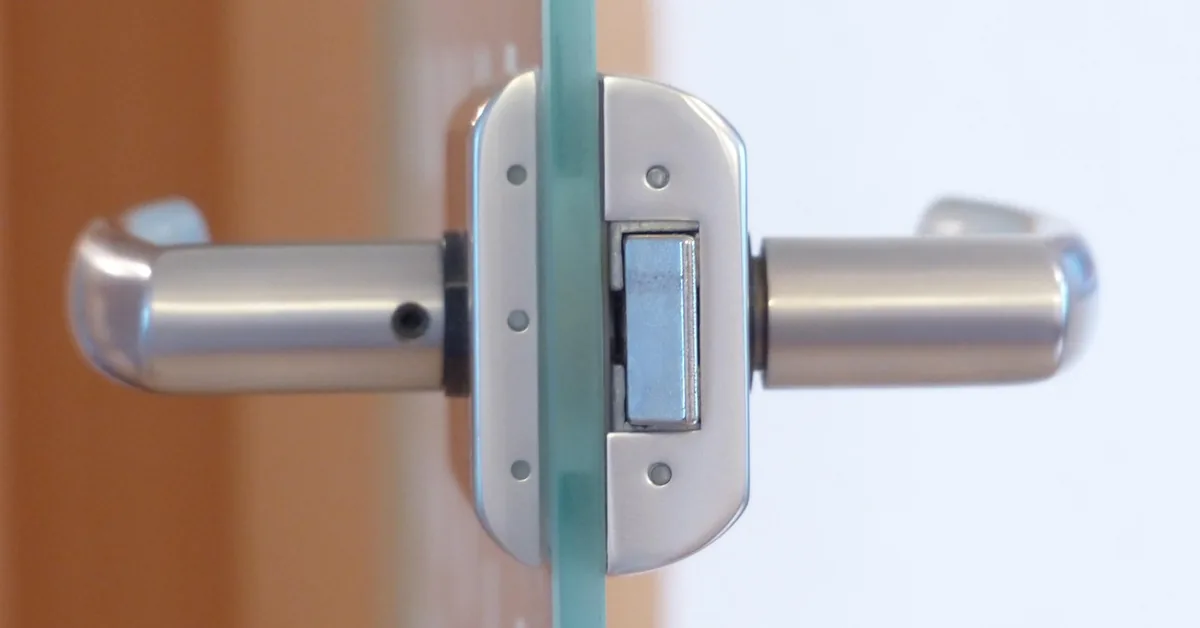
Many doors, especially older car doors or interior home doors, use a spring-loaded latch bolt that slides into the door frame to keep it shut. A card is thin, flexible, and just sturdy enough to push that beveled latch back.
A spring latch is a lock mechanism using a spring-loaded, angled bolt that retracts under sideways pressure, which is exactly what lets a slid-in card push it open. It is not the same as a deadbolt, which uses a straight, unangled bolt that only moves when turned by a key or thumb-turn — no amount of card-sliding will retract it.
The first time I tried this on my car, I was skeptical — it felt like an urban myth. But when I slid a credit card between the door and the frame, I felt the latch give way. It’s not magic, it’s mechanics: the card acts like a shim, slipping into the gap and nudging the bolt out of its slot.
Types of Locks You Can Open with a Card
Not every lock is a candidate for the card trick. I learned this the hard way when I tried it on my front door and ended up with a bent library card. Here’s a quick breakdown of lock types to help you figure out if this method will work for you:
| Lock Type | Can a Card Unlock It? | Why or Why Not? |
|---|---|---|
| Spring Latch (Car Door) | Yes | Common in older cars; the card can slip in and move the latch. |
| Spring Latch (Interior Door) | Yes | Common in older homes; card can slip in and move the latch. |
| Deadbolt | No | Deadbolts require a key or knob to rotate, not just a push. |
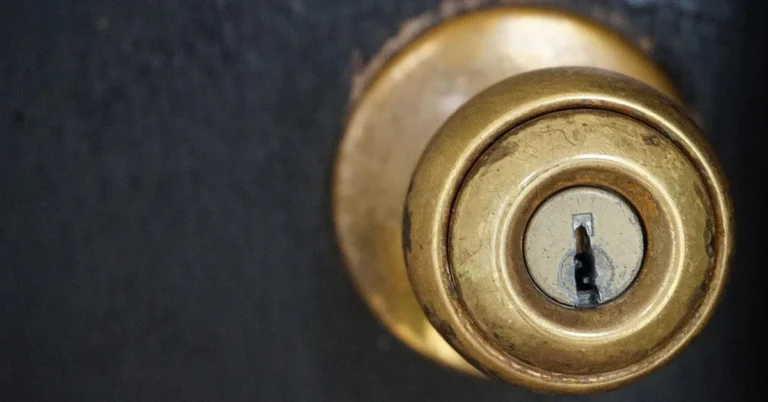
| Knob Lock | Sometimes | Depends on the gap and latch design; often trickier than simple latches. |
| High-Security / Deadlatch | No | A guardbolt beside the latch blocks the latch from being depressed by a card. |
📊 Modern deadlatches include a “guardbolt,” a second small bolt beside the main latch that stays depressed against the strike plate and physically blocks a card or shim from pushing the latch back. — Source: GoKeyless, lock mechanism guide
Does This Work On Every Door, Regardless Of Which Way It Swings?
No. The trick only works from the side of the door without the door stop, which is usually the outside of the frame on doors that swing outward, away from you. Most bathroom and bedroom doors, and most house entry doors, swing inward, which is why the card trick often fails on exactly the doors people try it on first.
Tools You’ll Need to Open a Locked Door with a Card
You don’t need a fancy toolkit for this. Here’s what I used when I was stuck in that parking lot:
- A sturdy plastic card: an old credit card, gift card, library card, or laminated ID all work. Avoid using an active bank card — you don’t want to snap it.
- A thin, flexible object (optional): a second card or a plastic strip helps create space.
- Patience: this isn’t as quick as it looks in movies. It took about 10 minutes of fiddling to get it right.
Step-by-Step Guide to Opening a Car Door with a Card
Here’s the exact process, broken down so you can try it too:
- Check the Lock Type: Make sure it’s a spring latch. A vertical lock button or a deadbolt-style mechanism means this won’t work.
- Choose the Right Card: Grab an old credit card. Pick something sturdy but flexible — too flimsy and it’ll bend and break.
- Locate the Gap: Look at the door frame where it meets the car body. There’s usually a small gap near the lock, often right above the handle.
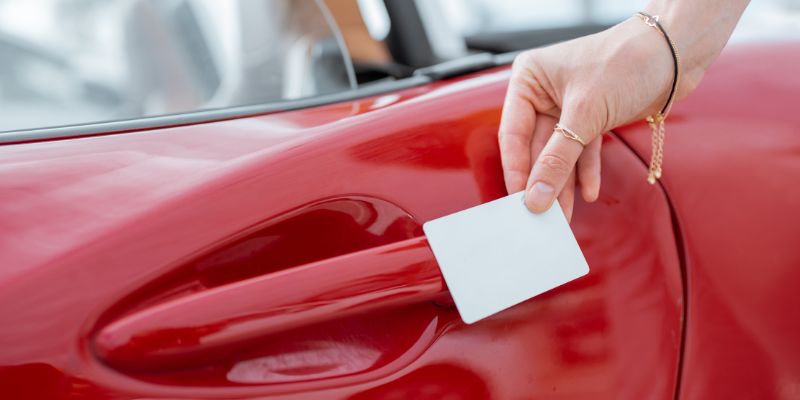
- Insert the Card: Slide the card into the gap, angled slightly toward the lock. Wiggle it past the weather stripping.
- Apply Pressure: Push the card down while gently pulling the door handle, feeling for the latch bolt — a small, springy resistance, then a “click.”
- Wiggle and Push: Move the card back and forth to nudge the latch out of its slot. Don’t force it — you might damage the card or the lock.
- Open the Door: Once the latch moves, the door should pop open.
It sounds simple, but it takes finesse. If it’s not working, try adjusting the angle or using a second card to create more space.
Opening an Interior House Door with a Card
A few months after my car incident, I locked myself out of my home office. The door had a basic knob lock with a spring latch, so I tried the card trick again:
- Confirm it’s a Spring Latch: Most interior doors (bedrooms, bathrooms) use spring latches. If it’s a deadbolt, stop here and call a locksmith.
- Pick Your Card: A loyalty card works well — sturdy but not too thick.
- Find the Sweet Spot: Slide the card between the door and the frame, right where the latch is, usually just below the knob.
- Push and Wiggle: Angle the card toward the latch and push gently, jiggling until you catch the latch.
- Apply Door Pressure: Push or pull the door slightly while moving the card. This helps the latch slide back.
Interior doors are often easier than car doors since there’s less weather stripping in the way. If the gap is too tight, a thinner card can help.
Mistakes I Made (So You Don’t Have To)
- Using the Wrong Card: A flimsy membership card crumpled instantly. Stick to something like a credit card or gift card.
- Forcing It: Getting frustrated and pushing too hard nearly snapped a card. Be patient and gentle.
- Ignoring the Lock Type: Trying this on a deadbolt before realizing it was pointless wasted time. Always check the lock first.
- Not Creating Space: On a tight car door gap, a second card or a plastic wedge helps.
When the Card Trick Won’t Work
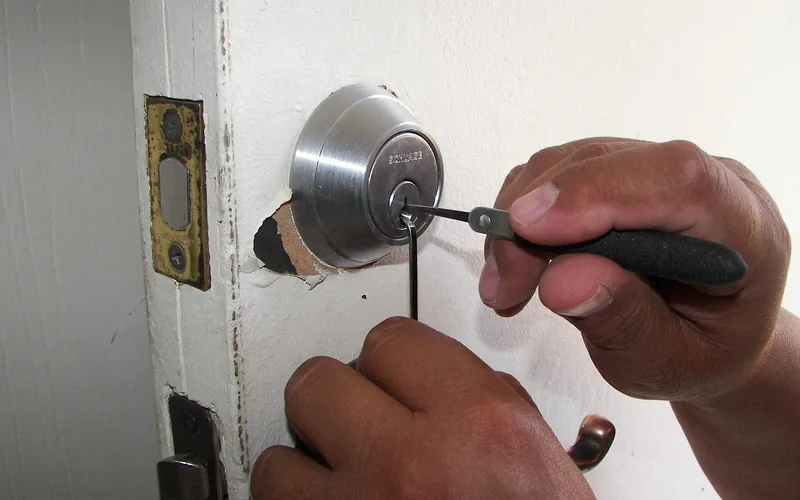
I wish I could say this works every time, but it doesn’t. Here are situations where you’ll need a Plan B:
- Deadbolts: Deadbolts need a key or knob to turn. A card can’t help here.
- Modern Cars: Newer cars often have electronic locks or shielded latches that resist card techniques entirely.
- Tight Gaps: If the door frame is too snug, the card won’t fit.
- Damaged Locks: If the latch is stuck or broken, no amount of wiggling will help.
If the card trick fails, don’t panic. Try a locksmith, check for an open window, or call someone with a spare key.
Safety and Legal Tips
Before sliding cards into doors, a word on safety and legality. A neighbor once thought I was breaking into my own car! Here’s what to keep in mind:
- Make Sure It’s Your Property: Only use this on your own car or home. Using it on someone else’s property without permission is illegal.
- Be Discreet: In a public place, like a parking lot, people might get suspicious.
- Don’t Damage the Door: Forcing the card too hard can bend the frame or break the lock — an expensive fix.
- Have a Backup Plan: If it’s not working after 10-15 minutes, call a locksmith.
“Using a credit card to open your own door when locked out is legal as long as you have permission to access the property. Attempting it on someone else’s property without authorization can be illegal.”
— based on legal guidance summarized by locksmith industry sources
Alternatives to the Card Trick
Sometimes the card method isn’t enough. A few other options:
- Tennis Ball (for Cars): If your car has a lock with a hole (common in older models), cutting a small hole in a tennis ball and pressing it against the lock is a popular trick, though results vary and it doesn’t work on most modern locks.
- Coat Hanger (for Cars): A wire hanger can reach in through a window gap to hit the unlock button on older vehicles.
- Call a Locksmith: Not free, but often worth it — a typical residential lockout locksmith call runs $50-$150 depending on location and time of day.
- Spare Key, Stored Safely: A magnetic hide-a-key box under a car or on a metal surface at home means you’re never stuck relying on a card trick at all.
Best Spare Key Hider Pick
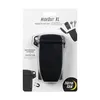
Nite Ize Hideout Magnetic Key Box, Extra Large – $15.50
The “Alternatives” section above mentions stashing a spare key in a magnetic box under the car — this is the waterproof version of exactly that, so you never need the card trick in the first place.
- Best for: under-car or outdoor storage in any weather
- Why we picked it: IPX7 waterproof rating and strong neodymium magnets hold to any metal surface, car or house
- Main drawback: the extra-large size holds more but is bulkier to hide than a slim key holder
Compare more spare-key storage options
 Option 1 Master Lock Magnetic Key Holder – $4.95
|
 Option 2 Magnetic Key Lock Box, 4-Digit Combo – $19.99
|
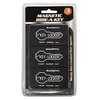 Option 3 IIT Magnetic Hide Key, 3-Piece – $6.99
|
As an Amazon Associate we earn from qualifying purchases.
My Biggest Takeaway
The card trick is a lifesaver in a pinch, but it’s not foolproof. It works best on older cars and simple interior doors with spring latches. The key is patience and knowing your lock type.
“I’ve used this method three times now — twice on my car and once on my office door — and each time, I got better at it. Practice makes perfect, but don’t practice on someone else’s property.”
— Our team, from firsthand use of this technique
Frequently Asked Questions
What kind of card works best for unlocking a door?
A sturdy, flexible plastic card, like an old credit card, gift card, or laminated ID, works best. Avoid flimsy cards or active bank cards to prevent damage.
Can I use this method on any car?
No, it works best on older cars with spring latch locks. Modern cars with electronic or shielded locks are usually too secure for this trick.
Is it legal to open a locked door with a card?
Yes, it’s legal on your own property, like your car or home. Using it on someone else’s property without permission could result in legal trouble.
What should I do if the card trick doesn’t work?
Try a different card, double-check the lock type, or use an alternative like a coat hanger or tennis ball on older cars. If all else fails, call a locksmith or check for a spare key.
Can I damage my door or lock by using a card?
Yes, forcing the card too hard can bend the frame or damage the lock. Be gentle and stop if it feels like you’re straining the mechanism.
Does the card trick work on doors that open inward, like most bedrooms?
Usually not from the outside. The trick needs access to the side of the door without the door stop, which is typically the outside of outward-opening doors — most inward-opening bedroom and bathroom doors block that access from the hallway side.
Conclusion
Opening a locked door with a card works only on spring-latch locks, not deadbolts, and only from the side without the door stop. Check your lock type first, use a sturdy card, and stay patient — force it and you risk a bent card or a damaged frame.
If it doesn’t work, there are always other ways back in: a locksmith, a spare key, or a stored magnetic key box. Just remember — only ever try this on your own property.
Sponsored / affiliate links. As an Amazon Associate I earn from qualifying purchases. I may earn additional commission from eligible campaigns.