Why Won’t My Door Latch? A Homeowner’s Guide to Fixing a Stubborn Door
A door usually won’t latch because the strike plate is misaligned, the hinges are loose, or humidity above 50% has swollen the wood — not because the lock itself is broken. An unfixed latch lets a door swing open on its own, which is a real security gap, not just an annoyance. This guide covers diagnosing the exact cause with the lipstick test, then fixing the strike plate, hinges, warped wood, or worn latch mechanism.
Understanding How a Door Latch Works
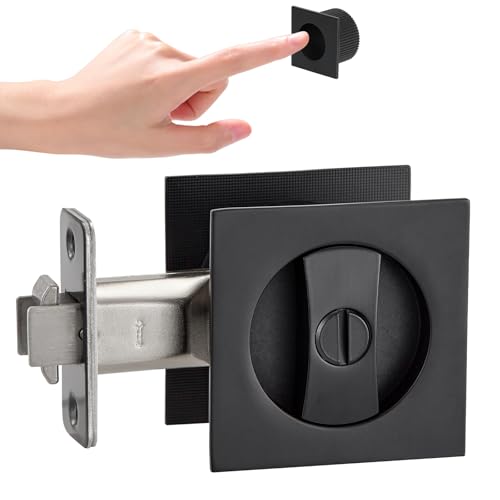
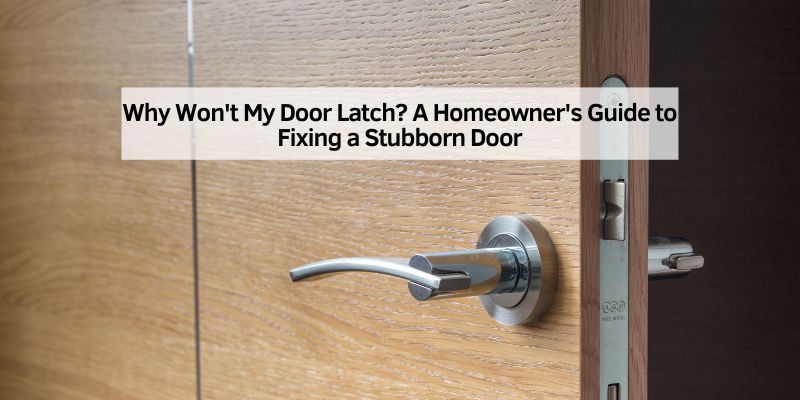
Before we figure out why your door won’t latch, let’s talk about how a door latch actually works — for a full breakdown of every part, see our guide to door lock parts. A door latch is a simple mechanism, but it’s got a few key parts. The latch bolt, that little piece that sticks out from the edge of the door, slides into a strike plate on the door frame when you close the door. The strike plate is a metal piece with a hole that catches the latch bolt, keeping the door shut. When you turn the knob or handle, it pulls the latch bolt back, letting the door open. If you’re also dealing with hardware that looks worn out, our door knob guide covers the different types and how they pair with a latch.
If any part of this setup isn’t aligned or working properly, the latch won’t catch, and your door won’t stay closed. Let’s explore the most common reasons this happens and how to fix them.
Misaligned Strike Plate and Latch Bolt
One of the most common reasons a door won’t latch is that the strike plate and latch bolt aren’t lining up. This happened to me with my front door a while back. I’d close it, but the latch wouldn’t catch, and the door would swing back open. After some poking around, I realized the strike plate was slightly off.
Misalignment can happen for a few reasons. Over time, your house settles, and door frames can shift slightly. This can throw the strike plate and latch bolt out of sync. Or maybe the door was installed incorrectly, or screws have loosened over time. Whatever the cause, the fix is usually straightforward.
How to Diagnose a Misaligned Strike Plate
- Close the door slowly: Watch how the latch bolt approaches the strike plate’s hole — does it slide in, or hit the edge?
- Run the lipstick test: Dab a bit of lipstick or chalk on the latch bolt, close the door normally, then open it and check where the mark landed on the strike plate.
- Compare the mark to center: If the mark sits off-center, that’s the exact direction the strike plate needs to move.
To fix it, grab a screwdriver and loosen the screws on the strike plate. Shift the plate up, down, or sideways until the latch bolt fits snugly into the hole. Tighten the screws and test the door. If the misalignment is severe, you might need to file down the strike plate’s hole with a metal file to make it larger. Standard residential strike plates measure about 2-3/4 inches tall with a 1-inch latch opening — if your plate is a different size than that, it may be worth replacing outright rather than filing.
One cause that’s easy to miss: a bent strike plate tab. Some strike plates have a small metal lip behind the latch hole, and if that tab gets bent too far outward, the latch bolt can’t seat against it even when the plate itself is perfectly aligned. Slide a flathead screwdriver behind the tab and gently bend it back inward, or tap it lightly with a hammer, then test the door right away.
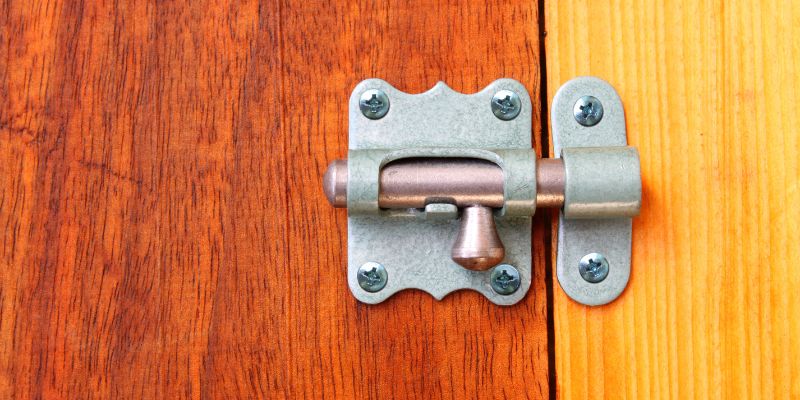
Best Strike Plate Fix Pick
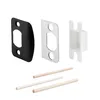
MOSECYOU Standard Door Strike Plate with Spacer Shims – $7.99
Comes with stainless shim plates for the exact clearance adjustment this guide walks through, plus wood dowels for filling stripped screw holes — the same fix described above for loose hinge screws.
- Best for: Seasonal misalignment or a door frame that has shifted slightly
- Why we picked it: Shims solve clearance issues without filing the strike plate hole larger
- Main drawback: Standard size only — measure your existing plate first
Compare more strike plate options
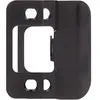 Option 1 Adjustable Strike Plate, Matte Black – $9.90
|
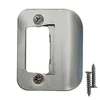 Option 2 Gator 2-1/4″ Latch Restorer, Satin Nickel – $13.99
|
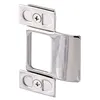 Option 3 Prime-Line U 9488 Adjustable Strike – $4.01
|
As an Amazon Associate we earn from qualifying purchases.
Loose or Wobbly Door Hinges
Another culprit could be loose hinges. I learned this the hard way when my bedroom door started acting up. It wouldn’t latch, and I noticed the door was sagging slightly. The hinges were loose, causing the door to hang unevenly and throwing the latch off.
Hinges hold your door in place, so if they’re loose, the door can tilt, making it impossible for the latch to catch the strike plate. Check the hinges by wiggling the door. If it moves more than it should, the screws need tightening. Grab a screwdriver and tighten each screw on both the door and frame sides of the hinges.
Sometimes, the screw holes are stripped, meaning the screws can’t grip the wood anymore. This happened to me with an old door in my house. The fix? I removed the loose screw, stuffed the hole with a wooden toothpick or matchstick (with the flammable end broken off), and screwed the screw back in. The wood fills the gap, giving the screw something to grip. For a more permanent repair, swap the short factory screw for a 3-inch screw that reaches into the wall framing behind the door jamb — it grips solid wood instead of just the thin jamb.
If the hinges themselves are damaged or bent, you might need to replace them. It’s not a big job—just unscrew the old hinges, swap in new ones that match the size and shape, and screw them into place. Make sure the new hinges are aligned properly to avoid creating new problems.
Warped Door or Frame
Sometimes, the door or frame itself is the issue. Wood doors can warp over time, especially if they’re exposed to moisture or extreme temperature changes. My back door had this problem after a particularly humid summer. The wood swelled, and the latch no longer reached the strike plate.
To check for warping, look at the door from the side. Does it look bowed or curved? You can also use a level to see if the door or frame is out of square. If the door is warped, you might be able to sand down the high spots with sandpaper or a hand planer. Focus on the edges where the door is sticking or failing to latch. Be careful not to take off too much wood—you just want to even it out.
If the frame is warped, it’s trickier. You might need to adjust the strike plate as described earlier or, in extreme cases, replace part of the frame. For minor warping, shimming the hinges can help. Add a thin piece of cardboard or a metal shim behind the hinge to adjust the door’s angle slightly. It’s a bit of trial and error, but it can save you from replacing the whole door.
Damaged or Worn Latch Mechanism
Sometimes, the latch itself is the problem. The latch mechanism inside the door handle or knob can wear out, especially in older doors or ones that get a lot of use. I had this issue with my garage door. The latch bolt wouldn’t extend fully, so it couldn’t catch the strike plate.
To check the latch, remove the door handle or knob (usually just a couple of screws on the inside of the door). Pull out the latch assembly and inspect it. Is the bolt moving smoothly when you turn the knob? If it’s sticky or doesn’t extend fully, the internal spring might be broken or gunked up with dirt.
Try cleaning the latch with a bit of WD-40 or a similar lubricant. Spray it into the mechanism, work the bolt back and forth, and wipe away any excess. If that doesn’t help, the latch might be damaged and need replacing. Take the old latch to a hardware store, or see our guide to removing a stuck door latch for getting the old one out cleanly. Installing a new one is simple—just slide it into the door, secure it with the included screws, and reattach the handle.
Incorrect Latch or Strike Plate Size
Not all latches and strike plates are created equal. If your door was replaced or the latch was swapped out at some point, you might have a mismatch. I ran into this when I tried to replace a doorknob on an older door. The new latch was too short to reach the strike plate, and no amount of adjusting fixed it. Our guide to latch bolt orientation is worth checking too — a latch installed facing the wrong way will never seat correctly, no matter how well the strike plate is aligned.
To check, measure the distance from the edge of the door to the center of the latch bolt. Then, measure the depth of the strike plate’s hole. If the latch bolt is too short or the strike plate’s hole is too shallow, they won’t connect properly. You can replace the latch with one that has a longer bolt or deepen the strike plate’s hole with a chisel or drill. Just go slowly to avoid damaging the frame.
Seasonal Changes and Weather Effects
Temperature and moisture swings mess with wood doors more than most people expect. My front door latches perfectly in the fall but acts up in the summer when the wood swells. Seasonal changes can cause the door or frame to expand or contract, throwing off the latch alignment.
📊 Indoor relative humidity outside the 30–50% range is enough to swell a wood door and knock its latch out of alignment. — Source: Purdue University Extension
If this is the issue, you’ll likely notice the problem is worse at certain times of the year. For temporary fixes, adjust the strike plate as needed during humid or dry seasons. For a more permanent solution, a dehumidifier or a properly sealed door (stain, top coat, or primer and paint) slows moisture absorption, though no finish fully stops it — controlling indoor humidity is what actually solves the swelling. If the door is old and prone to warping, replacing it with a fiberglass or steel door might be worth the investment.
Table: Common Causes and Fixes for a Door That Won’t Latch
| Issue | Signs | Fix |
|---|---|---|
| Misaligned Strike Plate | Latch hits the edge of the strike plate | Adjust strike plate position or file the hole larger |
| Bent Strike Plate Tab | Plate looks aligned, but the bolt still won’t seat | Bend the tab inward with a flathead screwdriver |
| Loose Hinges | Door sags or wobbles | Tighten screws or fill stripped holes with toothpicks or 3-inch screws |
| Warped Door or Frame | Door looks bowed or uneven | Sand down high spots or shim hinges |
| Damaged Latch Mechanism | Latch bolt doesn’t move smoothly | Clean with lubricant or replace the latch assembly |
| Incorrect Latch Size | Latch bolt too short to reach strike plate | Replace with a longer latch or deepen the strike plate hole |
| Seasonal Changes | Latch issues vary by season | Adjust strike plate or control indoor humidity (30–50%) |
Tips for Preventing Future Latch Problems
Once you’ve got your door latching properly, you’ll want to keep it that way. Regular maintenance can prevent these issues from popping up again. Here’s what I do to keep my doors in top shape:
- Check Screws Regularly: Every few months, grab a screwdriver and make sure the hinge and strike plate screws are tight. It takes two minutes and can save you a headache later.
- Lubricate the Latch: A quick spray of WD-40 on the latch bolt every year keeps it moving smoothly. Wipe off any excess to avoid attracting dirt.
- Monitor Humidity, Not Just the Calendar: Keep indoor relative humidity between 30% and 50% if you can — that range prevents most of the wood swelling that throws off a latch.
- Upgrade Old Hardware: If your door or latch is ancient, consider replacing it with modern, durable hardware. It’s a small investment for long-term peace of mind.
When to Call a Professional
Most latch issues are DIY-friendly, but sometimes the problem is bigger than a quick fix. If you’ve tried everything and the door still won’t latch, or if the frame or door is severely damaged, it might be time to call a professional.
“My exterior door frame cracked after years of wear — I tried adjusting the strike plate first, but once the wood itself had failed, no amount of shimming fixed it. A carpenter fixed it in a day, and it was worth every penny for the peace of mind.”
Look for a local handyman or locksmith who specializes in door repairs. They’ll have the tools and expertise to handle tricky issues like structural damage or complex latch mechanisms. If you’re not sure where to start, ask neighbors for recommendations or check online reviews.
Frequently Asked Questions
Why does my door latch work sometimes but not others?
This usually happens because of seasonal changes. Wood doors and frames can swell or shrink with humidity or temperature shifts, causing the latch to misalign. Try adjusting the strike plate slightly during problem seasons or adding weatherstripping to stabilize the door.
Can I fix a warped door without replacing it?
Yes, you can often fix a warped door by sanding down high spots or shimming the hinges to adjust its angle. If the warping is severe, though, replacing the door might be the best long-term solution.
How do I know if my latch mechanism is broken?
Remove the door handle and inspect the latch assembly. If the bolt doesn’t move smoothly or feels stuck, it might be dirty or damaged. Try cleaning it with WD-40. If that doesn’t work, replace the latch.
What if the strike plate tab is bent, not misaligned?
A bent strike plate tab is different from misalignment — the metal lip inside the plate is angled too far out, so the latch bolt can’t seat against it even when the plate itself lines up correctly. Slide a flathead screwdriver behind the tab, bend it gently inward, and test the door right away.
What tools do I need to fix a door that won’t latch?
You’ll likely need a screwdriver, a metal file, sandpaper, a chisel, and maybe some WD-40. For more complex fixes, a level or hand planer can help. Most of these are common household tools.
Is it expensive to hire someone to fix my door?
It depends on the issue. Simple fixes like adjusting a strike plate might cost $50–$100, while replacing a door or frame could run a few hundred. Get quotes from local professionals to compare.
Conclusion
Dealing with a door that won’t latch can feel like a small annoyance that turns into a big frustration. But most issues are simpler than they seem. Whether it’s a misaligned strike plate, loose hinges, or a warped door, you can usually solve the problem with a few basic tools and a bit of patience. By understanding how your door’s latch works and checking each potential cause step-by-step, you’ll have that door closing smoothly in no time — and with a little maintenance, it’ll stay that way.
Grab your screwdriver and tackle that stubborn door. And if you run into trouble, don’t hesitate to call in a pro — a working door isn’t just about convenience, it’s about keeping your home secure.
Sponsored / affiliate links. As an Amazon Associate I earn from qualifying purchases. I may earn additional commission from eligible campaigns.