Lever Handle vs. Knob for Security: Which Is Better?
Standards and sources used in this guide: BHMA/ANSI lock hardware grades, ADA door-operability guidance, FBI burglary/forced-entry reporting, and door-reinforcement recommendations from primary industry references such as the Door and Hardware Institute and the International Code Council.
For exterior doors, a knob takes more effort to turn and a lever is easier to use; neither changes security much without a quality deadbolt and a reinforced frame. Ignore that, and the weak point is usually the strike side, where loose hardware and a thin jamb make forced entry easier. This guide compares security, accessibility, and style for front, side, and rental doors, then shows how to choose hardware that stays practical.
| Decision factor | Lever Handle | Knob for Security | Winner |
|---|---|---|---|
| Everyday operation | Simple push-down motion. Easier for small hands and limited grip strength. | Requires grip and twist. Compact, but more hand strength is needed. | Lever Handle |
| Exterior-door fit | Works well only as a keyed entry lever on an exterior door. | Works well only as a keyed entry knob on an exterior door. | Tie |
| Security depends on installation | Security depends on lock cylinder quality, deadbolt, strike plate, and frame. | Security depends on the same components, not the round shape alone. | Tie |
| Accessibility and aging-in-place | Less grip strength needed. Easier for children and older adults. | Harder to grasp and twist for some users. | Lever Handle |
| Traditional look | More contemporary in many homes. | Often preferred for a classic, compact look. | Knob for Security |
| Best fit when the deadbolt and frame are already strong | Good if the household values ease of use and proper keyed entry. | Good if the household wants compact styling and easy grasp is not a concern. | Tie |
How each handle works
Lever operation and keyed entry options
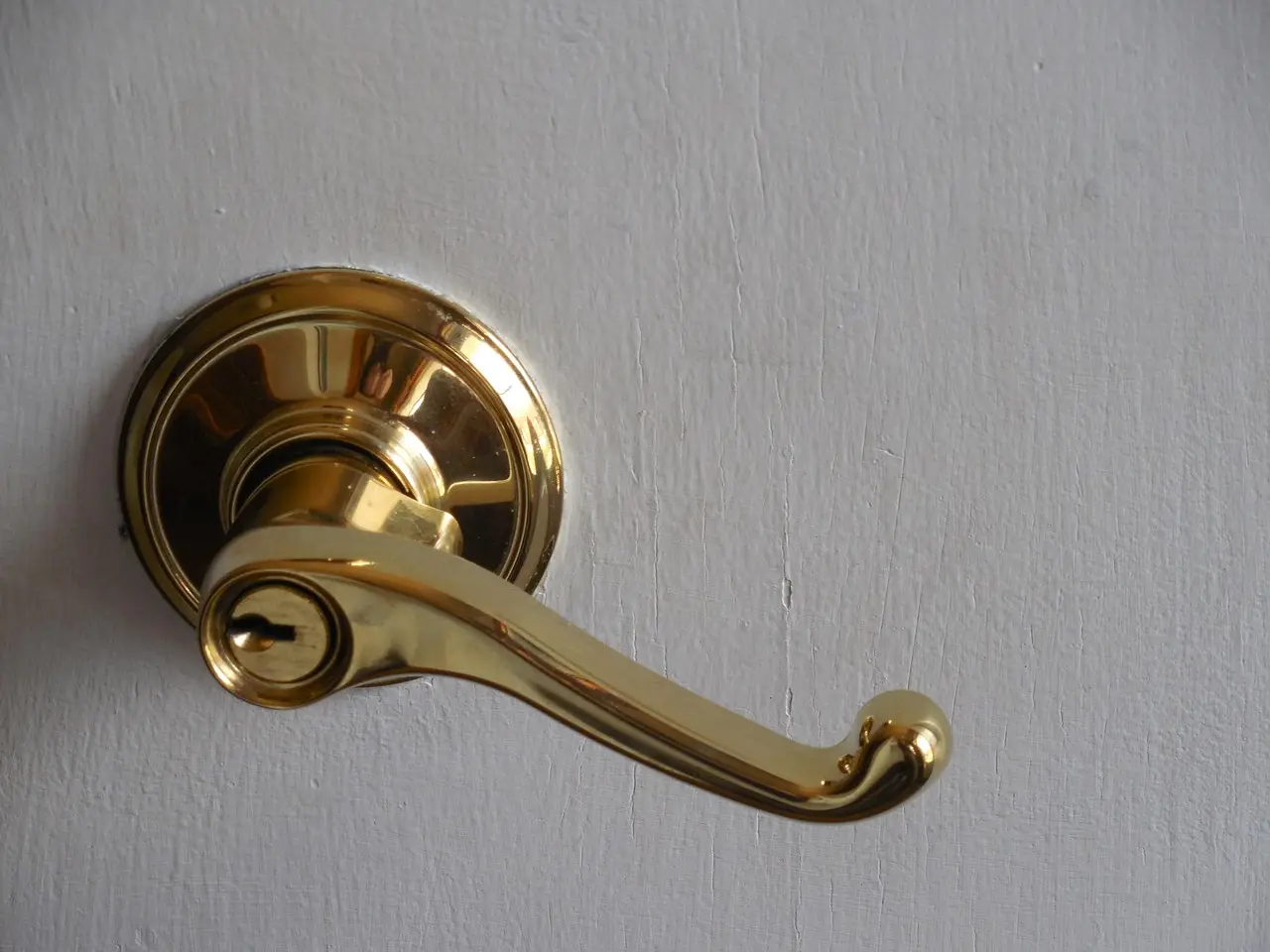
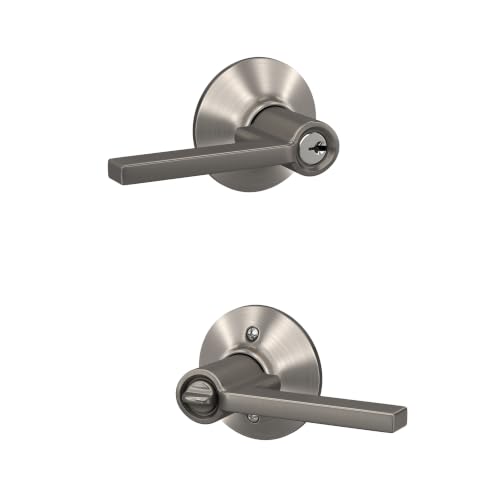
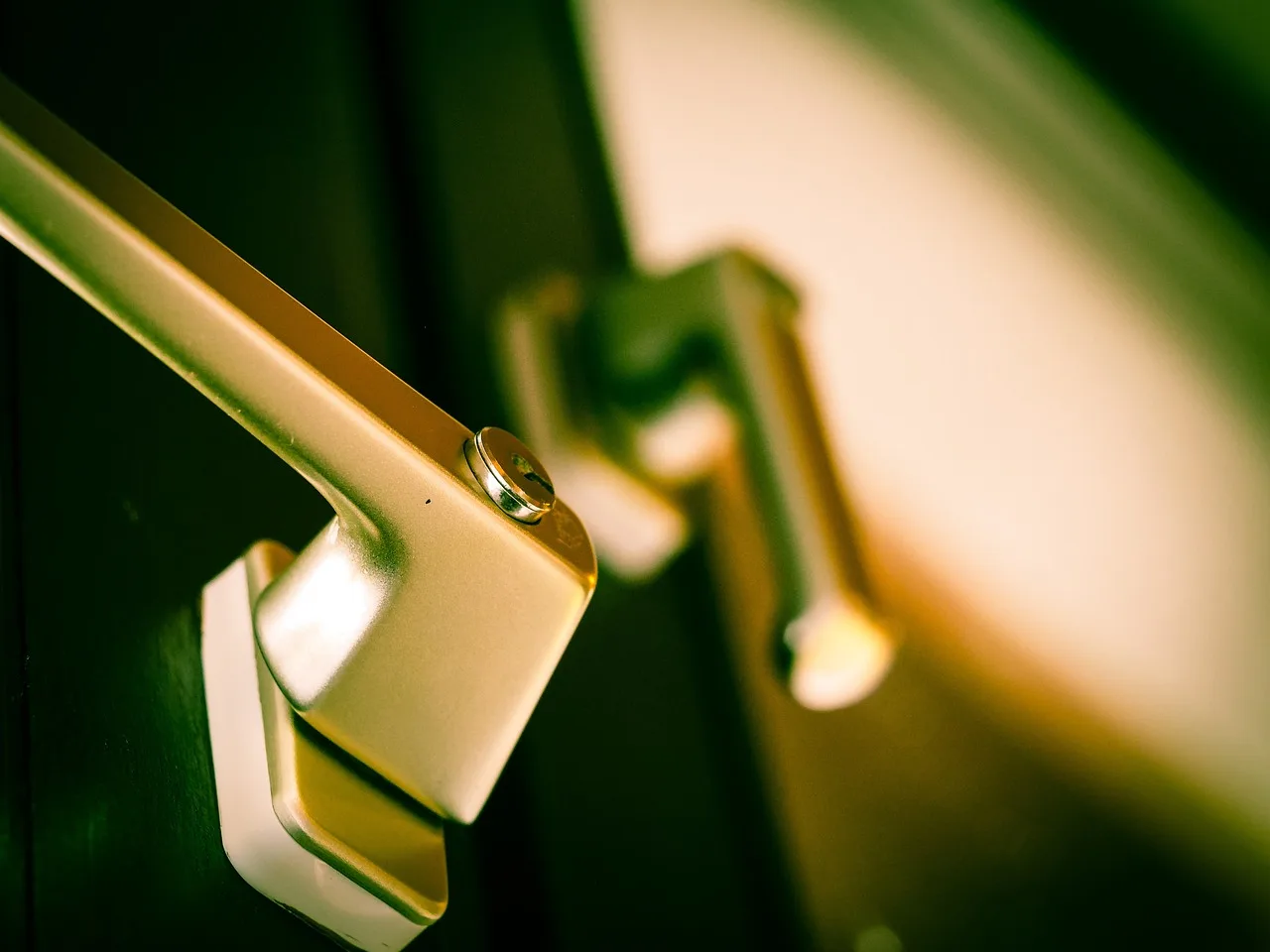
A door lever uses a downward push, so it opens with less grip than a knob. For exterior doors, only a keyed entry lever belongs on the outside; passage and privacy levers are for interior use and should not be treated as entry hardware. ADA-style operability guidance favors hardware that can be operated without tight grasping, pinching, or twisting, which is why levers are often easier to use on busy entries (ADA Standards for Accessible Design, 404.2.7; ICC A117.1).
That difference matters because the handle type and the function are separate. A keyed entry lever can lock by key from the outside, and it can be used with a deadbolt much like a keyed knob can.
Knob operation and keyed entry options
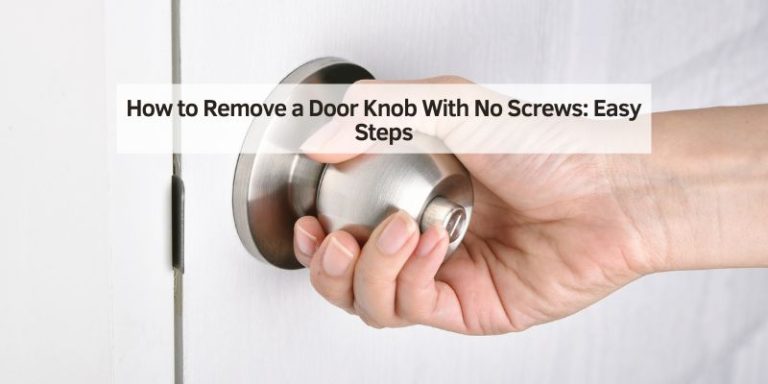
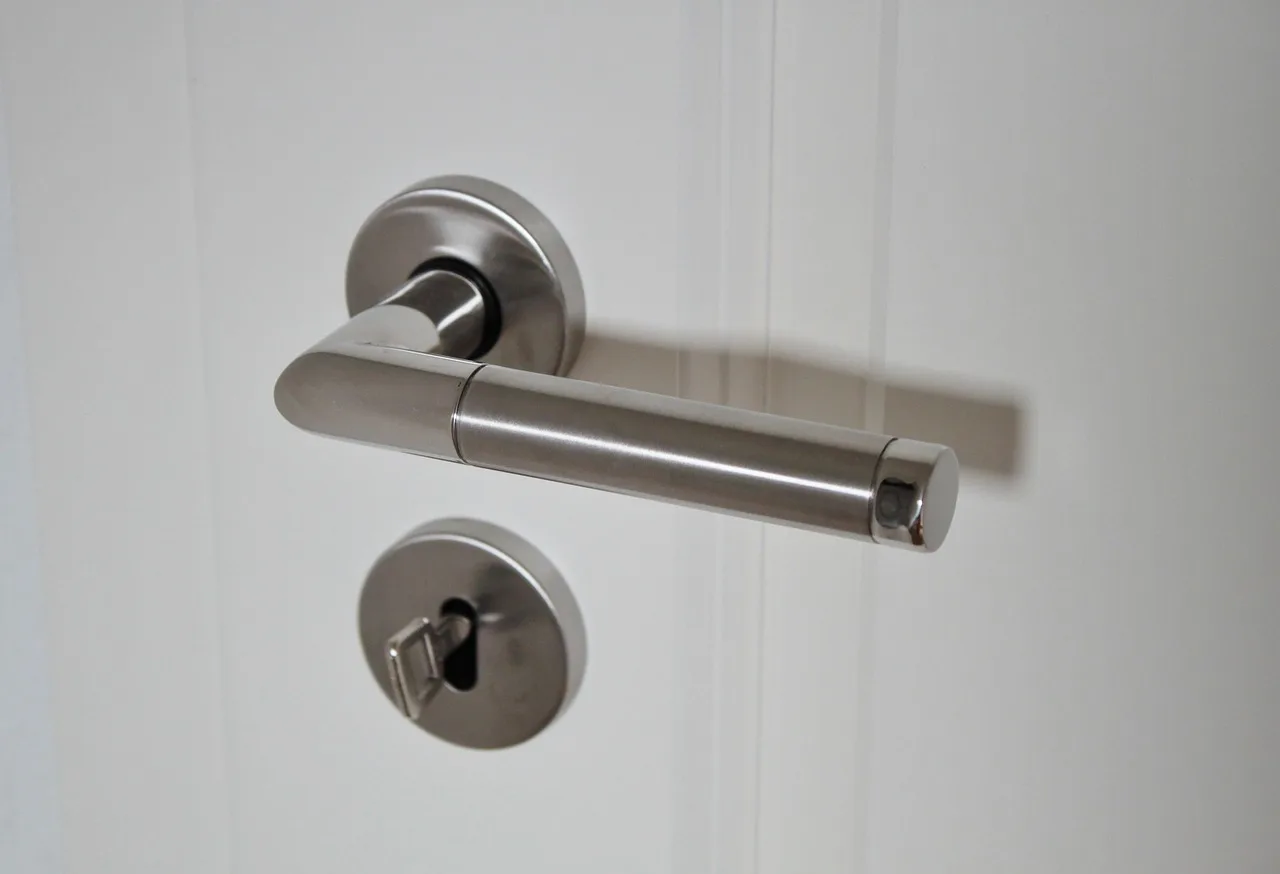
A knob works by grip and twist. Homebuilders Hardware notes that knobs require a twisting motion, which makes them less convenient for people with limited hand strength. On an exterior door, that generally means using a keyed entry knob rather than a passage or privacy knob.
The round shape does not make the door meaningfully secure by itself. It mainly changes how the door feels to use and how much grip is needed every time you open it.
Why operation affects everyday security
A handle that is hard to operate can create a security problem in practice. People may leave a door unlocked because it is awkward to use, or they may avoid the entrance that is hardest to manage. That is one reason the better option is often the one the household can use reliably.
Suppose a side door gets used ten times a day by a grandparent who has arthritis. A keyed lever can reduce fumbling and make regular locking more likely, while a knob may be left unlatched more often because it is harder to grasp and turn.
Lever Handle vs knob for security checklist
| Household need | Security implication | Best hardware choice | Upgrade priority |
|---|---|---|---|
| Kids or older adults need easy daily use | Less grip strength reduces missed latching and lock misuse. | Lever Handle | Use a quality keyed entry set with a deadbolt first. |
| Rental with mixed tenants and simple upkeep | Fast operation helps people actually lock the door every time. | Lever Handle | Reinforce the strike plate and use longer screws. |
| Front door already has a deadbolt and reinforced strike plate | Handle shape becomes secondary, installation quality carries more weight. | Tie | Check cylinder grade and jamb reinforcement next. |
| Front door lacks a deadbolt | The latch set alone is not enough for exterior security. | Tie | Add a single-cylinder deadbolt immediately. |
| Side or rear door with frequent entry | Reliable operation matters, but the door still needs forced-entry protection. | Lever Handle | Upgrade the strike plate and frame before worrying about style. |
| Traditional look is the top design goal | Style can guide the choice after the security base is covered. | Knob for Security | Keep the deadbolt and frame upgrades in place. |
Which is better for security?
Neither handle shape wins on security by itself. A keyed entry lever and a keyed entry knob can both work on an exterior door, but the deadbolt, strike plate, frame, and lock cylinder do more to resist forced entry than the outside handle shape does. FBI burglary data consistently shows that entry points, including exterior doors, remain a major burglary route, which is why the whole door assembly matters more than the trim style (FBI Uniform Crime Reporting / burglary offense reporting).
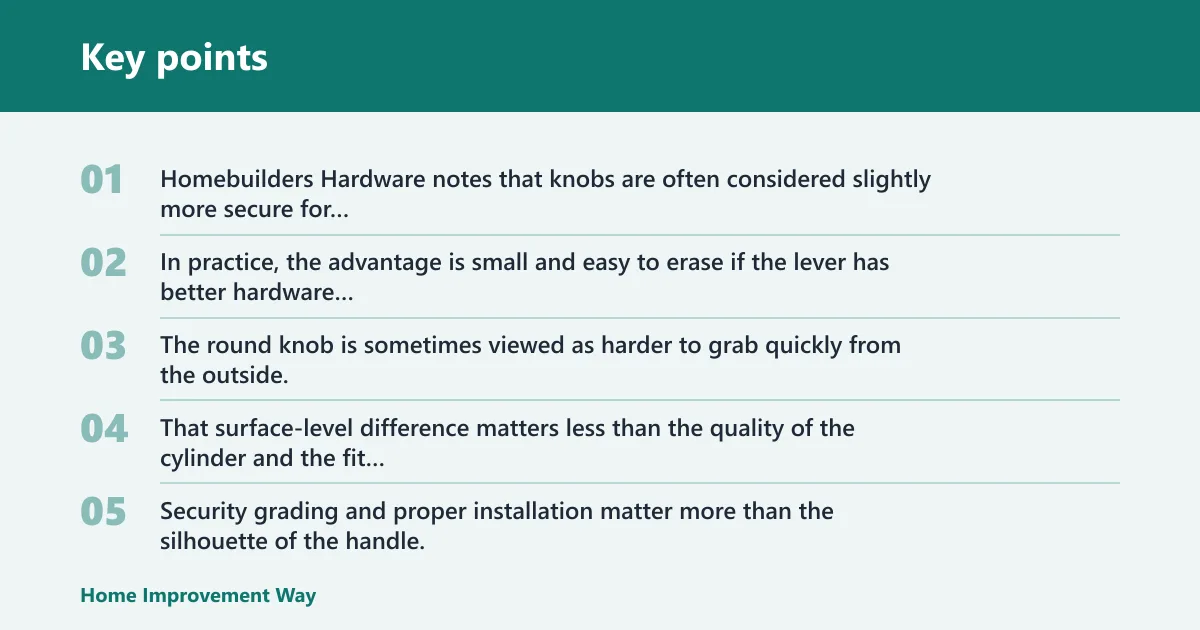
The same source notes that knobs are often considered slightly more secure for external doors, but that is a narrow statement. In practice, the advantage is small and easy to erase if the lever has better hardware quality or the knob is poorly installed.
Handle shape versus lock quality
The round knob is sometimes viewed as harder to grab quickly from the outside, while a lever may look easier to manipulate. That surface-level difference matters less than the quality of the cylinder and the fit of the latch in the frame.
Security grading and proper installation matter more than the silhouette of the handle. A good keyed entry set with a quality cylinder is better than a better-looking handle on a weak door. BHMA/ANSI grades are the more useful comparison point: Grade 1 is the highest residential/commercial duty rating, followed by Grades 2 and 3, with higher grades indicating stronger performance expectations for cycles, security, and durability (BHMA/ANSI A156 series).
What a keyed entry set changes
A keyed entry lever or knob gives you outside locking by key, which is the minimum exterior-door function. It does not, by itself, create strong security. The lock still needs a deadbolt to provide the main barrier.
That is why the useful comparison is not lever versus knob alone. It is keyed lever with a strong deadbolt and frame work versus keyed knob with the same upgrades.
When a knob can still be the better pick
A knob can be the better choice when style matters, grip strength is not a concern, and the door already has proper reinforcements. In that case, the compact profile may fit the home better without giving up security performance.
Picture a formal front entry that already has a single-cylinder deadbolt, a reinforced strike plate, and a solid jamb. A keyed knob can fit the look while the real security comes from the rest of the system.

What matters more than the handle?
The deadbolt matters more than the handle, and the strike side of the door often matters more than either one. FBI crime reporting and burglary studies have long shown that residential burglaries commonly involve exterior door entry, with the front door remaining a frequent access point; that is why the door assembly deserves more attention than the handle finish alone.
That is why security work should start with the door system, not with the handle. A good handle on a weak frame is still a weak entry point.
Deadbolt as the main barrier
Use a single-cylinder deadbolt on exterior doors. That is the primary security layer, and it should be paired with either a keyed lever or a keyed knob. Without it, the latch set is doing work that belongs to the deadbolt.
For most homes, the handle choice is a secondary decision after the deadbolt type and quality are set.
Strike plate strength and screw length
Standard strike plates often use short screws that bite only into the jamb trim or shallow framing. Security best practice is to anchor the strike plate with longer screws that reach the structural framing behind the jamb, which improves resistance to kicking and prying (Door and Hardware Institute guidance; common residential reinforcement practice).
That small change helps transfer force into the framing behind the jamb instead of into weak wood near the surface. It is one of the simplest upgrades a homeowner can make.
Door frame and jamb reinforcement
The door frame and jamb are often the parts that fail first. If the strike side gives way, the handle style no longer matters. A reinforced strike plate, longer screws, and a solid jamb all help the door resist a kick or pry attempt.
If you are choosing between a lever and a knob, but the strike plate is loose and the frame is thin, the hardware choice is the wrong first question.
Installation quality and cylinder grade
Installation quality matters because a keyed entry lock only works as well as the way it is mounted. Loose screws, misaligned latches, or a weak strike side can cancel out the benefit of a better handle.
Choose a quality lock cylinder, then make sure the deadbolt and latch are set into a reinforced frame correctly. For a quick quality screen, BHMA/ANSI Grade 1 hardware is the strongest benchmark, Grade 2 is a midrange residential option, and Grade 3 is the lowest duty level commonly encountered on basic residential sets.
Lever vs knob for accessibility
Levers are easier for children, older adults, and anyone with limited grip strength. Knobs require grip and twist, while levers use a simple push-down motion. That makes levers the better choice when accessibility or aging-in-place is part of the decision. ADA-style guidance reflects the same principle by favoring operable parts that do not require tight grasping or twisting (ADA 404.2.7).
Accessibility does not weaken security when the rest of the door is built correctly. It can improve it, because people are more likely to lock and relock a door they can operate comfortably.
Kids and older adults
Children often manage a lever more easily than a knob, especially on a heavy exterior door. Older adults, especially those with arthritis or reduced hand strength, may also find a lever easier to use every day.
That ease of use can matter more than the slightly more traditional look of a knob if the entry is used often.
Aging-in-place needs
If the house needs to stay usable over time, a lever is usually the practical pick. A handle that requires less grip and less twisting is easier to live with as hand strength changes.
That is especially true on the main entrance, where the door gets used several times a day.
Emergency egress and fast operation
In a hurry, a lever is usually faster to operate than a knob. That can matter for exits that need quick, low-effort use. It is also one reason levers are common on many exterior and interior doors.
Fast operation does not replace security hardware, but it does help the door work the way people need it to work when time is short.
Lever vs knob for front and side doors
For a front door, the safest choice is the one you can use reliably with a keyed entry set, a single-cylinder deadbolt, and a reinforced strike side. For a side or rear door, the same rule applies, but the convenience of a lever often carries more weight because those doors see frequent use.
Front doors
Use whichever style fits the household best, but do not choose a privacy or passage version. The front door should generally have a keyed entry lever or keyed entry knob, along with a deadbolt and a reinforced strike plate.
If the front entry is the home’s main public-facing door, style matters after the security base is covered.
Side and rear doors
Side and rear doors are often the doors people use most, so easy operation matters. A lever can make daily locking more dependable, which is useful in busy households and rental settings.
Because these doors are also common entry points, the same reinforcement steps still apply.
Rentals and mixed-skill situations
Rentals often include different users, different hand strength, and different habits. A lever is usually the more forgiving choice because it is easier to operate correctly, but the owner should still make the deadbolt and frame the first upgrade.
That order matters. A convenient handle with poor reinforcement does not solve the real security problem.
Choose Lever Handle if… / Choose Knob for Security if…
Choose Lever Handle if the door needs easier operation, the household includes children or older adults, or the entrance gets used often enough that grip and twist would become a nuisance. Choose Knob for Security if the style is more important, the door already has a strong deadbolt and reinforced strike side, and no one in the home needs low-effort operation.
- Choose Lever Handle if aging-in-place, rental turnover, or limited grip strength is part of the use case.
- Choose Lever Handle if you want faster day-to-day operation on a keyed exterior door.
- Choose Knob for Security if you prefer a compact, traditional look and the door is already properly reinforced.
- Choose either only when the door also has a quality single-cylinder deadbolt, a reinforced strike plate, and long screws into a solid jamb.
Frequently asked questions
Are door levers more secure than door knobs?
No, not by shape alone. A keyed lever and a keyed knob can both be used on an exterior door, and security depends far more on the deadbolt, strike plate, frame, and cylinder quality. A lever is usually chosen for easier operation, not stronger resistance by itself.
Is a keyed lever as secure as a keyed knob?
Yes, when both are quality keyed entry hardware and both are installed correctly. The outside handle shape is not the main security layer. If the deadbolt and strike side are weak, a keyed knob does not solve the problem, and a keyed lever does not make it worse.
Should I use a lever or knob on my front door?
Use the style that the household can operate most reliably, then pair it with a deadbolt and reinforced frame. A lever is usually better for accessibility, while a knob may suit a traditional front entry. The handle should fit the users after the security base is covered.
Do I still need a deadbolt with a lever or knob?
Yes. The deadbolt is the primary exterior-door security layer, regardless of handle style. A lever or knob handles everyday entry, but it should not be expected to provide the main resistance against forced entry.
Which is easier to use for kids or older adults, a lever or knob?
A lever is easier because it uses a simple push-down motion and needs less grip strength. That matters for children, older adults, and anyone with limited hand strength. Easier operation can also improve real-world security because people are more likely to lock the door consistently.
Can a door lever be used on an exterior door?
Yes, as long as it is a keyed entry lever. Passage and privacy levers are for interior use and should not be used as exterior-door hardware. For outside doors, pair the lever with a deadbolt, reinforced strike plate, and a strong frame.
What matters more for security: the handle or the deadbolt?
The deadbolt matters more. The handle style is secondary, while the deadbolt, strike plate, screw length, jamb strength, and lock cylinder quality do most of the real security work. Handle choice should follow the security hardware, not replace it.
Are door knobs harder to force open than levers?
Not in a meaningful way if the rest of the door is weak. Some people consider knobs slightly more secure for external doors, but a weak strike side or poor installation will fail before the handle shape becomes relevant. Reinforcement and lock quality matter more than the outside profile.
Sponsored / affiliate links. As an Amazon Associate I earn from qualifying purchases. I may earn additional commission from eligible campaigns.