Door Handle Lock vs. Deadbolt: What to Rely on
Use a deadbolt for the main exterior-door lock, and treat the handle lock as the day-to-day access piece. A poor choice can leave the opening easy to force, out of alignment, or locked in a way that feels secure without adding much resistance. This guide compares both lock types and shows how door material, strike reinforcement, and installation decide what really protects the opening.
| Factor | Door Handle Lock | Deadbolt | Winner |
|---|---|---|---|
| Resistance to forced entry | Lower. Handle locks often use a spring latch that can be bypassed with a thin flat tool. | Higher. The bolt is separate, not spring-loaded, and extends farther into the jamb. | Deadbolt |
| Dependence on door and frame quality | High. Loose fit, weak strike hardware, or a weak jamb can defeat the setup quickly. | Also high, but the stronger bolt gives more margin when the door and frame are solid. | Deadbolt |
| Convenience and daily use | Better for quick access and frequent passage. | Requires a separate action to lock and unlock. | Door Handle Lock |
| Emergency exit risk | Usually lower if the door opens with a simple inside action. | Single-cylinder: lower risk. Double-cylinder: higher risk because a key is needed on both sides. | Door Handle Lock |
| Best fit for exterior doors | Works as a convenience lock, not the main security control. | Best primary lock for exterior doors, especially on the main entry. | Deadbolt |
How the two locks secure the door
For an exterior door, the deadbolt is the security control, and the handle lock is the convenience layer. Family Handyman says a deadbolt is the clear security winner for exterior doors, and it describes deadbolt barrels that extend an inch or more into the jamb, compared with knob-lock barrels that are only half-to-three-quarter-inch long. (Familyhandyman)
That depth matters because the bolt or latch has to survive the door, the jamb, and the strike plate as one system. A spring latch can be popped more easily than a deadbolt, but a deadbolt still depends on the frame and strike staying tight and aligned.
How each lock holds the door
A handle lock is often an integrated lockset with the lock built into the handle or lever. Locstar identifies handle locks as a common lock type and notes that they are relatively less secure and susceptible to prying attacks. On many doors, the locking part is paired with a spring latch, which is beveled and spring-loaded.
A deadbolt works differently. It uses a separate bolt that is not spring-loaded, so the door stays secured by the extended barrel rather than by a spring tension latch. The same source notes that deadbolts are not spring-loaded, which is one reason they resist forcing better than a spring latch.
Where the jamb and strike plate matter
The door jamb is where the latch or bolt lands, so security depends on more than the lock body. The strike plate is the metal reinforcement at the jamb, and its fit, screw length, and alignment affect how well the lock holds under pressure.
Suppose a solid exterior door has a deadbolt, but the strike plate is thin and the screw holes are stripped. The bolt may be strong, yet the frame can fail first. In that case, upgrading the strike plate and the surrounding jamb can matter more than swapping to a fancier handle set.
Which is more secure, a handle lock or a deadbolt?
A deadbolt is more secure for most exterior doors because its bolt extends farther into the jamb and does not rely on a spring latch. The same source says a deadbolt is the clear security winner for exterior doors, while spring-latch locks may be bypassed with a thin flat tool.
The difference is not only the lock style. A weak frame, loose door fit, or worn strike can lower the value of either lock. A deadbolt gives you a stronger starting point, but it does not erase problems in the door construction around it.
Why spring latches are easier to defeat
Spring latches hold the door shut, but they are designed for convenience. Because the beveled latch retracts under pressure, a thin tool can sometimes push it back if the door gap, alignment, or strike condition is poor.
That failure mode matters on exterior doors, where forced entry is the concern. A handle lock with a spring latch is fine for many interior uses, but it is a weaker main barrier when the opening faces the street or another accessible path.
Why deadbolt depth matters
The same source says a deadbolt barrel extends an inch or more into the jamb, while a knob lock barrel is half-to-three-quarter-inch long. That extra reach gives the bolt more purchase in the frame and makes it harder to defeat by simple prying or push-in force.
The deeper engagement also shifts more of the load to the strike plate and the jamb. If those parts are weak, the bolt still loses support. If they are reinforced, the deadbolt can do what it is built to do.
What a weak frame changes
A damaged jamb can turn a good lock into a weak one. A loose strike plate, split wood, or misaligned door edge can prevent full bolt throw or let the frame fail before the lock does.
Picture a front door with a deadbolt, but the latch lines up only when you lift the handle. That is a sign the door is out of alignment, not a sign that the lock is “good enough.” Fix the fit and the strike before relying on the hardware.
When is a handle lock enough?
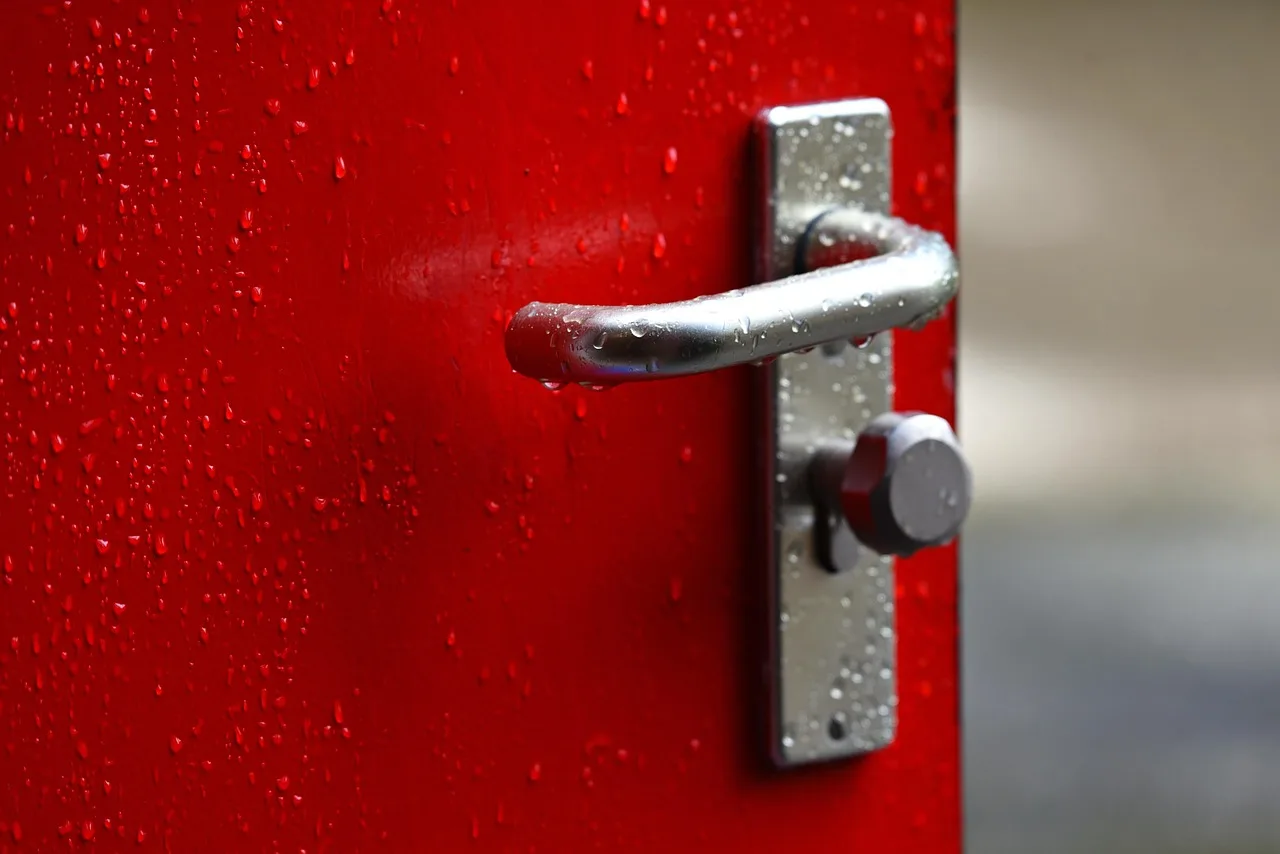
A handle lock is enough when the door is interior, low risk, or not your main way in and out. It is a convenience choice for many indoor doors and for some secondary openings where the goal is access control rather than serious forced-entry resistance.
Locstar says knob locks are typically used for indoor doors or places needing convenience, which fits this use case. For exterior doors, a handle lock alone usually leaves too much to the door gap, the strike plate, and the frame.
Interior doors and low-risk entries
Interior doors usually do not need the same level of forced-entry resistance as an exterior door. A bedroom, office, or storage room can often use a handle lock or simple latch because the security job is different.
If the opening is not exposed to the outside, the emergency-exit tradeoff is simpler too. A straightforward locking handle may be the better match when you want privacy and easy access, not burglary resistance.
Rental constraints and limited hardware changes
Renters often cannot replace the door or drill new holes. In that case, the best move is to confirm what is already allowed, then improve the parts that can be changed without permanent work, such as the strike plate screws or a removable reinforcement plate if permitted.
If the lease does not allow drilling, a handle lock may stay in place as the main usable lock for a secondary door. For the front door, though, the same lease limits do not change the need for a deadbolt where allowed by the property owner.
When the door is not your main entry
Some exterior doors are rarely used and are not the home’s main exit. A side gate door, workshop door, or detached shed door may not need the same hardware as a front entry, but the construction still matters.
The same source recommends a deadbolt and keyed hand knob combination for lightweight doors. That advice is a warning sign: if the door itself is flimsy, the lock choice alone will not carry the load.
When should you add a deadbolt?
Add a deadbolt when the door is exterior, used as a main entry, or exposed enough that forced entry is a real concern. The same source notes that pairing a doorknob lock with a deadbolt adds security without complicating routine, and that remains the standard move for many front doors.
For exterior doors, the deadbolt should be the primary lock. The handle lock can stay as a convenience layer, but it should not be the only barrier if the opening is part of the home’s normal access route.
Single-cylinder vs. double-cylinder deadbolts
A single-cylinder deadbolt is keyed on the outside and uses a thumbturn on the inside. It is the most common choice for exterior doors because it balances security with fast exit.
A double-cylinder deadbolt needs a key on both sides. That can add security in some setups, especially where glass panels make the inside thumbturn reachable, but it also creates an emergency-escape concern because the key must be found and used before the door opens.
Exit risk in an emergency
The same source says double locks can slow escape during emergencies. That matters most on the main way out of the house, where you may need a fast exit during fire, smoke, or another urgent event.
Single-cylinder deadbolts avoid that problem because the inside thumbturn gives quick release. If a double-cylinder is used anywhere, the door should be chosen carefully and the local code rules should be checked before installation.
Upgrade order for the whole opening
- Fix door alignment so the latch and bolt seat fully.
- Upgrade the strike plate and use longer screws into solid framing where allowed.
- Add or replace the deadbolt on an exterior door.
- Reinforce the jamb or frame if the wood is split, soft, or loose.
- Only then consider convenience changes such as a new handle lock or keypad.
That order matters because a new lock on a weak frame is not a real upgrade. Security is a chain, and the weakest link often sits in the jamb rather than the cylinder.
Door lock decision matrix
| Setup | Lock type | Door material | Frame condition | Emergency-exit risk | Upgrade priority | Recommendation |
|---|---|---|---|---|---|---|
| Hollow-core door plus handle lock | Door Handle Lock | Weak | Often unknown or light-duty | Low, but security is also low | Very high | Replace the door or move this setup to an interior opening only. |
| Solid door plus single-cylinder deadbolt | Deadbolt | Strong | Good, with a solid strike plate | Low to moderate | Moderate | Best standard choice for a front door. |
| Handle lock plus reinforced strike plate | Door Handle Lock | Moderate to strong | Improved | Low | Medium | Acceptable for a secondary exterior door, but not a main entry. |
| Solid door plus handle lock and deadbolt | Door Handle Lock + Deadbolt | Strong | Good | Low with single-cylinder deadbolt | High value | Best when the frame can support both and the door is a main exterior entry. |
| Older frame plus deadbolt only | Deadbolt | Strong or moderate | Weak or loose | Low with single-cylinder, higher with double-cylinder | Very high | Reinforce the jamb before relying on the deadbolt. |
A hollow-core door plus handle lock is the wrong place to stop. The door itself is the weak link, so the first upgrade is the door or the use case, not a better cylinder.
A solid door plus single-cylinder deadbolt is the cleanest all-around answer for most front entries. If the frame and strike are sound, that setup gives better resistance without creating the egress problems that come with a keyed-inside lock.
Choose Door Handle Lock if… / Choose Deadbolt if…
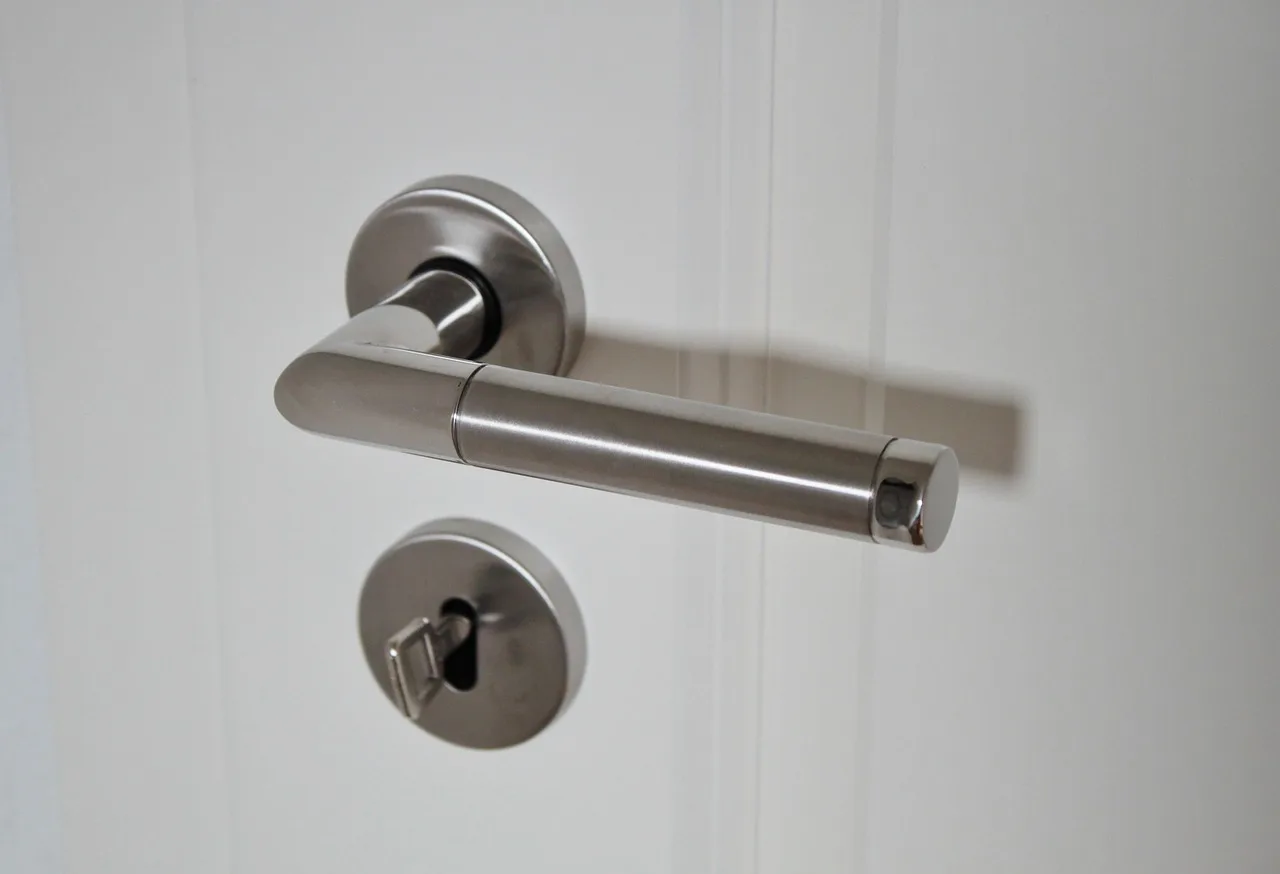
Choose Door Handle Lock if the door is interior, low-risk, or secondary, and you want everyday convenience more than forced-entry resistance. Choose Deadbolt if the door is exterior, used as the main entry, or has any real burglary exposure. Choose both only when the door, jamb, and strike can support the load.
Choose door handle Lock if…
Choose Door Handle Lock if the opening is inside the home and privacy is the main goal. Choose it if the door is not a main exit, if the lease limits permanent changes, or if you are dealing with a secondary door where access speed matters more than burglary resistance.
Choose Door Handle Lock if the door already has another secure barrier and the handle is there for convenience. That can make sense for closets, rooms, and some utility spaces where a deadbolt would add little value.
Choose Deadbolt if…
Choose Deadbolt if the door is exterior and especially if it is the front door. Choose it if the frame is solid, the strike plate can be reinforced, and the door can accept a single-cylinder deadbolt that allows fast exit from inside.
Choose Deadbolt if the current handle lock feels loose, the latch misaligns, or the door has a weak spring-latch setup. Those signs point to a security problem that a handle lock alone will not solve.
Choose both when the door is a good exterior door and the frame is up to the job. That combination fits the common front-door setup Family Handyman describes: a deadbolt for security and a handle lock for routine use.

Frequently asked questions
Is a door handle lock enough for an exterior door?
Usually no. A handle lock alone is better treated as a convenience lock, not a primary barrier for an exterior door. On outside-facing entries, the door, jamb, and strike plate need the extra support of a deadbolt, especially if the opening is used daily or can be reached from the street.
Do I need a deadbolt if my handle locks?
Yes, for most exterior doors. A locking handle may keep the door closed, but a deadbolt gives deeper engagement into the jamb and resists forced entry better than a spring latch. If the door is interior or low-risk, the handle lock alone may be enough.
Can a locked doorknob or handle be forced open?
Yes. A spring-latch lock can be bypassed with a thin flat tool if the fit is loose or the strike plate is weak. Even a stronger lock can fail if the jamb is split, the screws are short, or the door does not seat properly in the frame.
Does a deadbolt make it harder to get out in an emergency?
It can, depending on the type. A single-cylinder deadbolt usually allows quick exit from inside with a thumbturn. A double-cylinder deadbolt needs a key on both sides, so it can slow escape during a fire or another urgent situation on the main exit door.
How do I know if my current door hardware is secure enough?
Check the door material, the strike plate, and the frame before judging the lock. If the door is hollow-core, the strike is loose, or the latch is misaligned, the hardware is not secure enough for a main exterior entry. A solid door with a properly reinforced deadbolt is a better baseline.
Sponsored / affiliate links. As an Amazon Associate I earn from qualifying purchases. I may earn additional commission from eligible campaigns.
 Exterior Door Lock Set with Deadbolt, Front Door Handle Set with Deadbolt, Door Levers Single Cylinder Deadbolt Set, Keyed Alike Heavy Duty Keyed Entry Handles Locksets,(Satin Nickel ,3Pack)
 Exterior Door Lock Set with Deadbolt, Front Door Handle Set with Deadbolt, Door Levers Single Cylinder Deadbolt Set, Keyed Alike Heavy Duty Keyed Privacy Handles Locksets,(Satin Nickel)