How to Stop a Door Knob From Wobbling Before It Strips Out
Tighten the loose fastener closest to where the movement starts first, such as the set screw on the knob hub, the mounting screws under the trim, or the strike screws on the door frame if the latch area moves. If the wobble is ignored, the screw holes can strip and the fix may turn into wood repair or replacement hardware. This guide shows how to find the source of the movement and tighten the right fastener before damage starts.
Why the knob is wobbling


A wobbly door knob usually means one part has started moving before the rest of the lock. The play may come from the knob hub, the spindle, the rose or escutcheon plate, or the latch side of the door. If you find the exact spot where movement begins, you can tighten or reseat that part before threads or wood holes wear out.
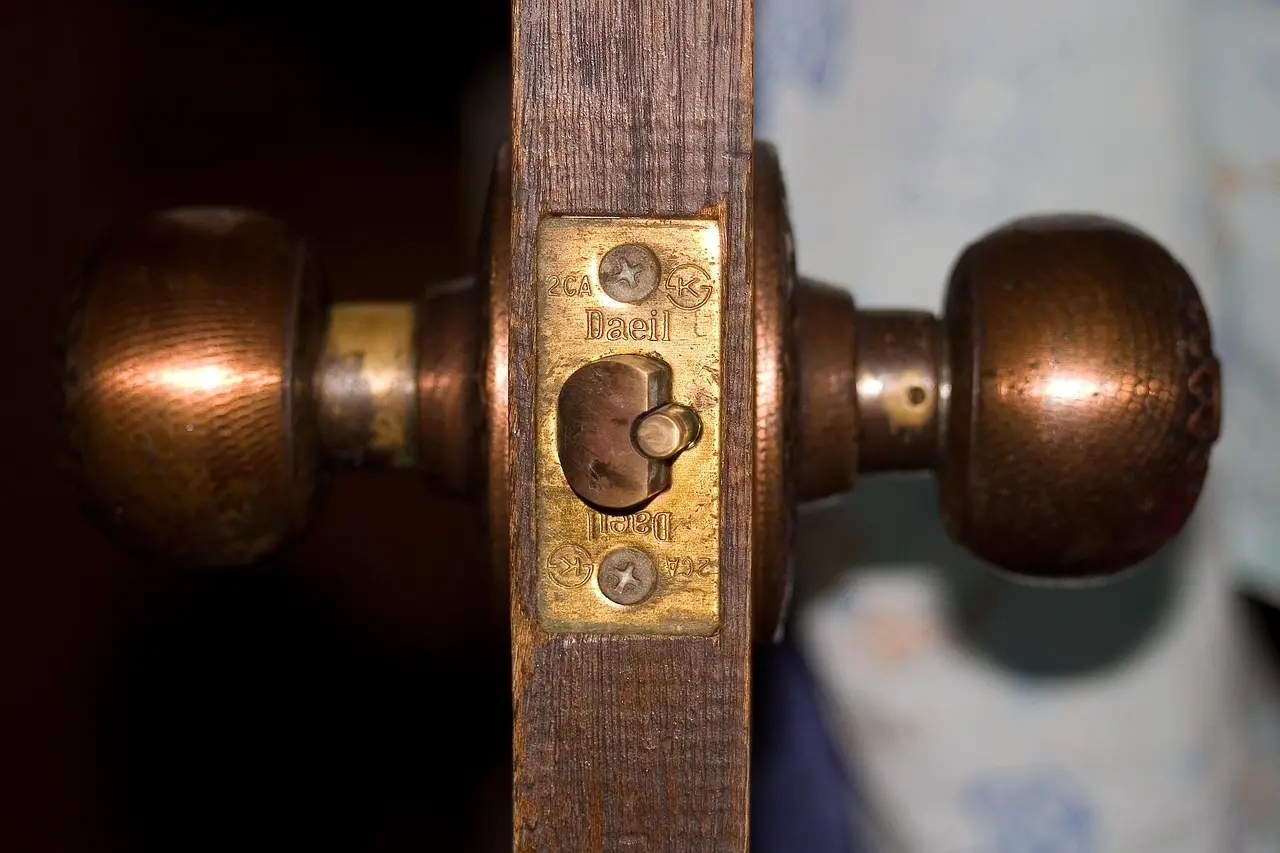
A knob can still work while the fastener is loosening. Check side-to-side play, rotation of the knob on the shaft, and movement of the trim plate separately. A clicking sound often comes from the latch mechanism, which is a sloped piece of metal; some latches have one piece, others have two, and the deadlatch or spring latch activates into the strike plate.
What you’ll need
- A compact screwdriver set with small Phillips and flat-head bits
- A hex key or Allen key that fits the doorknob set screw
- A screwdriver for exposed mounting screws
- Wood glue
- Toothpicks or a wooden dowel repair kit
- Threadlocker only if the fastener keeps backing out and the maker allows it
- A dry cloth or a lock-safe cleaner if parts are dusty
Door knob diagnosis table
| Wobble pattern | Likely failed part | Exact check | Safest fix order | Stop and replace |
|---|---|---|---|---|
| Knob spins | Doorknob set screw or spindle fit | Find the small screw on the knob hub and see whether the knob slides on the spindle | Reseat the knob on the spindle, then tighten the set screw with the correct Allen key | Stop if the set screw threads spin or will not hold torque |
| Handle rocks | Mounting screws or spindle looseness | Check for movement where the two halves pull together and see whether the spindle has play | Remove the trim plate if needed, then tighten the mounting screws evenly | Stop if the screw holes are enlarged or the screw turns without biting |
| Trim plate moves | Rose or escutcheon fasteners | Twist, pry, or unscrew the plate style carefully and check the hidden screws behind it | Remove the plate without cracking it, then tighten hidden fasteners in a cross pattern | Stop if the plate mounting points are stripped or the trim will not sit flat |
| Latch side shifts | Latch assembly or strike plate | Watch the latch and strike area for sticking, clicking, rubbing, or visible movement | Check latch screws, then strike plate screws, then adjust only if the hardware is still secure | Stop if the latch body is worn, bent, or the door bore has enlarged |
How do you tighten the set screw?
Start at the knob hub if the knob itself spins on the shaft. The doorknob set screw is a common tightening point on the knob hub, and it may back out from vibration or regular use. If it is loose, the knob can feel sloppy even when the rest of the lock is still tight.
- Locate the small set screw on the knob hub.
- Insert the correct Allen key or hex wrench and turn it clockwise until snug.
- Reseat the knob on the spindle if it slipped off center before tightening again.
- Check for play by turning the knob fully before opening the door.
If the screw keeps loosening, apply a small amount of non-permanent threadlocker only where the manufacturer allows it. Do not use it on parts meant to come apart frequently.
What if the screw hole already feels worn?
If the screw turns without tightening, the threads may be damaged. Stop there and move to repair instead of forcing it. A spinning screw can strip the hole in the hub or in the wood, and each extra turn makes the repair harder.
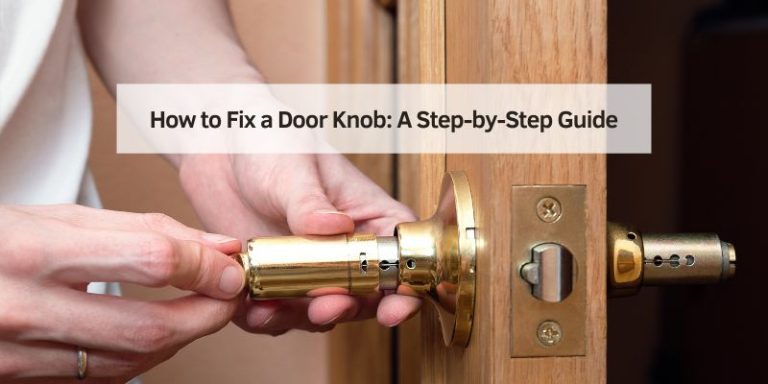
Many residential knobs hide the mounting screws under a rose or escutcheon plate. That plate may twist off, pry off, or unscrew depending on the style, so remove it carefully and keep the edge tools away from painted or plated surfaces. Once the cover is off, the screws that hold the interior and exterior halves together are easier to reach.
- Inspect the trim for a twist-off ring, a pry notch, or a visible retaining screw.
- Remove the rose or escutcheon plate without cracking it.
- Tighten the interior and exterior mounting screws in a cross pattern so the halves pull down evenly.
- Recheck the knob after each pass so you do not over-tighten one side.
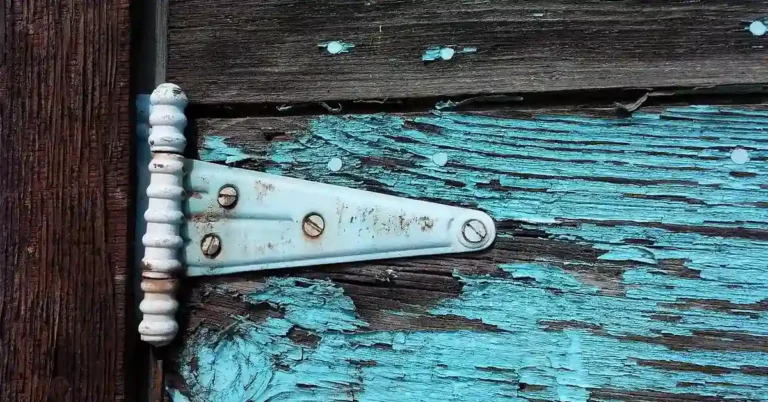
A common mistake is cranking down on one loose hinge screw before checking the rest, which can leave the joint uneven and the hardware more likely to strip. That can tilt the lock body and leave the knob feeling loose even though the screws are snug.
How do you fix stripped screw holes?
If the fastener starts to spin, the hole is the problem, not the screwdriver. For a loose wood hole, pack it with wood glue and toothpicks, then let it cure before reinstalling. If the hole is too worn for filler alone, use a wooden dowel repair instead. Reassemble only after the repair has hardened.
- Remove the screw and check whether the hole is enlarged or rounded out.
- For a minor wood hole, pack in glue-coated toothpicks until snug.
- Break the filler flush, let it cure, then drive the screw back in.
- For a larger hole, drill for a dowel repair and let the adhesive cure fully before reassembly.
If the hardware uses through-bolts rather than wood screws, do not treat it like a stripped wood hole. Replace the damaged fastener or the matching hardware as a set if the threads will not hold.
What if the knob keeps loosening after you tighten it?
Repeated loosening usually means vibration, misfit, or a part that no longer holds threads well. If the set screw backs out again, use threadlocker sparingly and only on a part the maker allows to remain serviceable. If the mounting screws keep loosening, check whether the door thickness matches the hardware, because incorrect thickness can leave the assembly too short or too loose.
Say your interior knob is tight after reassembly but the trim plate starts to move again after a few days. That points to hidden fasteners or worn mounting points, not the latch. In that case, remove the plate, inspect the screws, and stop if the holes are enlarged.
If that didn’t work, try this next
Move from the knob hub to the latch side. Check the latch screws, then the strike plate screws, then the latch body itself. The latch assembly sits in the door edge, and the strike plate catches it in the frame, so misalignment can make the handle feel unstable even when the knob hardware is tight.
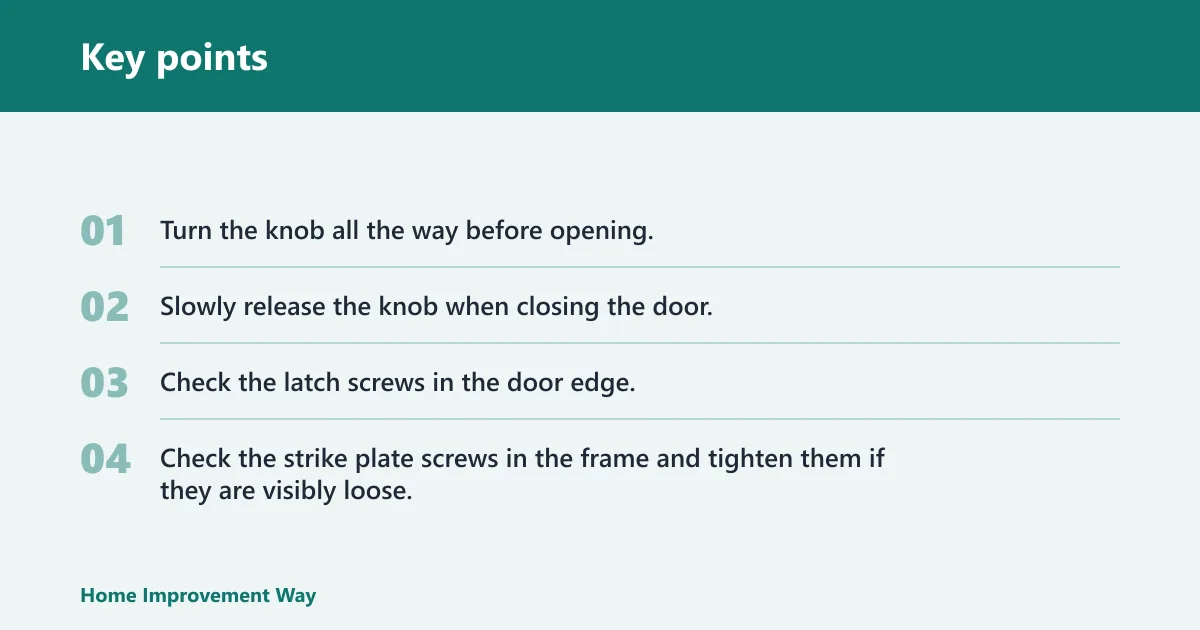
- Turn the knob all the way before opening.
- Slowly release the knob when closing the door.
- Check the latch screws in the door edge.
- Check the strike plate screws in the frame and tighten them if they are visibly loose.
Use a dry cloth or a lock-safe cleaner only if dust or debris is making the parts feel rough. Avoid wet cleaners on lock hardware.
When should you replace a loose door knob instead of repairing it?
Replace the hardware when the set screw threads are stripped, the mounting screw holes are enlarged beyond a simple wood repair, or the spindle has enough play that reseating no longer helps. If the latch body is bent, worn, or repeatedly misaligns with the strike plate after all screws are tight, repair time is over.
Door thickness matters when you buy the replacement. If the new hardware does not match the door thickness, the halves may not pull together tightly, and the wobble can return even with fresh parts.
Common mistakes
- Tightening the wrong side first and missing the real source of play
- Using threadlocker on parts the maker says must stay removable
- Ignoring a sticking latch or misaligned strike plate when the knob still feels unstable
- Forcing screws into enlarged holes instead of repairing the hole first
- Assuming every knob hides screws the same way
Frequently asked questions
Why is my door knob wobbling but still working?
One fastener is usually loose before the lock fails. The knob can still turn because the spindle, set screw, mounting screws, or trim plate has just enough grip left to function. Check the wobble point first, then tighten that part before the hole or threads wear farther.
How do I tighten a loose door knob before the screws strip?
Start with the visible fasteners, then move to the hidden ones. Use the correct screwdriver or Allen key, tighten until snug, and stop if the screw turns without resistance. If a hole is already worn, repair it before you keep driving the screw.
What screws should I tighten on a wobbly door knob?
Tighten the set screw on the knob hub first if the knob spins. If the handle rocks, move to the mounting screws under the rose or escutcheon plate. If the latch area shifts, check the strike plate screws in the frame and the latch screws in the door edge.
How do I know if the set screw is loose or the mounting screws are failing?
If the knob turns on the shaft but the plate stays put, the set screw or spindle fit is the likely issue. If the whole handle assembly moves with the knob, the mounting screws are more likely at fault. Remove the trim plate if needed and test each point one at a time.
Can I fix a wobbly door knob without replacing the whole lock?
Yes, if the problem is a loose screw, a shifted spindle, or a repairable wood hole. Tighten the correct fastener, reseat the parts, and repair stripped wood before deciding on replacement. If the threads are gone or the latch body is worn, replacement is the better move.
Does a loose door knob mean the latch or lock is damaged?
Not always. A loose knob often comes from a backing-out screw or a poor fit at the spindle or trim. If the wobble comes with sticking, clicking, rubbing, or a strike plate that no longer lines up, then the latch side needs a closer check and may need repair or replacement.
Sponsored / affiliate links. As an Amazon Associate I earn from qualifying purchases. I may earn additional commission from eligible campaigns.