How to Fix a Squeaky Door Hinge Without Removing the Door
A squeaky door hinge almost always means metal-on-metal friction inside the hinge barrel, not a problem with the door itself, so you can usually fix it in under five minutes without pulling a single hinge pin all the way out or taking the door off its frame. This guide covers what actually causes the noise, the right lubricant to use (and the one everyone reaches for that makes it worse), and how to work on the hinge while the door stays hung.
Why the hinge is squeaking in the first place
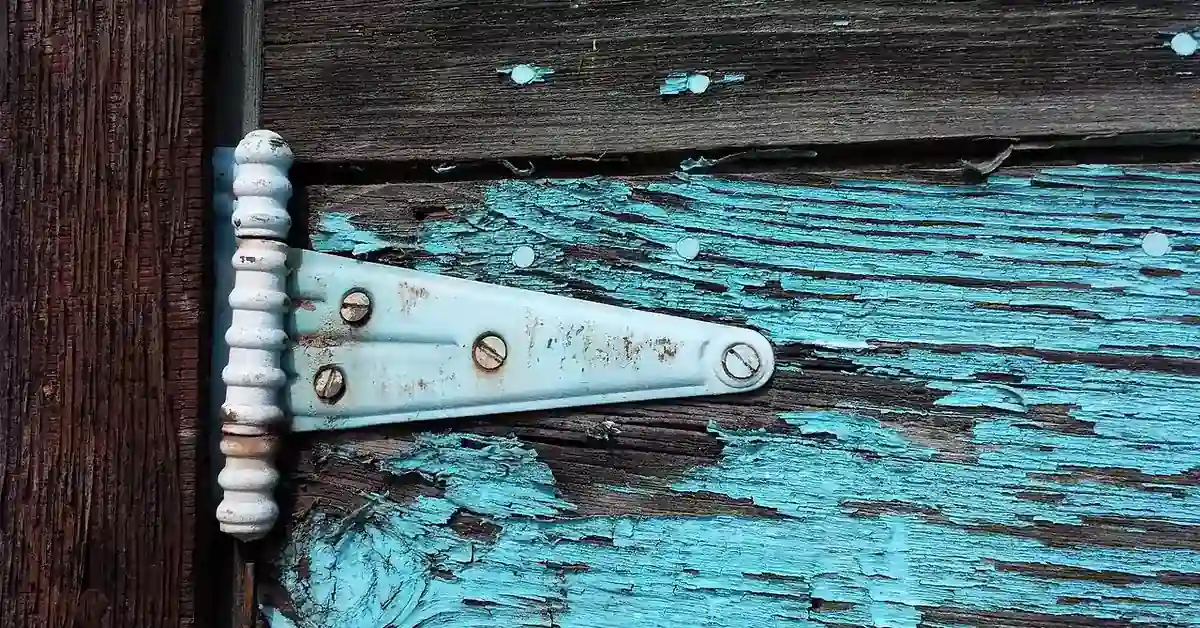
Every hinge has a pin running through interlocking knuckles (the cylindrical loops on each leaf). Factory grease on that pin dries out over years of temperature swings and humidity, or gets displaced by dust and rust. Once the pin rubs bare metal against the knuckle walls every time the door swings, you get the classic squeak or squawk. Hinges closest to a bathroom, kitchen, or exterior door squeak sooner because humidity accelerates the grease breakdown and introduces surface rust.
Skip the WD-40, use a real lubricant
WD-40 is a water-displacing solvent, not a lubricant, so it works for about a day before it evaporates and leaves behind a thin film that actually attracts dust and grit. For a fix that lasts, use white lithium grease (in a tube or spray can), a dry PTFE/silicone spray, or 3-in-1 household oil. In a pinch, a dab of petroleum jelly or vegetable oil on the pin will quiet a hinge overnight, though it will need reapplying sooner than a proper grease.
How to lubricate the pin without removing the door
Open the door fully so the hinge knuckles are accessible and slide a rag or a small tray underneath to catch drips. Place the tip of a flathead screwdriver or a nail set against the bottom of the pin and tap it upward with a hammer, lifting it an inch or two, just enough to expose the shaft, since the other hinges are still holding the door’s weight. Wipe off any rust or old grime with a rag, apply lubricant to the exposed section and down into the barrel, then tap the pin back down and swing the door open and closed 10-15 times to work the grease through all the knuckles. Wipe off any excess that squeezes out at the top or bottom.
If lubricating doesn’t stop it
A hinge that still squeaks after fresh grease, or that also feels loose and lets the door sag, usually has worn-out screws rather than a dry pin, which is a different repair from hinge alignment issues that make a door bind against the frame. Stripped screw holes in the jamb can be tightened by removing one screw at a time, filling the hole with wood glue and toothpicks or a golf tee, letting it dry, and reinstalling, or by swapping the top screw for a 3-inch version that reaches into the wall stud behind the jamb for a much stronger hold.
Frequently Asked Questions
Is it bad to use WD-40 on door hinges long-term?
It won’t damage the hinge, but it’s not a real fix. WD-40 evaporates within a day or two and its residue picks up dust, which can make the squeak return faster than if you’d used a dedicated lubricant like white lithium grease in the first place.
Does a squeaky hinge mean it needs to be replaced?
Almost never. Squeaking is a lubrication problem, not a mechanical failure. Replacement is only necessary if the pin is bent, the knuckles are cracked, or the hinge leaves themselves are rusted through.
How often should door hinges be lubricated?
Once a year for interior doors is plenty. Exterior doors and hinges in bathrooms or laundry rooms benefit from lubrication every six months since humidity breaks down grease faster.
Sponsored / affiliate links. As an Amazon Associate I earn from qualifying purchases. I may earn additional commission from eligible campaigns.