How to Clean Door Hinges: Vinegar, Baking Soda & Rust Removal
Door hinges get cleaned with warm soapy water for everyday grime and white vinegar for rust — the hinge doesn’t need to come off the door for a light monthly wipe-down. Skipping this leaves grit inside the pin, which is what turns a quiet hinge into a squeaky one. This guide covers cleaning hinges in place, removing rust the hinge already has, and when it’s actually worth taking the hinge off the door.
Quick Overview
- Gather supplies: Get a screwdriver, soft cloth, dish soap, white vinegar, a toothbrush, and a small container.
- Loosen the hinge: Use the screwdriver to remove the screws, then gently tap the hinge pin free with a hammer if needed.
- Wash off grime: Wipe the hinge with a cloth dipped in warm soapy water, then rinse and dry it completely.
- Treat any rust: Spray or soak rusted spots in white vinegar for a few minutes, then scrub with a toothbrush.
- Dry and oil: Dry the hinge fully with a towel, then wipe on a few drops of oil to prevent new rust and quiet the pin.
- Reattach and test: Screw the hinge back onto the door, tighten fully, and open and close the door to check for smooth movement.
Tools And Materials Needed
Cleaning door hinges is easy with the right tools. A screwdriver helps remove hinges from doors, and a soft brush clears loose dust. Dish soap and warm water handle everyday grime, while white vinegar removes rust. Keep rags or paper towels on hand for drying, plus a small container for soaking parts and fine sandpaper for stubborn rust. Gloves and safety glasses protect your hands and eyes while you work.
An old toothbrush works well for scrubbing tight spots, and a small amount of household oil lubricates the pin once everything is clean and dry.
Preparing The Area
Gather your tools before starting, and clear the space around the door so you have room to work. Place a towel under the door to catch any drips and protect your floor. Remove nearby mats, rugs, or shoes, make sure the area is well-lit, and keep pets and small children away from the workspace while you clean.
Removing Hinges Safely
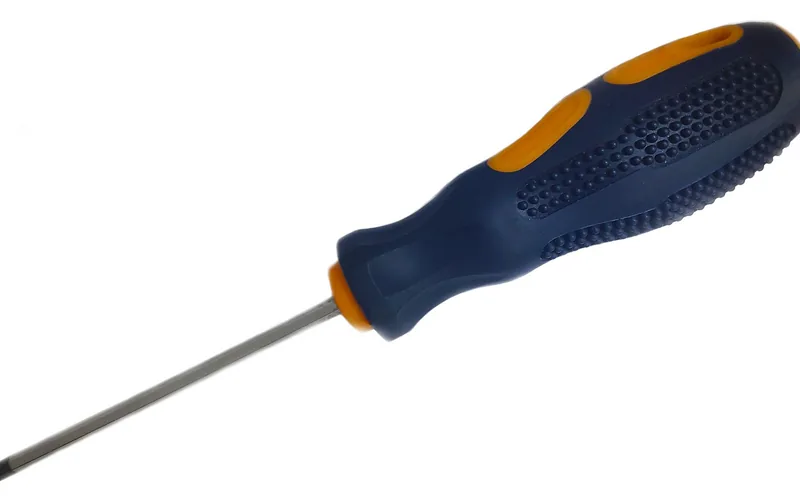
Use a screwdriver to loosen each screw slowly — don’t rush, since screws can strip easily. If the hinge is stuck, tap it gently with a hammer to loosen it without hitting hard enough to damage the door. Pull the hinge away with both hands once it’s free, and keep the screws in a safe place so you don’t lose them before reattaching.
Cleaning Techniques
Mix warm water with a few drops of dish soap, dip a soft cloth into the solution, and wipe the hinge gently to remove dirt and grime. Rinse the cloth in clean water, wipe again to remove soap residue, then dry the hinge completely with a clean towel so no water is left behind.
For rust and stains, spray white vinegar directly on the hinge, let it sit for a few minutes, then scrub with a toothbrush. Wipe with a damp cloth and dry thoroughly. Finish with a small amount of oil on a soft cloth, rubbed onto the hinge — this makes it shine, protects against new rust, and keeps the hinge moving smoothly and quietly.
How to Clean Door Hinges Without Removing Them
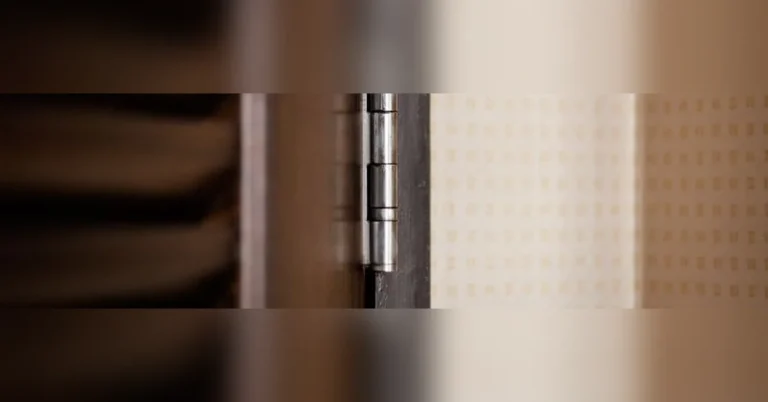
You don’t have to unscrew a hinge just to keep it clean. For routine dust and light grime, dampen a cloth or an old toothbrush with warm soapy water and wipe or scrub the hinge while it stays mounted on the door, working into the gap between the knuckles where dust collects. Dry it immediately afterward so no moisture sits in the joint. Removing the hinge is really only necessary for heavy rust, thick paint buildup, or a full vinegar soak — a monthly wipe-down in place is enough to prevent most grime and squeaks from building up in the first place.
📊 White vinegar’s acetic acid (about 5% concentration, pH near 2.5) reacts with iron oxide rust to form water-soluble iron acetate — which is why a few minutes of soaking followed by a scrub is enough to lift light rust off a hinge without harming the metal underneath. Source: chemistry of the acetic acid – iron oxide reaction (Fe₂O₃ + 6CH₃COOH → 2Fe(CH₃COO)₃ + 3H₂O).
Dealing With Rust
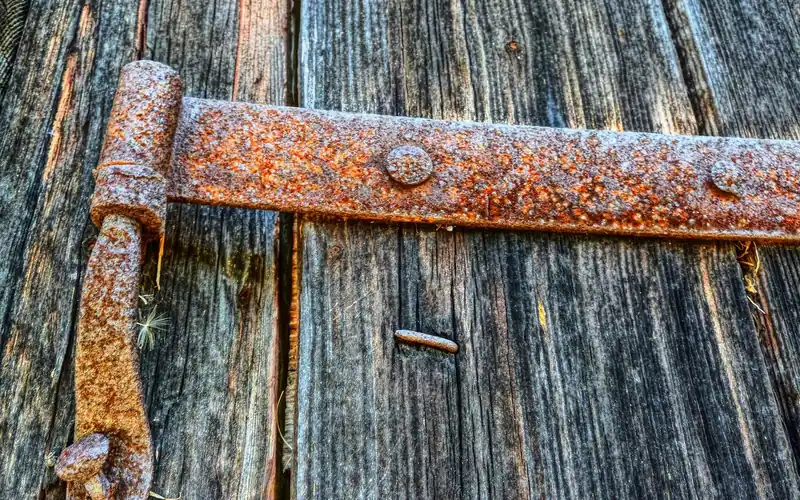
Tackling rust on door hinges involves a few simple steps. Remove the hinges, soak them in vinegar, and scrub with a brush. Dry thoroughly to prevent future rust. This method keeps your hinges clean and functional.
Using Baking Soda
Baking soda can help remove rust from door hinges. Mix baking soda with water to make a paste, apply it to the rusty hinge, and let it sit for a few hours to loosen the rust. Scrub with a brush to remove it, rinse with water, and dry the hinge completely. Baking soda is gentle and safe — it won’t harm the metal, making it an easy way to clean rust at home.
Applying WD-40
WD-40 is a great tool for cleaning hinges. Spray it on the rusty hinge, let it soak for a few minutes, then wipe off the loosened rust with a cloth. Be sure to clean all parts of the hinge, and wipe it dry afterward — WD-40 also helps prevent new rust, but leaving it wet invites more moisture to collect.
Best Rust Remover Pick
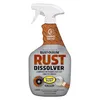
Rust-Oleum Rust Dissolver Trigger Spray Gel – $11.63
Vinegar and baking soda handle light rust, but for hinges that are heavily corroded or have been rusting for years, a dedicated dissolver like this one covered above works faster and needs less scrubbing.
- Best for: Heavily rusted hinges where vinegar soaking alone isn’t cutting it
- Why we picked it: Gel formula clings to a vertical hinge instead of dripping off like a thin spray, so it stays on the rust long enough to work
- Main drawback: Stronger smell than vinegar or baking soda, so work in a ventilated area
Compare more rust remover options
 Option 1 Iron OUT Rust Stain Remover Spray – $6.88
|
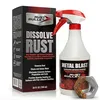 Option 2 Rust Bullet Metal Blast Rust Remover (24oz) – $23.99
|
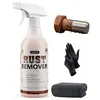 Option 3 Rust Remover Spray for Metal (17 fl oz) – $14.99
|
As an Amazon Associate we earn from qualifying purchases.
Reattaching Hinges
Align the hinge parts correctly, place the hinge back onto the door, and make sure the pin fits snugly. Use the screws to attach the hinge, tightening each one carefully so the hinge is secure and doesn’t wobble. Check the door’s movement after attaching — it should open and close smoothly. Adjust the hinge if it doesn’t, and double-check that every screw is tight.
Lubricate the hinge pin with a small amount of oil for smooth movement, spreading it evenly and wiping off any excess. For a full breakdown of which lubricant works best and how often to reapply it, see our dedicated guide to oiling door hinges.
Maintenance Tips
Door hinges need regular care to work well. Wipe away dust and dirt with a soft cloth, use warm soapy water to remove grime, and dry with a towel. Oil the hinges every few months to stop squeaks before they start — if a hinge is already squeaking despite regular cleaning, our guide to stopping squeaky door hinges covers that separately.
Keep doors closed gently, since slamming can loosen hinges over time. Check screws periodically and tighten any that have worked loose, keep hinges dry to avoid rust, and inspect them for wear so you can replace damaged ones before they fail. If the hinges are painted over rather than dirty, see our guide on removing paint from door hinges instead.
Frequently Asked Questions
What Is The Best Cleaner For Door Hinges?
Use a mixture of white vinegar and water for cleaning door hinges. Apply with a soft cloth. This solution effectively removes grime and rust. Ensure hinges are dry after cleaning to prevent corrosion. Regular maintenance keeps hinges functional and noise-free.
How Do You Clean Old Dirty Hinges?
Clean hinges using warm soapy water and a toothbrush. Rinse thoroughly and dry with a cloth. Apply metal polish for extra shine. Ensure hinges are reinstalled properly after cleaning.
How To Make Door Hinges Look New?
Clean hinges with warm soapy water to remove dirt. Dry thoroughly and polish with metal polish or vinegar. Apply a coat of clear lacquer for added shine. Regular maintenance can keep them looking new. Use a soft cloth to avoid scratches and ensure longevity.
How To Clean The Black Stuff From Door Hinges?
That black residue is usually old lubricant mixed with metal dust. Wipe it away with a cloth dampened in soapy water or a degreaser, then dry the hinge completely. Regular maintenance helps keep hinges clean and functional.
Can You Clean Door Hinges Without Taking Them Off The Door?
Yes. For everyday grime, wipe the hinge with a soapy cloth or an old toothbrush while it stays mounted, then dry it immediately. Removing the hinge is only necessary for heavy rust or a deep vinegar soak.
Conclusion
Cleaning door hinges keeps them working smoothly and prevents rust and grime from building up. Soapy water handles routine dirt, vinegar or baking soda lifts rust, and a drop of oil afterward keeps the hinge quiet. Most of the time you don’t even need to remove the hinge — a quick in-place wipe every month or so is enough to keep doors opening effortlessly and looking cared for.
Sponsored / affiliate links. As an Amazon Associate I earn from qualifying purchases. I may earn additional commission from eligible campaigns.