Best Security Hardware for Storm Doors (2026): We Compared
The best security hardware for storm doors fixes the weak point first: start with a keyed lockset and reinforced closer bracket, then add hinge and frame reinforcement if the door flexes or pulls at the jamb. If you buy a stronger lock for a weak frame, the door still gives way. This guide shows how to identify the weak link, compare replacement hardware, and choose parts that fit your storm door without trading away durability.
Quick comparison
| Product | Badge | Best for | Price | ||
|---|---|---|---|---|---|
 |
PRIME-LINE Screen & Storm Door Push Button Latch Set, WhitePRIME-LINE | Our pick | Push-button latch set · built-in night lock · white | $16.12
Price as of 25 Oct 2026
|
View |
 |
Wright Products – Serenade Mortise Keyed Lever Latch Set,Wright Products | Also great | Mortise lever lock · keyed deadbolt · polished brass | $72.21
Price as of 25 Oct 2026
|
View |
 |
4Pack K 5131 Storm Door Hinge Pin Kit, Fits Most CroftEmsiok | Pair with it | Hinge pin kit · replacement repair part · aluminum | $9.99
Price as of 25 Oct 2026
|
View |
 |
Reinforced Storm Door Closer Bracket Kit, Heavy-Duty ScreenMirfane | Also great | Closer bracket kit · reinforced replacement · white | $6.99
Price as of 25 Oct 2026
|
View |
Use this as a fit-first filter, not a shopping list. A storm door can need a better lock, a better bracket, or a true security-door upgrade, and the wrong fix usually shows up as poor alignment, loose screw holes, or a mortise pattern that does not match.
How we chose
The picks below are grouped by the problem they solve: keyed entry, damaged mounts, and door control. Fit matters as much as security claims, so the list weighs thickness range, handedness, mounting style, and the most common failure point that sends buyers into returns.
Security value matters too, but only where the part actually resists force. A keyed deadbolt helps when the latch is the weak point; a reinforced bracket matters when the closer rips out of the frame; hinge repair matters when the door sags and stops latching cleanly.
Durability was the last filter. Exterior hardware should stand up to corrosion, repeated closing cycles, and screw-hole fatigue without turning a small repair into a bigger one.
Storm door compatibility matrix
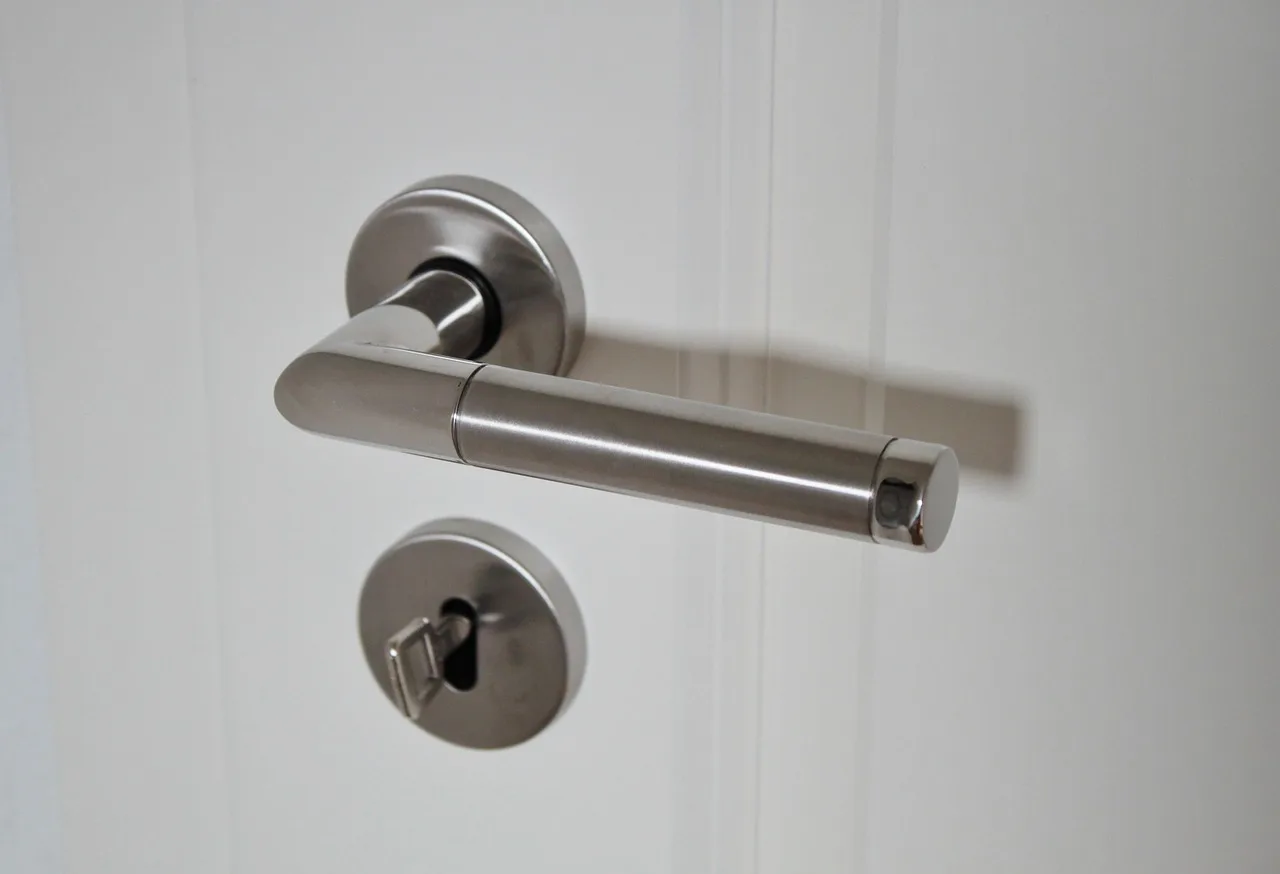
This matrix maps the setup to the hardware type most likely to fit and the first failure point to inspect. Thickness alone is not enough. You also need the backset or hole pattern, handedness, and whether the hardware is surface-mount or mortise style.
| Common storm door setup | Correct hardware type | Thickness range to check | Mounting style | Handedness / pattern to confirm | Most likely failure point to inspect first |
|---|---|---|---|---|---|
| Out-swinging storm door with worn keyed latch | Mortise lever lock set with keyed deadbolt | 1.125 inches to 2 inches | Mortise | Left-hand or right-hand; confirm the mortise cut and backset before ordering | Latch body loose in the mortise, stripped edge screw holes, misaligned strike |
| Door with shallow exterior trim and exposed fasteners | Surface-mount handle set | 1 inch to 1 1/2 inches | Surface-mount | Non-handed or handed depending on model; confirm hole spacing and door edge clearance | Hole pattern mismatch, interference with storm-door frame rail |
| AluminArt system with curved mortise lock opening | AluminArt-specific mortise lock | Model-specific fit rather than generic thickness alone | Mortise | Confirm the exact AluminArt pattern; generic mortise hardware often misses the curve | Wrong mortise profile, strike placement, or trim-plate coverage |
| Larson Revere door needing a replacement handle set | Larson-compatible mortise handle set | Door thickness still matters, but pattern fit comes first | Mortise | 5/8 inch by 5-3/4 inch mortised hole | Incorrect mortise cut, hole spacing mismatch, handle interference |
| Door with a 4-post layout and mixed replacement parts | Handle set matched to the existing post layout | Varies by door | Usually surface-mount or hybrid replacement | Confirm the 4-post configuration and brand pattern, such as Larson, Wright, or Ideal Security | Post spacing mismatch, trim plate coverage, poor screw engagement |
| Door that flexes at the closer or has a torn-out bracket | Reinforced bracket kit | Match to the closer and door thickness | Repair mount | Check screw pattern and bracket orientation before purchase | Stripped closer mount, cracked frame attachment, bent bracket |
Two checks catch most compatibility mistakes. First, measure the thickness at the locking edge and compare it with the manufacturer’s stated range. Second, match the hardware to the actual hole pattern or mortise cut, because the wrong pattern can still lead to a return even when the thickness seems right.
Say your door is 1 1/4 inches thick and the old latch is loose, but the mortise opening is still clean. A mortise keyed lever set can solve the lock problem without changing the door style. Suppose the closer bracket has torn free from soft aluminum. A new lock will not fix that; the bracket must be repaired first.
Wright mortise keyed lever: best for keyed replacement
This is the strongest fit when your storm door needs a keyed deadbolt and the existing setup is a mortise-style lever lock. Wright Products lists this mortise lever lock for doors from 1.125 inches to 2 inches thick, which covers a broad slice of common storm-door replacements.
It suits buyers who want a real keyed entry point, not just a simple latch. The left-or-right-handed compatibility also helps when the door swings one way and the old trim plate has to be replaced with a clean match.
The drawback is the same one that comes with many mortise replacements: it depends on the correct hole pattern and mortise layout. If your door uses a surface-mount latch, or if the cutout has been damaged, this set may not be the quick fix you want.
Mirfane reinforced bracket kit: best for damaged mounts
This is the right kind of repair when the closer has ripped loose, the screws have wallowed out, or the original bracket no longer holds the door securely. Mirfane’s kit includes extended stainless steel screws, which is a practical detail for rebuilding a tired closer attachment point.
It is aimed at repair use, not at changing the whole door’s security story. That matters. A stronger bracket can keep the closer attached and reduce sloppy door movement, but it does not turn a lightweight storm door into a true security door.
The main drawback is fit discipline. Brackets are often shape- and hole-pattern-sensitive, so buyers still need to confirm the closer style, bracket orientation, and available metal around the mounting area before ordering.
Greenstar touch ’n hold: best for smoother door control
Greenstar’s Touch ’n Hold closer is the better fit when the weak point is door control rather than entry security. It is a dual door closer with hands-free hold-open, so it helps manage swing, latch control, and daily use more than it resists forced entry.
That distinction matters because a closer can make a storm door feel tighter and more controlled without adding real lock strength. If the door slams, drifts open, or closes too hard for the latch to settle cleanly, a better closer may solve the problem before you spend money on a new lock.
The drawback is that it is still a closer, not a security device. If the hinge side is weak or the frame attachment is damaged, a better closer will only cover the problem for a while.
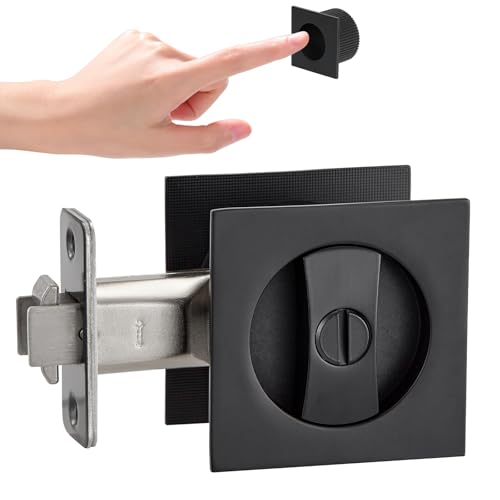
This is a sensible pick when the existing latch is worn, the door is non-handed, and the goal is basic replacement rather than a keyed upgrade. PRIME-LINE’s push button latch set includes a built-in night lock and is made for left- or right-hand doors.
It can improve convenience and light-duty deterrence, especially on a storm door that still has a healthy frame and hinges. For a simple swap, that can be enough to restore function without forcing a full handle-set replacement.
The drawback is plain: this is not the same as a keyed deadbolt. If entry resistance is the priority, a plain push-button latch is lower on the list than a mortise keyed lever set.
Which one should you buy?
Start with the weak point, not the style you like most. If the latch is sloppy and the door is a mortise type, choose the Wright keyed lever set. If the closer bracket is torn or pulling away, choose the Mirfane bracket kit first. If the door only needs smoother control, the Greenstar closer makes more sense than a lock swap.
If your old hardware is a simple surface-mount setup and you need a low-cost refresh, the PRIME-LINE latch is the budget choice. If the door is an AluminArt or Larson Revere system, or if the hole pattern is unusual, compatibility should outrank everything else. A keyed deadbolt helps only when the lock is the weak link.
Storm doors versus security doors is the key buying decision. A storm door can improve weather control and provide some deterrence, but if the frame is light, the hinges are basic, and the hardware mounts are thin, replacement parts only go so far.
The first filter is fit. Check the thickness, then match the handedness, then confirm whether the part is surface-mount or mortise. After that, verify the backset or hole pattern, because a lock that is close to right still fails when the screw spacing does not line up.
Next, inspect the failure point. If the handle is loose, focus on the lockset. If the door slams or drifts, focus on the closer. If the closer bracket has ovalized screw holes or cracked paint around the attachment, use repair hardware before buying a new closer body.
Finally, check whether you actually need security hardware or weather hardware. Many buyers confuse a better closer with better protection, but the closer’s job is controlled movement. It is not a substitute for a keyed deadbolt, tamper-resistant hinges, or frame reinforcement.
A common first-timer mistake is replacing only the visible handle while ignoring the mount behind it. A storm door with 1 1/2 inches of thickness can still fail if the screw holes are stripped or the mortise cut is wrong, so a good-looking part can still wobble after installation.
Storm door vs security door
A storm door is usually there to manage weather, airflow, and day-to-day convenience. A true security door adds force resistance through a stronger frame, tamper-proof hinges, and heavier security-door materials such as steel construction or perforated steel mesh. Those parts change the door’s resistance, not just its appearance.
That is why a better storm-door lock should be treated as targeted improvement, not a category change. A keyed deadbolt, sturdy closer bracket, or better hinge pin kit can improve a weak storm door, but they do not make it behave like a dedicated security door.
When the door frame is thin, the hinge side flexes, or the attachment points are already damaged, replacement hardware may buy time rather than solve the whole problem. In that case, a true security door may be the more honest answer.
Which closer or bracket kit fixes the weak point?
Choose the closer if the problem is speed, slam, or poor closing control. Choose the bracket kit if the problem is stripped screws, cracked mount points, or a closer that no longer stays attached to the frame. The wrong one can make the door seem better while leaving the actual failure point untouched.
Pneumatic closers are common for light, adjustable control, while torsion-bar designs are usually chosen when the door needs stronger return force and a firmer close. In both cases, the important checks are door weight, thickness, and whether the closer allows speed adjustment or hold-open control.
Greenstar’s Touch ’n Hold closer is useful when you want hands-free hold-open as well as control. Ideal Security heavy closers, as listed in the Simple Home Compass page, are described as 10.5 inches long and fitting storm doors between 1.5 inches and 2 inches thick. That kind of fit data matters more than a generic “heavy-duty” label.
Pneumatic and torsion-bar closers
Pneumatic closers are common on lighter storm doors because they are easy to adjust and usually soft enough for normal everyday use. Torsion-bar closers are a better fit when the door needs more return force or when the existing closer feels weak at the latch point.
The deciding factor is not only how hard the door closes. It is also whether the hardware matches the door’s thickness and weight range and whether the mount is solid enough to keep the closer aligned over time.
Hold-open and speed control
Hold-open features matter when you need the door to stay open for moving items, ventilation, or hands-free access. Speed adjustment matters when the door is slamming, rattling, or bouncing off the jamb before the latch catches.
Those are convenience features first. They help with wear, alignment, and day-to-day use, but they do not equal a keyed lock or a reinforced hinge side.
Reinforced bracket kits for stripped mounts
Bracket kits are repair hardware, not decorative trim. Mirfane’s kit uses extended stainless steel screws, and that is the right idea for worn mounts: replace weak fastening with heavier attachment and better corrosion resistance where the original holes have failed.
Use this type of kit when the closer bracket has damaged screw holes or the metal around the mount is fatigued. If the frame itself is badly distorted, the bracket is only a partial repair.
What are storm doors good for?
Storm doors are good for weather control, draft reduction, ventilation, and giving the primary entry door some protection from rain and wind. They also add a first layer of deterrence because they make the opening less immediate and more visible.
What they are not good for is replacing a true security door by default. A standard storm door may have a useful lock and a sturdier closer, but the frame, hinges, and attachment points often remain lighter than a dedicated security assembly.
Why have a storm door?
You use a storm door when you want protection for the main door, some seasonal airflow, and a cleaner entry zone without replacing the primary door. It can also buy time for the finish and hardware on the main door by taking the weather hit first.
That is why replacement hardware choices should match the actual problem. A stronger lock helps with entry resistance at the latch. A better closer helps with control. A reinforced bracket helps when the mount has started to fail. Only a true security-door assembly changes the whole force-resistance picture.
Frequently asked questions
What are the best storm doors?
The best storm doors are the ones that match the job you need done. For basic replacement, a surface-mount latch can be fine. For better entry resistance, a keyed mortise lock set with the right thickness, handedness, and hole pattern is the smarter choice. If the frame is weak, upgrade the mount first.
Security vs storm door
A storm door is mainly about weather control and convenience, while a security door is built for force resistance. The difference shows up in the frame, hinge hardware, and door material. A storm-door lock can improve deterrence, but it does not turn a light frame into a security-grade barrier.
Storm door vs security door: a storm door can support
A storm door can support a keyed deadbolt, a better closer, and stronger brackets, but it still depends on lighter construction in many cases. A security door usually uses heavier steel framing, tamper-resistant hinges, and tougher door material. If entry resistance is the priority, that distinction matters more than finish.
Storm doors vs security doors difference
The main difference is where the strength comes from. Storm doors depend on replacement hardware and a modest frame, so the weak point often shifts from the latch to the mount or hinge side. Security doors are built around force resistance from the start, so hardware changes are less likely to be the whole answer.
Sponsored / affiliate links. As an Amazon Associate I earn from qualifying purchases. I may earn additional commission from eligible campaigns.