How to Change a Lock on a Sliding Glass Door (Cost + 4 Steps)
Changing a sliding glass door lock means removing the mounting screws, pulling the old mortise lock from the door edge, and installing a replacement sized to your screw spacing — usually 3-11/16 or 3-15/16 inches. The wrong size leaves the latch unable to catch the strike plate, so measure first: a DIY swap runs $9-$40 in parts, versus $358-$402 for professional installation. This guide covers rekey-vs-replace, lock types, and the exact removal and installation steps.
Disclosure: This post contains Amazon affiliate links. As an Amazon Associate, homeimprovementway.com earns from qualifying purchases at no extra cost to you.

Assessing Your Current Sliding Glass Door Lock
Most sliding glass doors use a mortise lock — a mechanism that sits inside a pocket cut into the door’s edge rather than mounting on the surface. Before buying a replacement, check three things: does the key or thumb-turn move smoothly, is there visible rust or corrosion on the faceplate, and does the door rattle or feel loose when locked. Any one of these is a sign the lock (not the door hardware and lock track) needs attention.
If the lock still turns fine and just needs a new key made, you may not need a full replacement at all — see the rekey option below. If it’s stuck, cracked, or the hook latch no longer grips the strike plate, replacement is the faster fix.
Rekey or Replace? Comparing Your Options
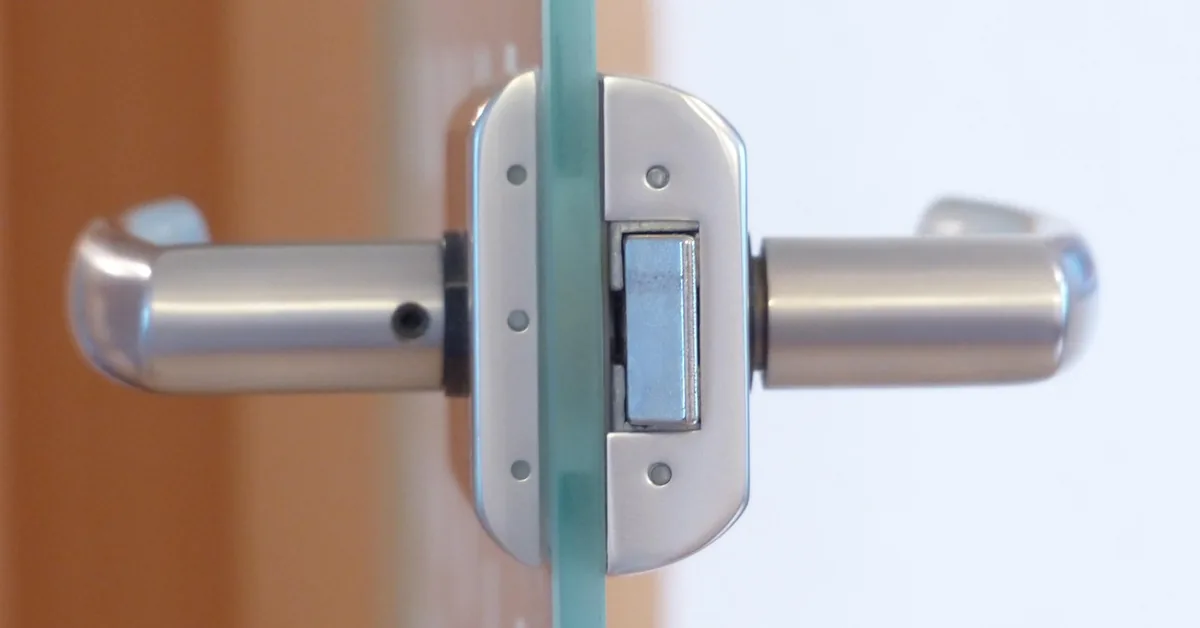
A mortise lock is a lock mechanism that fits inside a pocket cut into a door’s edge, rather than mounting on its surface. It’s the standard lock type on sliding glass and patio doors because its hook-shaped latch resists being pried open from outside. Sliding door mortise locks are typically spaced 3-11/16 or 3-15/16 inches between mounting screws — measuring this before ordering a replacement avoids a mismatched fit. See our guide to changing a patio door lock if your door is a hinged or French-style patio door instead.
Not every lock problem needs a full replacement. If the mechanism still operates smoothly and the only issue is a lost key or a new tenant, rekeying is cheaper. If the lock is loose, rusted, or won’t latch, replacing it is the more reliable fix:
| Option | Typical Cost | Best For |
|---|---|---|
| Rekey the existing lock | $15-$50 via locksmith, or ~$10-$20 for a DIY rekey kit | The mechanism works fine, you just need a new key |
| Replace the mortise lock only | $9-$40 in parts (DIY) | Lock is loose, rusted, or won’t latch, but the handle is fine |
| Replace the full handle + lock set | $22-$65 in parts (DIY) | The handle is also cracked, loose, or you want a keyed upgrade |
📊 DIY sliding glass door lock replacement runs $50-$200 in most cases, while professional replacement averages $358-$402 (about $118-$149 labor plus $240-$254 in parts). — Source: Angi, 2026 cost data
Choosing and Buying a Replacement Lock
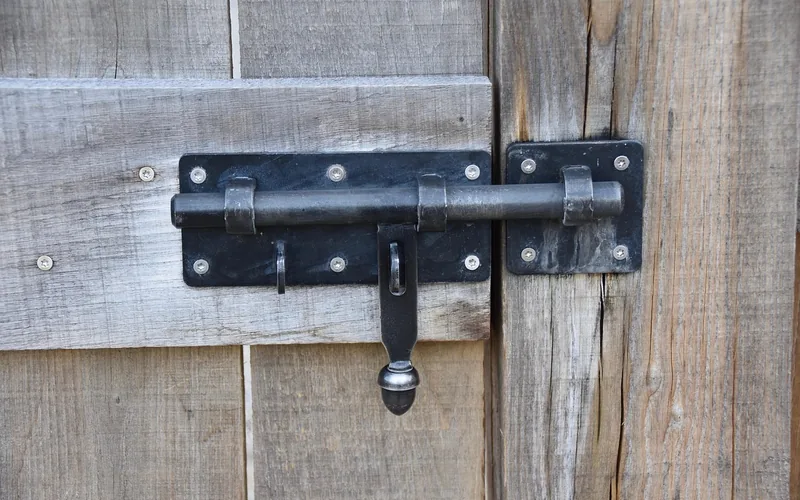
Sliding glass door locks come in a few common styles: keyed mortise locks that use a key from outside, thumb-turn locks operated by hand from inside, handle sets with a lock built into the pull handle, and bar or footbolt locks — a separate slide bolt mounted at the top or bottom of the door frame for extra security. Deadbolt-style add-ons are also available for doors that need a second locking point.
Match the new lock to your door’s screw spacing and thickness before buying, and check whether your door needs a keyed or non-keyed unit — interior sliders (patio doors that don’t lead outside) usually don’t need a key cylinder.
Best Sliding Glass Door Lock Pick
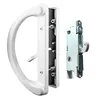
Patio Door Handle + Mortise Lock Set – $31.99
Matches the common 3-15/16 inch screw spacing covered in this guide’s sizing tip, with a reversible non-handed design and a hook-latch mortise lock built in.
- Best for: exterior sliding doors needing a same-spacing, non-keyed replacement
- Why we picked it: reversible design fits standard 3-15/16″ hole spacing without redrilling
- Main drawback: non-keyed — skip it if you specifically need a key cylinder
Compare more sliding door lock options
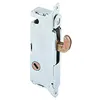 Option 1 Prime-Line Mortise Lock – $9.15
|
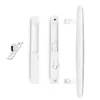 Option 2 Non-Keyed Night Lock – $21.99
|
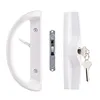 Option 3 Keyed Full Replacement Set – $39.99
|
As an Amazon Associate we earn from qualifying purchases.
Tools You’ll Need
Most sliding glass door lock swaps need only a few basic tools:
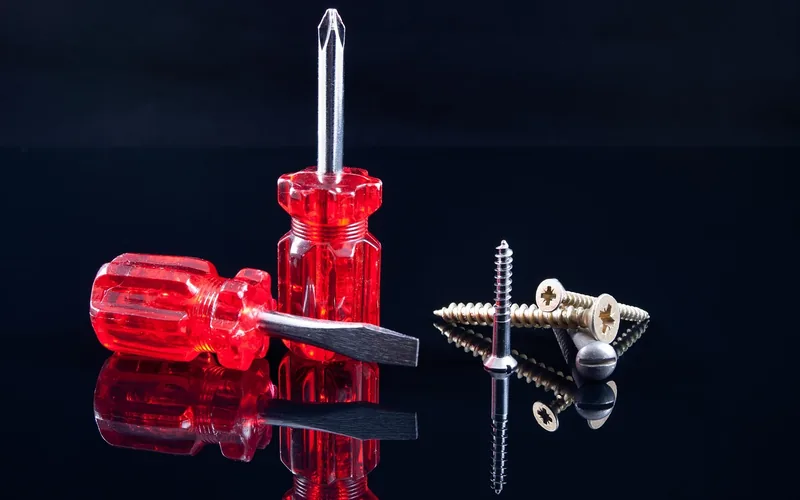
- Phillips and flathead screwdrivers
- A drill, for screws that are painted over or stripped
- A tape measure, to confirm your new lock’s screw spacing matches the old one
- The replacement lock or handle set
- A small dish or magnetic tray to keep screws from rolling away
How to Change the Lock: Step by Step
- Assess the lock: Slide the door open and check whether the key turns smoothly, the thumb-turn is loose, or there’s visible rust — this confirms you need a replacement rather than a rekey.
- Remove the old lock: Unscrew the mounting screws on the interior face, then pull the mortise lock straight out of the pocket cut into the door’s edge. Keep the screws — the new lock may reuse the same holes.
- Check the fit: Compare the new lock’s screw spacing and mortise depth to the old one before installing — units that look identical in photos can differ in dimensions.
- Install the new lock: Slide it into the mortise pocket, align the screw holes, and tighten the mounting screws snugly. Avoid over-tightening, which can strip the screw or crack the lock housing — if a screw does strip out, switch to a slightly larger screw rather than forcing the same one back in.
- Test it: Slide the door open and closed, lock and unlock it several times, and confirm the hook latch catches the strike plate cleanly with no wobble or drag.
Troubleshooting Common Problems
The Lock Doesn’t Align With the Strike Plate
If the hook latch misses the strike plate, loosen the mounting screws, shift the lock a fraction of an inch up or down, and retighten. On some doors the latch hardware in the door frame itself has shifted over time and needs the same adjustment.
The Lock Feels Stiff or Sticks
Dirt and dried lubricant buildup are the most common cause. Wipe the mechanism clean with a dry cloth, then apply a small amount of dry PTFE or silicone-based lock lubricant — avoid household oils like WD-40, which attract dust and gum up the mechanism over time.
If your sliding door’s handle itself is the part that’s loose, cracked, or won’t turn — rather than the lock mechanism inside it — see our separate guide on replacing a sliding glass door handle, since handle and lock issues are often confused for each other.
Frequently Asked Questions
Can you change the lock on a sliding glass door yourself?
Yes. Most sliding glass door locks are mortise locks held by two to four screws, and swapping one takes 15-30 minutes with a screwdriver and a correctly-sized replacement. Complex multi-point locking systems or doors under warranty are the main cases where calling a professional makes more sense.
How much does it cost to replace a lock on a sliding glass door?
DIY replacement typically costs $9-$40 for the lock itself, or up to $65 for a full handle-and-lock set, putting most jobs in the $50-$200 range once you include a few incidentals. Professional installation averages $358-$402 including labor, according to 2026 cost data from Angi.
Can you rekey a sliding glass door lock instead of replacing it?
Yes, if the lock mechanism still operates smoothly. Rekeying changes the internal pins so a new key works, without replacing the hardware itself, and typically costs $15-$50 through a locksmith or $10-$20 with a DIY rekey kit. Rekeying won’t fix a lock that’s rusted, loose, or physically worn — that needs a full replacement.
Why does my sliding glass door lock stick or feel loose?
Sticking is usually dirt or dried lubricant inside the mechanism; loosening is usually mounting screws that have backed out over years of use. Rust or corrosion on the faceplate is a sign the lock has reached the end of its life and should be replaced rather than repaired.
How do you replace the locking mechanism on a patio door?
Remove the mounting screws from the interior face of the handle, slide the old mortise lock out of the door’s edge, then slide in a replacement matched to the same screw spacing and tighten the screws snugly. Test the latch against the strike plate before considering the job done.
What are the different types of sliding glass door locks?
Common types include keyed mortise locks, thumb-turn locks, handle sets with a built-in lock, and bar or footbolt slide locks used as a secondary security point. Choose based on whether the door needs a key from outside and how much extra security the location calls for.
Conclusion
Replacing a sliding glass door lock is a straightforward DIY repair when the replacement matches your door’s screw spacing and mortise depth. Measure before you buy, keep the old screws in case the new lock reuses them, and test the latch against the strike plate several times before calling the job finished. If the lock still turns smoothly and you only need a new key, rekeying is the cheaper fix.
Sponsored / affiliate links. As an Amazon Associate I earn from qualifying purchases. I may earn additional commission from eligible campaigns.
 PGT Sliding Glass Door Latch with Thumbturn, Silver – 4-1/2 in. Hole Spacing Interior Handle Latch Replacement for Sliding Patio Doors
 Dog Door for Sliding Glass Door with Magnetic Plastic Flat, Sliding Door Pet Doggie Door Insert with Lock, Adjustable Height No-Cut Required Doggy Door Access Renters, Apartments, Patio (White, M)