How to Open a Magnetic Door Lock: Methods & Fire Code Rules
To open a magnetic door lock, interrupt its power with a keycard, keypad code, fob, or exit button — the electromagnet releases the moment power cuts. Maglocks hold up to 1,200 pounds of force, so forcing the door instead will damage it before the magnet gives way. This guide covers how maglocks work, every standard access method, troubleshooting a lockout, and what fire code actually requires for exit doors.
What Is a Magnetic Door Lock and Why Are They Popular?
Magnetic door locks, or maglocks, use an electromagnet to hold a door shut instead of a bolt. A metal armature plate mounted on the door meets an electromagnet mounted on the frame; when power flows, the two hold together with up to 1,200 pounds of force. Cut the power, and the hold releases instantly.
Maglocks are common in offices, apartment buildings, and access-controlled entries because there’s no keyhole to pick and no exposed moving parts to force. The tradeoff is that opening one without the right access method — or during a malfunction — takes a different approach than a standard deadbolt.
How Do Magnetic Door Locks Work?
A maglock has two parts: an electromagnet on the door frame and a steel armature plate on the door. Powered, the magnet pulls the plate flush and holds the door shut. To open it, something interrupts the power — a keycard reader, keypad, fob reader, or exit button — which drops the hold instantly.
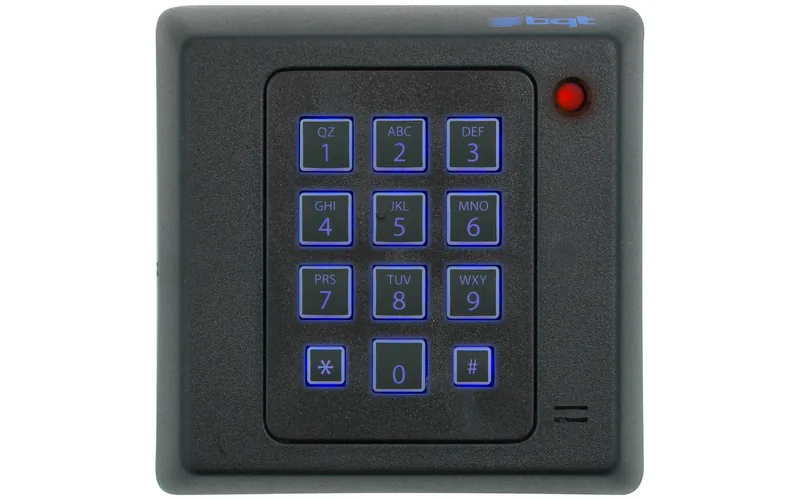
Most maglock systems are tied to a keypad or reader: entering the correct code or presenting the correct card cuts power just long enough for the door to swing open. Systems are built as either fail-safe (unlock automatically if power is lost) or fail-secure (stay locked without power). Knowing which type is installed matters — see the fire code section below, since the two are not interchangeable on every door.
Tools and Methods for Opening a Magnetic Door Lock
Which method applies depends on whether you have authorized access or are troubleshooting a lockout:
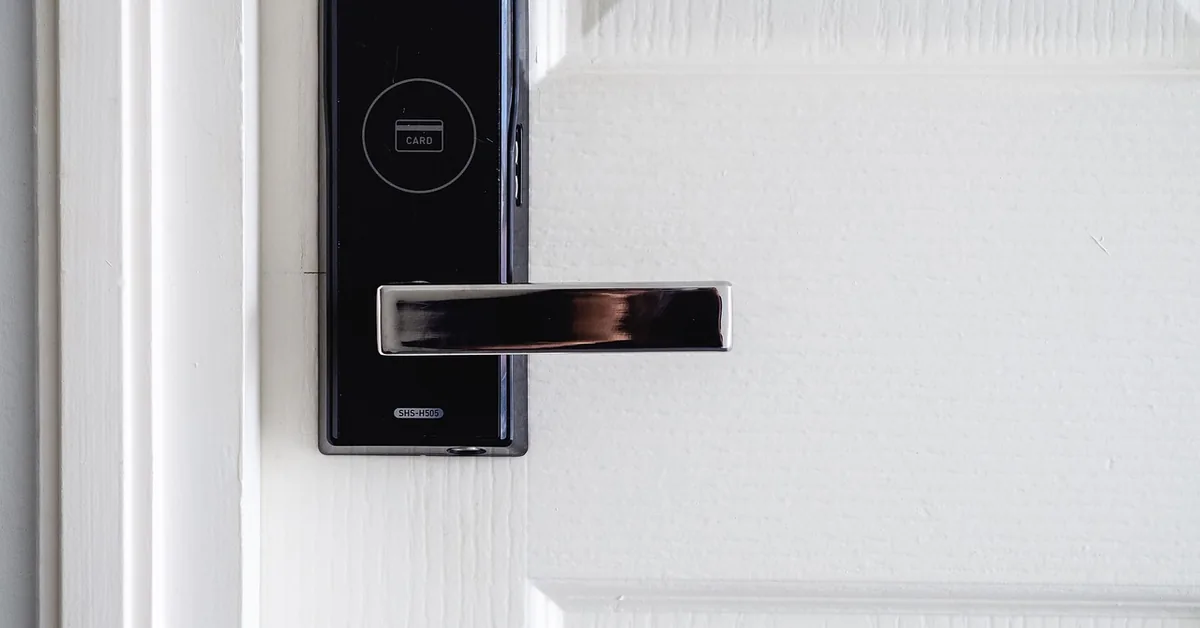
- Keycard or fob: most maglocks use RFID cards or fobs that signal the reader to cut power.
- Keypad code: a numeric or alphanumeric code entered on a keypad.
- Access control app: some modern systems pair with a smartphone app over Bluetooth or Wi-Fi.
- Exit button: a push-button or touch sensor inside the door that releases the lock — required by code on emergency egress doors (see below).
- Mechanical override key: some maglocks include a backup key or lever for emergencies.
- Power-cut access: for authorized troubleshooting only, cutting power at the control box releases a fail-safe lock — never attempt this on hardware you don’t own or have explicit permission to service.
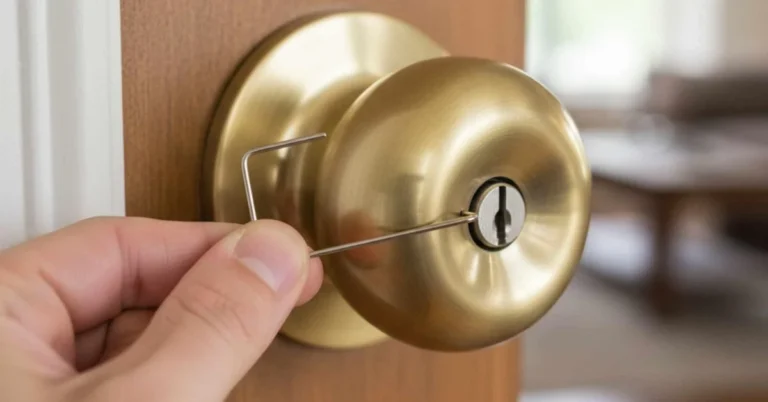
If the door you’re dealing with isn’t actually a magnetic lock — it has a standard keyed cylinder or knob instead — the access method is different; see our guide to unlocking a standard door lock instead.
Preparing to Open a Magnetic Door Lock
Before troubleshooting, confirm you have permission to access the door — your own home or car is fine, but for a shared office or rental, check with the owner or property manager first.
Gather your access tools (card, fob, code, or app) and confirm they’re working — a dead fob battery is one of the most common causes of a maglock “lockout.” Note any error message on the keypad or app, such as “low power” or “invalid card.” Check the door itself: dirt or misalignment on the armature plate can make a lock stick even after power is cut, and for car maglocks, confirm the vehicle battery isn’t dead.
Step-by-Step Guide to Opening a Magnetic Door Lock
Start with the standard access methods, then move to troubleshooting if those fail.
Step 1: Use Authorized Access
Swipe your keycard or fob over the reader, usually mounted near the door. On a keypad, enter your code and press “enter” or “#”. In an app, connect to the lock and tap “unlock.” Wait for a beep or green light, then push or pull the door — the magnet releases for only a few seconds, so move promptly.
Step 2: Try the Exit Button
If you’re inside and need to exit, look for a push-button or touch sensor near the door frame and press it firmly — the lock should release immediately. If the button doesn’t respond, it’s likely a power or wiring issue; move to troubleshooting below.
Step 3: Check for a Mechanical Override
Some maglock installations include a backup key or manual release lever, often hidden near the handle or under a cover plate. Use it as instructed in the lock’s manual. If you don’t have the key, the property manager typically keeps spares.
Step 4: Troubleshoot a Lockout
- Check the power: fail-safe locks should unlock automatically if building power is out; for fail-secure locks, check whether the backup battery is dead.
- Test the access device: replace fob batteries, try a different card, or confirm your phone has signal and the app is updated.
- Inspect the lock: look for loose wiring or a misaligned armature plate — gently realigning the door can restore contact.
- Contact a professional: if nothing above resolves it, a locksmith or the lock’s manufacturer can diagnose wiring or control-board faults safely.
Step 5: Emergency Methods (With Caution)
In rare cases you may need to bypass a maglock, but only with permission and legal authority. Cutting power at the control box can release a fail-safe lock, but electrical work carries real risk and should only be done by someone qualified. Never force the door — maglocks are rated to resist hundreds of pounds of force, and you’ll damage the door or frame before the magnet lets go.
📊 US fire code (NFPA 101 and the IBC) requires that maglocks on emergency egress doors be fail-safe and release on loss of power — a fail-secure maglock is only legal on non-egress, high-security doors like server rooms. Egress installations also require a request-to-exit sensor or a marked push-button within 5 feet of the door. Source: iDigHardware, “Code Requirements for Electromagnetic Locks”
“The door must also unlock upon loss of power to the locking system.”
Avoiding Common Mistakes
- Using the wrong access tool: double-check the card, fob, or code before assuming the lock has failed.
- Forcing the door: maglocks resist hundreds of pounds of pull — forcing it risks denting the door or bending the frame.
- Ignoring battery issues: a dead fob or backup battery is the most common cause of an unexpected lockout.
- Tampering without permission: bypassing a lock you don’t own or manage without consent can carry real legal consequences.
- Skipping maintenance: a dirty armature plate or loose mounting screw is a common cause of a maglock that won’t hold or won’t release cleanly.
Is Opening a Magnetic Door Lock Legal?
In the US, opening a maglock on property you own — your home or car — is legal. Opening someone else’s lock without permission is not, and can lead to criminal charges. Carrying tools intended to defeat access-control hardware in public can also raise legal questions in some states. Always get consent from the property owner or manager before troubleshooting beyond your normal access method.
Maintaining Your Magnetic Door Lock
Clean the armature plate and magnet face monthly with a damp cloth to remove dust and grime, and check mounting screws for looseness. Keep keypads and card readers free of debris, and test access devices regularly — a fob or card that stops working intermittently is an early warning sign of a battery or reader problem. If the system has a backup battery, replace it yearly; for car maglocks, keep the vehicle battery charged, since a dead battery can disable the lock entirely.
Choosing a Better Magnetic Door Lock
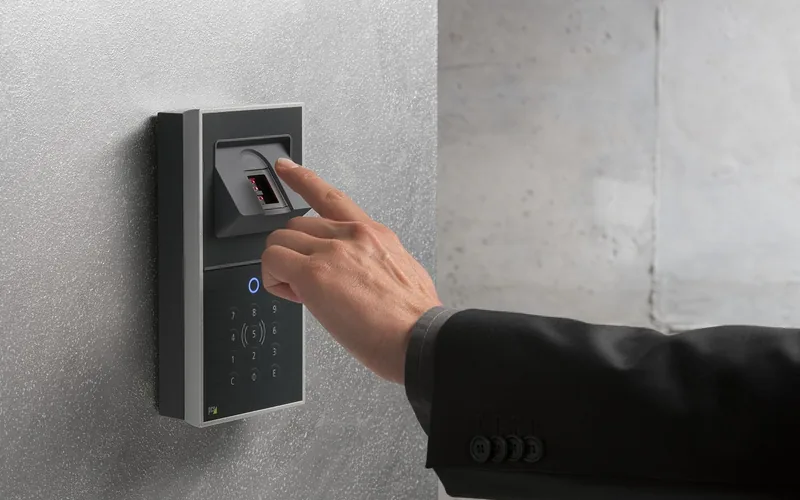
Basic maglocks are secure but fail if power is cut without a backup plan — a model with a backup battery and a genuine fail-safe design closes that gap. Higher-end systems add biometric access or smartphone app integration; expect to pay $50 to $500 for a complete access-control kit depending on holding force and features.
Here’s a comparison of common maglock types:
| Lock Type | Features | Price Range | Best For |
|---|---|---|---|
| Basic maglock | Standard electromagnet | $50–$100 | Small offices, home entries |
| Fail-safe maglock | Unlocks during power loss (code-required on egress doors) | $100–$200 | Emergency exits, apartments |
| Fail-secure maglock | Stays locked without power | $100–$200 | Non-egress high-security areas |
| Smart maglock kit | App or biometric access, remote control | $150–$500 | Modern homes, small businesses |
Best Beginner Access Control Kit Pick
AGPTEK RFID Door Access Control Kit (280kg/600lb) – $54.99
A complete keycard-and-keypad kit that matches the two access methods this guide covers first — proximity cards and a numeric code — plus the exit button wiring needed for code-compliant egress.
- Best for: a first DIY access-control install on an interior office or apartment door
- Why we picked it: includes the reader, lock, exit button, and power supply as one kit — no separate parts to source
- Main drawback: 600lb holding force is fine for a light interior door, not rated for a heavy exterior door
Compare more magnetic door lock options
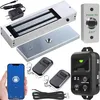
 Option 1 Tuya Smart Keypad Kit (1200lb) – $159.99
|
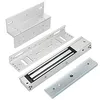
 Option 2 UHPPOTE 1200lb WiFi Maglock Kit – $185.90
|
 Option 3 Fail-Safe 600lb Electromagnetic Lock – $49.99
|
As an Amazon Associate we earn from qualifying purchases.
Troubleshooting Advanced Issues
If the maglock still won’t open after the steps above, the issue is usually one of these:
- Faulty reader: keycard readers wear out over time — test with a known-good backup card or fob.
- Software glitches: app-controlled locks sometimes need a reset or update to reconnect.
- Damaged magnet: electromagnets can weaken with age; a professional can test the actual holding force against the rated spec.
- Misaligned door: a sagging door keeps the plate and magnet from meeting flush — adjusting the hinges often fixes this.
For anything beyond a battery swap or a loose screw, call a locksmith or the lock manufacturer rather than forcing the door.
Frequently Asked Questions
What’s the easiest way to open a magnetic door lock?
Use your keycard, fob, or code on the reader or keypad. It’s quick if you have the correct access credential — the magnet releases within a second or two of a valid swipe or code entry.
Can I open a magnetic door lock without power?
Fail-safe locks unlock automatically without power — this is a fire-code requirement on emergency egress doors. Fail-secure locks stay locked without power and need a backup key or professional help to open.
Is it legal to open a magnetic door lock?
Yes, on a lock you own or have permission to access. Opening someone else’s lock without consent is illegal and can lead to criminal charges.
What if my keycard or fob doesn’t work?
Check the battery first — it’s the most common cause. If that doesn’t fix it, try a backup device or contact the property manager for a replacement card.
Can I open a magnetic door lock with tools?
Only with permission. Cutting power at the control box or using a field disruptor is work for a licensed professional and can be illegal to attempt otherwise.
How do I maintain my magnetic door lock?
Clean the plate and magnet face monthly, keep mounting screws tight, and test the access device regularly so a dying battery doesn’t turn into a lockout.
What if my car’s magnetic lock won’t open?
Check the car battery and the fob battery first, then the app connection if it’s a smart system. If it’s still stuck, contact the dealer or a locksmith rather than forcing the trunk or door.
Conclusion
Opening a magnetic door lock almost always comes down to the access method: keycard, code, fob, or exit button. When that fails, check the power and the battery before assuming the hardware is broken, and never force the door — maglocks are built to resist hundreds of pounds of pull. If the door sits on an emergency exit route, confirm it’s genuinely fail-safe; that’s not optional under fire code.
Sponsored / affiliate links. As an Amazon Associate I earn from qualifying purchases. I may earn additional commission from eligible campaigns.