Best Wood for Doors (2026): We Compared Solid-core Options
For most interiors, choose solid-core doors with a hardwood veneer or stable hardwood frame, and save softwood for painted, low-impact areas. For exterior doors, pick a moisture-stable hardwood such as mahogany, teak, oak, or fir. Poor wood choice leads to warping, dents, sound leaks, and moisture swelling or splitting, which turns a cheap door into a quick replacement. This guide compares solid-core, hardwood, and softwood doors by warping, sound control, moisture resistance, and denting so you can match the species and construction to each room and exposure.
Best overall pick: solid-core doors for most interiors
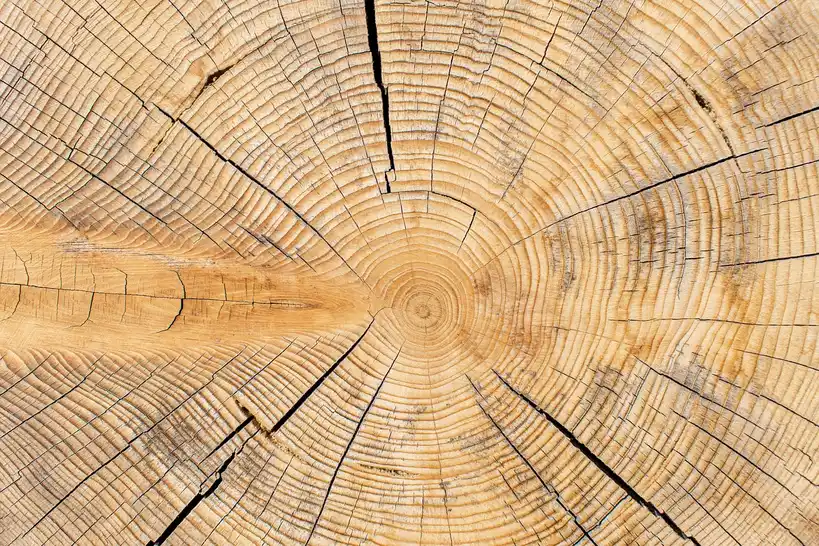
For bedrooms, bathrooms, and many other interior openings, solid-core doors are usually the best mix of sound control, stability, and price. They feel heavier than hollow-core doors, block sound better, and stay more dimensionally stable than solid wood when indoor humidity changes.
Why solid-core beats hollow-core for sound and feel
Solid-core doors use a fine-grade surface veneer bonded over engineered wood such as fiberboard or Masonite, so they are denser than hollow-core doors. That extra mass helps absorb sound, and the door usually closes with a more substantial feel than a honeycomb or cardboard-style door.
Hollow-core doors are light and inexpensive, which is why they are common in passageways. They are a poor fit where you want privacy, better sound reduction, or better resistance to dents from bags, shoes, and furniture edges.
When solid wood is worth the extra cost
Solid wood doors are made entirely of natural wood, excluding hardware and accessories. They are the right pick when you want the look of real wood throughout the slab, expect refinishing later, or need a heavier door with stronger sound control than a basic hollow-core model.
That said, solid wood is not the safer choice for every opening. Natural wood moves with moisture, so a solid-wood door can swell, twist, or split more easily than a stable engineered core if the room has repeated humidity swings.
Where solid-core is the safer buy than solid wood
Solid-core is the smarter choice when stability matters more than all-wood construction. In bathrooms, laundry rooms, and any interior space with changing humidity, a good solid-core slab often holds its shape better than a full solid-wood door while still giving you a quieter, heavier door than hollow-core.
Picture a 30-inch bedroom door next to a noisy hallway. A solid-core slab can reduce sound transfer enough to make the room feel more private without the cost or movement risk of a full solid-wood slab.
Quick comparison
| Product | Badge | Best for | Price | ||
|---|---|---|---|---|---|
 |
BARNSMITH 30×80 in 2-Panel White Primed Shaker Door Slab |BARNSMITH | Our pick | 30×80 · solid core · primed shaker | $199.00
Price as of 27 Oct 2026
|
View |
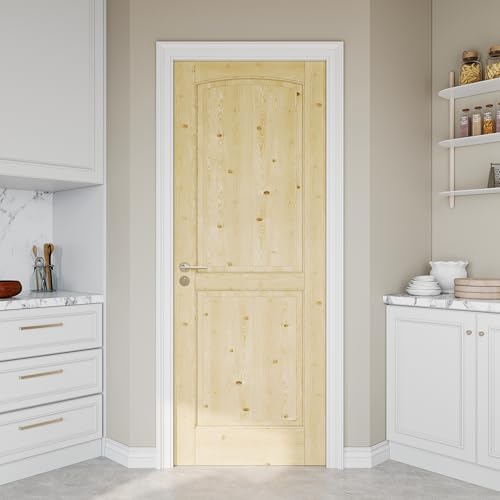 |
30×80 Interior Wood Door Slab,2-Panel Pine Solid CoreJUJUBON | Budget pick | 30×80 · solid core · knotty pine | $289.99
Price as of 27 Oct 2026
|
View |
 |
32×80 Interior Door Slab,Wood & Frosted Glass Doors,PantryCRUTOP | Also great | 32×80 · solid core · pine and glass | $298.99
Price as of 27 Oct 2026
|
View |
 |
36" x 80" Black Fiberglass Exterior Door Slab Only, RightFefunivita | Upgrade pick | 36×80 · fiberglass · frosted 4-lite | $475.99
Price as of 27 Oct 2026
|
View |
Use the table below to match construction and species to exposure, noise, and maintenance burden. The best choice is the one least likely to fail in that location.
For exterior openings, do not stop at species name alone. Finish schedule, overhang, and exposure matter as much as the wood itself.
How we chose
We compared doors by four failure points: warping risk, moisture exposure, sound transfer, and dent resistance. We also weighed finish upkeep, because the best door on paper can still be a poor buy if it needs more maintenance than you will actually do.
Solid-core construction gets extra weight for interiors because it is often the better stability choice. Species matter too, but only when matched to the room and weather exposure.
Door decision matrix

The right door depends more on location than on marketing labels. Use the matrix to narrow the field before you shop.
| Location | Exposure | Noise priority | Dent resistance | Warp risk | Finish needs | Best-fit construction/species | Avoid this |
|---|---|---|---|---|---|---|---|
| Bedroom | Low indoor humidity swings | High | Medium | Low to medium | Paint or stain, depending on veneer | Solid-core door with hardwood veneer; sapele mahogany if you want stronger sound reduction | Hollow-core if privacy matters |
| Bathroom | Repeated humidity spikes | Medium | Medium | Medium | Durable sealed paint or moisture-tolerant finish | Solid-core door or stable hardwood frame with sealed finish | Unfinished pine or any door with exposed edges |
| Closet | Low | Low to medium | Low to medium | Low | Paint only is usually fine | Hollow-core for lowest cost, or solid-core if you want a heavier feel | Premium solid wood unless the closet is highly visible |
| Laundry room | Heat, moisture, and vibration | Medium | Medium | Medium to high | Good edge sealing and durable paint | Solid-core with stable veneer; kiln-dried stock is a plus in custom work | Light hollow-core slabs |
| Covered entry | Some weather, limited direct rain | Medium | High | Medium | Exterior-rated sealant or paint system | Mahogany, white oak, Douglas fir, or cedar with proper finish | Unsealed pine and thin interior-only slabs |
| Fully exposed exterior door | Direct sun, rain, and seasonal movement | Medium | High | High | Strict sealing and maintenance schedule | Mahogany, white oak, or a well-built fir door; engineered exterior construction if stability is the priority | Pine without excellent protection |
Say your bathroom door sees steam every morning and the latch side keeps rubbing after summer humidity rises. That points to a door that is more stable than a cheap solid wood slab, so a solid-core door with a sealed finish is the safer buy.
A common first-timer mistake is choosing a plain pine slab for a south-facing exterior entry because it stains nicely indoors. Without a strong finish and a protective overhang, pine can move more outdoors than many buyers expect.
White oak: best for high-traffic and exterior doors
White oak is a strong hardwood choice when you need dent resistance and better moisture tolerance than many other woods. It is especially useful for high-traffic interior doors and for exterior doors that need a harder, more stable species.
Why white oak holds up better than red oak outdoors
White oak has a closed-cell grain, which helps it handle moisture better than red oak in exterior use. That grain structure also helps it resist dents and scratches in busy rooms, so it can work well where carts, shoes, or pets hit the door often.
For an exterior slab, white oak is a better match when you want a hardwood look without stepping all the way up to a premium tropical species. It still needs sealing and upkeep, though; no wood door should be left unprotected outside.
Best use cases for dent resistance and stability
Use white oak for a hallway door, a mudroom entry, or a front door that takes frequent contact. It is less likely than softer species to show edge damage, and it offers a more premium feel than most budget softwoods.
The drawback is cost and weight. White oak is harder to machine and finish than softwoods, and a heavy slab can be more demanding on hinges and installation.
Barnsmtih primed shaker: best for quiet interiors
This BARNSMITH solid-core interior slab is a fit for bedrooms, offices, and other painted interiors where you want more sound reduction than hollow-core provides. Based on the published specs, the primed surface is ready for paint and the composite wood build should give you a steadier feel than a light passage door.
The main strength is practical: a primed, paint-ready door with solid-core construction is easier to finish and usually better at reducing sound transfer than an empty-core slab. The drawback is that it is still an interior-focused choice, so it is not the right pick for exposed weather or for buyers who want visible natural grain.
Mahogany is one of the best exterior-door woods when you want a premium look and strong resistance to moisture-related problems. Its natural oils help resist moisture, rot, and insects, which is why it remains a common recommendation for entry doors.
Why its natural oils matter outdoors
The oils in mahogany help it handle outdoor exposure better than many less durable woods. That does not make it maintenance-free, but it does make the species a strong fit for a front door that faces weather and needs a deep reddish-brown grain.
Mahogany also has the kind of appearance that reads as high-end without needing heavy staining. The drawback is cost; it is usually chosen for appearance and durability, not for budget projects.
When the finish schedule matters as much as the species
Even a premium exterior wood needs a proper coating system. Sun and rain can break down the finish first, then water reaches the wood and starts swelling, checking, or edge damage.
If the door gets direct sun, plan on routine inspection of the top edge, bottom edge, and latch side. Those are the spots most likely to fail first.
Douglas fir: best for large stable panels
Douglas fir is a strong softwood pick when you want stiffness and a straight grain without moving all the way into a premium hardwood price. It works for both interior and exterior doors, especially where a large panel needs to stay square.
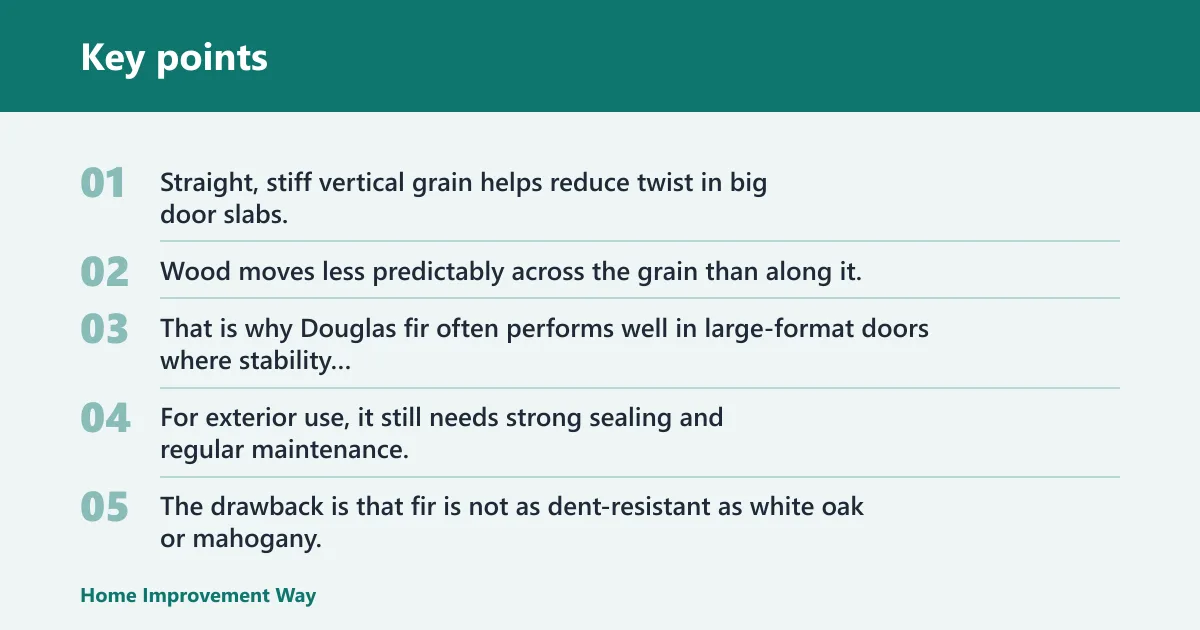
The grain is the appeal. Straight, stiff vertical grain helps reduce twist in big door slabs, which matters when the panel is tall, wide, or exposed to changing temperatures.
Why straight grain helps doors stay square
Wood moves less predictably across the grain than along it, so straighter grain patterns can help a door remain flatter. That is why Douglas fir often performs well in large-format doors where stability matters as much as appearance.
For exterior use, it still needs strong sealing and regular maintenance. The drawback is that fir is not as dent-resistant as white oak or mahogany, so it can show impact marks in high-traffic spots.
Where Douglas fir makes sense inside and out
Use Douglas fir for a covered entry, a sheltered side door, or a large interior panel where you want a cleaner grain than pine. It can also be a smart choice for custom work when kiln-dried lumber is specified for extra stability.
In highly exposed weather, fir needs careful finishing and maintenance. If the door sees direct rain and full sun, a denser hardwood is usually the safer long-term buy.
Pine and cedar: best budget and damp-climate choices
Pine is the budget pick, but it is best for protected locations and painted interiors rather than exposed weather. Cedar is the better softwood for damp climates because it has natural rot resistance and better outdoor tolerance than pine.
That difference matters. Pine is easy to work and finish, yet it can warp outdoors without a good finish and overhang. Cedar handles wet conditions better and is also insect-resistant.
When pine is fine and when it is a poor outdoor choice
Pine works well for closets, painted bedroom slabs, and other low-abuse interior doors. It is a reasonable way to keep costs down when the door is not expected to take heavy impact or direct moisture.
Outside, pine needs more protection than most buyers expect. If the door is exposed to rain or strong sun, it becomes a poor long-term choice unless the finish system and shelter are both very good.
Why cedar is the better softwood for wet locations
Cedar is the stronger softwood choice for wet or damp conditions because its natural rot resistance gives it an advantage over pine. It is lighter than many hardwoods, which can help with handling and installation on exterior openings.
Its drawback is dent resistance. Cedar is softer than white oak or mahogany, so it can mark more easily in busy areas.
Which one should you buy?
Choose the door by exposure first, then by budget. For most bedrooms and bathrooms, a solid-core slab is the safer buy; for a front door or any exposed exterior opening, step up to a moisture-stable hardwood or a well-built fir door with a serious finish system.
For sound control, choose the heaviest door you can reasonably install, then favor dense species or a dense engineered core. For budget work, pine is fine in protected interiors, while cedar is the better softwood if the door faces moisture.
Best for bedrooms: solid-core with a hardwood veneer. Best for bathrooms: solid-core with careful sealing around edges. Best for a front door: mahogany or white oak, with Douglas fir as a useful alternate in the right build. Best for a closet: hollow-core if cost matters most, or solid-core if you want more weight and quieter closing.
- Match the door to the room first.
- Check moisture exposure next.
- Pick the densest practical construction for sound control.
- Choose hardwood for dent resistance where traffic is high.
- Use softwood only when the location is protected and maintenance is realistic.
- Seal every exterior wood door and keep up the finish.
Frequently asked questions
What is the best wood for a front door?
Mahogany is one of the best front-door woods because its natural oils help it resist moisture, rot, and insects. White oak is another strong choice, especially if you want more dent resistance. For a sheltered entry, Douglas fir can also work well when properly sealed and maintained.
Is solid wood better than solid-core for doors?
Not always. Solid wood gives you real wood throughout and good sound control, but solid-core is often the smarter pick when stability matters more than all-wood construction. Solid-core doors are generally more stable in humidity, which makes them a better fit for many interiors.
What wood is best for interior doors?
For most interiors, solid-core doors are the best overall choice, especially when you want better sound reduction and fewer movement problems. If you want visible wood grain, white oak works well in high-traffic rooms, while poplar is a practical budget interior wood with consistent grain and pale coloring.
Should I use hardwood or softwood for a door?
Use hardwood when dent resistance, wear, and a more premium look matter most. Use softwood when the door is protected, painted, or part of a budget project. For exterior use, hardwood usually lasts better, but cedar and Douglas fir can be smart softwood choices when they are properly finished.
Is pine a good wood for doors?
Pine is a good budget choice for interior doors and other low-impact spaces. It is easy to work, but it is not the best outdoor option because it can warp without good finish protection and an overhang. For exposed locations, cedar, white oak, or mahogany are better bets.
Does a wood door need to be sealed?
Yes, especially outdoors. Exterior wood doors need sealing or another durable finish system to slow moisture uptake and reduce swelling, checking, and warping. Even interior doors in bathrooms and laundry rooms benefit from a finish that protects edges, especially around the bottom and latch side.
Sponsored / affiliate links. As an Amazon Associate I earn from qualifying purchases. I may earn additional commission from eligible campaigns.