Hardwood vs softwood for woodworking: choose by project
Choose hardwood for surfaces that take wear, for stiffer parts, and for fine furniture. Choose softwood for lower cost, faster cutting, and framing or treated outdoor parts. Picking by species alone can lead to weak joinery, fast denting, warped panels, or overspending. This guide shows how to choose by project function first, then species, using workability, stability, wear, and cost.
This guide is part of our Woodworking materials guide series.
Hardwood vs softwood: the core trade-off
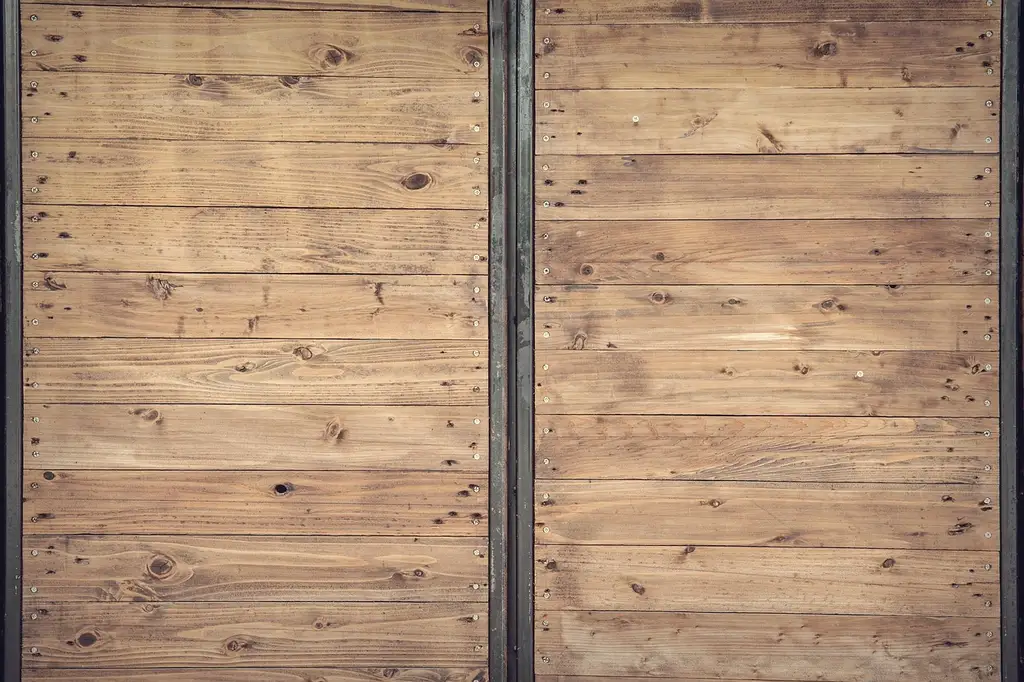


Hardwood comes from deciduous trees. Softwood comes from conifers. That botanical split matters because density usually tracks with dent resistance, weight, handling, and tool wear, but the project goal should come first: a tabletop, a cabinet side, a fence panel, and a wall stud do not need the same wood.
Hardwoods are typically denser and heavier, which can help resist dents and scratches on exposed surfaces. Softwoods are usually lighter and often less expensive, which can make handling and cutting easier and may suit a lower-cost build that will not face heavy abrasion.
| Decision factor | Hardwood | softwood for woodworking: how to choose | Winner |
|---|---|---|---|
| Wear resistance | Better dent, divot, and scratch resistance | Less resistant on exposed surfaces | Hardwood |
| Weight and handling | Heavier and harder to move | Lighter and easier to cut, lift, and assemble | Softwood |
| Cost and availability | Often higher cost for furniture-grade stock | Usually lower cost and widely available | Softwood |
| Best-fit use case | Furniture, flooring, wear-prone parts | Framing, windows, utility builds, cost-sensitive parts | Tie |
Wear resistance
Hardwoods better resist dents, divots, and scratches, so they are the safer choice for tabletops, chair arms, stair treads, and any surface that gets repeated contact. Softwood can work there, but it marks faster and usually needs more care or a protective design.
Weight and handling
Weight changes every step of the job. Heavier stock is harder to carry, clamp, flip, and sand, and it can slow down layout and assembly. Lighter softwood is easier to move and machine, which matters on large panels or overhead installs.
Cost and availability
Softwood is often the better value when the part does not need high abrasion resistance. Hardwood costs more in many common grades, so using it everywhere can waste money without improving the finished project in a meaningful way.
Best-fit use case
There is no universal winner. Hardwood wins where the part is touched, scraped, or expected to stay attractive for years. Softwood wins where the part is hidden, structural, temporary, or large enough that price and handling matter more than a harder surface.
How does each type perform in real projects?
For furniture, hardwood usually gives better surface durability and a cleaner finish on visible parts. For outdoor projects, species choice matters more than the hardwood-softwood label, because weather resistance and moisture movement can outweigh density alone. For framing and shop fixtures, softwood often makes more sense because it is lighter, common, and built for utility.
Furniture and wear-prone surfaces
Tables, benches, cabinet faces, and shelves that take daily abuse benefit from hardwood. Oak is a common affordable benchmark hardwood, and it weighs about 37 to 56 pounds per cubic foot. That added mass usually brings better resistance to dents and a more substantial feel in finished furniture.
Mahogany is a harder hardwood option and is nearly twice as hard as oak. That makes it a stronger candidate for parts that see repeated contact or need a more durable edge, though final species choice still depends on budget and working properties.
Outdoor projects and exposure
Teak has natural weather-resistant properties, which is why it is a strong choice for outdoor furniture. Cedar is also prized for natural weather resistance and is often a lower-cost outdoor-wood alternative. For exposed work, the key is not only hardness, but how well the wood handles moisture and decay pressure.
Say your project is a 6-foot garden bench with slats and end grain exposed at the legs. A dense indoor hardwood can still fail early if it is not suited to weather, while teak or cedar can make more sense because the wood itself is part of the defense against the environment.
Framing, shop fixtures, and utility builds
Softwoods are usually used for windows and framing, and pine makes up the majority of the framing used in homes. Pine is the most common softwood, and it weighs about 22 to 35 pounds per cubic foot. That lower weight is a major advantage when you are moving long lengths, fastening overhead, or building parts that do not need premium surface hardness.
Suppose you are building a shop cabinet carcass from 3/4-inch stock and the front will get face frames, drawers, and hardware. Pine or another softwood can be the smarter starting point if the cabinet will live against a wall and the doors, drawer fronts, or countertop carry the visible finish work.
Side-by-side comparison of the factors that affect selection
The right choice depends on more than hardness alone. Machining behavior, tearout risk, tool wear, finish quality, and seasonal movement can change whether a board feels easy or frustrating to work with. Those factors matter most when you are cutting joinery, building wide panels, or trying to get a clean finish on the first pass.
| Factor | Hardwood | Softwood | Winner |
|---|---|---|---|
| Hardness and dent resistance | Usually higher | Usually lower | Hardwood |
| Weight | Usually heavier | Usually lighter | Softwood |
| Machining ease | Can be harder on tools | Usually cuts faster and easier | Softwood |
| Tearout risk | Can be high in interlocked or figured grain | Often easier to plane cleanly, though knots can be troublesome | Tie |
| Finish behavior | Often supports a refined, durable surface | Can blotch or dent more easily | Hardwood |
| Seasonal stability | Varies by species and cut; wide boards still move | Also varies by species; movement still needs allowance | Tie |
Hardness and dent resistance
Density affects durability, and it also affects how well a surface shrugs off impact. A hardwood desktop or bench top is more likely to stay presentable under daily use, while a softwood top may show compression marks from tools, dishes, or hardware much sooner.
Weight
Weight changes how the wood feels during every stage of the build. Heavy boards can be harder to align, clamp, and fit precisely, especially on large casework or stair parts. Lighter boards reduce fatigue and simplify dry fitting, but that benefit should not override a need for wear resistance.
Machining ease, tearout risk, and tool wear
Softwood often cuts faster and is generally easier on blades and bits. Hardwood can cause more tool wear, especially in dense or abrasive species, and figured grain can raise tearout risk during planing or routing. That is why the best species for a project is the one that balances surface quality with the tools and time available.
Finishing behavior and surface quality
Hardwoods often take fine finishes more cleanly on visible furniture parts. Softwoods can still finish well, but resin pockets, knots, and uneven earlywood-latewood growth can make the surface less predictable. If the finish is the star of the project, start with a wood that gives you the best chance of uniform sanding and stain uptake.
Moisture movement and seasonal stability
Wide boards and panels move across the grain as humidity changes. That matters for tabletops, cabinet doors, and panel glue-ups, where a board that is too stiff in the wrong direction can split, cup, or stress joinery. Leave room for movement, use the right joinery for panels, and do not assume hardwood is automatically more stable than softwood.
Which species should you compare first?
Start with species that give you a practical benchmark for the job. Oak and pine cover many common decisions. Teak and cedar matter when weather exposure is part of the design. Mahogany is useful when you need a harder hardwood and can justify the cost.
Oak vs pine
Oak is the most common type of hardwood, and it is a practical first comparison because it sits in an affordable middle ground for many furniture and trim projects. Pine is the most common type of softwood, and it is the default for framing and utility work because it is lighter, easier to handle, and usually cheaper.
When should you use pine instead of oak? Use pine when the piece will be painted, hidden, or built in a way that does not rely on a highly durable exposed surface. Use oak when the surface will be touched often, the edge needs to resist abuse, or you want a harder, more durable visual statement without moving into premium hardwood pricing.
Teak vs cedar
Teak is the stronger outdoor furniture choice when natural weather resistance is the priority and the budget allows it. Cedar is the softwood alternative many builders reach for when they want natural weather resistance at a lower cost. Both can make sense outdoors, but neither should be chosen only for density.
Mahogany as a harder hardwood option
Mahogany is nearly twice as hard as oak, so it belongs in the conversation when you need a tougher hardwood surface or a more premium feel. It is not the default answer for every project, but it can be the right answer when durability, machining quality, and finish appearance all matter on the same part.
Choose hardwood if… / choose softwood if…
Choose hardwood if the project needs wear resistance, a cleaner finished look, or a heavier board that feels stable in service. Choose softwood if the project needs lower cost, lighter weight, faster cutting, or structural stock where appearance is secondary. The right pick follows the job, not the label.
Choose hardwood if the project needs wear resistance or a refined finish
Pick hardwood for tabletops, chair parts, stair treads, cabinet doors, and flooring. These are the places where dent resistance, scratch resistance, and finish quality pay off over time. If the board will be touched every day, hardwood is often the better long-term value.
Choose softwood if the project needs lower cost, lighter weight, or easier handling
Pick softwood for framing, shop cabinets, painted utility furniture, and parts that are large enough that weight becomes a problem. Softwood is also a smart choice when the final surface will be hidden or coated, because expensive density may add little practical benefit.
Choose by load, exposure, and joinery requirements
Structural use and outdoor exposure change the answer fast. For load-bearing parts, use the species and grade that fit the span and fastening plan. For outdoor parts, choose weather-resistant wood or a properly treated assembly. For joinery, remember that heavy wood does not fix poor design; it only changes the demands on the joint.
How should cost, availability, and weight guide your choice?
Cost and availability should narrow the field, not decide it alone. Weight should tell you how hard the build will be to cut, carry, and assemble. The best choice is the wood that fits the project’s function without paying for properties you will not use.
When pine makes more sense than oak
Pine makes more sense when the part will be painted, hidden, or replaced easily. It is also the better choice when you need long lengths, large panels, or fast turnover on a project and the reduced weight will save time at the bench and during installation.
When paying more for hardwood is worth it
Pay more for hardwood when the part will take repeated contact, support a visible finish, or define the look of the project. A more expensive board can be cheaper over time if it avoids denting, rough wear, or an early replacement.
How board weight changes cutting, sanding, and assembly
Heavier boards can feel more stable under a cutter, but they also increase fatigue and slow down handling. Lighter boards speed up assembly and reduce strain, yet they may dent sooner. That trade-off is why wood density matters before you reach for a species name.
How to Use the People Also Ask (PAAs) Questions for SEO Ben…
Use the questions people already ask to organize the page around decisions, not definitions. The best structure answers the main comparison first, then routes readers to project-specific choices such as furniture, outdoor use, framing, and beginner projects. That keeps the article useful while covering the same search intent from several angles.
Wood selection matrix: match species to the job
Use this matrix as a first-pass filter. Start with the project, then match the species to hardness, weight, cost tier, outdoor suitability, machining ease, and finishing behavior. The score is a practical guide, not a substitute for board grade, moisture content, or joinery design.
| Species | Hardness | Weight | Cost tier | Outdoor suitability | Machining ease | Finishing behavior |
|---|---|---|---|---|---|---|
| Pine | Low | Light | Low | Low to moderate with treatment | Easy | Can blotch; often best painted |
| Cedar | Low to medium | Light | Low to medium | High | Easy | Good for simple finishes |
| Oak | Medium to high | Medium to heavy | Medium | Moderate with proper protection | Moderate | Strong visible grain; finishes well |
| Teak | High | Medium to heavy | High | High | Moderate | Excellent for outdoor finishes |
| Mahogany | High | Medium | High | Moderate with protection | Good to moderate | Excellent for fine furniture |
Beginner-friendly picks
Pine and cedar are often common first choices because they are relatively light, easier to cut, and can be less demanding during setup and joinery. Pine is the better choice when the part is hidden or painted. Cedar is the better choice when the part will live outdoors and natural weather resistance matters more.
Intermediate picks
Oak is a strong step up for furniture and wear-prone parts because it balances price, durability, and finish quality. It rewards careful layout and decent tooling, and it is a practical way to move from utility lumber to furniture stock without jumping straight to premium species.
Advanced or specialty picks
Teak and mahogany are better when the project has a clear reason to justify the cost and machining demands. Teak is a top option for outdoor furniture. Mahogany is a harder hardwood option for furniture that needs a durable surface and a refined finish.
Frequently asked questions
What is the difference between hardwood and softwood for woodworking?
Hardwood comes from deciduous trees, and softwood comes from conifers. In woodworking, the bigger practical difference is usually density: hardwoods are typically heavier and better at resisting dents and scratches, while softwoods are usually lighter, cheaper, and easier to handle for framing or utility builds.
Is hardwood always better than softwood for furniture?
No. Hardwood is better for wear surfaces and fine visible parts, but softwood can be the smarter choice for painted furniture, large carcasses, or pieces where weight and cost matter more than surface hardness. The right choice depends on use, finish, and handling needs.
Which woods are best for beginner woodworking projects?
Pine and cedar are often best for beginners because they are easier to cut and assemble. Pine is a good choice for painted indoor projects. Cedar is a better starting point for outdoor work, since natural weather resistance matters more there than a hard surface alone.
When should I use pine instead of oak?
Use pine when the project is painted, hidden, structural, or budget-sensitive. Use oak when the part will be seen, handled often, or exposed to daily wear. Pine’s lighter weight also makes it easier to move through cutting, clamping, and assembly.
What hardwood is best for durable furniture?
Oak is a practical durable furniture choice because it is a common hardwood and sits in an affordable range for many projects. Mahogany is a harder option when you want more surface durability and are willing to pay more for the stock and the working time it may require.
How does wood weight affect workability and durability?
Weight affects how hard the wood is to carry, fit, and sand, and it often tracks with dent resistance. Oak at 37 to 56 pounds per cubic foot feels more substantial than pine at 22 to 35 pounds per cubic foot, but the extra mass is only worth it when the project benefits from it.
Sponsored / affiliate links. As an Amazon Associate I earn from qualifying purchases. I may earn additional commission from eligible campaigns.