Hard Maple Vs Soft Maple: Key Differences You Should Know
Finding the right wood type can seem tricky. Hard maple and soft maple are often confused. This article explains their main differences clearly. You will learn how they look, feel, and perform. This helps you choose wisely for your furniture, flooring, or other woodworking ideas.
What’s the Big Deal with Maple Wood?
Maple wood is a popular choice for many things. People like it for furniture, cabinets, flooring, and even musical instruments. It has a smooth, fine grain. This makes it look really nice and work well for finishes.
There are many types of maple trees. The two most common ones used in woodworking are hard maple and soft maple. They come from different kinds of maple trees. Even though they share the same “maple” name, they have some important differences. These differences matter a lot for how you use the wood.
Hard Maple: The Tough Guy
Hard maple is also known as sugar maple. This is the tree that gives us maple syrup! It’s famous for being very strong and dense. Think of it like a tough, reliable friend.
The wood from hard maple trees is heavy. It has a pale color, usually creamy white. Sometimes you might see a slight reddish or brownish tint. Its grain is very fine and straight. This makes it incredibly smooth to touch. It’s also very hard. This means it resists dents and scratches really well.
Soft Maple: The Versatile Pal
Soft maple isn’t actually soft like pine. It’s just softer than hard maple. It comes from trees like red maple and silver maple. These trees grow faster than sugar maples.
Soft maple wood is lighter in weight than hard maple. Its color can vary more. It might be a pale white, or it could have more brown or reddish streaks. The grain is still fine, but it might not be as consistent as hard maple. It’s still a good wood, but it’s not quite as tough.
Comparing Hard Maple and Soft Maple: The Details
Let’s dive into what makes these two woods different. It’s not just about hardness. It’s about how they look, how they behave, and what they’re best used for.
Density and Hardness: The Core Difference
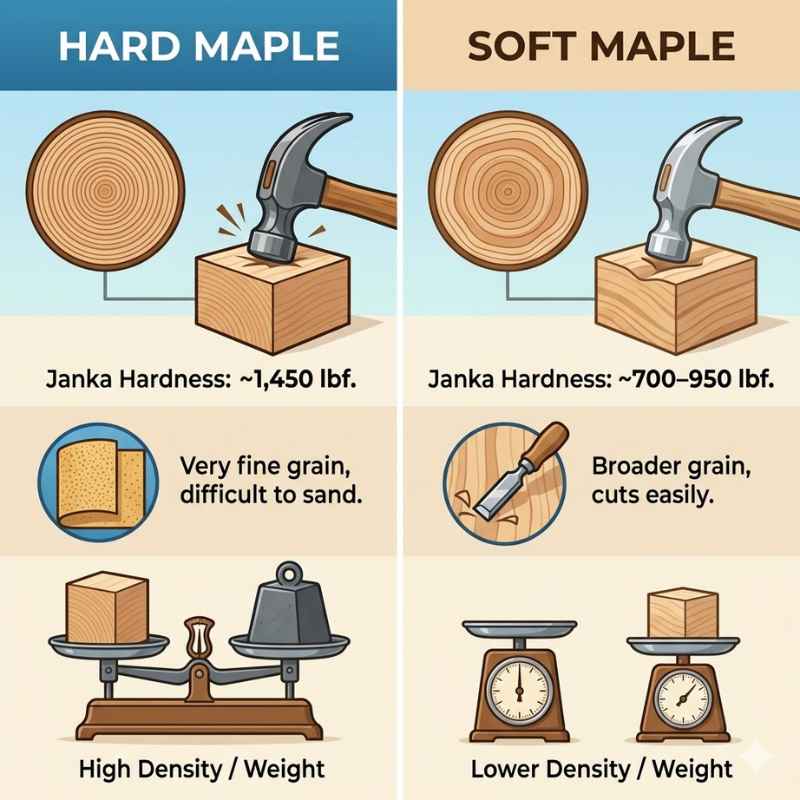
This is the most talked-about difference. Hard maple is much denser. It’s harder to dent or scratch. This makes it great for places that see a lot of wear and tear.
Think about flooring. Floors get walked on all the time. They get chairs dragged across them. Hard maple is a champion here. It holds up much better.
Soft maple is less dense. It’s still harder than many other woods, but it will show dents more easily. If you are making a coffee table that might get kicked, hard maple is a safer bet.
Hard Maple: Very dense. Resists dents and scratches.
Soft Maple: Less dense. Can dent more easily.
Appearance: Color and Grain
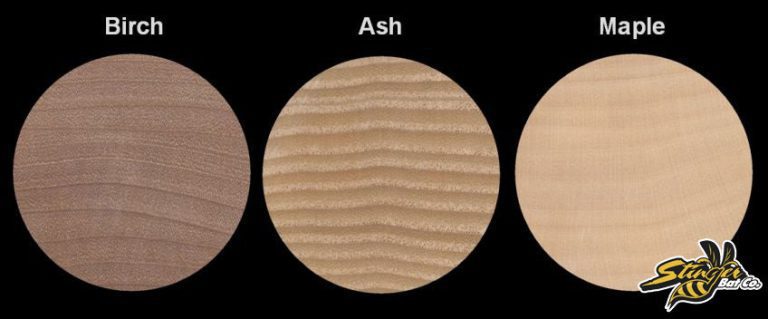
Both woods have a similar look. They are both light in color. They both have a fine, straight grain. But there are subtle differences.
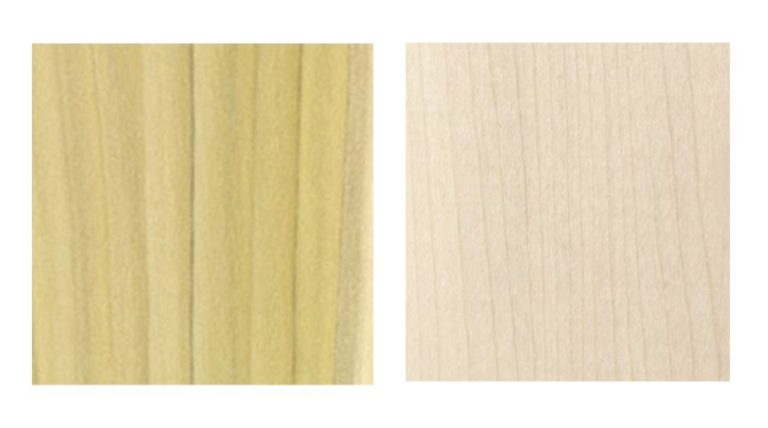
Hard maple often has a more uniform, creamy white color. The grain can be very consistent. Sometimes, you can find “curly” or “tiger” maple. This is a special pattern in the grain that looks amazing.
Soft maple can have more color variation. You might see more reddish or brownish tones mixed in with the white. The grain might not be as perfectly straight or uniform. This isn’t a bad thing. It can give a different kind of beauty. Some people even prefer this varied look.
Hard Maple: Often very uniform, creamy white. Fine, straight grain.
Soft Maple: Can have more color streaks (reddish, brown). Grain might be less uniform.
Workability: How Easy Are They to Use?
When you’re building something, how the wood cuts and shapes matters. Both hard and soft maple are generally good to work with. However, there are small differences.
Hard maple’s density means it can be a bit harder to cut and shape. You’ll need sharp tools. It can also be harder to drive screws into without pre-drilling. But it holds nails and glue very well.
Soft maple is a little easier to cut. It’s less likely to dull your tools as quickly. It also takes screws and nails well. Both woods take finishes beautifully. They are great for painting or staining.
Hard Maple: Requires sharp tools. Holds glue and finish well.
Soft Maple: Easier to cut and shape. Also takes glue and finish well.
Cost: What’s the Price Tag?
Generally, hard maple is more expensive than soft maple. This is because it’s denser and more sought after for its toughness. If you need the absolute best in durability, you might pay more.
Soft maple is a more budget-friendly option. It still offers great looks and good performance for many projects. If you want the maple look without the higher cost, soft maple is a great choice.
Hard Maple: Typically more expensive.
Soft Maple: Usually less expensive.
Personal Experience: When I Chose the Wrong Wood
I remember one time, a few years back, I was helping my friend Sarah re-do her kitchen. She wanted new cabinet doors. She loved the clean, modern look of maple. She also wanted them to be super durable because she has two active kids. I steered her towards what I thought was the obvious choice: hard maple.
We went to the lumberyard, and I pointed out the beautiful, pale hard maple. It was gorgeous. The grain was so fine and consistent. I explained how it would stand up to bangs and scrapes. Sarah was thrilled. We ordered the wood.
Fast forward about six months. Sarah called me, sounding a bit stressed. One of the kids had managed to put a noticeable dent in one of the cabinet doors. It wasn’t huge, but it was there. She was so disappointed. I felt terrible. I had been so focused on the “hard” aspect of hard maple that I hadn’t fully considered the “kid factor.” While hard maple is indeed hard, nothing is indestructible. A sharp toy or a dropped piece of hard plastic can still leave its mark.
That day, I learned a valuable lesson. It’s not just about the wood’s specs. It’s about the real-life situation. For a kitchen with young children, even the most durable wood needs careful handling. And maybe, just maybe, a slightly less dense wood that’s easier to repair or touch up might have been a better fit if perfect durability wasn’t the only goal. It taught me to really listen to the customer’s full story, not just their stated preference.
Quick Look: Hard vs. Soft Maple
Hard Maple (Sugar Maple)
- Pros: Extremely dense, very hard, superior scratch and dent resistance, uniform color.
- Cons: Can be harder to work with, more expensive.
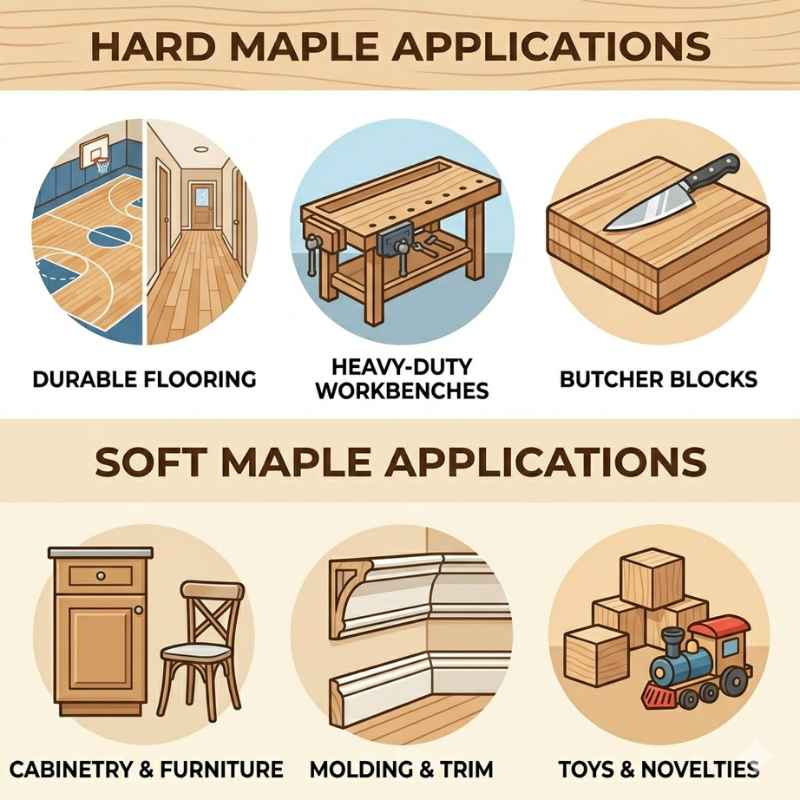
- Best For: High-traffic flooring, workbenches, butcher blocks, furniture that needs ultimate durability.
Soft Maple (Red Maple, Silver Maple)
- Pros: Good hardness, easier to work with, more affordable, can have interesting color variation.
- Cons: Less resistant to dents and scratches than hard maple.
- Best For: Cabinets, furniture, decorative trim, general woodworking where extreme hardness isn’t critical.
Real-World Context: Where Do You See These Woods?
Understanding where these woods are typically used helps you see their strengths.
In Your Home: Flooring and Furniture
Hard maple is a top choice for hardwood flooring. Its resistance to wear is unbeatable. Think of kitchens, hallways, and living rooms. Places where feet are constantly moving. It’s also used for bowling alley lanes and gym floors for the same reason.
For furniture, hard maple is excellent for tabletops, chairs, and desks. Especially pieces that will get a lot of use. A hard maple desk will likely outlast you.
Soft maple is also used for furniture and cabinets. It’s a fantastic choice for cabinet doors and drawer fronts. It offers that clean maple look without the premium price. It’s great for things like entertainment centers or bedroom furniture where extreme wear isn’t the main concern.
In Workshops and Commercial Spaces
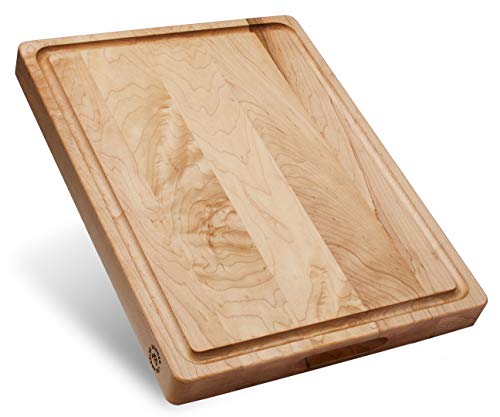
Woodworkers love hard maple for workbench tops. It provides a hard, smooth surface that can take abuse. It’s also used for butcher blocks in kitchens because it’s dense and doesn’t harbor bacteria easily when sealed.
Soft maple might be used for shelving in workshops or for less demanding furniture pieces in commercial settings. Its ease of workability can make production faster.
Maple Wood Myth vs. Reality
Myth: Soft maple is as soft as pine.
Reality: Soft maple is still a hardwood. It is significantly harder than woods like pine or poplar. It’s just softer when compared directly to hard maple.
Myth: All maple wood looks the same.
Reality: While both have a fine grain and light color, hard maple tends to be more uniform. Soft maple can show more natural color variation and figuring, making each piece unique.
What This Means for Your Projects
So, how do you decide which maple is right for you? It really depends on your project and what you need from it.
When Hard Maple Shines
If you are installing new hardwood floors in a busy area of your home, hard maple is probably your best bet. It will look great for years. If you’re building a dining table that will be used every day for meals and activities, hard maple can take it. For a workbench that will see hard use, hard maple is ideal.
You want hard maple when durability is the absolute top priority. When you want something that will last a lifetime with minimal wear.
When Soft Maple is a Smart Choice
If you’re building kitchen cabinets where you control the environment more, soft maple is a great option. You can achieve a beautiful look for less. If you’re making decorative furniture pieces, like a display cabinet or a bookshelf for a less-used room, soft maple works wonderfully.
Soft maple is also excellent if you plan to paint your project. The slight color variations won’t show through as much once painted. It’s also a good choice if you’re on a tighter budget but still want the look and feel of maple.
Simple Checks to Consider
Where will it go? High traffic areas need harder wood.
Who will use it? Kids and pets mean more potential for dents.
What’s your budget? Soft maple is more affordable.
How will you finish it? Both take stain and paint well, but paint hides minor imperfections.
DIYer’s Quick Guide
For New Floors: Hard Maple
For Kitchen Cabinets: Soft Maple (or Hard Maple if budget allows)
For Dining Tables: Hard Maple
For Bookshelves: Soft Maple
For Workbench Tops: Hard Maple
If Painting: Soft Maple is fine
Quick Fixes and Tips for Maple
Even with the toughest wood, accidents can happen. Here are some general tips for working with and caring for maple.
Working with Maple
Sharp Tools: Always use sharp blades and bits when cutting maple. This prevents tear-out and makes the job easier.
Pre-drilling: For hard maple, pre-drilling holes for screws is highly recommended. This stops the wood from splitting.
Finishing: Maple takes finishes very well. For a smooth, even look, use a good quality primer if painting. For staining, test on a scrap piece first. Maple can sometimes have blotchy results if not prepared correctly. A pre-stain conditioner can help.
Caring for Maple Projects
Cleaning: Use a damp cloth to wipe down surfaces. Avoid harsh chemicals. For wood floors, use a cleaner specifically designed for hardwood.
Protecting: For tabletops and cutting boards, use protective finishes like polyurethane or oil. For floors, use area rugs in high-traffic zones.
Repairs: Small dents in hard maple might be fixable with a damp cloth and an iron. Place the damp cloth over the dent and gently press a hot iron on it. The steam can help swell the wood fibers back up. This doesn’t always work perfectly but is worth a try. Soft maple might be easier to sand and refinish if a dent is deep.
Understanding Wood Grain Patterns
Plain Sawn (Flat Sawn): The most common cut. Shows the widest, most varied grain patterns. Often gives a cathedral effect.
Quarter Sawn: Wood is cut at a 90-degree angle to the growth rings. Results in a straighter, more uniform grain pattern. Can be more stable and less prone to warping.
Often more expensive.
Rift Sawn: Similar to quarter sawn but cut at a slightly different angle. Results in very straight, linear grain. Also more stable and costly.
Bird’s Eye Maple: A rare figure with small, circular or oval markings that resemble tiny eyes. Adds a unique decorative element.
Tiger/Curly Maple: Shows a wavy, shimmering effect in the grain. Creates a dynamic, three-dimensional look.
Frequent Questions About Maple Wood
Is soft maple good enough for kitchen cabinets?
Yes, soft maple is often a great choice for kitchen cabinets. It offers a beautiful maple look and is durable enough for most homes. If you have very young children or pets who are particularly rough on things, hard maple might offer a bit more peace of mind, but soft maple is perfectly suitable for many kitchens.
Can I stain hard maple and soft maple the same color?
Yes, you can stain both hard and soft maple. However, maple can sometimes be tricky to stain evenly due to its dense, closed grain. It’s always a good idea to test your stain on scrap pieces of both wood types first.
Using a pre-stain wood conditioner can help ensure a more uniform color.
Does maple wood scratch easily?
Hard maple is very resistant to scratches and dents, making it ideal for high-traffic areas like flooring. Soft maple is still quite hard compared to many other woods, but it is more likely to show minor scratches or dents over time than hard maple. Proper finishing and care can help protect both.
What is the difference between maple wood and oak wood?
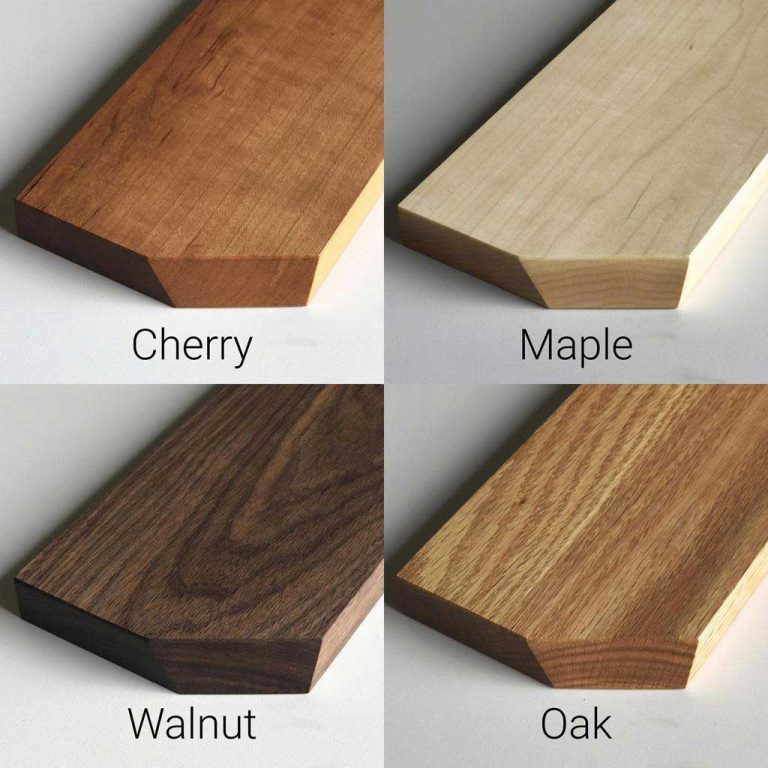
Maple wood generally has a finer, straighter grain and a lighter, more uniform color than oak. Oak has a more pronounced, open grain pattern, often with visible ray flecks, and can range in color from light brown to reddish-brown. Maple is typically harder and denser than most oak varieties.
Is hard maple or soft maple better for butcher blocks?
Hard maple is generally preferred for butcher blocks. Its extreme density and hardness make it more resistant to knife marks, dents, and wear from heavy use. It also has a tighter grain structure that can help prevent moisture and food particles from penetrating too deeply.
How do I identify hard maple versus soft maple?
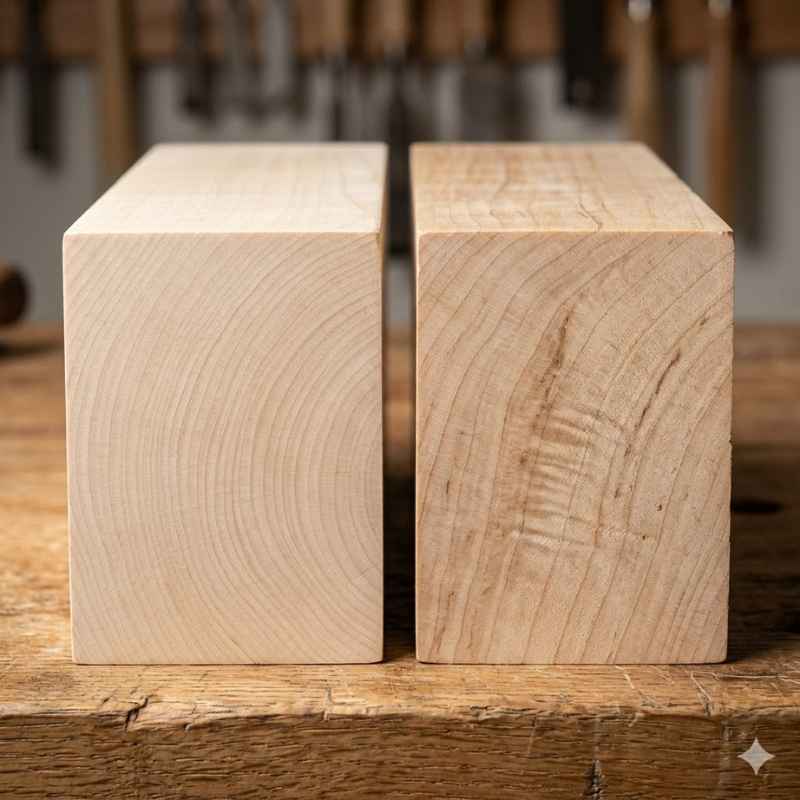
Identifying them can be tricky without a side-by-side comparison or expert knowledge. Hard maple (sugar maple) tends to have a more uniform, creamy white color and a very fine, consistent grain. Soft maple can show more color variation, including reddish or brownish streaks, and its grain might be less uniform.
The weight and density are also key indicators, with hard maple being noticeably heavier.
Conclusion: Choosing the Right Maple for You
Deciding between hard maple and soft maple comes down to your priorities. For ultimate toughness and a classic, clean look, hard maple is the champion. It’s the go-to for demanding jobs like flooring and high-use furniture.
If you want the beautiful maple appearance with a bit more ease of workability and a friendlier price tag, soft maple is an excellent choice. It’s versatile and looks stunning in cabinets, furniture, and decorative pieces. Both are wonderful hardwoods that can bring beauty and value to your projects.
Sponsored / affiliate links. As an Amazon Associate I earn from qualifying purchases. I may earn additional commission from eligible campaigns.