What Causes Black Spots On Maple Tree Leaves? Solved
But take a deep breath. Often, these black spots are not a death sentence for your tree. They can be caused by a variety of things, some quite harmless.
Others need a bit more attention. We’re going to break down exactly what these spots might be. We’ll talk about why they show up.
Most importantly, we’ll help you figure out what to do next. Let’s get to the bottom of those mysterious black spots.
The primary causes of black spots on maple tree leaves include fungal diseases like tar spot and anthracnose, insect activity, environmental stress from drought or waterlogged soil, and nutrient deficiencies. Identifying the specific cause is key to proper care and maintaining tree health.
Understanding What Causes Black Spots on Maple Tree Leaves
Seeing black spots on your maple tree leaves can be alarming. Many different things can cause these spots. Some are very common and not a big deal. Others might point to a bigger problem. Let’s look at the main culprits one by one. This will help you understand what might be happening in your own backyard.
Maple trees are generally hardy. But they can still face challenges. These challenges often show up on their leaves first. The leaves are like the tree’s report card. They tell us how the tree is feeling. Dark spots are a common way for leaves to signal distress or normal seasonal changes.
Fungal Diseases: The Usual Suspects
Fungi are tiny living things. They love to grow on plants. Many types of fungi can attack maple trees. They often create spots on the leaves. These spots can be black, brown, or even red. They might be small dots. They can also be larger patches.
Two of the most common fungal diseases are tar spot and anthracnose. They sound a bit scary, but understanding them is the first step to managing them.
Tar Spot Disease
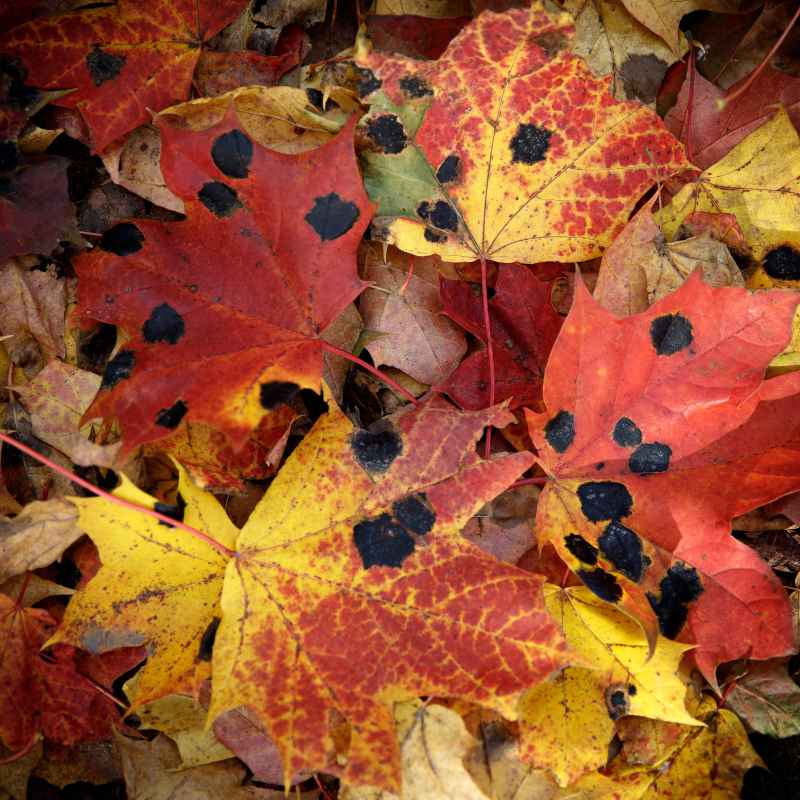
Tar spot is a very common fungal disease. It affects many types of maple trees. This includes the Norway maple, red maple, and silver maple. The name “tar spot” comes from what the spots look like. They resemble drops of tar on the leaves.
The fungus that causes tar spot is called Rhytisma americanum. It’s most active in the spring. This is when the leaves are young and tender. The fungus infects the leaves as they grow. Then, the spots appear later in the summer or fall.
The spots are usually round. They start as yellowish or greenish bumps. Then they turn shiny black. They can be small, like a pinhead. Or they can grow to be as big as a quarter. You might see just a few spots. Or your leaves could be covered in them.
Tar spot itself does not usually harm the tree much. The leaves might fall off a bit earlier. But the tree can still make food. It’s more of a cosmetic issue for the tree. It doesn’t typically weaken the tree enough to make it sick.
Anthracnose Disease
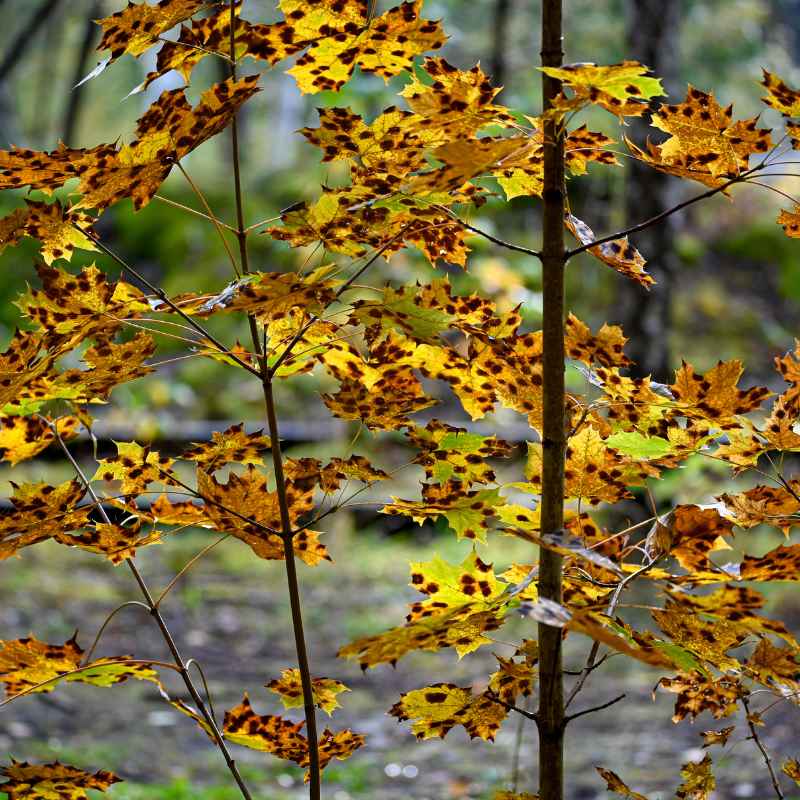
Anthracnose is another common fungal issue. It can affect many trees, including maples. The fungus that causes anthracnose can attack leaves, twigs, and branches. On leaves, it often shows up as dark brown or black spots. These spots can have a yellow halo around them.
The spots from anthracnose can spread. They might merge together. This can cause large dead areas on the leaf. In severe cases, the leaves might curl or drop from the tree.
Anthracnose is often worse in wet springs. High humidity and rain create perfect conditions for the fungus to spread. Cool, wet weather can make this disease a real problem.
Unlike tar spot, anthracnose can sometimes weaken a tree. Especially if it hits young trees or trees that are already stressed. It can slow down growth. It can make the tree more open to other problems.
Insect Pests: Tiny Invaders
Insects are another common cause of leaf spots. They don’t always create spots themselves. But their feeding or the damage they cause can lead to spots.
Some insects suck sap from the leaves. This can damage the leaf cells. The damaged areas might turn brown or black. Other insects lay eggs on the leaves. The tiny holes from hatching eggs can also look like spots.
One example is aphids. These tiny insects cluster on leaves. They suck sap. Their feeding can cause yellowing or stippling on the leaves. Sometimes, this damage can turn dark. Another pest to watch for is the tar-spot fungus gall aphid. It can cause spots that look like tar spots.
Some beetles can also cause damage. Their feeding can create small holes or discolored patches.
Environmental Stress: The Unseen Factors
Sometimes, it’s not a disease or an insect. It’s the environment. Maple trees are sensitive to their surroundings. Changes in weather or soil can cause stress. This stress can show up as spots on the leaves.
Drought Stress
Maples need water. When they don’t get enough, they get stressed. This is drought stress. Leaves might turn brown at the edges. They can also develop brown or black spots. This happens because the tree can’t get enough water to all its parts.
The leaves might dry out and die in patches. These dead patches look like spots. This is the tree’s way of saying it’s thirsty. It’s trying to conserve water.
Waterlogged Soil
Too much water can be just as bad as too little. If the soil stays wet for too long, the roots can’t get air. This is called waterlogging. It can damage the roots. Damaged roots can’t supply the tree with what it needs.
This can lead to leaf problems. Spots, yellowing, and wilting can occur. The tree is stressed because its foundation is struggling. Poor drainage is a common cause of this.
Extreme Temperatures
Sudden cold snaps can damage leaves. Hot, dry winds can also scorch them. These can create brown or black dead spots. These spots are like a sunburn for the leaves.
Think about a late spring frost. It can hit tender new leaves. The tips or edges of the leaves can turn black and die. This is a direct result of the cold.
Nutrient Deficiencies
Trees need nutrients to be healthy. These are things like nitrogen, phosphorus, and potassium. They also need smaller amounts of other things. If a tree is missing certain nutrients, it can show problems.
A lack of magnesium can sometimes cause yellowing between the leaf veins. This yellowing can turn brown or black over time. A lack of potassium can lead to brown or black edges on the leaves.
These deficiencies are more common in certain soils. Or if the tree hasn’t been fertilized properly. They usually affect the whole tree, not just a few leaves.
Personal Experience: The Year the Maples Looked Like They’d Been Shot
I remember one summer, vividly. It was hot, and we’d had a very wet spring. My favorite red maple tree, the one I’d planted myself ten years before, started to look terrible. From a distance, it looked okay. But up close, the leaves were covered in these ugly, dark spots. They were all over the place. Some were small and round, almost like tiny black dots. Others were larger and irregular.
I panicked. My first thought was, “It’s dying!” I imagined pouring money into treatments. I pictured the tree having to be cut down. I felt this wave of annoyance mixed with sadness. This tree was a centerpiece in my yard. I’d watched it grow from a skinny sapling. Seeing it marred like this felt personal.
I spent hours online, looking at pictures. Was it disease? Pests? I was so worried. I even called my neighbor, a retired landscaper, over. He took one look and just chuckled. He said, “Oh, that’s just tar spot. Pretty common after a wet spring like we had. Don’t worry, your tree is fine. It’ll look worse before it gets better, but it’ll be okay.” His calm reassurance was like a balm. It took a lot of the stress away. That year, the spots were bad, but the tree leafed out fine the next spring. It was a good reminder that not every spot means disaster.
Identifying the Type of Spot: A Closer Look
To help your maple tree, you need to know what you’re dealing with. Looking closely at the spots is important. Here’s how to tell the difference between some common issues.
Quick Spot Identifier
Tar Spot: Shiny, black, round spots. Often raised. Usually appear late summer/fall.
Anthracnose: Irregular brown or black spots. May have a yellow border. Can merge together.
Insect Damage: Small holes, stippling (tiny dots from sucking insects), or irregular dead patches where insects fed.
Environmental Stress: Brown or black edges on leaves, dry brown patches, or spots that look like burns. Often affects whole leaves or sections of the canopy.
Let’s break this down even more.
Tar Spot vs. Anthracnose
The key difference here is shape and texture. Tar spots are very distinct. They are round, black, and often have a slightly raised or bumpy feel. They look like someone splattered tar on the leaves. Anthracnose spots are usually more irregular. They don’t have that perfect round shape. They might also have a different color border.
If the spots are small, round, and super black and shiny, it’s likely tar spot. If they are more blotchy, irregular, and maybe have a yellowish ring, it’s more likely anthracnose.
What About Those Tiny Holes?
Tiny holes in the leaves can be a sign of leaf miners. These are insect larvae that tunnel through the leaf. The tunnels look like squiggly lines. The exit holes can look like small black dots.
Chewing insects, like some caterpillars or beetles, can eat small bits out of the leaves. This leaves behind holes. Sometimes, the edge of the hole can turn brown or black.
Spots Caused by Sun or Cold
Sunscald can happen on leaves that are exposed to intense sun. Especially after a period of shade. Or if the tree is moved suddenly into full sun. The leaf tissue dies. It turns brown or black. These spots can be quite large.
Frost damage is also a common cause of black spots. Especially on new, tender leaves in the spring. The tissue is damaged by the cold. It turns black and crispy.
Real-World Context: Where and Why Spots Appear
The environment plays a huge role in what causes black spots on maple leaves. Where your tree lives matters. What the weather is like matters. Even how the tree was planted matters.
The Role of the Environment
Maples, especially ornamental varieties, can be sensitive. They thrive in areas with good air circulation. They prefer well-drained soil. They don’t like constantly wet feet.
In shady, damp areas, fungal diseases are more likely to thrive. If your tree is planted too close to a building or other trees, air movement can be poor. This traps moisture. This moisture is a breeding ground for fungi.
Conversely, a tree in a very exposed, windy spot might suffer from drought stress. Especially during dry summers. The wind dries out the leaves quickly. If the soil isn’t good at holding water, the tree can’t keep up.
Common Habits That Contribute
Homeowner habits can sometimes contribute to leaf spot problems.
Overwatering: Many people water their trees too much. This keeps the soil constantly soggy. It’s bad for the roots.
Improper Mulching: Piling mulch too high against the trunk can trap moisture. It can also encourage rot. Mulch should be a few inches away from the trunk.
Planting Too Deep: If a tree is planted too deep in the ground, the roots can struggle. This makes the tree weak and more prone to disease.
Poor Pruning: Not pruning at all can lead to a very dense canopy. This reduces air circulation. It can make the tree more susceptible to fungal issues.
Design and Material Factors
The materials around your tree can also play a role.
Paved Surfaces: If your maple is near a driveway or patio, the soil might be compacted. This affects drainage. It can also radiate heat.
Reflective Surfaces: Walls or fences that reflect heat and light can sometimes scorch leaves. This looks like brown or black spots.
Soil Type: Heavy clay soils don’t drain well. This can lead to root problems. Sandy soils drain too fast. They can’t hold enough moisture.
User Behavior and Tree Health
How we interact with our trees matters.
Fertilizing: Using the wrong fertilizer or too much can stress a tree. It can encourage weak, fast growth. This growth is more vulnerable.
Lawn Care: Lawn mowers or string trimmers can damage the bark of young trees. This damage can invite disease.
Foot Traffic: Constant walking or playing around the base of a tree can compact the soil. This hurts the roots.
What This Means for You: When to Worry and When to Relax
So, you see these spots. What does it actually mean for your tree? Is it time to panic? Or can you just enjoy the fall colors?
When Black Spots Are Normal
For many maple trees, especially in the late summer and fall, black spots are just a normal part of the season.
Tar Spot: As we learned, tar spot is largely cosmetic. It doesn’t usually hurt the tree. The leaves may drop a little early, but the tree will be fine. It’s a sign of a healthy, albeit slightly infected, tree.
Late Season Changes: As leaves age, they naturally start to break down. Sometimes this breakdown can create dark patches. This is especially true if the tree has experienced some mild stress during the year.
Environmental Acclimation: If you’ve had a very wet spring followed by a dry summer, you might see some spots. This is the tree reacting to changing conditions. It’s not necessarily a sign of disease.
When to Be Concerned
There are times when black spots are a sign of a more serious problem. You should pay attention if you see any of these:
Rapid Leaf Drop: If leaves are turning black and falling off in large numbers, and it’s not fall, that’s a concern.
Wilting and Dieback: If branches or parts of the tree are wilting, turning black, and dying, it could be a serious disease or pest.
Small, Stressed Trees: Young or newly planted trees are more vulnerable. If they develop significant spots, they might need help.
Spots with Yellowing: If the black spots are surrounded by large yellow areas, it might be anthracnose or another disease that’s actively harming the leaf.
Spots on New Growth: If you see spots on brand new spring leaves, it means the problem started very early and could be more severe.
Simple Checks You Can Do
You can do a few simple checks to get a better idea of what’s going on.
Examine the Spots Closely: Use a magnifying glass if you have one. Are they round and shiny? Or irregular and dull?
Check for Pests: Look under leaves and on stems for tiny insects. Look for webs or sticky residue.
Assess the Soil: Is it too wet? Too dry? Does it drain well? Stick your finger a few inches into the soil.
Look at the Whole Tree: Are the spots on all the leaves? Or just some? Are there other symptoms like wilting or dead branches?
Consider the Weather: Has it been unusually wet? Dry? Hot? Cold?
Quick Tips for Healthier Maple Leaves
While you can’t always prevent every spot, you can help your maple tree stay healthy. A healthy tree can fight off minor issues. It can also recover faster from stress.
Maple Leaf Health Tips
- Water Wisely: Water deeply when needed. Let the soil dry slightly between waterings. Especially during dry spells.
- Good Drainage: Ensure the soil drains well. Avoid planting in soggy areas.
- Mulch Properly: Apply a layer of mulch around the base. Keep it a few inches away from the trunk.
- Prune Selectively: Remove dead or diseased branches. Prune for air circulation if the canopy is very dense. Do this in late winter or early spring.
- Avoid Damage: Protect the bark from mowers and trimmers.
- Fertilize Carefully: Only fertilize if a soil test indicates a need. Use a balanced fertilizer for trees.
These simple steps can make a big difference. They support the tree’s natural ability to stay strong.
Frequent Questions About Black Spots on Maple Leaves
Will tar spot kill my maple tree?
No, tar spot is rarely deadly to mature maple trees. It is mostly a cosmetic issue. The leaves may look unsightly and drop a bit earlier, but the tree itself will usually not be harmed.
When should I worry about black spots on my maple leaves?
You should worry if the spots are accompanied by wilting, rapid leaf drop outside of autumn, dieback of branches, or if the tree is very young or stressed. These could signal a more serious problem like aggressive disease or pest infestation.
How can I tell if it’s a fungus or an insect causing the spots?
Fungal spots like tar spot are often regular shapes (round, oval). Insect damage might appear as small holes, irregular chewed areas, or stippling (tiny dots from sap-sucking insects). You might also see actual insects on the leaves or stems.
Is it okay to spray my maple tree with anything for these spots?
For tar spot, spraying is usually not recommended as it’s ineffective and costly. For other fungal issues like anthracnose, fungicides can be used. However, always identify the cause first and consider if treatment is truly necessary for the tree’s health.
What should I do with fallen leaves that have black spots on them?
It’s a good practice to rake up and dispose of fallen leaves, especially those with fungal spots like tar spot or anthracnose. This helps reduce the amount of fungus that can overwinter and reinfect the tree the following spring. Do not compost diseased leaves.
Can I prevent black spots from appearing on my maple leaves?
While complete prevention is difficult, maintaining tree health through proper watering, good drainage, and air circulation can make your tree more resistant. Choosing disease-resistant maple varieties when planting can also help.
Conclusion: Keeping Your Maple Looking Its Best
Seeing black spots on your maple tree leaves can be a little worrying. But as we’ve explored, there are many reasons why this happens. Often, it’s just a harmless fungal disease like tar spot. Other times, it might be a sign of insect activity or environmental stress.
By taking a closer look at the spots and considering your tree’s surroundings, you can usually figure out what’s going on. Most of the time, your tree is stronger than you think. By providing good care and keeping an eye out for real warning signs, you can help your maple thrive. Enjoy your beautiful tree through every season!
Sponsored / affiliate links. As an Amazon Associate I earn from qualifying purchases. I may earn additional commission from eligible campaigns.