How to Choose Wood for Indoor vs Outdoor Projects and Finishes
Choose wood by exposure first: dry interior projects can use pine, poplar, oak, or maple; damp or outdoor projects need naturally durable species or treated lumber, and fully exposed pieces should get exterior-grade protection plus drainage. Pick wrong and you get swelling, rot, warping, fastener failure, and repairs that cost more than better lumber. This guide gives a moisture-and-wear decision tree for indoor, covered-outdoor, and fully exposed projects, plus species, sheet goods, and finish choices.
This guide is part of our Woodworking materials guide series.

| Decision factor | How to choose wood for indoor projects | Outdoor projects | Winner |
|---|---|---|---|
| Moisture exposure | Dry, climate-controlled spaces; target lumber around 6% to 8% moisture content | High humidity, rain, splash, and seasonal wet-dry cycles | Indoor projects |
| Durability needs | Stability and appearance matter most | Decay resistance and weather tolerance matter most | Outdoor projects |
| Fasteners and finish | Standard interior fasteners, glue, and finish are usually enough | Exterior-grade fasteners, glue, and finish systems are needed | Indoor projects |
| Repairability | Usually easier to sand, refinish, and patch | Repairs are harder once rot or corrosion starts | Indoor projects |
| Best-fit use case | Furniture, trim, shelving, painted shop projects | Deck parts, gates, porch furniture, exterior trim, and outdoor boxes | Tie |
How do you choose wood for indoor vs outdoor projects?
Start with exposure, then match the board to moisture, UV, wear, and repairability. Indoor projects reward stability, clean appearance, and easy machining; outdoor projects need decay resistance, weather tolerance, and fasteners and finishes that survive rain and sun.
Indoor projects: choose for fit and finish
For cabinets, tables, shelving, and trim, the goal is predictable movement and a good surface. Pine and poplar are easy to cut and sand, maple and oak hold up better to dents, and all four are common because they balance cost, workability, and appearance.
Outdoor projects: choose for decay resistance first
Outside, untreated pine fails quickly because moisture and fungi break it down. Cedar, pressure-treated lumber, and other naturally durable woods last longer because they resist decay better, even before you add finish or hardware.
Mixed-exposure spaces sit in the middle
Covered porches, mudrooms, and garages are not the same as a dry living room, but they are not fully exposed either. Use a species or treatment that tolerates humidity swings and incidental wetting, then choose corrosion-resistant fasteners and a finish that can be renewed.
How much moisture can the project tolerate?
Most indoor wood should be dried to a low moisture level, often in the mid-single digits to low single digits, before cutting and assembly. Moisture content affects swelling and shrinkage, so boards should acclimate to workshop conditions first or the joints can move after assembly.
Use a moisture meter before you cut
A moisture meter gives you a fast check on board condition. If lumber is still much wetter than the room where the project will live, it can shrink after assembly and open joints, loosen glue lines, or twist as it dries.
Wood movement is a design issue
Wood changes size with humidity swings. That movement can cause warped boards, cracked joints, and doors or panels that no longer fit the opening, so you need to plan joinery and grain direction around seasonal change.
Let lumber acclimate to workshop conditions
Stack boards with stickers so air can move around them, then let them sit in the shop until the moisture reading is near the target for the project. That step is especially important for tabletops, face frames, cabinet parts, and anything with tight joinery.
Which wood species fit each project type?
Species choice should match exposure conditions, hardness, workability, and cost. For indoor work, pine, poplar, maple, and oak are common choices; for outdoor work, cedar, treated lumber, and other decay-resistant species are usually better.
Indoor favorites: pine, poplar, maple, and oak
Pine is light, affordable, and easy to machine, which makes it friendly for beginners. Poplar is also easy to work and often paints well, while maple and oak bring more hardness and wear resistance for tabletops, shelves, and doors.
Outdoor favorites: cedar, treated lumber, and durable species
Cedar is a common outdoor choice because it resists decay better than many softwoods and stays workable with hand and power tools. Pressure-treated lumber is often used where soil contact or persistent moisture is expected, but it needs compatible fasteners and a suitable finish plan.
When hickory makes sense
Hickory is very hard and resists impact well, which helps on heavy-wear parts such as mallets, stairs, or workbench components. It can be overkill for simple indoor shelves, and its hardness makes cutting and sanding slower than with pine or poplar.
How do hardness and workability change your choice?
The Janka hardness scale compares how hard a wood is to dent. Balsa is very soft, pine is relatively soft, poplar is somewhat harder, and hickory is much harder, so the number can help you predict dents, tool effort, and surface wear.
Choose softer woods when you want easier cutting and sanding
Pine and poplar are friendlier to beginner tools and are faster to cut, drill, and sand. That makes them practical for painted furniture, shop fixtures, and projects where the final finish hides some surface imperfections.
Choose harder woods for wear surfaces and impact resistance
Maple, oak, and hickory handle bumps and abuse better than softwoods. Use them where the surface gets repeated contact, such as chair rails, benchtops, stair parts, and doors that take daily use.
How do lumber grades and defects change the buy?
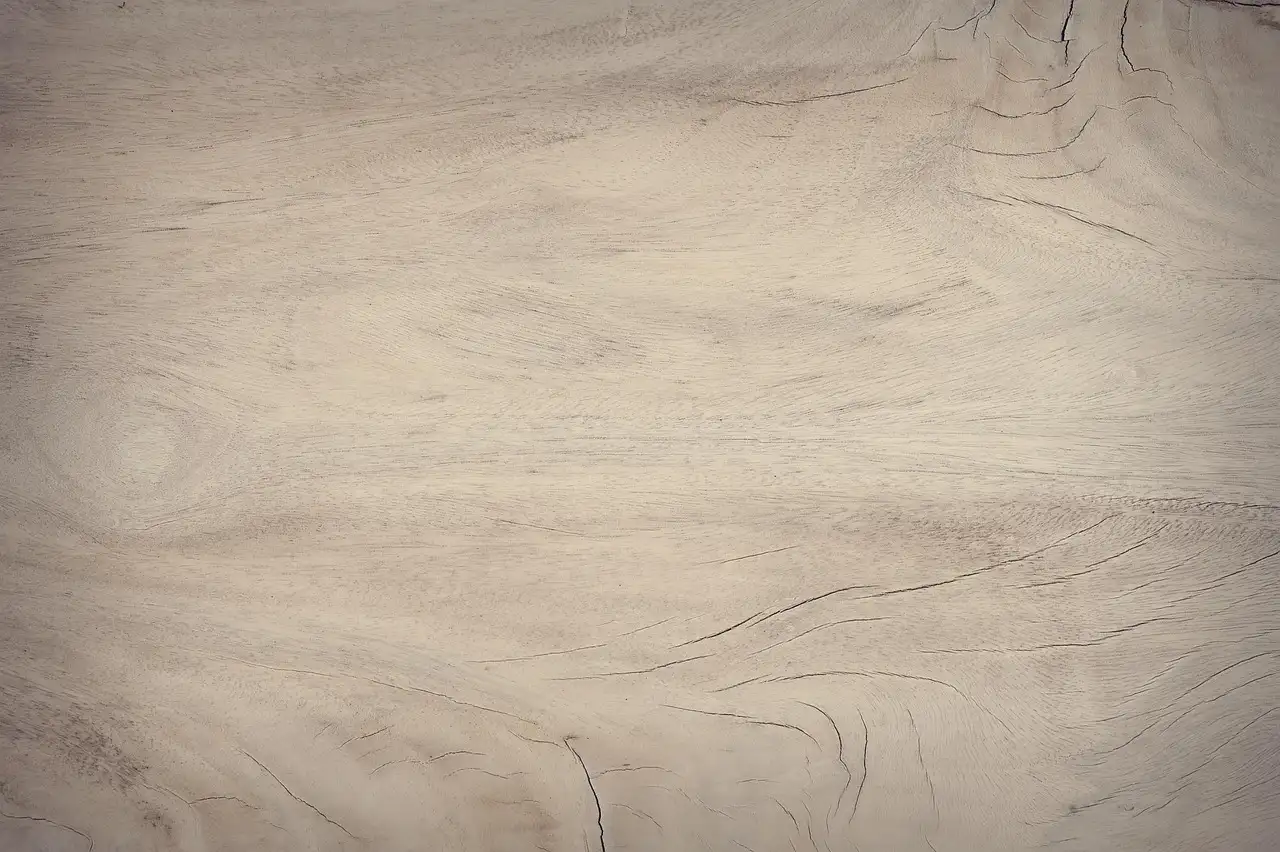
Hardwood grades and softwood grades are not judged the same way. Hardwood grading often focuses on clear, defect-free areas for appearance, while softwood grades often focus more on structural strength and intended use, so the tag tells you only part of the story.
Inspect for knots, warping, splits, checks, sapwood, and pith
Knots can weaken boards and make machining rougher. Warping can make glue-ups and square cuts harder, splits and checks can grow under stress, sapwood may decay faster outdoors, and pith near the center of a board often moves and cracks more as it dries.
Buy board by board, not by label alone
A board labeled “select” or “construction” can still have a bad grain pattern or hidden movement. Choose pieces with straight grain for visible parts, and reject stock with twist, bow, deep checks, or end splits that will waste your layout.
How grades affect appearance and structure
For furniture or trim, higher hardwood grades are helpful because you get more clear wood and fewer visible defects. For framing or outdoor structure, the grade should support the load and exposure, so appearance alone should not drive the choice.
What changes for covered outdoor and fully exposed projects?
Covered porches, mudrooms, and garages need a middle-ground choice because they see humidity, splash, and temperature swings. Fully exposed projects need weather-resistant or treated wood, plus exterior fasteners, glue, and finish that can survive repeated wetting and drying.
Use weather-resistant species or treated lumber outdoors
Outdoor projects need materials that resist decay or have been treated for it. Untreated pine is a poor choice for exposed conditions because moisture and fungi shorten its life quickly.
Match the fastener, glue, and finish to the exposure
Use corrosion-resistant fasteners outdoors, such as stainless steel or hot-dip galvanized hardware where appropriate. Use exterior-rated adhesive, and choose a finish system meant for outside use; interior glue and finish can fail when they see water and UV.
Indoor wood should not go outside without protection
Even a good indoor species can fail outdoors if it lacks the right finish and drainage. If you want a wood that lives outside, start with an outdoor-appropriate species or treatment, then design the piece so water can drain and air can dry it.
Our picks by need
Best beginner wood for indoor furniture: Barrington Hardwoods Walnut Lumber

- Beautiful grain suitable for decorative indoor pieces
- Perfectly kiln-dried to reduce warping risks
- Two sides sanded to 3/4 inch thickness
Based on the spec sheet and listed details, this kiln-dried walnut is a solid choice for decorative indoor pieces where grain and color matter. The two sanded faces and reduced warping risk are helpful for beginner furniture work, but walnut is pricier than pine or poplar and is usually more than you need for painted projects.
Best wood for painted indoor projects: poplar
Poplar is easy to cut, sand, and paint, which makes it a practical beginner choice for trim, boxes, and simple furniture. It is softer than maple or oak, so it dents more easily, but that is often acceptable when the surface will be painted.
Best wood for outdoor furniture: BlueWish Cedar Wood Fence Gate Kit
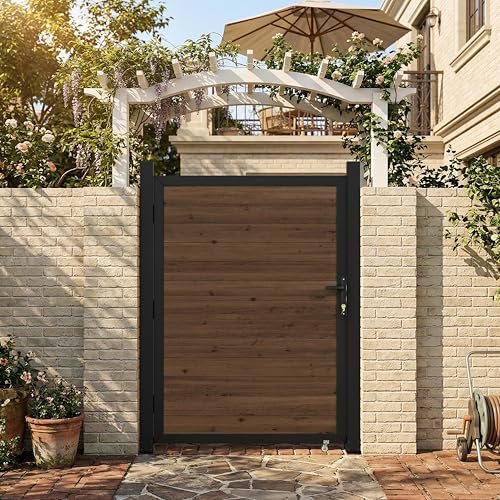
- Rust-resistant aluminum posts and cedar wood construction
- Built-in caster wheel eliminates gate sag over time
- Keyed lockable handle provides secure home access
On the spec sheet, this cedar gate kit pairs cedar construction with rust-resistant aluminum posts, which is the right direction for outdoor exposure. The drawback is cost: at $299.99, it is much more expensive than indoor lumber, and a gate kit is only the right pick if your project needs a prebuilt exterior assembly rather than loose stock.
Best wood for covered porches and mudrooms: cedar or treated lumber
These spaces see intermittent moisture, so you want something that handles humidity swings better than basic interior pine. Cedar brings natural decay resistance, while treated lumber is better where moisture risk is higher and the look can be secondary.
Best wood for high-wear parts and joinery: maple or hickory
Maple is a common choice when you need strength and a cleaner indoor look, while hickory is the tougher option for impact-prone parts. Use them where dents, abrasion, or joint stress matter more than easy machining.
One-page decision checklist
Use this before you buy. Read the tag, check the board, and match the stock to the space, because the wrong board can fail long before the project itself should.
| Project exposure | Recommended species type | Acceptable moisture range | Common failure mode | Finish and fastener notes |
|---|---|---|---|---|
| Indoor, dry room | Pine, poplar, maple, oak | About 6% to 8% | Swelling or shrinkage that opens joints | Interior glue and standard fasteners are usually fine |
| Covered outdoor, mudroom, garage | Cedar, treated lumber, durable hardwoods | Near the local equilibrium after acclimation | Humidity cycling, edge checking, finish wear | Use exterior finish, corrosion-resistant fasteners, and moisture-tolerant adhesive |
| Fully exposed outdoor | Cedar, treated lumber, other decay-resistant woods | As close as practical to the project environment before assembly | Rot, UV damage, fastener corrosion | Use exterior-grade finish, drainage details, and stainless or hot-dip galvanized fasteners |
- Identify the exposure: dry interior, mixed exposure, or fully exposed.
- Check the tag for species, grade, and whether the lumber is treated or kiln-dried.
- Measure moisture with a meter and acclimate the boards to the shop.
- Inspect each board for knots, warp, split checks, sapwood, and pith.
- Confirm the fastener, glue, and finish match the environment.
What mistakes should you avoid when buying wood?
The biggest mistake is treating all wood the same. Indoor lumber used outdoors without protection will rot or move too much, and lumber that is still too wet can distort after you cut joinery, which wastes time and material.
Ignore neither defects nor grain direction
A board can look fine at a glance and still have a twist, hidden split, or pith-centered grain that causes problems later. Grain direction matters too because it affects tearout, panel movement, and how a board handles screws or nails.
Do not choose a species that fights the project
Use softwoods when you want easy cutting and sanding, and harder woods when dent resistance matters. For outdoor work, do not choose an indoor species just because it is cheap; the savings disappear if the piece needs early repair or replacement.
A common first-timer mistake is buying by price alone
Suppose you need a 36-inch bench for a covered porch and buy the cheapest untreated pine you can find. The boards may look fine at checkout, but once humidity rises, joints can open and the finish may fail, which means the lower upfront cost was a false economy.
Verdict: How to choose wood for indoor projects or outdoor projects?
Choose How to choose wood for indoor projects if you are making cabinets, tables, shelving, trim, or painted shop projects where stability, a good surface, and easy sanding matter most.
Choose outdoor projects if you are building deck parts, gates, porch furniture, exterior trim, or outdoor boxes that need decay resistance, weather tolerance, and exterior-grade fasteners and finish.
Frequently asked questions
How do I choose wood for indoor projects vs outdoor projects?
Choose indoor wood for stability, appearance, and workability. Choose outdoor wood for decay resistance, weather tolerance, and the fasteners and finish that match exposure. If the piece will see rain, splash, or constant humidity, treat it as an outdoor project even if it sits under a roof.
Is wood suitable for outdoor use?
Yes, but only the right wood and the right assembly details. Naturally durable species and pressure-treated lumber handle outdoor conditions much better than standard interior stock, and you still need exterior-rated fasteners, glue, and finish if you want a long service life.
What wood should I use for outdoor projects?
Cedar and pressure-treated lumber are common starting points because they resist decay better than untreated pine. Other durable species can work too, but the final choice should match exposure, maintenance expectations, and whether the piece has ground contact or only sees weather.
What wood is best for outdoor furniture projects?
Cedar is often a strong choice for outdoor furniture because it balances decay resistance with workable weight and easy machining. For high-wear parts, harder species can help, but the hardware, drainage, and finish matter just as much as the species.
How do I know if lumber is too wet for an indoor project?
Measure it with a moisture meter and compare it to the room where the project will live. For most indoor projects, about 6% to 8% moisture content is the target. If the boards are well above that, let them acclimate before cutting and assembling.
What defects should I look for when buying wood?
Check for knots, warping, split checks, sapwood, and pith on every board. Those defects can reduce strength, make machining rougher, and increase movement after the project is built, especially if the piece will be exposed to changing humidity.
Should I use pressure-treated wood indoors?
Only when the project truly needs it, and only with care. Pressure-treated wood is meant for moisture-prone conditions, not routine indoor furniture. For most indoor projects, kiln-dried pine, poplar, maple, or oak is a better fit and easier to work.
What woods are easiest for beginners to work with?
Pine and poplar are usually the easiest because they cut, sand, and drill with less effort than harder species. They are good choices for first projects, especially painted furniture, boxes, and simple trim, while maple and hickory can be more demanding on tools.
Sponsored / affiliate links. As an Amazon Associate I earn from qualifying purchases. I may earn additional commission from eligible campaigns.