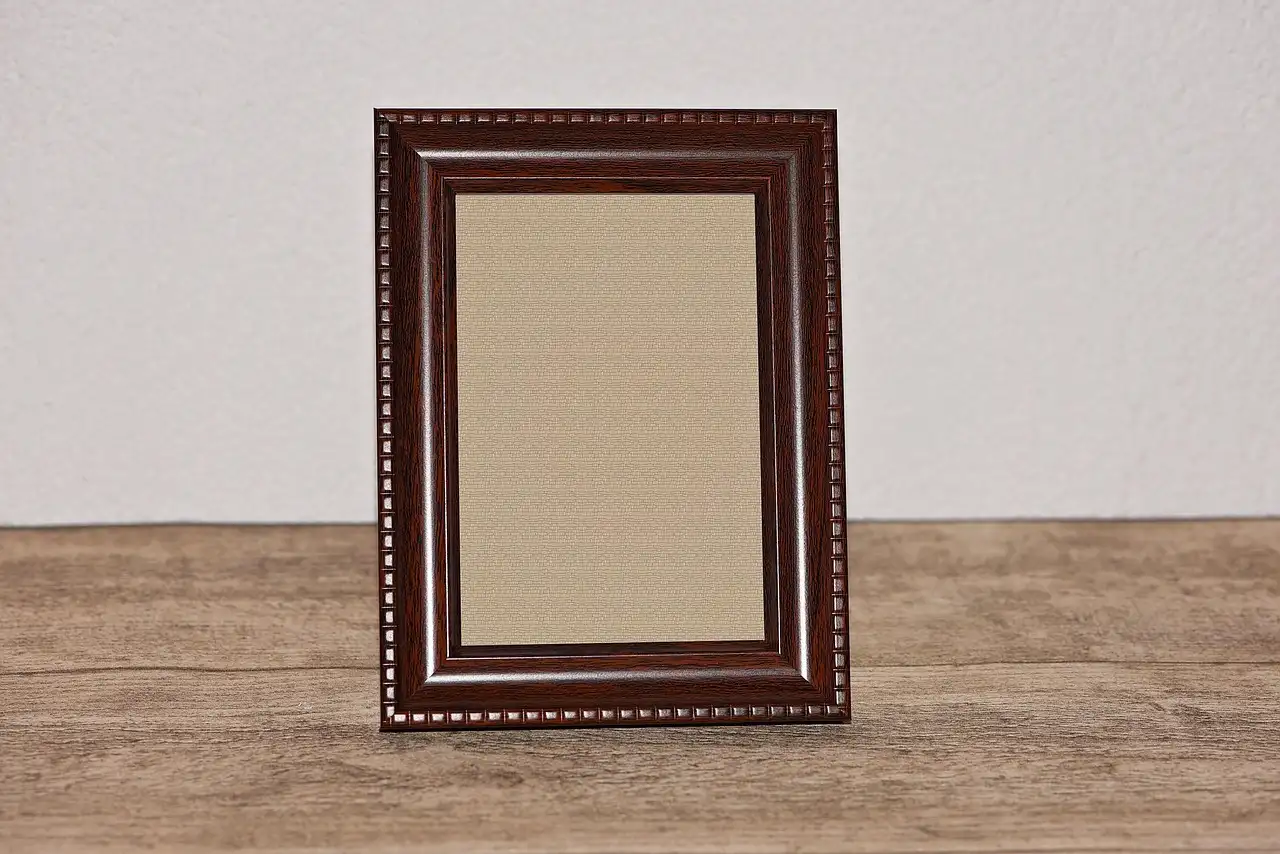
Best Wood for Picture Frames (2026): We Compared
Choose maple, walnut, pine, oak, MDF, or wrapped stock based on grain direction, movement, and finish behavior first, then color. Bad stock can twist, show runout at the corners, open miter joints, and make a frame read crooked. This guide compares frame woods, explains which grain patterns stay flat, and gives finish tips for painted, stained, and clear-coated frames.
This guide is part of our Woodworking materials guide series.
Quick comparison
| Product | Badge | Best for | Price | ||
|---|---|---|---|---|---|
 |
The Hardwood Edge Walnut Hardwood Planks – Walnut Wood forTHE HARDWOOD EDGE | Our pick | 1/4” x 4 1/2” x 18” · Pure Hardwood · Walnut | $34.97
Price as of 17 Oct 2026
|
View |
 |
Hoteche Professional Miter Box with Saw Guide – Heavy DutyHoteche | Also great | 550mm Blade · Heavy Duty · Aluminum | $42.99
Price as of 17 Oct 2026
|
View |
 |
TAIWAIN 1/2 Inch Shank Router Bit Set 5PCS ArchitecturalTAIWAIN-BRAND | Upgrade pick | 1/2 Inch Shank · 5PCS · Carbide | $56.44
Price as of 17 Oct 2026
|
View |
 |
Retique It Muli-Purpose Wood Finish Kit – GO Beyond FauxRetique It | Pair with it | 2X 8oz · Barn Wood · Kit | $69.99
Price as of 17 Oct 2026
|
View |
Use this comparison to match the wood to the frame you are building, not only the color you want. The best choice for a clear-finished display frame is usually not the best budget choice for a painted frame.
How we chose
Grain direction came first, because straight grain helps miter cuts close cleanly and cuts down on visible runout at the corners. Finish behavior came second, because blotching, open grain, and sanding effort change how the frame will look after coating.
Frame size and profile depth mattered too. Small photo frames need stock that stays flat and cuts cleanly, while wide-profile and shadow-box frames need better movement control. The goal is a frame that stays square and takes finish cleanly.
- Choose stock with straight grain and minimal visual runout.
- Match the species to the finish you plan to use.
- Use tighter-grained woods for a clear finish and easier sanding.
- Use paint-grade wood when room color matters more than grain.
- For deeper frames, favor material that resists twist and corner opening.
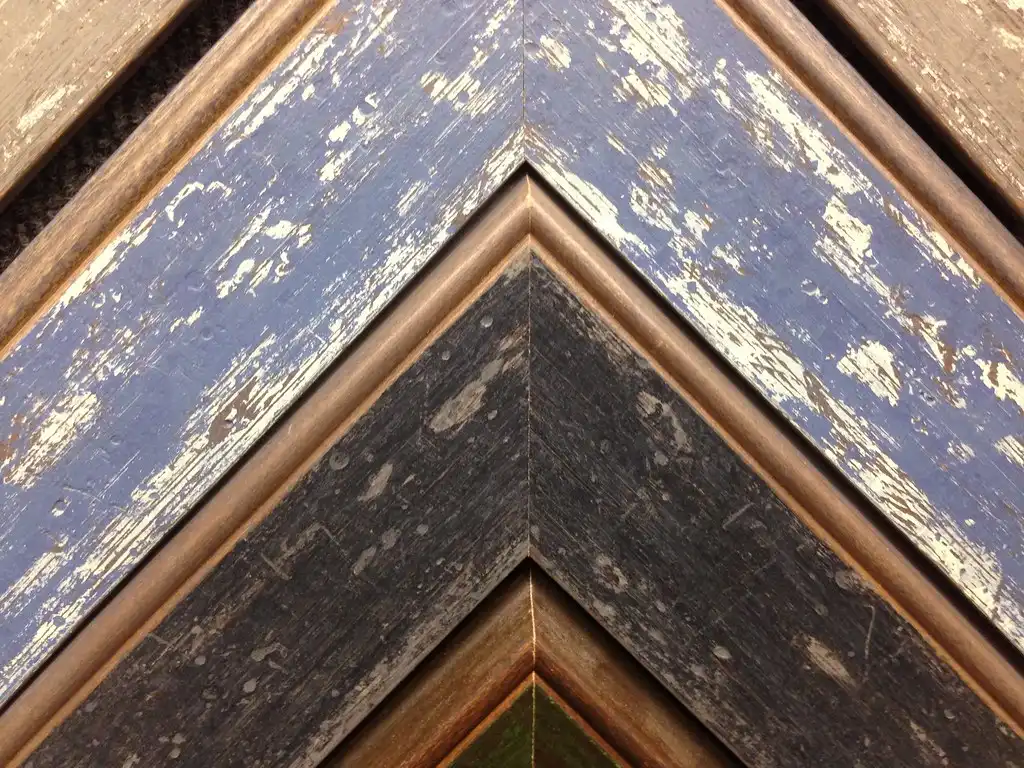
Maple: best for painted or clear frames?
Maple is one of the safest all-around choices for picture frames because it usually has fine, even texture, stable grain direction, and clean miter behavior. It takes paint well and can look crisp under clear finish, so it works for modern frames that need straight edges and a tidy surface.
Why maple stays flat and cuts clean at miters
Maple’s fine grain helps reduce visible runout at the corners, which matters in a small frame where each 45-degree cut is easy to see. It also sands predictably, so the miter faces can stay crisp instead of fuzzy or torn.
That makes maple a strong choice when the frame will be handled a lot during layout, sanding, and clamping. It is easier to get a tight-looking corner when the wood does not wander across the cut face.
When maple beats pine or oak
Maple beats pine when you want fewer dents and a cleaner painted or clear-coated surface. It beats oak when you want a smoother look with less texture showing through the finish.
For a 5×7 certificate frame or a narrow gallery frame, maple gives you a better balance of stiffness, clean edges, and finish control than softwood stock. It is especially useful when the frame profile is thin and every flaw shows.
Finish notes for paint, stain, and clear coat
Maple can take paint or stain, but stain often needs extra care because the wood is dense enough to show color variation if prep is uneven. For paint, use a primer or sealer so the face and end grain accept coating at a more even rate.
For clear finish, sand smoothly through the final grit before coating so the pale color and fine grain stay clean. A clear coat will show surface scratches and machine marks, so the prep has to be better than it would be for paint.
Walnut: best for clear-finished display frames?

Walnut is a strong choice for clear-finished display frames because its dark brown color and subdued grain give the frame a finished look without much extra color work. It pairs well with transparent coatings and usually looks intentional around art that needs contrast rather than brightness.
Why walnut works well with transparent finishes
Walnut already has a deep tone, so a clear finish tends to reinforce the color instead of fighting it. That makes finish selection simpler, because you are protecting the wood rather than trying to hide it.
Its grain also tends to read well under clear coats when the stock is straight and the sanding is even. If you want the frame itself to look like a design element, walnut is one of the easiest woods to justify.
Where walnut’s dark color helps the artwork
Walnut can create strong contrast around pale paper, photographs, and light mats. That contrast keeps the frame from visually merging with the art, which is useful when you want the piece to stand apart from the wall.
It is a good fit for black-and-white prints, warm-toned photography, and pieces that need a more formal border. The color does some of the design work for you.
When walnut is worth the higher cost
Walnut is worth the cost when the frame will be seen up close and left clear-coated. It is also a good choice for deep shadow-box frames, where the sides and front profile are both visible.
If the frame will be painted, walnut is usually harder to justify. The wood is paying for color and character, and paint hides both.
Pine: best for painted budget frames?
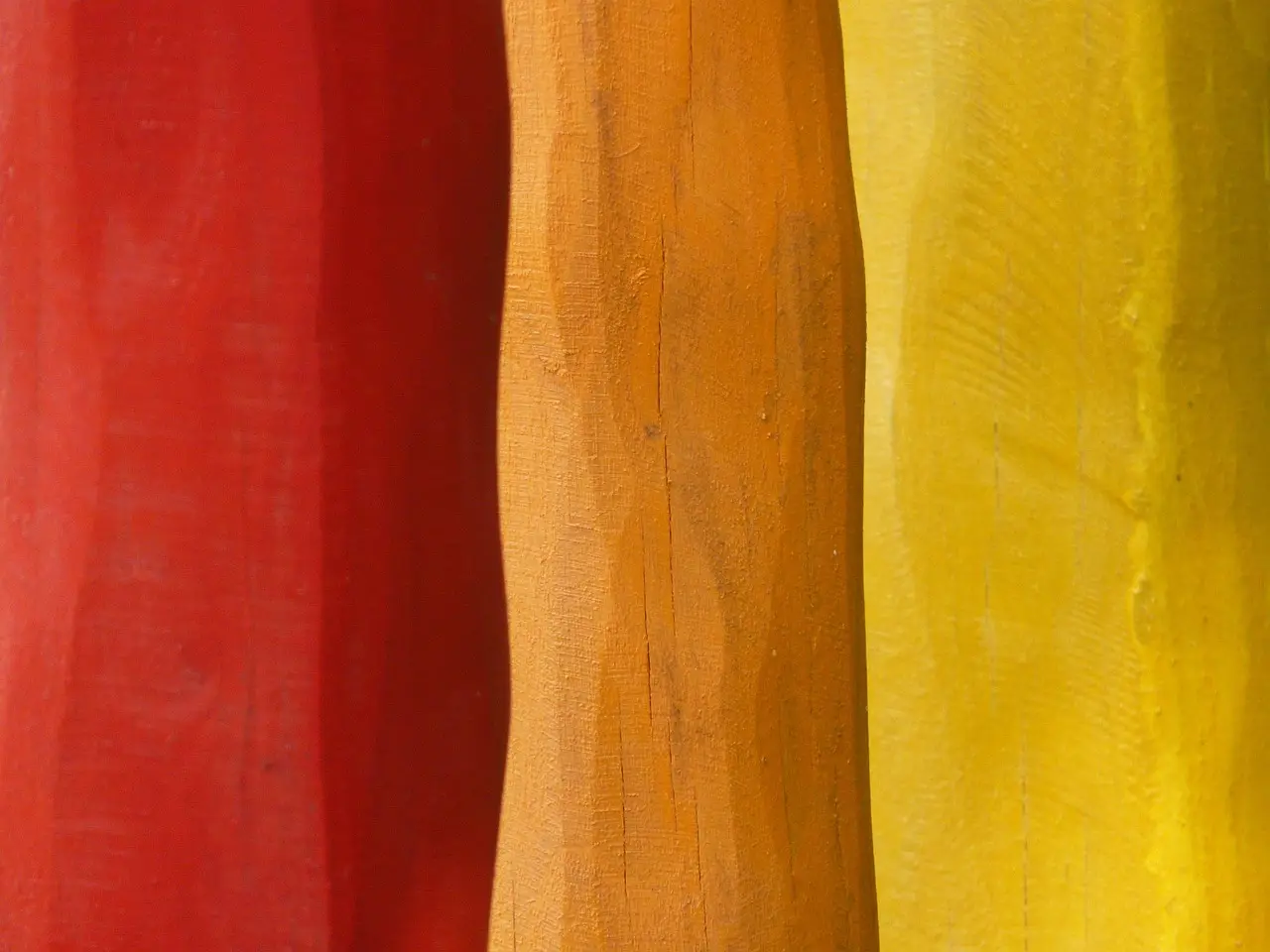
Pine is a common budget choice for picture frames because it is easy to machine, easy to cut, and widely available. It is usually better for painted frames than for clear-coated frames, since dents, grain variation, and blotching can show up fast under transparent finish.
Why pine is easy to cut and assemble
Pine cuts quickly and usually does not fight a saw or router the way harder woods can. That makes it useful when you need to build several frames or when you are learning to manage miter joints.
It also glues well and accepts basic shop tools without much resistance. For simple frames, that lower cutting effort can matter more than the premium look of a hardwood.
How to reduce blotching and dent marks
Pine dents more easily than hardwood, so protect the corners and faces during layout and clamping. Keep tools sharp, because ragged cuts make the end grain look worse and increase sanding time.
For finish, use a conditioner or sealer before stain if you want to reduce blotching. Pine’s softer earlywood and harder latewood absorb finish unevenly, so a sealer helps keep the color from looking spotted or muddy.
When pine is a better choice than hardwood
Pine is a better choice when the frame will be painted and cost matters more than visible grain. It also makes sense for prototypes, casual family prints, and frames where a small dent will not ruin the project.
For a simple 8×10 wall frame that will be painted to match trim, pine can be the most practical option. For a clear-coated display frame, hardwood is usually the safer pick.
Oak: best for visible grain and texture?
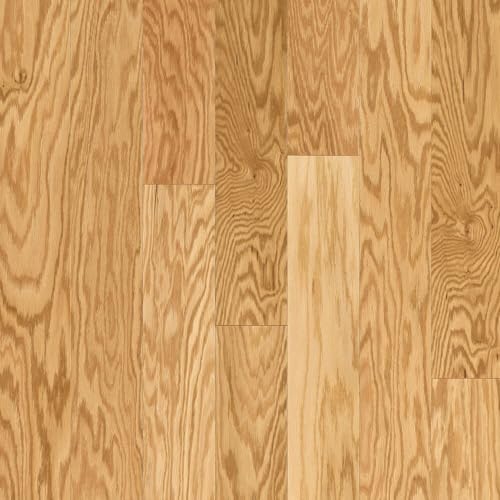
Oak is the better choice when you want grain to be part of the design. Its open grain and strong figure can look excellent under clear finish, but that same texture can show through coating and make the surface feel busier than maple or walnut.
How oak grain behaves under clear finish
Oak’s open grain reads clearly through transparent coatings, so the finish does not hide the wood’s structure. If the stock is straight and the sanding is careful, the result can look bold and deliberate.
That texture is useful when the frame should feel substantial. It is less useful when you want a flat, quiet look that keeps attention on the artwork.
When open grain is a feature, not a flaw
Oak works when the grain itself supports the style of the room or the piece. A frame for rustic art, traditional decor, or a warm-toned print can benefit from that strong figure.
If you want a low-contrast surface, oak is the wrong wood. If you want a wood grain that announces itself, it is one of the clearest choices.
What oak means for sanding and miter fit
Oak sands well enough, but its open pores can stay visible after finishing unless you fill or accept the texture. The miter cuts can look excellent, though the grain pattern may make the corner line more obvious than it would in maple.
For tight corners, clean saw setup matters because open grain can make small gaps easier to spot. The cuts have to be accurate, since the finish will not hide the joints for you.
MDF and wrapped frames: best for paint-grade budget builds?
MDF and wrapped frames are smart budget options when you want a smooth painted look and do not need the authenticity of solid wood. Their manufactured cores can finish evenly, and wrapped faces can keep the surface uniform where solid wood grain would otherwise show through.
Why manufactured cores paint evenly
MDF has no grain pattern to show through paint, so it can give you a very even surface on simple frame profiles. That makes it useful when the goal is a clean painted border rather than visible wood character.
Wrapped frames use a factory-applied surface that can also read smooth and consistent. For a plain black or white frame, that uniformity can be a real advantage.
Where MDF beats solid wood for smooth profiles
MDF is useful for narrow paint-grade mouldings, especially when the profile has flat faces and small beads. It keeps the paint surface consistent and avoids the grain lines that can interrupt a glossy coat.
It can also be easier to get a uniform look across multiple frames at once. If the project is about repetition and color match, MDF can be the practical answer.
Limits to watch on durability and authenticity
MDF is less forgiving around moisture, impact, and rough handling than solid wood. A damaged corner can look worse because the core does not repair like wood grain does.
Wrapped frames are also less authentic than solid wood, which matters if the frame is meant to read as a crafted object. They solve the paint problem, but they do not give you the same material feel.
Wood selection matrix
The table below scores common frame stock on the factors that matter most for custom frames. Higher numbers are better for straight grain, miter-friendliness, paintability, and clear-finish appeal; lower numbers are better for blotch risk and warp risk.
| Wood or stock type | Straight grain | Miter-friendliness | Blotch risk | Paintability | Clear-finish appeal | Warp risk | Frame-style recommendation |
|---|---|---|---|---|---|---|---|
| Maple | 5 | 5 | 2 | 5 | 4 | 2 | Best for modern painted frames and clean clear-finished frames. |
| Walnut | 4 | 4 | 2 | 3 | 5 | 2 | Best for clear-finished display frames and contrast-heavy art. |
| Pine | 3 | 4 | 4 | 4 | 2 | 3 | Best for painted budget frames and casual home prints. |
| Oak | 3 | 3 | 2 | 3 | 4 | 3 | Best when visible grain and texture are part of the design. |
| MDF | 5 | 4 | 1 | 5 | 1 | 4 | Best for smooth paint-grade frames with simple profiles. |
| Wrapped frame stock | 5 | 4 | 1 | 5 | 1 | 3 | Best for low-cost painted frames where solid wood is not required. |
For clear-coated display frames, maple and walnut are the safest overall picks. For painted frames, MDF, wrapped stock, and maple lead the list, with pine close behind when cost matters more than dent resistance.
Hoteche miter box: best for tight corners
Based on the manufacturer’s specs and published product details, this miter box suits DIYers who need repeatable angle cuts for frame stock, trim, or other narrow material. The 15° to 90° range is useful for picture-frame work, and the wider aluminum body should help support longer pieces during cutting.
The main drawback is that it is a tool, not a wood solution. It will not fix bad grain choice, and a rough-cut or dull saw blade can still leave corners that need extra sanding and fitting.
The Hardwood Edge walnut planks: best for small display frames
These walnut planks fit DIY frame work when you want a clear-finished look and a small, manageable blank size. The thin-sawn, sanded stock and kiln-dried description make them useful for craft-scale frames where straight grain and finish quality matter more than bulk lumber volume.
The drawback is the narrow format. A 4 1/2″ x 18″ board is limiting for larger frames, so it is better for small photo frames, accent pieces, and short segments than for wide projects.
Retique It wood finish kit: best for paint-grade color work
This kit fits frames that need a wood-like painted or stained look on a surface that does not already have ideal grain. Based on the product details, it is aimed at faux-wood finishing and can help when you want a controlled decorative surface rather than raw wood character.
The drawback is that it is a specialty finish system, so it adds steps and learning curve. It also does not replace the need to choose a stable frame substrate and clean miter joints.
TAIWAIN picture frame bit set: best for custom moulding
This router bit set is for makers who want to mill their own architectural picture-frame moulding profiles. The carbide cutters and 1/2 inch shanks make it relevant for custom frame stock, especially when you need a repeatable profile for multiple frames.
The drawback is that it is tooling, not lumber, and it only helps if you already have suitable stock and a setup that can handle the cut safely. For a beginner, the profile quality depends on setup, feed rate, and the wood species you choose.
Which one should you buy?
For a low-cost painted frame, pick pine or MDF if the frame will stay indoors and the corners do not need to survive rough handling. For a clear-finished display frame, maple is the most balanced choice, while walnut is the stronger pick when you want color and contrast to do more of the visual work.
For tiny photo frames, choose maple or another straight-grain hardwood so the miters stay crisp. For deep shadow-box frames, choose walnut or maple and pay extra attention to movement and corner reinforcement. For wide-profile frames, MDF or wrapped stock can be fine if the goal is a smooth paint-grade finish rather than natural wood appeal.
Say your frame is a 4×6 tabletop piece with a white painted finish. Pine or MDF is usually the practical route, because the finish will hide the substrate and the small size does not need premium wood character. Suppose the frame is a 16×20 art print with a clear coat and no mat. Maple or walnut is the safer choice, because the grain and color will stay part of the design instead of fighting the finish.
A common first-timer mistake is choosing wood by color first and grain second. That can lead to a frame that looks good on the rack but twists after assembly, opens at the corners, or shows patchy stain around the miters.
Frequently asked questions
What is the best wood for picture frames?
For most custom frames, maple is the best all-around choice because it is straight-grained, cuts cleanly, and works with paint or clear finish. Walnut is the better choice when you want a darker clear-finished frame with stronger visual contrast. Pine is fine for painted budget frames.
Is pine or hardwood better for picture frames?
Hardwood is better when you want a cleaner miter, better dent resistance, and a more predictable clear finish. Pine is better when cost matters and the frame will be painted. For small frames that need to stay crisp, hardwood usually gives you fewer problems at the corners.
What wood has the straightest grain for frames?
Maple is usually the safest bet for straight grain and minimal visual runout in frame stock. Clear, straight-grained walnut is also excellent for display frames. Oak can be straight enough, but its open grain is more about visible texture than a smooth, quiet look.
How do I stop picture frame wood from warping?
Use kiln-dried stock with straight grain, and let the pieces acclimate in the room before cutting. Keep the frame balanced with even stock thickness, glue the miters accurately, and clamp square. On deeper frames, reinforce the corners so movement does not open the joints later.
What finish looks best on picture frame wood?
Clear finish looks best on woods with attractive, straight grain such as maple and walnut. Paint looks best on woods that are not worth showing, such as pine, MDF, or wrapped stock. If the grain is mixed or blotchy, paint usually gives a cleaner result than stain.
Should picture frames be painted or stained?
Paint is the better choice when you want to hide grain variation, match decor, or use lower-cost wood. Stain is better when the grain is part of the design and the wood can take color evenly. Clear stain or clear coat works best on straight-grain hardwoods.
What wood is easiest to cut for mitered corners?
Pine is usually the easiest to cut, but it dents easily and can blotch under stain. Maple is often the best balance of cut quality and finish quality. Walnut cuts well too, though it is usually chosen more for its appearance than for cut ease alone.
How do I choose wood for small picture frames?
For small frames, choose stable, straight-grained stock because minor grain runout shows up fast at a narrow miter. Maple is a strong choice for paint or clear finish, and walnut works well when the frame should read as a finished display piece. Avoid stock with twist or heavy texture.
Sponsored / affiliate links. As an Amazon Associate I earn from qualifying purchases. I may earn additional commission from eligible campaigns.