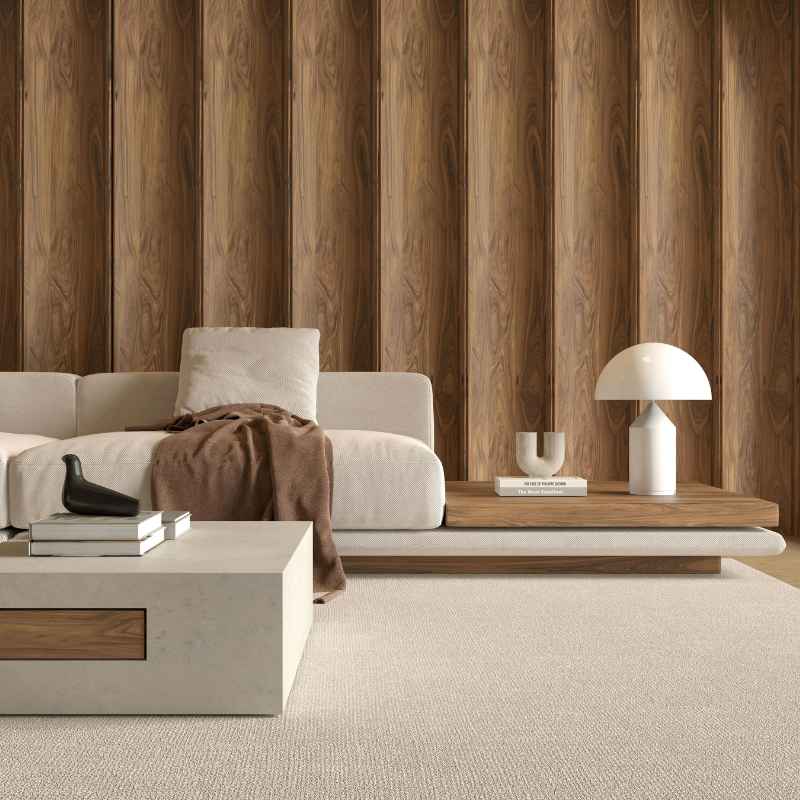
Elm Vs Ash Wood Furniture Flooring Guide
Picking the right wood for your furniture or floors can feel a bit tricky, especially when you’re just starting out. You might wonder about Elm vs Ash Wood: Best Choice for Furniture and Flooring and which one will work best for your home. It’s a common question, and it’s perfectly okay to feel a little unsure.
Don’t worry, though! We’re here to break it all down in a super simple way, step by step, so you can feel confident about your choice. We’ll look at what makes each wood special and help you decide which is the perfect fit for you.
Elm Wood For Furniture And Flooring
Elm wood is a beautiful and durable option that has been used for centuries in furniture making and flooring. It’s known for its distinct grain patterns and its ability to be worked into various shapes, making it a favorite among woodworkers and designers. This section will explore the characteristics of elm wood that make it a compelling choice for your home projects, covering its aesthetic appeal, durability, and common uses.
What Makes Elm Wood Special
Elm wood stands out because of its unique appearance and workability. The grain of elm is often wavy or interlocked, which gives finished pieces a natural, artistic look. This distinctive pattern means that no two pieces of elm furniture or flooring will ever look exactly alike, adding a touch of exclusivity to your space.
It’s a hardwood, meaning it’s quite strong and can withstand daily wear and tear, making it suitable for high-traffic areas like hallways or living rooms.
The color of elm can vary from a light tan to a reddish-brown, often with darker streaks that highlight its natural beauty. This natural variation allows it to fit into a wide range of interior design styles, from modern to rustic. Its texture is generally fine, which means it can be sanded smooth for a comfortable feel underfoot or to the touch on furniture.
Durability And Longevity Of Elm Wood
When considering wood for furniture and flooring, durability is a key factor. Elm wood is classified as a hardwood, which means it has a good level of toughness. This makes it resistant to dents and scratches that can occur with everyday use.
For flooring, this means it can handle the footsteps of family and guests without showing wear too quickly. For furniture, it means your tables, chairs, and cabinets can last for many years, becoming treasured items.
The hardness of elm wood is measured on the Janka hardness scale. While it’s not as hard as some other hardwoods like oak or maple, it’s still quite robust. For instance, American Elm typically scores around 1,290 lbf (pounds-force) on the Janka scale.
This is harder than pine or fir, but softer than red oak (which averages around 1,260 lbf) or hard maple (around 1,450 lbf). This level of hardness provides a good balance between resilience and ease of working.
The longevity of elm wood is also attributed to its natural resistance to decay and insect infestation, especially when properly sealed and maintained. This means that elm flooring can maintain its structural integrity and appearance for decades, and elm furniture can be passed down through generations. Its ability to hold finishes well also contributes to its long-lasting appeal, protecting the wood and enhancing its natural luster over time.
Common Uses For Elm Wood
Throughout history, elm wood has been a popular choice for a variety of applications due to its strength and attractive grain. In furniture making, it’s often used for dining tables, chairs, cabinets, and decorative pieces. Its wavy grain can create visually stunning effects on larger surfaces like tabletops.
It’s also favored for bentwood applications, such as in chairs, because it can be steamed and shaped effectively.
For flooring, elm offers a unique alternative to more common woods like oak or pine. Its distinct grain pattern can add character and warmth to any room. Elm flooring is particularly well-suited for areas where a durable yet visually interesting floor is desired.
It can be stained or finished in various ways to match different interior aesthetics. It has also been used historically for things like wheel spokes, tool handles, and boat building, underscoring its inherent strength and resilience.
Pros And Cons Of Elm Wood
- Pros
- Unique and attractive wavy grain patterns that add character.
- Good durability and hardness for furniture and flooring.
- Natural resistance to decay and insects when treated.
- Can be steamed and bent into various shapes.
- Accepts finishes well, allowing for customization.
The attractive grain of elm is a major plus, offering a natural beauty that is hard to replicate. Its durability means it can stand up to daily use in busy homes. The natural resistance to decay is a bonus for longevity.
The ability to bend elm wood opens up design possibilities for curved furniture pieces.
- Cons
- Availability can be limited, and it may be more expensive than common hardwoods.
- Susceptible to Dutch elm disease, which has impacted supply in some regions.
- Can be challenging to work with due to interlocking grain, sometimes causing tear-out.
- Requires careful handling and finishing due to its tendency to absorb moisture.
Finding elm wood can sometimes be difficult, and this scarcity can drive up its price compared to more widely available woods. The historical impact of Dutch elm disease means that the supply of certain types of elm has been reduced, making it a rarer wood. The interlocking grain can make it tricky for beginners to cut and shape without damaging the surface.
It also needs careful moisture management to prevent warping or cracking.
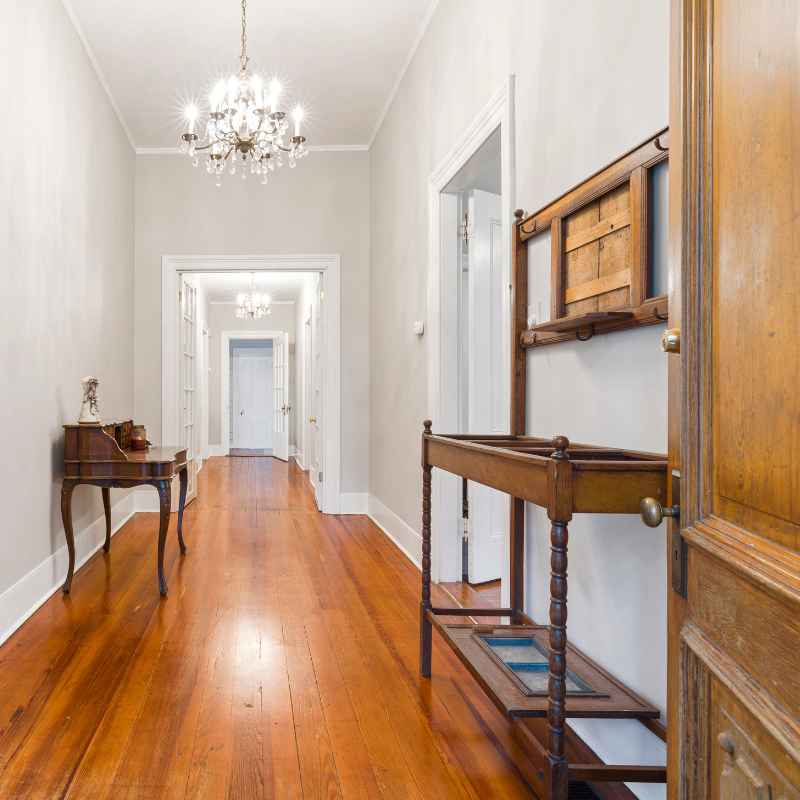
Ash Wood For Furniture And Flooring
Ash wood is a highly versatile and widely used hardwood known for its strength, flexibility, and distinctive grain. It’s a popular choice for both furniture and flooring, offering a bright, clean look that complements many design styles. This section will explore the key features of ash wood, its performance in various applications, and why it remains a go-to material for many homeowners and designers.
Characteristics Of Ash Wood
Ash wood is characterized by its prominent, straight, and often coarse grain pattern, which gives it a visually appealing and consistent look. The color of ash typically ranges from creamy white to light brown, sometimes with a reddish or grayish hue. This pale color makes it an excellent candidate for staining, as it can readily accept a wide range of colors, from light natural finishes to dark, rich tones.
The texture of ash is generally coarse, but it’s also known for its excellent shock resistance and elasticity. This combination of features makes ash wood incredibly strong and resilient. It’s also relatively easy to work with using both hand and machine tools.
While the grain can be prominent, it’s usually straight enough not to pose significant challenges in milling or finishing. Ash wood also has a pleasant, mild odor when worked.
Strength And Flexibility Of Ash Wood
One of the most lauded qualities of ash wood is its impressive strength and flexibility. It is known for its high resistance to shock, which makes it an ideal material for items that need to withstand impact. This makes ash wood an excellent choice for tool handles, baseball bats, and other sporting equipment where durability and resilience are paramount.
On the Janka hardness scale, ash wood generally falls in a similar range to oak. White ash, for example, typically scores around 1,320 lbf, making it a very durable hardwood. This hardness means it can resist dents and scratches, which is vital for both furniture and flooring that endure daily use.
For flooring, this translates to a surface that can handle foot traffic, moving furniture, and the general wear and tear of family life.
Beyond its hardness, ash’s flexibility is another significant advantage. This elasticity allows it to absorb impacts without breaking, a property that is highly valued in furniture construction, especially for pieces that might experience stress. For flooring, this flexibility can mean less susceptibility to cracking under pressure compared to more brittle woods.
This combination of strength and elasticity contributes to ash wood’s reputation for longevity and reliability.
Ash Wood In Furniture And Flooring
Ash wood is a favored material for a wide array of furniture styles, from traditional to contemporary. Its clean, bright appearance makes it perfect for modern designs where a minimalist aesthetic is desired. It also stains beautifully, allowing it to be adapted to warmer, more traditional looks.
Ash is frequently used for dining tables, chairs, bed frames, and cabinetry because of its strength and attractive grain.
As a flooring material, ash offers a bright and airy feel to any room. Its consistent grain pattern provides a smooth, elegant look that can make spaces feel larger and more open. Ash floors are known for their durability and ability to withstand significant foot traffic.
They are a practical choice for busy households and commercial spaces alike. The wood’s ability to accept stains means that homeowners can achieve a customized look, whether they prefer a natural pale finish or a darker, richer hue.
Historically, ash has been used for everything from boat building to furniture frames, showcasing its reliable performance across diverse applications. Its good workability also means that intricate designs and details can be achieved, making it versatile for both structural and decorative elements in furniture.
Pros And Cons Of Ash Wood
- Pros
- Excellent strength, hardness, and shock resistance.
- Attractive, straight grain pattern that is versatile in appearance.
- Stains exceptionally well, allowing for a wide range of finishes.
- Good elasticity, making it resilient to impacts.
- Generally more affordable and widely available than some other hardwoods.
The superior strength and shock resistance of ash make it a reliable material for demanding applications. Its beautiful grain is a significant aesthetic advantage. The ease with which it accepts stains provides great flexibility for matching existing décor.
Its resilience means it can handle everyday stresses well. Ash is often a more budget-friendly choice than some other hardwoods.
- Cons
- Susceptible to emerald ash borer, which can impact availability and price.
- The open grain can sometimes require more filling for a perfectly smooth finish, especially for painted furniture.
- Can be prone to staining from water and other liquids if not properly sealed.
- Not as resistant to decay as some other hardwoods without protective treatments.
The ongoing threat from the emerald ash borer is a concern for the long-term availability and cost of ash wood. The open nature of its grain means that achieving a super smooth finish might require extra effort in terms of wood filler, especially if you’re aiming for a painted surface. Like many woods, ash can develop water stains if spills aren’t cleaned up promptly.
While strong, it’s not naturally as resistant to rot as some tropical hardwoods.
Elm vs Ash Wood Comparing For Furniture And Flooring
Choosing between elm and ash for your home projects involves understanding their unique strengths and weaknesses. Both are beautiful hardwoods, but they offer different aesthetic and performance qualities that can make one a better fit than the other depending on your specific needs. This section directly compares Elm vs Ash Wood: Best Choice for Furniture and Flooring, helping you make an informed decision.
Aesthetic Differences
The most striking difference between elm and ash lies in their visual appearance. Elm wood is celebrated for its dramatic, often wavy or interlocked grain patterns. This gives it a distinctive character, making each piece look unique and artistic.
The color of elm can range from light brown to deep reddish-brown, often with pronounced darker streaks that add depth and richness.
Ash wood, on the other hand, typically features a straighter, more consistent grain. Its color is generally lighter, ranging from creamy white to light brown. This more uniform appearance can lend itself to a cleaner, more modern look.
While ash can accept stains wonderfully, its natural appearance is bright and less dramatic than elm. If you desire a wood with a bold, natural pattern, elm might be preferred. For a cleaner, more subtle look that can be easily customized with finishes, ash is an excellent choice.
Durability And Hardness Comparison
When comparing durability, both elm and ash are strong hardwoods, but they excel in slightly different ways. Elm wood has a good level of hardness and is resistant to wear, making it suitable for furniture and flooring. Its Janka hardness is around 1,290 lbf.
Ash wood is known for its exceptional strength, flexibility, and shock resistance. Its Janka hardness is typically around 1,320 lbf, making it slightly harder and more resilient to dents than elm. This superior shock absorption means ash can withstand more impact without showing damage.
For flooring that sees very heavy traffic or furniture that might be bumped frequently, ash might have a slight edge in terms of raw resilience. However, both woods are robust enough for most residential applications.
| Wood Type | Janka Hardness (lbf) | Grain Pattern | Color Range |
|---|---|---|---|
| Elm | ~1290 | Wavy, interlocked, dramatic | Light tan to reddish-brown with dark streaks |
| Ash | ~1320 | Straight, consistent, prominent | Creamy white to light brown |
This table highlights that while ash is marginally harder on the Janka scale, both woods offer substantial durability for furniture and flooring. The choice often comes down to the visual preference for the grain pattern and the specific demands of the application.
Workability And Finishing
Workability refers to how easily a wood can be cut, shaped, and finished. Ash wood is generally considered easier to work with than elm. Its straighter grain means less risk of tear-out during machining, and it planes, sands, and finishes smoothly.
Ash readily accepts stains and paints, making it highly adaptable to various design aesthetics.
Elm wood can be more challenging to work with due to its interlocked or wavy grain. This can sometimes lead to tear-out, especially when cutting or planing. However, elm is known for its excellent steam-bending properties, making it ideal for curved furniture designs.
Both woods accept finishes well, but the open grain of ash might require more filler for an ultra-smooth, painted surface compared to elm.
Cost And Availability
The cost and availability of elm and ash wood can vary significantly based on region and current supply levels. Historically, ash has been more widely available and often more affordable than elm, especially certain species of elm that have been impacted by disease.
Ash wood is a common choice and is generally available from most lumber suppliers. Its widespread cultivation and use have kept it relatively accessible. Elm wood, particularly certain varieties like American Elm, can be rarer and thus more expensive due to supply limitations.
If budget is a primary concern and wide availability is important, ash often presents a more economical option. However, the unique beauty of elm may justify its higher cost for specific projects.
Best Use Cases For Each Wood
Considering all these factors, we can outline the best use cases for each wood. Elm is an excellent choice for statement furniture pieces where its dramatic grain can be showcased, such as dining tables, decorative cabinets, or curved chairs. It’s also a good option for flooring in areas where a unique, natural look is desired and the higher cost is acceptable.
Ash wood is a versatile workhorse, ideal for a wide range of furniture, from everyday chairs and tables to built-in cabinetry. Its durability and ability to accept finishes make it a fantastic choice for flooring in high-traffic areas like living rooms, hallways, and kitchens. For applications requiring significant shock resistance, like tool handles or sports equipment, ash is often the preferred material.
Its affordability and availability also make it a smart choice for larger projects or budget-conscious renovations.
Scenario Example
Imagine you are redoing your dining room. You want a new dining table that is both beautiful and durable enough for family meals. You also want to refinish your hardwood floors in the same room.
- For the Dining Table: If you love a bold, natural pattern and want a piece that is a true conversation starter, elm wood would be a fantastic choice. The wavy grain will make your table unique. However, if you prefer a cleaner, more understated look, or plan to paint the table, ash wood would be excellent. Its straighter grain is easier to work with, and it will take paint or stain beautifully to match your decor.
- For the Flooring: For the dining room floor, both woods can work. If you want a bright, modern floor with a consistent look, ash is a great option and often more budget-friendly. Its durability holds up well to daily use. If you desire a more unique floor with a lot of natural character and are willing to invest a bit more, elm flooring can offer a stunning, one-of-a-kind appearance.
In this scenario, ash might be the more practical choice for both due to its balance of cost, availability, and ease of finishing for diverse looks. However, if the visual impact of elm’s grain is a top priority for a specific piece, it remains a worthy consideration.
Frequently Asked Questions
Question: Is elm or ash wood better for kitchen cabinets
Answer: Both elm and ash can be used for kitchen cabinets. Ash is often a preferred choice because of its durability, resistance to denting, and its ability to accept stains and paints well, offering a clean look. Elm’s dramatic grain can also be stunning for cabinets, but it might be more challenging to work with and potentially more expensive.
For high-traffic kitchens, ash’s resilience and consistent appearance often make it a more practical choice.
Question: Which wood is easier to maintain elm or ash
Answer: In terms of maintenance, both elm and ash require similar care for furniture and flooring. Regular dusting, wiping up spills immediately, and occasional polishing or refinishing are standard for both. Ash’s straighter grain might be slightly easier to clean in crevices for certain types of furniture compared to elm’s more complex grain.
For flooring, proper sealing is key for both to prevent stains and wear.
Question: Can I mix elm and ash wood in the same room
Answer: Yes, you can definitely mix elm and ash wood in the same room! Mixing woods can add visual interest and depth to your decor. You could have an elm dining table with ash chairs, for example.
The key is to ensure that the finishes or colors complement each other and create a cohesive look, rather than clashing. Consider the overall style you are aiming for when combining different wood types.
Question: Which wood is more prone to scratches elm or ash
Answer: Both elm and ash are relatively hard woods and are more resistant to scratches than softer woods like pine. However, ash, being slightly harder and more shock-resistant, might have a slight edge in resisting minor surface scratches over time. Proper finishing with durable sealants will significantly enhance scratch resistance for both wood types, making them suitable for most applications.
Question: Is elm or ash a more sustainable choice
Answer: The sustainability of both elm and ash depends largely on responsible forestry practices and the origin of the wood. Ash has faced significant challenges from the emerald ash borer, which can impact its long-term availability and sustainability in certain regions. Elm has also been affected by disease.
When choosing, look for lumber sourced from sustainably managed forests that practice responsible harvesting. Both can be sustainable if sourced carefully.
Summary
Elm and ash wood are both strong, beautiful hardwoods suitable for furniture and flooring. Elm offers a dramatic, wavy grain and unique character, while ash provides a straighter grain, excellent strength, and a bright appearance. Ash is often more available and budget-friendly, and slightly more resilient.
Elm is perfect for statement pieces where its natural beauty shines. Your choice depends on your aesthetic preference, budget, and the specific demands of your project.
Sponsored / affiliate links. As an Amazon Associate I earn from qualifying purchases. I may earn additional commission from eligible campaigns.