Best Wood for Drawer Boxes: Weight, Durability, and Cost
Use 1/2-inch Baltic birch plywood for most drawer boxes; it usually gives the best balance of weight, durability, and cost for cabinets and furniture. Poor material choices add sag, swelling, or extra cost to every drawer and slide. This guide compares plywood, solid wood, MDF, and particleboard by density, movement, durability, and total system price. Janka hardness is a useful durability proxy, but drawer performance also depends on dimensional stability, screw holding, and panel thickness (USDA Forest Products Laboratory, Wood Handbook; APA – The Engineered Wood Association).
How to choose drawer-box material

Weight versus slide load
Drawer-box weight matters because it affects slide effort, mounting stress, and how the drawer feels when it is full. Hardwood species such as hard maple and red oak are denser than pine, so they usually add more mass per drawer before you load tools, dishes, or files. That extra dead weight matters most in wide drawers and deep shop pullouts where slide ratings can be exceeded long before the contents themselves become the problem (Wood Handbook; manufacturer slide load ratings).
Hard maple is the premium solid-wood option in this group. It is roughly 1,450 lbf Janka hardness, so it resists dents well and holds screws reliably. Red oak is also wear-resistant at roughly 1,290 lbf Janka hardness, but its open grain changes the surface feel and finish behavior (USDA Forest Products Laboratory, Wood Handbook; The Wood Database).
Softwood species are lighter and usually cheaper. Pine and fir are grown and harvested faster than hardwoods, and pine face frames are noticeably lighter than oak. That weight difference matters in a bank of wide drawers where every extra pound increases the load on slides and mounting screws. Pine also dents more easily than maple or oak, so light weight is not the same thing as long-term toughness (Wood Handbook; The Wood Database).
Durability versus cost
Durability is not the same as hardness alone. Corner strength, screw-holding, resistance to racking, and a bottom panel that stays flat under load all matter too. Hardwood comes from broadleaf, deciduous trees like oak and maple, while softwood comes from coniferous trees like pine and fir; the family matters more than the label on the lumber rack. Plywood often outperforms solid wood in cabinet use because cross-laminated plies reduce movement and improve panel stability across grain directions (Wood Handbook; APA).
For drawer boxes, the cost question should include the whole system. A cheaper board that needs thicker parts, more hardware, or a stronger joinery schedule can cost more than a stable sheet good with easier assembly. Dovetail joinery is a premium drawer-box joint, but it adds labor and raises cost whether the box is made from maple or oak. In real shop builds, joinery time and slide selection often matter as much as the board species itself.
When appearance matters
Appearance matters most when the drawer interior will be seen often or when the drawer front and sides are part of the design language of the piece. Solid maple and red oak are common high-end choices because they machine cleanly, take durable finishes, and look intentional in furniture-grade work. Visible interiors also reward cleaner joinery because corner lines, end grain, and fastener locations remain in view.
Suppose you are building a 24-inch-wide utensil drawer for a kitchen. A stable plywood box with a captured bottom keeps the drawer square, stays lighter than an all-hardwood box, and costs less to assemble than a dovetailed hardwood drawer in most shops. In kitchens, humidity cycling from dishwashers, sinks, and seasonal HVAC changes makes plywood’s lower movement a practical advantage, not just a technical one (Wood Handbook; APA).
Drawer-box materials decision matrix
This matrix uses common drawer-box priorities: lower weight is better for slide load, higher durability is better for wear, lower cost is better for budget, higher humidity stability is better for fit, and easier joinery is better for faster builds. Scores are on a 1-to-5 scale, with 5 as the best rating. Scores were assigned by combining published material properties, typical panel construction, and practical drawer-box behavior: Janka hardness for dent resistance, dimensional stability for seasonal movement, and common shop experience with screw-holding, racking, and edge damage (Wood Handbook; APA; The Wood Database).
| Material | Weight | Durability | Cost | Humidity stability | Joinery ease |
|---|---|---|---|---|---|
| Hard maple | 2 | 5 | 1 | 2 | 2 |
| Soft maple | 3 | 4 | 2 | 2 | 3 |
| Red oak | 3 | 4 | 3 | 2 | 3 |
| Baltic birch plywood | 4 | 4 | 4 | 5 | 4 |
| Walnut | 3 | 4 | 1 | 2 | 3 |
| Pine | 5 | 2 | 4 | 2 | 4 |
| MDF | 4 | 1 | 5 | 1 | 5 |
| Particleboard | 4 | 1 | 5 | 1 | 5 |
Material-by-material recommendation: hard maple for premium heavy-use drawers where dent resistance matters most; soft maple for a lower-cost solid-wood upgrade; red oak for durable furniture drawers with a visible grain; Baltic birch plywood for the best all-around cabinet and furniture drawer box; walnut for high-end visible interiors where appearance justifies cost; pine for very light-duty drawers where weight and price matter more than dent resistance; MDF for low-cost, light-duty shop parts only when moisture is controlled; particleboard only when the drawer is inexpensive, lightly loaded, and protected from impact and water.
Light-duty drawers: choose Baltic birch plywood or pine if the load stays low and the budget is tight.
Medium-duty drawers: choose Baltic birch plywood first, then soft maple or red oak if you want solid wood and can accept more weight.
Heavy-duty drawers: choose hard maple or Baltic birch plywood, and use stout slides and joints sized for the load.
Is plywood or solid wood better?
Plywood is usually better for drawer-box stability, while solid wood can win on appearance and traditional joinery. For most cabinets, plywood handles humidity swings better, stays flatter, and keeps the box square with less seasonal change. Solid wood still makes sense when the design calls for a furniture-grade look or a dovetailed box. In practical use, plywood tends to fail later by wearing at edges or hardware holes, while solid wood is more likely to move seasonally and disturb fit if the design does not account for it (Wood Handbook; APA).
Stability in humidity swings
Moisture movement is the biggest reason drawer boxes go out of fit. Solid wood changes with the seasons, and the Wood Handbook documents that movement can be large enough to matter in cabinetry; a 20-inch-wide solid panel can change by several tenths of an inch across moisture-content swings, depending on species and grain direction (USDA Forest Products Laboratory, Wood Handbook). That kind of movement can open gaps, pinch a drawer, or put stress on joints.
Sheet goods behave differently. Baltic birch plywood uses a void-free layered core and is commonly specified at 1/2 inch for sides, front, and back, with a 1/4 inch drawer bottom. Because the panel is layered, it stays much more stable across humidity swings than a solid-wood panel of the same size. Cross-laminated construction is one reason plywood is widely used in cabinetry and casework where fit needs to stay predictable over time (APA; Wood Handbook).
Mass and hardware load
Weight changes how a drawer feels every time you open it. A heavier species increases slide friction and mounting load, especially on large drawers that already carry dishes, files, or hand tools. That is why a light yet stable material often makes better hardware sense than a denser species with no practical benefit. In wide drawers, the first thing to suffer is often not the wood itself but the slides, screws, and cabinet mounting points.
Picture a deep base-cabinet drawer for pots. If the box is built from a heavy hardwood and fitted with a thick solid bottom, the slide set has to carry more dead weight before you add a single pan. A lighter plywood box reduces that baseline load. In kitchen and garage builds, that lower starting weight is often what keeps full-extension slides smooth instead of sticky over the long term.
When solid wood still makes sense
Solid wood still makes sense for premium furniture, visible drawer sides, or a build that needs a traditional joint profile. Hard maple is the premium choice here because it is dense, wear-resistant, and very good at holding screws. Red oak is also strong and durable, with open grain that many builders either like or intentionally fill and finish. In larger drawers, many experienced builders prefer solid-wood sides with a plywood bottom, because the sides get the visual and joinery benefits while the bottom provides stability without seasonal fight.
Dovetail joinery raises labor and cost, but it is common in higher-end solid-wood drawer boxes for a reason. It gives excellent mechanical strength, especially when the sides are hard maple or red oak and the box will be cycled thousands of times. A practical tradeoff is that dovetails are strongest at the corners, while screws or staples are faster but usually less forgiving under repeated heavy loading.
Best woods for different drawer types
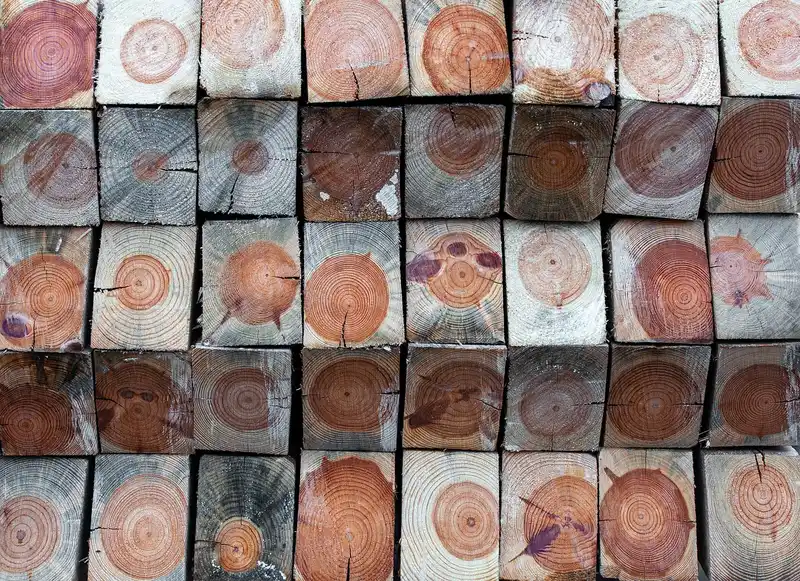
Choose material by load class first, then by budget and appearance. That order matters more than species name alone, because a light utility drawer and a heavy cookware drawer do not need the same weight, stiffness, or hardware support. In real builds, drawer width and expected contents should drive the material choice before color or tradition does.
Light-duty drawers
For cutlery, office supplies, and shallow utility drawers, Baltic birch plywood is the safest default. It is stable, easy to machine, and less likely to cause fit problems later. Pine can work for light loads only, but it dents more easily and is a poorer choice when the drawer will get daily abuse. For slim drawers under about 18 inches wide with low contents weight, the practical risk is usually wear and alignment, not outright structural failure.
Medium-duty drawers
For clothing, pantry items, and mixed kitchen storage, soft maple, red oak, or Baltic birch plywood all work well. Soft maple gives a lower-cost solid-wood route than hard maple and remains a moderate-popularity drawer-box choice. Red oak brings good wear resistance and a familiar hardwood look.
Say your drawer is 18 inches wide and holds cookware lids and utensils. Baltic birch plywood usually offers the best balance here because the box stays square, the parts are easy to cut accurately, and the drawer does not need the mass of hard maple to do the job. For many kitchen and dresser drawers of this size, the weak point is more often the slide mounting or the bottom groove than the side material itself.
Heavy-duty drawers
For tool chest drawers, shop cabinets, and deep storage drawers, use a stiffer material and a thicker build. The guide recommends 5/8 to 3/4 inch for tool chest and shop drawers. Hard maple is the premium solid-wood option, while Baltic birch plywood is often the practical heavy-duty sheet-goods choice. In shop settings, the first thing to fail is commonly the hardware or the drawer corner joint, not the face grain of the wood.
Red oak can also handle heavy use, but the extra mass is part of the tradeoff. If the drawer will hold hand tools or metal hardware, check the slide rating and mounting method before choosing a heavy solid-wood box. For deep drawers, many builders prefer plywood sides and a hardwood front because that combination keeps weight down while preserving a more durable attachment point at the face.
How thick should drawer parts be?
For most drawer boxes, 1/2-inch sides are a common, practical choice, and a 1/4-inch plywood bottom is the usual standard. For wider or heavier drawers, especially shop drawers, thicker parts may be justified. The best thickness is the one that keeps the box square without making it heavier than the hardware needs. This aligns with typical cabinet practice, where the bottom is captured for support and the side thickness is chosen for stiffness and joinery, not sheer bulk (APA; Wood Handbook).
Typical side thickness
Baltic birch plywood is commonly recommended at 1/2 inch for drawer sides, front, and back. That thickness gives enough stiffness for most cabinets while keeping weight under control. Hard maple and red oak sides can also work at similar thicknesses, but the material cost is usually higher. Thicker sides become more useful when the drawer is long, heavily loaded, or built with simpler joints that need extra material to resist racking.
Bottom panel thickness
Drawer bottoms are usually 1/4 inch plywood set in a groove. That is the standard because the bottom needs support, not bulk. A plywood bottom is dimensionally stable and can be glued or captured in the groove depending on the design; it does not need the same movement allowance as a solid-wood panel. For many drawers, the bottom groove and the glue line around it are the stress points that matter more than the panel thickness itself (APA; Wood Handbook).
When to adjust for load
Increase thickness when the drawer is wide, deep, or expected to carry concentrated weight. Tool chest and shop drawers often benefit from 5/8 to 3/4 inch material. That extra stiffness can reduce racking and help the slides stay aligned under heavier loads. A wider drawer, especially one above 24 inches, is much more likely to benefit from thicker sides or a stiffer species because torque at the front corners rises quickly as contents shift.
What to avoid in drawer boxes
MDF and particleboard are generally weak choices for heavy-duty drawer boxes. They can work in low-cost or light-duty builds, but they do not handle impact, screw abuse, or repeated moisture exposure as well as plywood or solid hardwood. Solid wood bottoms are also a poor choice in moving parts because they can move a lot with humidity. MDF and particleboard also have practical limits at edges and fastener locations, where swelling and screw withdrawal become obvious first (Wood Handbook; APA).
MDF and particleboard limits
The guide says utility and garage drawers can use pine or MDF for light loads only. That is a narrow use case, not a general recommendation. MDF and particleboard are more vulnerable to sag, edge damage, and fastener failure, especially when the drawer sees daily use or carries heavier contents. Their limitations show up fastest at the edges, around hinge or slide screws, and where moisture can enter exposed fibers or chips.
A common first-timer mistake is building a deep shop drawer from particleboard because it looks flat at the start. Once the drawer takes weight and the room humidity changes, the corners can loosen and the bottom can start to sag at the fastener line. In actual use, these materials often fail first at the screw holes, then along the bottom groove, and finally at the corners if the drawer is cycled heavily.
Solid wood bottom panels
Solid wood bottoms are the most common failure point in a drawer that is expected to stay flat. Seasonal movement can change the width enough to bind the drawer or crack the panel if the design does not allow movement. Plywood bottoms avoid that problem far better. If a solid bottom is unavoidable, the joinery must allow cross-grain movement, or the box will eventually telegraph the stress through gaps, splits, or sticking.
Poor joinery choices
Joinery matters as much as species. Weak butt joints in a heavy drawer can rack long before the board itself fails. If you use a premium solid wood such as hard maple or red oak, dovetails are a sensible way to pay for strength where the corners take the load. For plywood drawers, dadoes, rabbets, and captured bottoms are usually efficient because they spread load without forcing the panel to do the work alone.
Frequently asked questions
What is the best wood for drawer boxes?
For most cabinet and furniture drawers, Baltic birch plywood is the best all-around choice because it balances weight, durability, humidity stability, and cost. If you want a premium solid-wood box, hard maple is the strongest common pick. It is dense, wear-resistant, and widely used where drawers take hard daily use.
Is plywood or solid wood better for drawer boxes?
Plywood is usually better for stability and predictable fit, especially in kitchens, baths, and other spaces with humidity swings. Solid wood is better when you want a premium look or traditional joinery. For most practical builds, plywood wins on total drawer-system cost because it is lighter and easier to keep square.
Should drawer bottoms be solid wood or plywood?
Use plywood for drawer bottoms in almost all practical builds. Plywood is the better choice because it stays flatter, moves far less with moisture, and is less likely to crack or bind in a groove. Solid wood bottoms are mainly a traditional or decorative choice, not a durability upgrade. If the drawer needs to survive seasonal movement and repeated loading, plywood is the direct recommendation (Wood Handbook; APA).
Is hard maple better than birch for drawer boxes?
Hard maple is tougher and more wear-resistant than common birch plywood, and it carries the premium solid-wood reputation for a reason. But birch plywood is often the better drawer-box material overall because it is more stable and usually easier to build with. Choose hard maple when strength and appearance matter more than weight.
How thick should drawer box wood be?
Use 1/2-inch material for most drawer sides and a 1/4-inch plywood bottom in a groove. For tool chest and shop drawers, a common rule of thumb is 5/8 to 3/4 inch. Thicker material helps with stiffness, but it also adds weight, so match thickness to the load. In larger drawers, thickness choice should follow span and load before it follows species preference.
Can I use MDF or particleboard for drawer boxes?
Yes, but only for light-duty or low-cost drawers where moisture exposure and impact are limited. MDF and particleboard are poor choices for heavy-duty use because they are weaker at edges and less forgiving around fasteners. If the drawer will carry weight or get rough use, plywood is the safer material.
What wood is least likely to warp in drawers?
Baltic birch plywood is the least likely to warp in this group because its layered construction resists seasonal movement. Among solid woods, hard maple and red oak are more dimensionally dependable than softwoods, but they still move with humidity. If fit matters most, sheet goods beat solid wood.
What is the cheapest durable material?
The cheapest durable material is usually Baltic birch plywood for a real drawer box, with pine as a lower-cost option only for light-duty use. Direct verdict: if you need the lowest-cost material that still holds up well in everyday use, choose Baltic birch plywood. If the drawer is very light-duty and appearance is secondary, pine is cheaper, but it is not as durable against dents and wear.
Sponsored / affiliate links. As an Amazon Associate I earn from qualifying purchases. I may earn additional commission from eligible campaigns.