5 Differences Between Hardwood And Softwood You Should Know
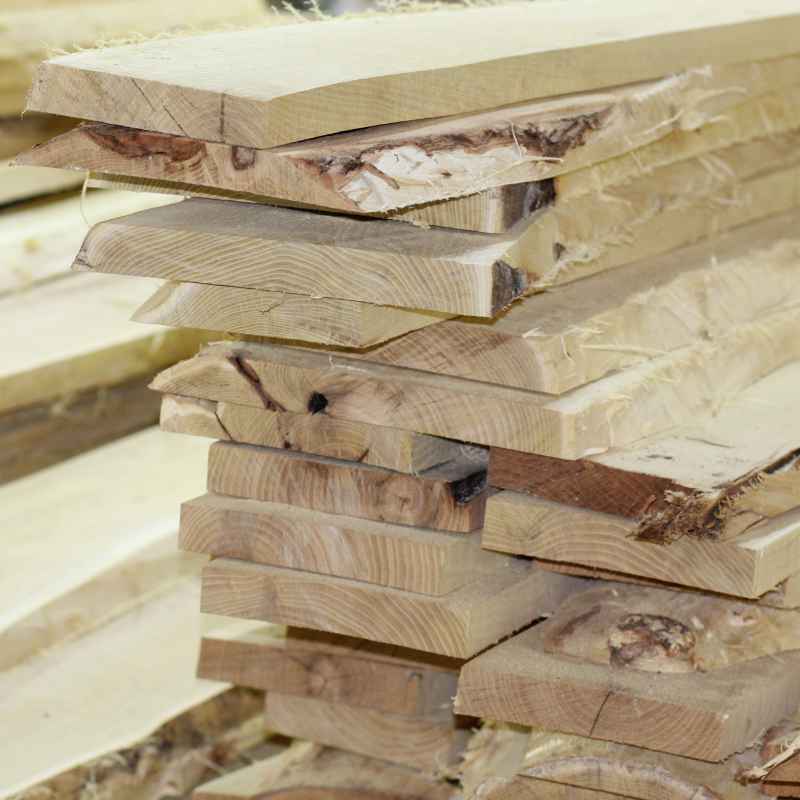
The main difference between hardwood and softwood lies in the type of tree they come from and how they grow. Hardwoods come from deciduous trees, which lose their leaves annually, while softwoods come from coniferous trees, which have needles and cones. This biological difference leads to distinct characteristics in strength, density, grain, and usage.
What’s the Real Story: Hardwood vs. Softwood
Let’s dig into what makes these two wood types different. It’s not just a marketing term; it’s about nature’s design. Understanding these points helps you make smart choices for your home or projects.
Think about a mighty oak tree versus a tall pine tree. They look very different, right? That difference starts at their very core.
Hardwood comes from trees that shed their leaves each fall. We call these trees deciduous. Think of maple, cherry, or walnut trees.
Softwood, on the other hand, comes from trees that stay green all year. These are usually evergreen trees with needles and cones. Pine, fir, and spruce are common examples.
This basic biological difference is the root of all the other variations we see and use.
My First Wood Project: A Big Softwood Surprise
I remember my first attempt at building a simple shelf for my garage. I went to the lumber yard, feeling pretty confident. I saw a stack of wood labeled “pine” and thought, “Perfect, this looks like wood!” It was inexpensive and readily available.
I bought enough for my shelves and some decorative trim.
As I started cutting, I noticed it was easy to saw. Maybe a bit too easy. When I tried to put screws in, the wood compressed and sometimes split.
I ended up pre-drilling every single hole. Then, when I went to sand it, it felt rough. I needed a lot of filler for the dents and gouges I’d accidentally made just by handling it.
The finished shelf looked okay from a distance, but up close, you could see it was soft. It dented easily when I bumped into it. That’s when I truly learned that not all wood is the same, and my “bargain” pine wasn’t ideal for a shelf that would see a lot of use.
Five Key Differences to Keep in Mind
Now, let’s look at the specifics. These are the things you’ll notice most when you’re working with wood or when it’s in your home.
Key Wood Differences at a Glance
Tree Type
Hardwood: Deciduous trees (lose leaves).
Softwood: Coniferous trees (needles, cones).
Density & Strength
Hardwood: Generally denser and stronger.
Softwood: Generally less dense and softer.
Grain Pattern
Hardwood: More complex, varied grain.
Softwood: Simpler, straighter grain.
Cost
Hardwood: Usually more expensive.
Softwood: Usually less expensive.
Durability
Hardwood: More resistant to wear and tear.
Softwood: Prone to dents and scratches.
1. The Tree Itself: Where It All Starts
This is the most fundamental difference. Hardwood comes from trees that have broad leaves. They change color in the fall and drop their leaves.
Think of trees like oak, maple, walnut, and cherry. These trees grow much slower.
Softwood comes from trees that have needles and cones. These trees, like pine, fir, and spruce, stay green year-round. They often grow much faster than hardwood trees.
This speed of growth plays a big role in how the wood is used and its cost.
2. Density and Strength: How Much Can It Take?
Because hardwood trees grow slowly, their wood tends to be more dense. This means there are more wood fibers packed into the same space. This makes hardwood generally stronger and harder than softwood.
It can withstand more weight and pressure.
Softwood, from faster-growing trees, is usually less dense. This makes it lighter and softer. It’s easier to cut and shape, which is good for some tasks.
But it also means softwood is more likely to get dents, scratches, or gouges. Think about walking on a floor; a hardwood floor holds up better to daily foot traffic.
Density Matters: A Simple Comparison
Imagine two sponges. One is packed very tightly (hardwood). The other is more airy and loose (softwood).
Hardwood: Feels heavier for its size. It’s like trying to squeeze the tightly packed sponge. It resists.
Softwood: Feels lighter. It’s easier to compress the airy sponge.
3. Grain and Appearance: What You See
The way wood looks is a big deal, especially for furniture or visible parts of a house. Hardwood usually has a more complex and varied grain pattern. The lines and swirls can be beautiful.
You might see interesting figuring or knots. This is because hardwood has pores that are more complex in structure.
Softwood often has a straighter, simpler grain. It can look quite uniform. This isn’t always a bad thing; sometimes a clean look is desired.
Pine, for example, often has prominent knots that many people like for a rustic feel. The difference in grain is a direct result of how the tree grows and its cell structure.
Contrast Matrix: Grain Appearance
Hardwood Grain
Often more intricate and varied.
Can have complex swirls and lines.
Looks richer, more detailed.
Softwood Grain
Usually straighter and more uniform.
Can have clear, simple lines.
Looks cleaner, sometimes simpler.
4. Cost and Availability: The Price Tag
Generally, hardwood is more expensive than softwood. This is due to several factors. Hardwood trees grow much slower, so it takes longer to get lumber from them.
They are also often found in different regions, making transportation costs higher.
Softwood trees grow faster and are more widely available in many areas. This makes them less costly to harvest and process. For big projects where you need a lot of material, like framing a house, softwood is the go-to choice because of its price and availability.
For fine furniture or flooring, the extra cost of hardwood is often worth it for its beauty and durability.
5. Durability and Resistance: How Long Will It Last?
This ties back to density and strength. Hardwood is much more resistant to wear and tear. It’s better for high-traffic areas like floors, stairs, or tabletops that get a lot of use.
It stands up well to scratches, dents, and general abuse. This is why hardwood furniture often lasts for generations.
Softwood is more prone to damage. A misplaced object can easily create a dent. Scratches are also more common.
This doesn’t mean it’s not useful; it just means it needs to be used in places where it won’t be subjected to so much impact. For example, softwood is excellent for things like trim that don’t get hit often, or for construction framing where the wood is hidden and protected.
Quick-Scan Table: Usage & Durability
| Feature | Hardwood | Softwood |
|---|---|---|
| Flooring | Excellent (durable, resists wear) | Fair (can dent easily) |
| Furniture | Excellent (holds up well) | Good for rustic or less-used pieces |
| Cabinetry | Very good (strong, looks great) | Good (often painted or stained) |
| Framing (House) | Rarely used (too costly) | Standard (cost-effective, strong enough) |
Real-World Context: Where You See These Woods
The differences between hardwood and softwood mean they are used in different places. You see this all around your home. When you walk into a house, look at the floors.
If they look rich and have a deep, varied grain, it’s probably hardwood. This is a classic choice because it’s beautiful and can last a lifetime.
Think about your kitchen cabinets. Many high-end cabinets are made from hardwoods like maple or cherry. They look stunning and are very durable.
The same goes for furniture. A solid oak dining table or a walnut desk is built to last and to be a centerpiece.
Now, look at the framing inside the walls of your house. That’s almost always softwood, like pine or fir. It’s strong enough to hold up the structure, but it’s much cheaper and faster to build with.
Also, the trim around your doors and windows might be pine. It’s easier to paint and can be replaced more affordably if it gets damaged.
Observational Flow: Common Wood Uses
Start of a Home Project: You need to build something.
Decision Point: What kind of wood?
For Structural Strength (Hidden): Framing walls, decks often use softwood like fir or pine. It’s strong enough and costs less.
For Visible Beauty & Durability: Floors, stair treads, nice furniture often use hardwood like oak or maple. It looks great and lasts longer.
For Painted Surfaces: Trim, doors, and cheaper furniture can be softwood. It takes paint well and is affordable.
For High-End Finishes: Custom cabinets, detailed furniture might use premium hardwoods like cherry or walnut for their unique look.
What This Means for You: When Is It Normal? When to Worry?
Knowing these differences helps you understand what to expect from your wood products. If you have a hardwood floor, it’s normal for it to have a beautiful grain. It’s also normal for it to be quite hard and resistant to minor bumps.
If you get a small dent on a hardwood floor, it’s usually from something very heavy dropped directly on it.
If you have softwood furniture, expect it to be lighter. It’s normal for it to dent if you bump it with your knee or if a pet’s claws scratch it. This is just how softwood behaves.
It’s not a defect; it’s a characteristic.
When should you worry? If you bought something advertised as hardwood, and it dings and dents like pine, something is wrong. Either it wasn’t hardwood, or it was a very low-quality hardwood.
Also, if you’re using softwood for something that needs serious strength and it breaks, that’s a sign of a problem, possibly with the wood quality or the way it was used.
Simple Checks You Can Do
When looking at wood at a store, pick up a piece. Feel its weight. Harder, denser woods will feel heavier.
Try pressing your fingernail into it. It’s hard to make a dent in hardwood. You can easily leave a mark in softwood.
Look closely at the grain. Is it complex and varied, or straight and simple? This can tell you a lot.
Also, consider the price. If a piece of wood is very cheap, it’s likely softwood. If it’s significantly more expensive, it’s probably hardwood.
Trust that the price often reflects the material’s properties.
Quick Tips for Working with Wood
If you’re doing DIY projects, keep these points in mind. For projects that need to be very durable, like a workbench or a heavy-duty shelf, try to find hardwood, even if it costs more. The extra strength will pay off.
For projects where appearance is key but durability is less so, like decorative trim or drawer fronts that won’t get a lot of impact, softwood can be a great choice. It’s easier to work with and more affordable. You can get a beautiful painted finish on softwood.
Always pre-drill holes when working with softer woods to avoid splitting. For harder woods, you might need sturdier tools to drill and cut. Sanding both types of wood is important for a smooth finish, but hardwoods might require more aggressive sanding to smooth out their complex grain.
Frequently Asked Questions
Is oak a hardwood or softwood?
Oak is a classic example of a hardwood. It comes from deciduous trees, grows slowly, and is known for its strength, density, and beautiful grain patterns. It’s widely used for furniture, flooring, and cabinetry.
Is pine a hardwood or softwood?
Pine is a softwood. It comes from coniferous trees, grows relatively quickly, and is known for being lightweight and easy to work with. It’s commonly used for construction framing, trim, and less formal furniture.
Which is better for flooring: hardwood or softwood?
Hardwood is generally considered better for flooring because of its superior durability and resistance to dents and scratches. It holds up better to heavy foot traffic and lasts much longer. Softwood floors can be an option for lower-traffic areas or if you prefer a rustic look that embraces imperfections.
Can you paint softwood or hardwood?
Yes, you can paint both softwood and hardwood. Softwood is often preferred for painted projects because it’s more affordable and takes paint very well, providing a smooth finish. Hardwood can also be painted, but its beautiful natural grain is often highlighted with stains or clear finishes to show off its unique appearance.
Does softwood warp more than hardwood?
Both types of wood can warp, but hardwoods tend to be more stable due to their higher density and slower growth. However, warping is often influenced more by how the wood is dried, stored, and installed, as well as exposure to moisture and temperature changes, rather than just being hardwood or softwood.
Are there any exceptions to the hardwood/softwood rules?
While there are general rules, there are exceptions. For instance, some softwoods, like Douglas fir, can be quite strong and dense, almost rivaling some hardwoods. Conversely, some hardwoods, like balsa wood, are very soft and lightweight, used for crafting.
However, these are less common in typical construction and furniture uses.
Bringing It All Together
So there you have it! Hardwood and softwood are different for good reasons. It’s all about the tree, how it grows, and what that means for strength, looks, and price.
Understanding these five key differences will help you choose the right wood for your next project, whether it’s building a deck, making a table, or just understanding the materials around your home.
Sponsored / affiliate links. As an Amazon Associate I earn from qualifying purchases. I may earn additional commission from eligible campaigns.