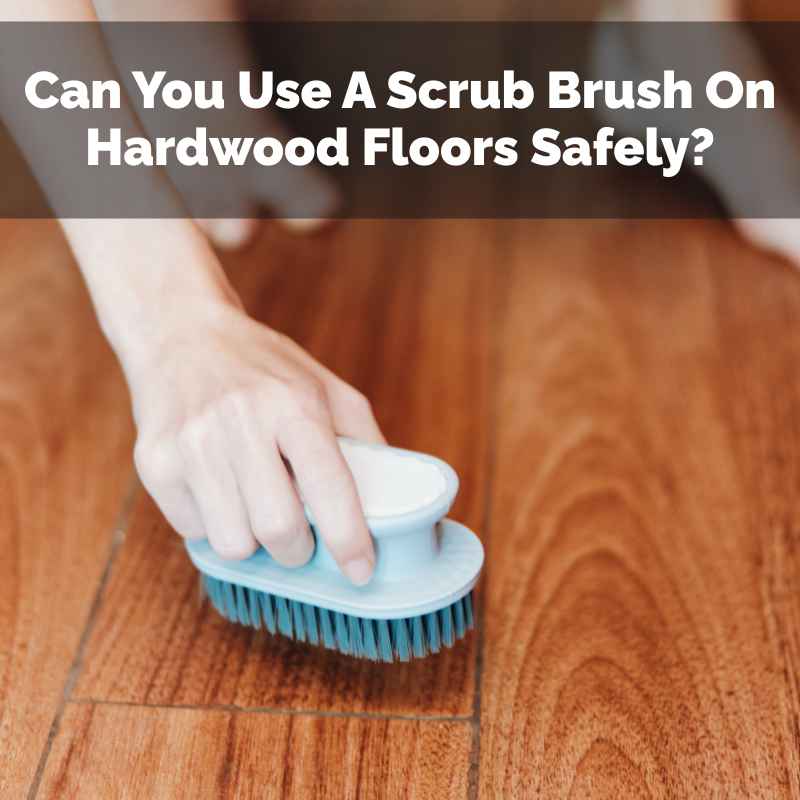
Can You Use A Scrub Brush On Hardwood Floors Safely?
It’s a question many of us wonder when faced with a scuff or a spill on our beautiful hardwood floors. You grab the nearest cleaning tool, and a scrub brush feels like the obvious choice for tougher spots. But is it actually a good idea?
Using the wrong tool can turn a simple clean-up into a costly repair. We’ve all been there, wanting our homes to look their best. Let’s dive into what’s safe and what’s not for your cherished hardwood.
You can use a very soft-bristled brush, like a horsehair brush, for spot cleaning on sealed hardwood floors. However, stiff-bristled scrub brushes should be avoided. They can scratch and damage the finish, leading to dull spots or even deeper gouges in the wood. Always check your floor’s finish type and manufacturer’s recommendations.
The Truth About Scrub Brushes and Hardwood Floors
Hardwood floors are lovely. They add warmth and value to a home. But they also need gentle care.
A scrub brush might seem like a powerful cleaning ally. It can tackle dirt and grime on many surfaces. Yet, on hardwood, it’s often a recipe for trouble.
The main issue is the brush’s bristles. Most scrub brushes have bristles that are too stiff. These rough bristles act like sandpaper.
They can scrape away the protective finish on your hardwood. This finish is what keeps your floors looking shiny and new. It also shields the wood itself from water and scratches.
Once that finish is gone, the real wood is exposed. This makes it weak. Water can seep in and cause swelling or warping.
Dirt can get ground into the wood fibers. Scratches become deeper and more permanent. This is why picking the right cleaning tool is so important.
My Own Scrub Brush Scare
I remember one Saturday morning, sunlight streaming in. I had guests coming over later that day. I noticed a sticky, dried-on spill near the kitchen entry.
It looked like some jam had met a sticky end. My first thought was, “I need some serious scrubbing power!”
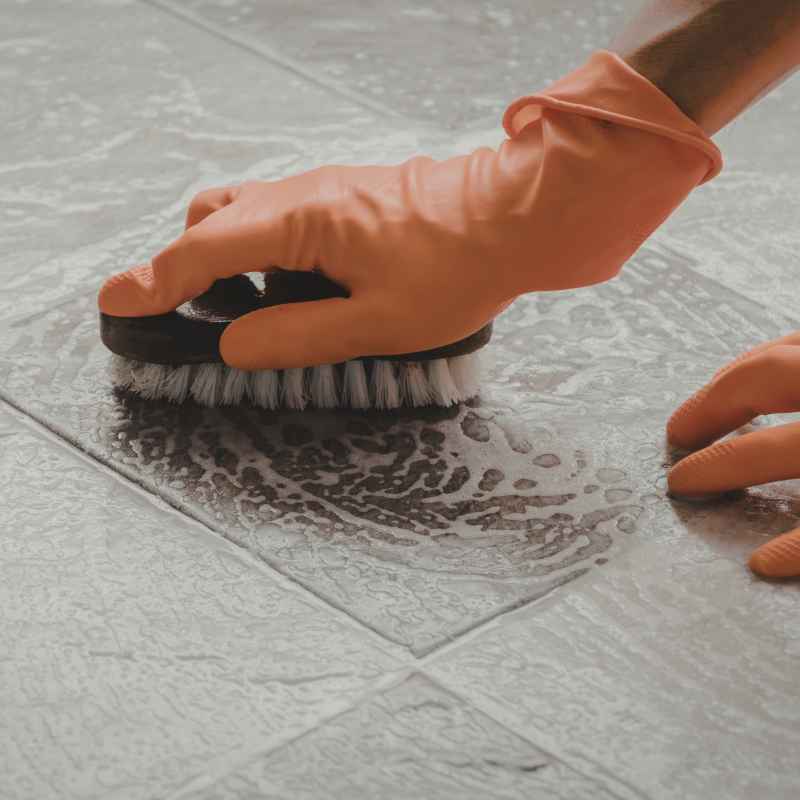
Without much thought, I grabbed the stiff nylon scrub brush I used for the tile grout. I gave the spot a few vigorous scrubs. It seemed to work at first.
The jam came off! But then I looked closer. In the sunlight, I saw it.
A faint, but undeniable, dull patch where I had scrubbed. My heart sank. I had just damaged my beautiful oak floor.
I felt a wave of panic. What had I done? It took a lot of careful buffing with a special wood polish to make it less noticeable.
That day taught me a valuable lesson about being gentle.
What Makes a Scrub Brush Risky?
Bristle Stiffness: Most scrub brushes use nylon, wire, or very firm plastic bristles. These are designed to dig into tough grime on surfaces like concrete or tile. On wood, they are too abrasive.
Pressure Applied: When we scrub, we tend to apply more force. This pressure, combined with stiff bristles, greatly increases the risk of scratching and damaging the floor’s finish.
Finish Type Matters: Different hardwood floors have different finishes. Some are more durable than others. But even the toughest finishes can be marred by a harsh scrub brush.
Understanding Your Hardwood Floor’s Finish
Knowing what kind of finish your hardwood floors have is key. It helps you understand how to clean them best. Most modern hardwood floors have a surface seal.
This seal protects the wood. It also gives the floor its sheen.
There are two main types of finishes. Polyurethane is the most common. It’s a tough, durable coating.
It sits on top of the wood. This makes it relatively resistant to scratches and water. However, very stiff brushes can still scratch through it.
Especially over time with repeated use.
The other type is an oil-based or penetrating finish. These finishes soak into the wood. They protect the wood from the inside out.
They often give a more natural look. But they are generally less resistant to surface damage. A scrub brush can easily wear down these finishes.
Some older homes might have waxed floors. Wax finishes are beautiful. But they are the least durable.
They can be easily damaged by water and abrasions. A scrub brush would be a definite no-go for these.
Quick Scan: Finish Types & Scrub Brush Risk
| Finish Type | Protection Level | Scrub Brush Risk |
|---|---|---|
| Polyurethane (Surface Seal) | High | Moderate to High |
| Oil-Based/Penetrating | Medium | High |
| Wax Finish | Low | Very High (Avoid) |
What Can You Use Instead of a Scrub Brush?
So, if a scrub brush is out, what’s a safe way to clean tougher spots on your hardwood? The good news is, you have options. Gentle is the keyword here.
For everyday cleaning, a soft microfiber mop is your best friend. Use it with a wood floor cleaner that is pH-neutral. This will remove dust and light grime without harming the finish.
When you encounter a sticky spot or a scuff, you need a targeted approach. Here’s where a softer brush comes in. A brush with very soft, natural bristles is ideal.
Think of a horsehair brush or a brush made specifically for cleaning delicate surfaces.
You can also use a soft cloth. Microfiber cloths are excellent. Dampen the cloth slightly with your wood floor cleaner.
Then, gently work on the spot. For stubborn marks, you might need to apply a little more pressure with the cloth. But always be gentle.
Avoid rubbing too hard.
Another effective method is using a wood floor cleaning solution designed for tough spots. Some brands offer these. You apply them directly to the spot.
Let them sit for a moment. Then, wipe away with a soft cloth. Always follow the product instructions carefully.
Gentle Cleaning Tools for Hardwood Floors
Microfiber Mop
Ideal for regular cleaning and general spills. Picks up dirt effectively without scratching.
Soft-Bristle Brush (Horsehair)
Good for spot cleaning tougher, dried-on messes. Use with gentle pressure.
Microfiber Cloths
Versatile for wiping spots, buffing, and cleaning edges. Use damp, not wet.
Specialty Wood Floor Spot Cleaner
Formulated for specific tough stains. Always follow product directions.
Real-World Scenarios: When Gentle is Best
Imagine this: your toddler’s juice box tips over. A sticky puddle spreads quickly. Or maybe you’ve tracked in some mud after a rainy day walk.
These are common household events. They require quick action but also careful handling of your floors.
If you have a polyurethane-finished floor, the juice spill might not be an immediate disaster. Blot it up fast with a cloth. If a sticky residue remains, a slightly damp microfiber cloth should do the trick.
For mud, let it dry first. Then sweep or vacuum with a wood floor attachment. If there are still marks, a gentle cleaner on a soft cloth is the way to go.
What about scuff marks from shoes? These often look like they need harsh scrubbing. But they don’t.
Often, a simple pencil eraser can remove them. Or a clean microfiber cloth, possibly with a tiny bit of water or cleaner. The goal is to lift the mark, not grind it into the wood.
Even pet accidents, while needing quick and thorough cleaning, should be handled with care. Use an enzymatic cleaner safe for wood floors. Blot, don’t scrub.
The key is to address the mess without damaging the surface beneath.
The Danger of Excess Water
This is a critical point. Hardwood floors and too much water are enemies. Scrub brushes often involve water.
If you use a wet scrub brush, you risk letting water seep into the wood. Even if your floor is sealed, excessive moisture is bad.
Water can get into the seams between the wood planks. It can cause the wood to swell. This leads to cupping, where the edges of the planks rise up.
It can also cause warping, where the planks twist or bend. This is often permanent damage.
If you are spot cleaning with a cloth or a soft brush, always ensure it is only damp. Never wet. Wring out cloths and brushes until they are almost dry.
You want to clean the spot, not flood the floor. After cleaning, dry the area immediately with a clean, dry cloth.
Water Safety Checklist for Hardwood Floors
Use Damp, Not Wet: Always wring out your cleaning cloths and brushes thoroughly.
Blot Spills Immediately: Don’t let liquids sit on the floor.
Dry Thoroughly: Always follow up with a dry cloth to remove any residual moisture.
Avoid Steam Mops: Steam can force moisture into the wood and damage the finish.
Check Manufacturer Guidelines: Always refer to your specific floor’s care instructions.
What This Means for Your Floor’s Appearance
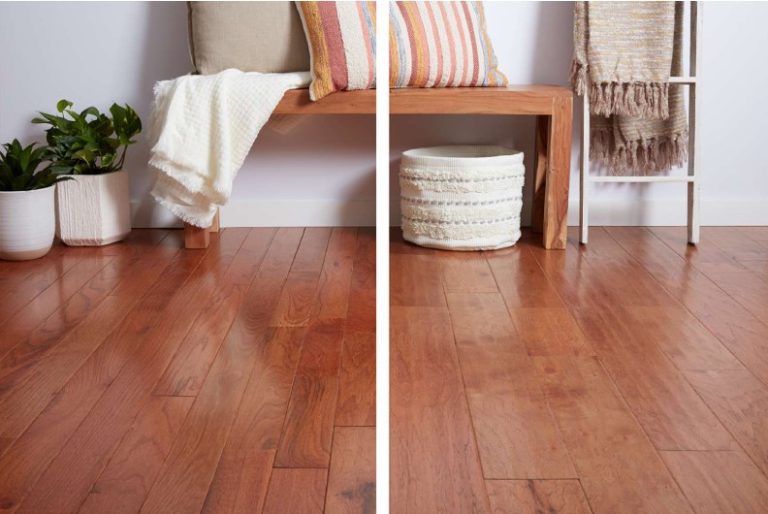
So, what’s the big picture? Using a scrub brush can lead to a dull, scratched floor. This ruins the natural beauty of the wood.
It makes your home look less cared for. Over time, repeated scrubbing can wear down the finish in patches. This creates uneven wear patterns.
A floor that looks dull or has visible scratches can also impact your home’s value. When you decide to sell, prospective buyers notice these things. They might see them as signs of neglect, even if that’s not the case.
The goal is to maintain the floor’s integrity. This means protecting the finish. It means keeping the wood itself sound.
Gentle, appropriate cleaning methods help achieve this. They preserve the floor’s beauty and longevity for years to come.
Normal vs. Concerning: What to Watch For
Normal Floor Behavior
Occasional minor scuffs that can be buffed out with a soft cloth.
Slight dulling in high-traffic areas that can be addressed with wood floor polish.
Natural grain variations and minor color differences in wood planks.
Concerning Floor Issues
Deep scratches that go through the finish into the wood.
Dull patches that don’t buff out, possibly indicating worn finish.
Warping or cupping of planks, a sign of moisture damage.
Loose or squeaky boards that might indicate underlying structural issues.
Quick Tips for Spot Cleaning Hardwood
When you need to tackle a specific spot, remember these simple steps. They help you clean effectively and safely.
1. Act Fast: The sooner you address a spill or mess, the easier it is to remove. And the less chance it has to damage the floor.
2. Blot, Don’t Rub: For liquid spills, use a clean cloth or paper towel. Press down to absorb.
Avoid rubbing, which can spread the mess or push it into the wood grain.
3. Use Minimal Moisture: If you need a damp cloth, wring it out until it’s nearly dry. For spot cleaners, apply sparingly directly to the spot, not the whole floor.
4. Choose the Right Tool: Opt for a soft microfiber cloth or a very soft-bristled brush (like horsehair). Avoid anything stiff or abrasive.
5. Dry the Area: After spot cleaning, always use a dry, clean cloth to ensure the area is completely dry. This prevents moisture damage.
6. Test First: If using a new cleaning product, test it on an inconspicuous area of the floor first. This ensures it won’t cause discoloration or damage.
Frequently Asked Questions About Scrub Brushes and Hardwood
Can I use a soft scrub brush on my hardwood floors?
Yes, a very soft brush, like one made of horsehair or natural fibers designed for delicate surfaces, can be used for spot cleaning. However, avoid any brush with stiff nylon, wire, or firm plastic bristles. Always use minimal moisture and gentle pressure.
What happens if I use a regular scrub brush on my hardwood?
A regular scrub brush with stiff bristles can scratch and damage the protective finish on your hardwood floors. This can lead to dull spots, visible scratches, and in time, expose the wood to moisture and further damage. It’s best to avoid them.
How do I clean a sticky spot on my hardwood floor safely?
For sticky spots, start by gently wiping with a microfiber cloth dampened with a pH-neutral wood floor cleaner. If that doesn’t work, try a soft-bristled brush (like horsehair) with the cleaner, using light pressure. Always dry the area thoroughly afterward.
Are all hardwood floor finishes the same?
No, there are different finishes. Polyurethane is common and durable. Oil-based finishes soak into the wood.
Wax finishes are less common and less durable. Your floor’s finish will affect how it responds to cleaning. Always check your manufacturer’s recommendations.
Can I use a toothbrush to clean a small spot on hardwood?
A soft-bristled toothbrush might be okay for a very small, isolated spot if used with extreme care and minimal moisture. However, many toothbrushes still have bristles that are too firm. A soft microfiber cloth or a designated soft brush is a safer choice.
What should I do if I’ve already damaged my hardwood with a scrub brush?
If you’ve caused minor dulling, try buffing the area with a clean, soft cloth or a wood floor polish. For deeper scratches, you might need professional refinishing or repair. It’s always best to consult with a flooring specialist if you’re unsure.
Protecting Your Investment
Your hardwood floors are a beautiful part of your home. Treating them with the right care keeps them looking great for years. A scrub brush, while tempting for tough messes, is usually not the right tool.
Stick to soft cloths and gentle cleaners.
Being mindful of moisture is also crucial. By using minimal water and drying thoroughly, you protect your floors from damage. Gentle, consistent care ensures your floors remain a source of pride.
Sponsored / affiliate links. As an Amazon Associate I earn from qualifying purchases. I may earn additional commission from eligible campaigns.