How To Remove Sticky Residue From Hardwood Floors Safely
Oh, that sticky residue on your beautiful hardwood floors. It’s like a tiny, stubborn stain that just won’t budge. You might have tried to wipe it away, but it just smeared.
Or maybe you’re worried about damaging that lovely finish. It’s a common problem, and it can be super frustrating. But don’t worry, there are simple, safe ways to get your floors looking perfect again.
Removing sticky residue from hardwood floors involves using gentle cleaning solutions and careful techniques to avoid damaging the wood finish. Common methods include using mild soap and water, specialized wood floor cleaners, or natural remedies like vinegar or baking soda solutions, always followed by thorough drying.
Understanding Sticky Residue on Hardwood
Sticky stuff on your floors can come from many places. Think spilled drinks, food drops, or even tape. Sometimes it’s from furniture moving.
Whatever the cause, that gooey layer traps dirt. It makes your floor look messy and feel unpleasant underfoot. It can also attract more grime over time.
This is why tackling it quickly is a good idea. But the key is to do it the right way.
Hardwood floors have a finish. This finish protects the wood itself. It can be made of wax, polyurethane, or oil.
Different finishes need different care. Using the wrong cleaner can strip away this protection. That’s when the real damage starts.
So, we need to be mindful of what’s on our floors. We also need to know what we’re cleaning with.
The type of residue matters too. Is it sugary from juice? Is it greasy from food?
Is it gummy from a sticker? Each might need a slightly different approach. But the core principle remains: be gentle.
We want to lift the sticky stuff, not harm the wood or its protective coat. This means avoiding harsh chemicals and abrasive scrubbers.
My Sticky Floor Fiasco
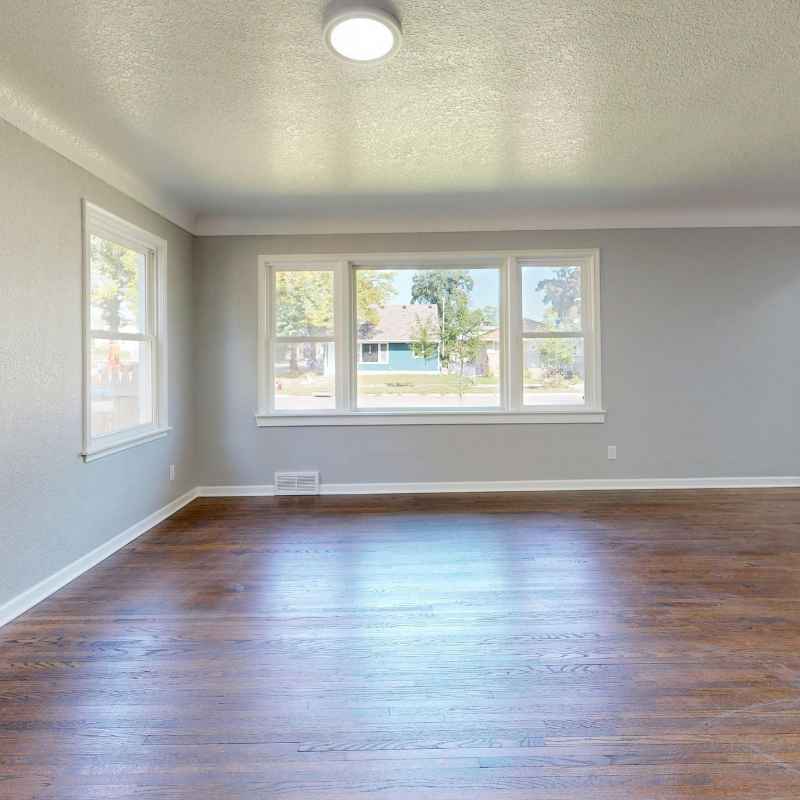
I remember one Saturday afternoon. My kids were having friends over. There was pizza, juice boxes, the usual happy chaos.
Later that evening, after everyone had gone, I was doing my usual sweep. That’s when I saw it. A patch of sticky, clear goo right in the middle of my living room floor.
It looked like melted candy or maybe spilled soda. My heart sank a little. I had just waxed the floor last month, and it looked so good.
My first instinct was to grab the nearest all-purpose cleaner. I sprayed a good amount and started scrubbing with a paper towel. Big mistake.
The goo didn’t come off. Instead, it spread into a larger, even more annoying smear. And I noticed the shine in that spot looked a bit duller.
Panic set in. I pictured myself having to sand and refinish the entire floor. That thought was exhausting.
I stepped back, took a deep breath, and decided I needed a better plan. This was a learning moment for sure.
Gentle Cleaning Methods for Sticky Spots
Let’s talk about how to tackle that sticky mess without causing harm. The goal is to dissolve or lift the residue gently. We’ll start with the most basic and safest options first.
These are things you likely already have at home.
The Power of Mild Soap and Water
This is often the first and best line of defense. A little bit of mild dish soap mixed with warm water can work wonders. You don’t need much soap.
A few drops in a bucket of water is plenty. The soap helps to break down greasy or sugary residues.
Here’s how to do it:
- Mix your solution: Add a few drops of mild dish soap to a bucket of warm water.
- Dampen your cloth: Dip a soft cloth (like microfiber) into the soapy water. Wring it out really well. You want it damp, not soaking wet. Too much water is bad for hardwood floors.
- Gently wipe: Lightly wipe the sticky spot. Don’t scrub hard. You’re trying to lift the residue.
- Rinse: Dampen a clean cloth with plain water. Wring it out very well. Wipe the area again to remove any soap residue.
- Dry immediately: Use a dry, soft cloth to pat the area completely dry. This is super important. Water left on hardwood can cause damage over time.
This method is great for many types of sticky spots, especially those from food or drinks. It’s gentle on most finishes. It’s also very affordable and easy to do.
Quick Scan: Residue Type vs. Gentle Cleaner
| Residue Type | Best Gentle Cleaner |
|---|---|
| Sugary (juice, soda) | Mild dish soap and water |
| Greasy (food spills) | Mild dish soap and water |
| Gummy (tape, sticker) | Vegetable oil or specialized goo remover (use sparingly) |
| Unknown | Start with mild soap and water, then test other options |
Using Specialized Hardwood Floor Cleaners
If you have a good quality hardwood floor cleaner, it’s also a safe bet. These are made specifically for wood floors. They are designed to clean effectively without harming the finish.
Always follow the instructions on the product label carefully.
Most hardwood floor cleaners come in a spray bottle. You usually spray the cleaner directly onto a soft cloth, not the floor. Then, you gently wipe the sticky area.
Some might suggest spraying directly onto the floor, but always check the label. After cleaning the spot, you’ll want to wipe it dry with a clean cloth.
Make sure the cleaner you choose is right for your floor’s finish. Some are for sealed floors, and others are for oiled floors. Using the wrong type can cause issues.
If you’re unsure, stick to the mild soap and water method. It’s universally safe for most sealed hardwood floors.
Natural Remedies That Can Work
Sometimes, you want to avoid even mild dish soap or commercial cleaners. Natural options can be very effective. But you still need to use them with care.
Always test in an inconspicuous spot first. This is especially true for anything acidic or slightly abrasive.
The White Vinegar Trick (Diluted!)
White vinegar is a great natural cleaner. It can help break down sticky residues. However, it is acidic.
You must dilute it heavily. Too much vinegar can dull or damage your floor’s finish. We’re talking a very small amount of vinegar mixed with a lot of water.
Here’s a safer way to try vinegar:
- Mix sparingly: Mix 1/4 cup of white vinegar with 1 gallon of warm water.
- Damp cloth: Dip a soft cloth into this diluted solution. Wring it out extremely well. It should be barely damp.
- Wipe gently: Lightly dab or wipe the sticky area.
- Rinse well: Immediately wipe the area with a clean cloth dampened with plain water. This removes all vinegar traces.
- Dry thoroughly: Pat the area completely dry with a soft, dry cloth.
This method works well for general stickiness. It can also help with some types of gummy residue. But again, dilution and immediate drying are crucial.
The smell of vinegar fades as it dries.
Contrast: Vinegar Use on Floors
Normal Use:
Diluted: Use 1/4 cup vinegar per gallon of water. This is key.
Damp Cloth: Wring out cloth thoroughly. Avoid soaking the floor.
Quick Rinse: Follow with plain water to remove all traces.
Immediate Dry: Essential to prevent water damage.
Concerning Use:
Undiluted: Using straight vinegar. This is too harsh.
Soaking: Leaving the floor wet. Water is the enemy of hardwood.
Hard Scrubbing: This can scratch or remove the finish.
No Drying: Leaving moisture to sit. This causes swelling and damage.
The Baking Soda Paste Method
Baking soda is a mild abrasive. It can help lift stubborn sticky spots. However, it’s important to use it as a paste and not sprinkle it dry.
Dry baking soda can scratch your floor’s finish. The paste form makes it less abrasive.
To make a paste:
- Mix: Combine baking soda with a small amount of water. Mix it until it forms a thick paste. It should be like toothpaste.
- Apply: Gently spread a thin layer of the paste over the sticky residue. Let it sit for a few minutes. Don’t let it dry completely.
- Wipe gently: Use a soft, damp cloth to gently wipe away the paste and the dissolved residue.
- Rinse: Wipe the area with a clean, damp cloth to remove any baking soda.
- Dry: Pat the area completely dry with a soft, dry cloth.
This method is good for tougher spots. But be very gentle when wiping. If you feel any grittiness that could scratch, stop and use a different method.
Always test this paste in a hidden spot first.
Vegetable Oil or Mineral Oil
For sticky residue from labels or tape, oil can be surprisingly effective. Oil helps to break down the adhesive. You don’t need much.
Just a few drops on a soft cloth.
How to use oil:
- Apply a little oil: Put a small amount of vegetable oil, olive oil, or mineral oil onto a soft cloth.
- Dab the spot: Gently dab the sticky area with the oiled cloth. Let it sit for a minute or two. The oil should start to loosen the sticky stuff.
- Wipe away: Use the cloth to gently rub and lift the residue.
- Clean the oil: Once the residue is gone, you’ll need to clean the oily spot. Use a soft cloth dampened with mild dish soap and water.
- Rinse and Dry: Rinse with a plain water-dampened cloth. Then, dry the area completely.
This is a very safe method for adhesive residue. Just remember to clean up the oil thoroughly afterward. You don’t want an oily spot left behind.
Dealing with Stubborn Residue
What if the gentle methods don’t quite cut it? Sometimes residue is really baked on. Or it’s a particularly stubborn type of sticky stuff.
You might need to try something a bit stronger. But “stronger” doesn’t mean harsh. It means slightly more targeted.
Goo Gone or Similar Products
Products like Goo Gone are designed to remove sticky residues. They are generally safe for sealed wood floors when used as directed. However, always read the label carefully.
Some products might contain solvents that could damage certain finishes.
General steps for using these products:
- Test first: Always test the product on an unseen area of your floor. Wait a few hours to see if it causes any discoloration or damage to the finish.
- Apply to cloth: Do NOT spray directly onto the floor. Apply a small amount to a soft cloth.
- Dab and wait: Gently dab the sticky spot with the cloth. Let it sit for the time recommended on the product label.
- Wipe gently: Use the cloth to gently rub and lift the residue.
- Clean the area: After removing the residue, you must clean the area to remove any product left behind. Use a soft cloth with a very mild soap and water solution.
- Rinse and dry: Rinse with a plain water-dampened cloth. Dry the area completely.
These products work well for things like sticker residue, gum, or crayon marks. But they are not for general floor cleaning. Use them only for specific sticky spots.
What NOT to Use on Hardwood Floors
This is just as important as knowing what to use. Some common household cleaners can wreak havoc on your hardwood floors. It’s good to know these to avoid accidental damage.
- Ammonia-based cleaners: These can break down the finish on your floors.
- Abrasive cleaners: Scouring powders or steel wool can scratch the finish and the wood.
- Furniture polish: Some contain silicones that can build up and make the floor slippery.
- Wax cleaners (unless for waxed floors): Using wax on polyurethane finishes can cause buildup and problems.
- Steam cleaners: The high heat and moisture can warp, crack, or damage the wood and finish. This is a big no-no for hardwood.
- Excessive water: Never flood your floors with water.
Avoiding these will save you from costly repairs down the line. It’s about protecting your investment in your home.
Common Mistakes to Avoid
Mistake: Using too much water.
Why it’s bad: Water can seep into the wood, causing it to swell, warp, or discolor. Always use a well-wrung-out damp cloth.
Mistake: Scrubbing too hard.
Why it’s bad: Aggressive scrubbing can scratch the finish or even the wood itself, leaving permanent marks.
Mistake: Using the wrong cleaner.
Why it’s bad: Harsh chemicals can strip the finish, dull the color, or leave a sticky residue of their own.
Mistake: Not drying immediately.
Why it’s bad: Any moisture left on the floor has time to soak in and cause damage to the wood.
Real-World Context: Where Does Residue Come From?
Understanding the source of the sticky residue can help prevent it. It also guides your cleaning choice. Let’s look at common scenarios in American homes.
Kitchen Spills and Food Residue
The kitchen is a hotspot for sticky messes. Dropped food, spilled juice, honey, syrup, or even sticky ingredients like peanut butter can end up on the floor. These are often sugary or greasy.
They tend to attract dirt quickly if not cleaned up. Mild dish soap and water are usually your best bet here.
Living Room and Playroom Mishaps
In living areas, sticky residue might come from kids’ crafts. Glue sticks, play-doh, or even spilled drinks from a movie night. Furniture can also leave sticky marks if felt pads wear out or if something spills underneath it.
For glue or gum, a specialized remover might be needed after trying gentler methods.
Entryway and Hallway Stickiness
Entryways can get sticky from muddy shoes with sap or tar. Sometimes, if you’ve moved furniture, the protective paper or tape can leave a sticky film. These might require a slightly stronger cleaner or a bit of oil to break down the adhesive.
Observational Flow: Typical Residue Encounter
Step 1: The Spill/Drop
Someone drops a cup of juice. It splashes.
Step 2: Initial Neglect (or attempted quick wipe)
It’s noticed, but maybe not cleaned up right away. Or a dry paper towel is used, which just smears it.
Step 3: The Drying/Setting
The sugar or liquid begins to dry. It becomes tacky and attracts dust.
Step 4: Discovery
You find the sticky patch later. It looks worse now.
Step 5: Gentle Cleaning Attempt
You grab a damp cloth with mild soap and water. You wipe gently.
Step 6: Success or Next Step
The residue lifts! Or, if it’s stubborn, you move to a slightly different natural or specialized cleaner, always testing first.
Step 7: Final Dry
The spot is clean and immediately dried. The floor looks good again.
What This Means for You: When is it Normal?
A little bit of sticky residue here and there is pretty normal. Life happens, especially with kids or pets. Small spills and marks are bound to occur on any flooring.
The key is how you deal with them. Prompt, gentle cleaning is your best friend.
It’s normal if:
- You can easily wipe up the residue with a damp cloth and mild soap.
- A quick application of a natural remedy like diluted vinegar or oil works.
- The spot dries clear and the floor finish looks untouched.
When should you worry?
- If the residue is impossible to remove with gentle methods.
- If the spot looks discolored, dull, or damaged after cleaning.
- If you feel you have to scrub very hard to make any progress.
- If you’re using a cleaner that seems to be affecting the finish.
If you see any of these warning signs, it’s time to stop. You might need to consult a hardwood floor professional. Or you might need to rethink your cleaning approach entirely.
It’s better to be cautious than to cause lasting damage.
Quick Tips for Prevention and Maintenance
Preventing sticky residue is easier than cleaning it. A little proactive effort goes a long way.
- Wipe up spills immediately: This is the number one rule. Keep a soft cloth handy for quick cleanups.
- Use doormats: Place mats both inside and outside entry doors. This catches dirt and moisture before it tracks onto your floors.
- Use furniture pads: Ensure all furniture legs have felt pads. This prevents scratches and can stop sticky substances from getting under them.
- Avoid walking on wet floors: If you’ve just mopped (lightly!), avoid walking on the floor until it’s completely dry.
- Regular cleaning: Sweep or vacuum your floors regularly. This removes dirt and grit that can make spills stickier.
Maintaining your hardwood floors means protecting the finish. When the finish is strong, it’s more resistant to minor spills and marks.
Frequently Asked Questions About Sticky Residue
Can I use Windex on sticky residue on my hardwood floors?
It’s generally not recommended. Windex and similar glass cleaners often contain ammonia or alcohol, which can damage the finish on hardwood floors. Stick to milder solutions like diluted soap and water, or a cleaner specifically designed for hardwood.
Is it safe to use rubbing alcohol for sticky residue?
Rubbing alcohol (isopropyl alcohol) can be effective for some sticky residues, like ink or gum. However, it can also dry out and dull certain wood finishes. Always dilute it heavily with water (e.g., 1 part alcohol to 4 parts water) and test in an inconspicuous spot first.
Follow up immediately with a damp rinse and thorough drying.
What if the sticky residue is from melted wax?
For melted wax, let it harden completely. Then, carefully try to scrape it off with a plastic scraper or credit card. Be gentle to avoid scratching.
For any remaining residue, you can try a very small amount of mineral oil on a cloth, followed by a mild soap and water clean, then dry.
Can I use a magic eraser on sticky residue?
Magic Erasers are very mildly abrasive. While they might work on some sticky spots, they carry a risk of dulling or scratching the finish on hardwood floors. It’s best to avoid them unless you’ve tested them in a hidden area and are willing to accept the potential risk.
How do I remove sticky residue from a polyurethane finish?
For polyurethane finishes, gentle methods like mild dish soap and water are usually best. If that doesn’t work, try diluted white vinegar or a specialized hardwood floor cleaner. Always ensure the cloth is damp, not wet, and dry the area thoroughly afterwards.
Avoid abrasive cleaners and excessive water.
What’s the difference between sealed and unsealed hardwood floors regarding sticky residue?
Sealed hardwood floors (usually with polyurethane) have a protective top layer that makes them more resistant to moisture and stains. Unsealed or oiled floors are more porous and can absorb liquids and residues more easily. For unsealed floors, it’s even more critical to use minimal moisture and gentle, natural cleaners, and to address spills instantly.
Conclusion
Dealing with sticky residue on your hardwood floors doesn’t have to be a dreaded task. By understanding the right gentle methods, knowing what to avoid, and acting quickly, you can keep your floors looking beautiful. Remember, patience and a soft touch are your best tools.
Protect that lovely wood, and it will reward you with years of warmth and beauty in your home.
Sponsored / affiliate links. As an Amazon Associate I earn from qualifying purchases. I may earn additional commission from eligible campaigns.