How Long Does It Take Hardwood Floors To Dry After Cleaning?
Your hardwood floors typically need 30 minutes to 2 hours to dry after cleaning. This time can change based on many things, like the type of cleaner used, how much liquid was applied, the room’s air flow, and humidity levels. Always check if they feel dry to the touch before walking on them.
Understanding Hardwood Floor Drying Times
So, why the wait? Hardwood is a natural material. It loves a bit of moisture for its life, but too much is bad.
When you clean them, you introduce water or cleaning solutions. These need time to evaporate back into the air. If you walk on them too soon, you can leave footprints.
This can damage the finish or even the wood itself over time.
The type of finish on your hardwood floor plays a big role. Modern finishes, like polyurethane, are quite tough. They create a protective barrier.
Older finishes, like wax or oil, are softer. They absorb liquids more easily. This means floors with wax or oil finishes might need more drying time.
They also need gentler cleaning methods.
Think about it like this: wood is porous. It has tiny little spaces. When you apply a cleaner, some of that liquid can seep into these spaces.
The goal of drying is to get that liquid out. It needs to turn back into vapor. This vapor then rises into the air.
Better air flow helps this happen faster.
The actual wood planks also matter. Thicker planks might hold moisture a little longer. The way they were installed can also affect drying.
If there are tiny gaps between boards, air can get in better. This helps them dry quicker. If the boards are tightly sealed, drying might take a bit more time.
My Own Close Call with Wet Floors
I remember this one time, I was rushing. My parents were coming over for dinner, and I’d waited too long to clean the floors. They were dusty and had dog paw prints everywhere.
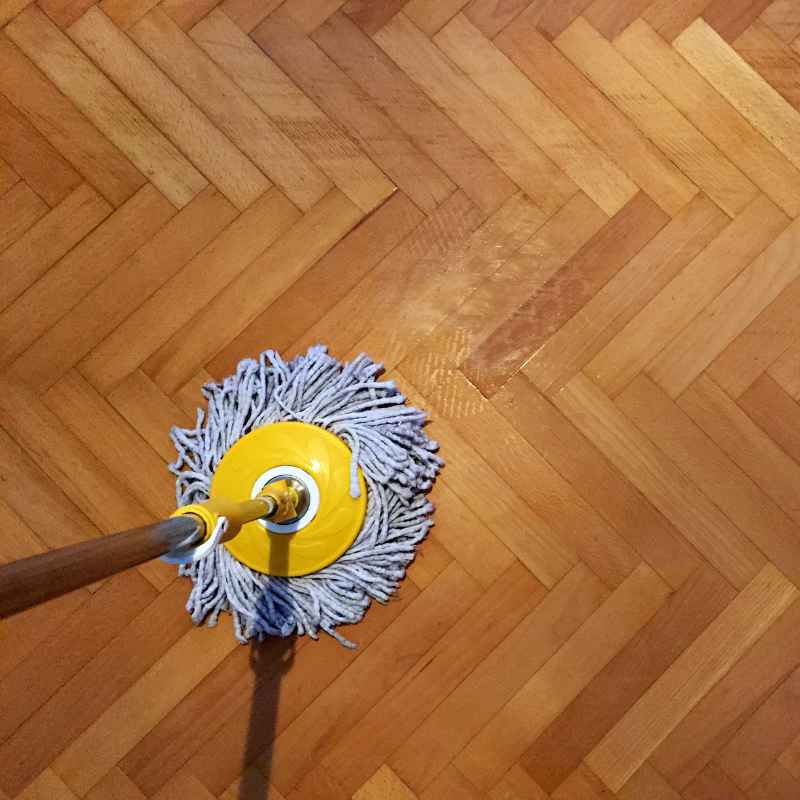
I grabbed my trusty mop and a cleaning solution that promised “quick dry.” I did a quick once-over, feeling proud of my speedy work.
Then, disaster struck. My dog, Buster, a golden retriever with perpetually happy paws, decided this was the perfect moment to zoom through the living room. He left perfect, wet paw prints all over the floor.
I stared in horror, realizing I hadn’t waited long enough. The finish wasn’t fully dry. I had to quickly grab some towels and try to wipe up the mess before it set in.
It was a stressful moment, and I learned a valuable lesson about patience.
That experience taught me the hard way. Even with “quick-dry” products, there’s a real drying time. It’s not just about the product.
It’s about the wood, the air, and the whole environment. Now, I always give my floors ample time to dry. It saves a lot of worry and potential damage.
Factors Affecting Drying Speed
Humidity Level: High humidity means the air is already full of water. This slows down evaporation from your floors.
Air Circulation: Good air flow from open windows or fans helps carry moisture away faster.
Temperature: Warmer air can hold more moisture, but very high heat can sometimes be bad for finishes. A comfortable room temperature is best.
Amount of Liquid: Using too much cleaner or water is the biggest culprit for long drying times.
Floor Finish: As mentioned, different finishes dry at different rates.
The Science Behind the Dry
Evaporation is the key process here. It’s when a liquid turns into a gas. For water, this is called “vaporization.” The rate of evaporation depends on a few things.
These include the surface area of the liquid, the temperature of the surroundings, and the humidity of the air. A larger wet surface will dry faster. Higher temperatures speed it up.
Dry air helps it happen faster too.
When you clean hardwood, you’re spreading a thin layer of liquid over a large surface area. The goal is to keep this layer as thin as possible. This is why using a damp mop, not a soaking wet one, is so important.
A damp mop applies just enough moisture to clean. It doesn’t flood the wood.
The molecules in the liquid have energy. They bump into each other. Some molecules at the surface gain enough energy to escape into the air as gas.
This is evaporation. The more energy they have, the faster they escape. Things like warm air or a gentle breeze help give them that energy and whisk them away.
Think about a puddle on a sunny day. It disappears much faster than a puddle on a cold, cloudy day. That’s evaporation in action.
Your floor is like that puddle. It needs the right conditions to dry well.
Quick-Scan Drying Guide
Minimum Dry Time: 30 minutes
Typical Dry Time: 1-2 hours
Extended Dry Time: 3-4 hours (or more)
When to Re-Coat (if applicable): Check product instructions, often 12-24 hours.
Real-World Scenarios and Drying Times
Imagine a hot, dry summer day in Arizona. You clean your floors. The air is very dry.
The temperature is warm. Your floors might dry in as little as 30 to 45 minutes. You can practically see the moisture disappearing.
Now, picture a humid, rainy day in Florida. You clean your floors. The air is thick with moisture.
Even with a fan, the drying process will be much slower. It could easily take 2 to 3 hours, maybe even longer, for them to feel truly dry.
Consider the type of cleaner. Some cleaners have alcohol or special solvents. These can help water evaporate faster.
Others are mostly water-based. They rely more on natural evaporation. Always follow the product’s instructions.
Some products are designed for quick drying.
The way you clean matters too. Did you use a spray mop with a very light mist? That will dry super fast.
Did you use a traditional mop and bucket, and perhaps a bit too much water? That will take much longer. You might even see standing water, which is never good for hardwood.
Here’s a little table showing how different conditions might affect drying. This is just a guide, of course. Your home is unique!
| Condition | Likely Drying Time | Notes |
| Warm, Dry Air, Fan On | 30-60 Minutes | Ideal conditions for fast drying. |
| Mild Room Temp, Average Humidity | 1-2 Hours | Typical drying time for most homes. |
| Cool Room Temp, High Humidity | 2-4 Hours (or more) | Moisture struggles to leave the air. |
| Used Too Much Water | 4+ Hours, Potential Issues | Water pooling is a sign of too much liquid. |
What This Means for Your Daily Life
So, what’s the takeaway? How does this affect your routine? It means planning your cleaning.
If you want to deep clean your floors, do it when you have time. Maybe clean them in the morning. Then you can enjoy your evenings without worrying about stepping on wet spots.
Think about your pets and kids. Little feet and paws can track in dirt, but they can also track through wet finishes. If you have busy little ones or furry friends, you need to be extra careful.
You might need to keep them out of the room for a bit longer. Safety first!
It also affects your choice of cleaning products. If you’re always in a rush, you might lean towards products that claim “fast drying.” But always read the fine print. And remember, even fast-drying products need some time.
Don’t just take the label at face value.
Consider your home’s climate. If you live in a humid area, you’ll need to be more patient. You might need to use dehumidifiers or fans more often.
If you live in a dry climate, your floors will likely dry faster. You can adapt your routine to these conditions.
Essentially, knowing the drying time helps you avoid mistakes. It prevents damage to your beautiful floors. It also makes your cleaning routine less stressful.
You’ll know what to expect. This gives you peace of mind.
Myth vs. Reality: Drying Times
Myth: All wood floors dry in 15 minutes.
Reality: This is rarely true. Most finishes need at least 30 minutes, and often much longer, depending on conditions.
Myth: If it looks dry, it is dry.
Reality: Surface dryness doesn’t always mean the wood underneath is dry. Always touch it to be sure.
Myth: More cleaner means cleaner floors.
Reality: Too much cleaner leaves residue and prolongs drying. Use products sparingly.
Tips for Faster, Safer Drying
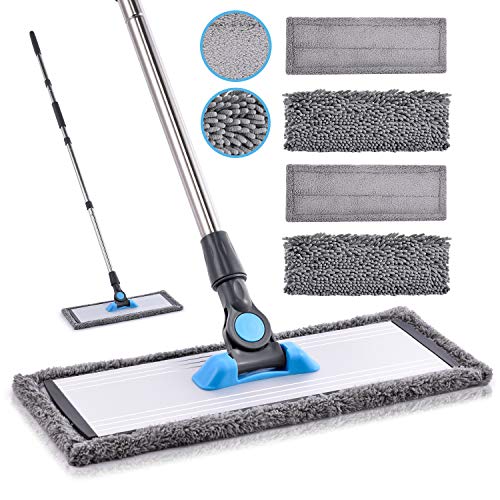
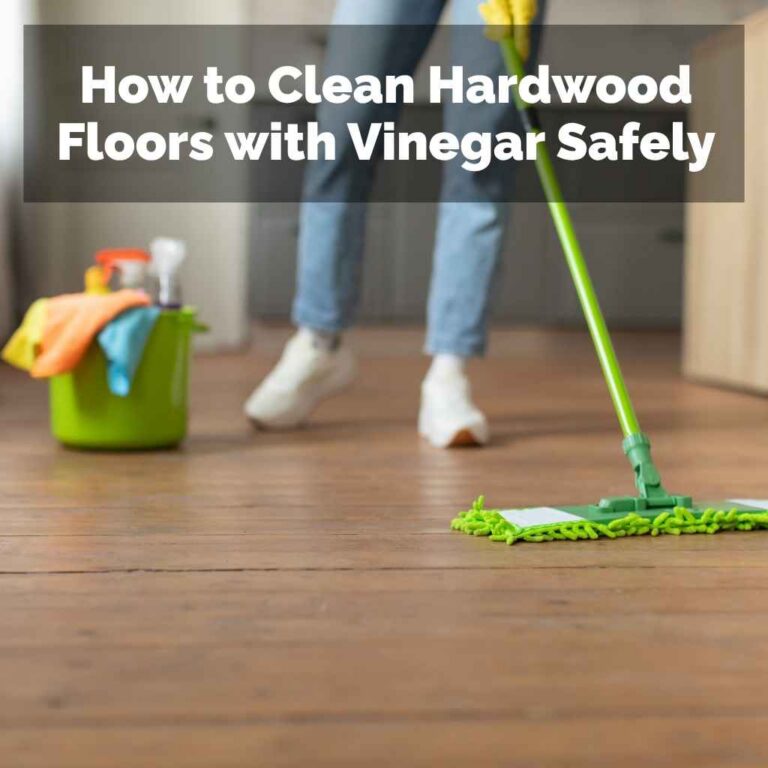
You can speed things up safely. The biggest tip is to use less liquid. A microfiber flat mop is excellent for this.
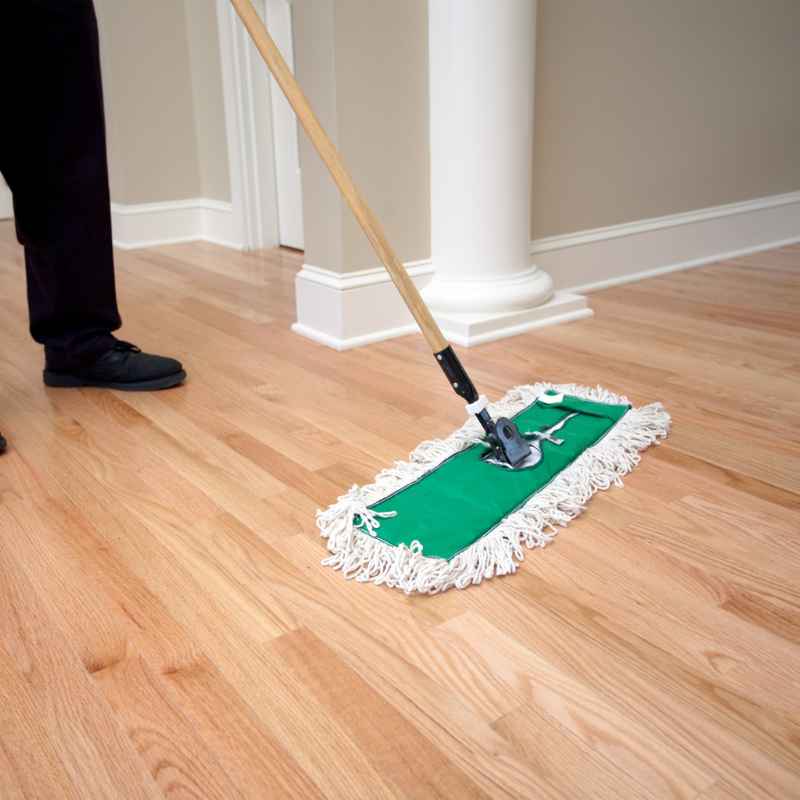
It holds just enough cleaner. It doesn’t drip. Wring it out well if you use a traditional mop.
Open windows. If the weather outside is not too humid, let fresh air in. This helps a lot.
It brings in drier air and moves out the moist air from your room. Even a slight breeze makes a difference.
Use fans. Place a few fans around the room. Point them towards the floor.
This creates air movement. It helps moisture lift off the surface and escape. Ceiling fans also help circulate air throughout the room.
Turn on your HVAC system. If you have central air, running it can help. The air conditioning removes humidity from the air.
The fan setting will circulate it. This is especially useful on humid days.
Avoid walking on the floors until they are completely dry to the touch. Wear clean socks or go barefoot if you must walk on them. This prevents dirt from getting into any slightly damp areas.
It also prevents footprints.
If you see any standing water, get it up immediately. Use a clean, dry towel. Don’t let it sit there.
Water is the enemy of hardwood floors. It can cause warping, discoloration, and damage to the finish.
Let’s recap these tips in a simple list:
- Use a damp mop, never a soaking wet one.
- Ensure good air circulation with windows or fans.
- Run your air conditioning or fan on your HVAC.
- Avoid walking on floors until fully dry.
- Address any standing water right away.
Frequent Questions About Drying Hardwood Floors
How long should I wait to put furniture back on my hardwood floors after cleaning?
After cleaning and drying, it’s generally safe to put furniture back. However, if you used a cleaning product that requires a specific drying time for the finish (like some polishes or conditioners), follow those instructions. For regular cleaning, once the floor feels dry and isn’t tacky, it’s usually fine.
Avoid dragging furniture; always lift it.
Can I use a dehumidifier to speed up drying?
Yes, a dehumidifier is a great tool! It actively removes moisture from the air. This helps your floors dry much faster, especially on humid days.
Place it in the room where you cleaned the floors for best results.
What if my hardwood floors still feel sticky after drying?
Stickiness usually means there’s too much cleaner residue left behind. This happens when too much product was used, or the cleaner wasn’t fully removed. You might need to do a second pass with a clean, damp mop (just water this time) to remove the residue.
Ensure your mop is well-wrung out.
Are water-based cleaners better for faster drying than oil-based ones?
Generally, water-based cleaners are designed to evaporate more quickly than oil-based ones. However, the most important factor for fast drying is using the least amount of liquid possible. Many modern cleaners, whether water- or solvent-based, are formulated for quick drying.
I noticed slight discoloration after cleaning. Is this related to drying?
Yes, it can be. If water or cleaner sits on the floor for too long, it can sometimes cause temporary or permanent discoloration, especially on certain types of wood or finishes. This is why prompt drying and avoiding excess moisture are crucial.
If it’s very light, it might fade as it fully dries.
How do I know if the wood itself is dry, not just the surface?
The best way is to gently press your finger on the floor. If it feels cool, damp, or leaves any sort of mark, it’s not fully dry. It should feel like normal room temperature and be completely dry to the touch.
Good air circulation helps dry the wood more thoroughly.
Conclusion and Final Thoughts
So, there you have it. Hardwood floor drying is a process. It’s not instant.
Understanding the factors involved helps you get it right. Be patient, use less water, and promote good air flow. Your floors will thank you for it.
Taking a little extra time for your floors to dry properly is a small effort. It saves you from bigger problems later. Enjoy your clean, beautiful, and perfectly dry hardwood floors!
Sponsored / affiliate links. As an Amazon Associate I earn from qualifying purchases. I may earn additional commission from eligible campaigns.