How To Remove Water Stains From Hardwood Floors For Good
Removing water stains from hardwood floors involves identifying the stain type and using appropriate gentle methods. Mild stains can often be wiped away with simple household items. Deeper stains might need a bit more effort, potentially involving light sanding or specialized cleaners.
The key is to act fast and use the least abrasive method first.
Understanding Water Stains on Hardwood Floors
Best Fix For A White Water Stain
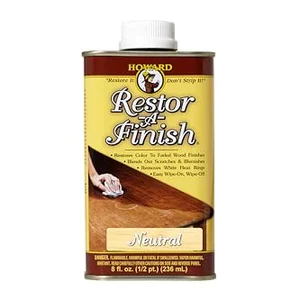
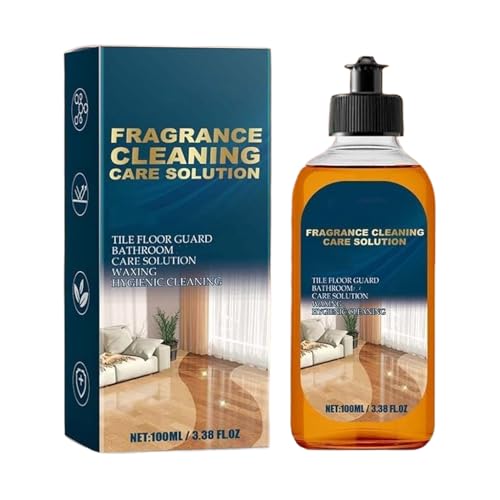
Howard Restor-A-Finish Neutral – $16.48
Dissolves the cloudy white haze this guide describes as moisture trapped in the finish, without stripping the floor down to bare wood.
- Best for: Surface-level white or cloudy water stains
- Why we picked it: Neutral tone works on any wood color, no sanding needed
- Main drawback: Won’t fix deep, dark stains that have soaked into the wood
Cleaning and finishing extras
 Option 1 Hardwood Floor Cleaner – $8.97
|
 Option 2 Restor-A-Shine Compound – $8.99
|
As an Amazon Associate we earn from qualifying purchases.
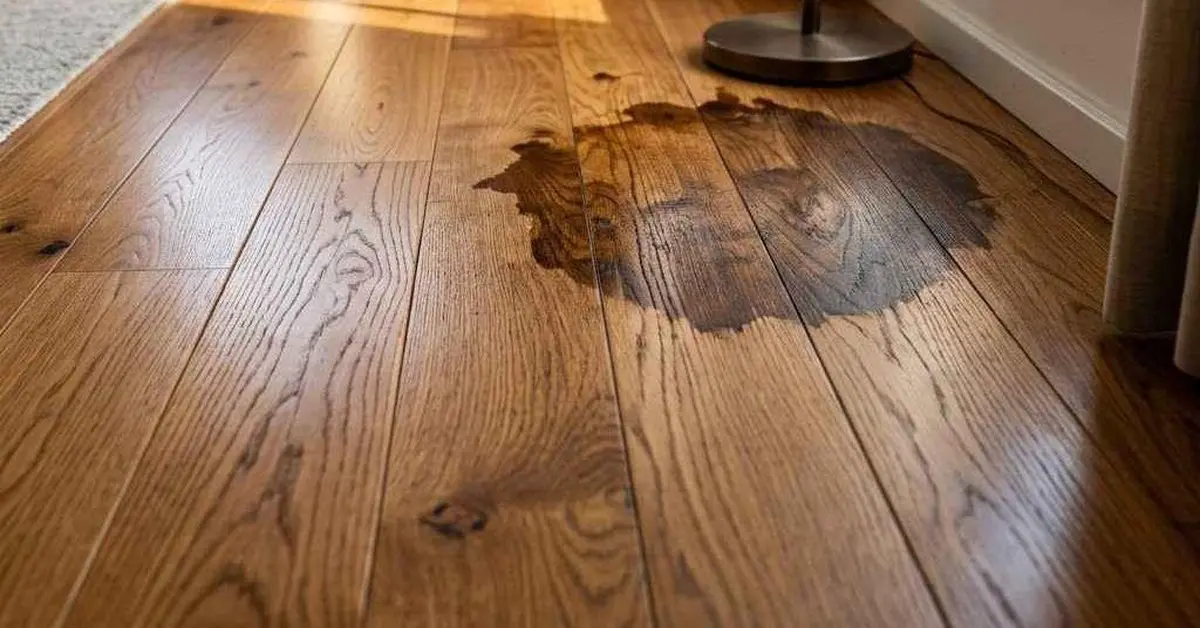
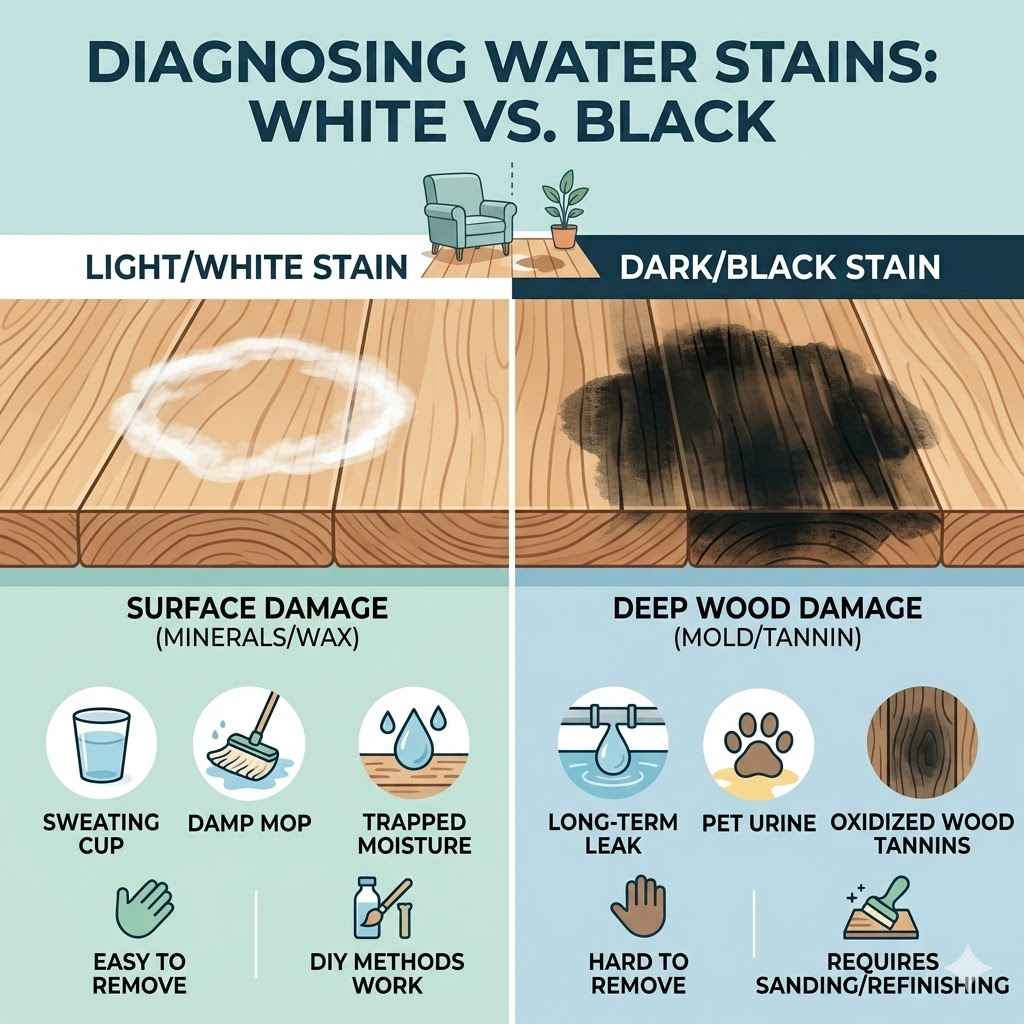
Water stains on your hardwood floors can look different depending on how long they’ve been there and how the wood was treated. They often start as light spots, almost like a cloudiness. This happens when moisture gets into the finish, the top protective layer of the wood.
This is called a “white stain” or “surface stain.”
Over time, or if the spill is left too long, water can soak deeper. It can reach the wood itself. This often leads to darker marks.
These are called “black stains” or “deep stains.” Black stains are usually harder to remove because the water has caused changes in the wood’s fibers or even mold. It’s really important to know which kind of stain you’re dealing with. This guides how you try to fix it.
My Own Water Stain Scare
I remember one Sunday afternoon. I was busy prepping for a big dinner party. My favorite vase, filled with fresh flowers, sat on a side table.
I was rushing around, and my elbow just clipped it. It wasn’t a huge spill, but a good amount of water sloshed right onto my oak floor. My heart sank.
I grabbed a towel and wiped it up fast. But even after drying, a faint, cloudy mark remained. It was a white stain, thankfully.
I panicked a bit, thinking I’d ruined the floor. That day taught me how easily accidents happen and how quickly you need a plan.
Types of Water Stains
White Stains (Surface Stains): These are the most common. Moisture gets trapped in the wood’s finish or sealant. They look like a cloudy or milky spot.
Good news: these are usually the easiest to fix. They haven’t damaged the wood itself yet. Many simple home remedies work well here.
Black Stains (Deep Stains): These are more serious. Water has gone past the finish and into the wood. It can cause the wood to darken.
Sometimes, mold or mildew can start to grow. These stains often need more intensive treatment. They might involve cleaning the wood itself, not just the finish.
Dealing with White Water Stains
White water stains are usually just trapped moisture. The good news is that they often disappear on their own if you just let the floor dry completely. This can take a day or two.
But if you want to speed things up or the stain is stubborn, there are a few gentle methods you can try. Always start with the least aggressive option. You don’t want to make the problem worse.
One of the simplest ways is to use a hairdryer. Set it to a low or medium heat. Hold it a few inches away from the stain.
Move it around constantly. Don’t let it get too hot in one spot. The gentle heat helps to evaporate the trapped moisture.
You should see the cloudiness start to fade. This method is very safe for most finishes.
Another popular home remedy uses common kitchen items. A paste made from baking soda and water can work wonders. Mix about two parts baking soda with one part water.
You want a thick paste, like toothpaste. Gently rub this paste onto the stain with a soft cloth. Work in the direction of the wood grain.
Let it sit for a few minutes, then wipe it clean with a damp cloth. Finally, dry the area well.
A bit of mayonnaise can also help with white stains. The oils in the mayonnaise can sometimes lift the moisture out of the finish. Spread a thin layer of mayonnaise on the stain.
Let it sit for a few hours. Then, wipe it off and buff the area with a clean, dry cloth. It sounds strange, but many people swear by this trick.
It’s another low-risk option to try first.
Quick Fixes for White Stains
- Hair Dryer: Use low heat, keep it moving.
- Baking Soda Paste: Mix with water, apply gently, wipe clean.
- Mayonnaise: Apply, let sit, wipe off.
Important Note: Always test any method in an inconspicuous spot first. This ensures it won’t damage your floor’s finish.
Tackling Black Water Stains
Black water stains are a different story. They mean the water has gone deeper and caused more significant issues. This often requires more than just a simple wipe-down.
These stains mean the wood itself might be discolored or affected by mold. Trying to fix them requires a bit more care and sometimes stronger solutions.
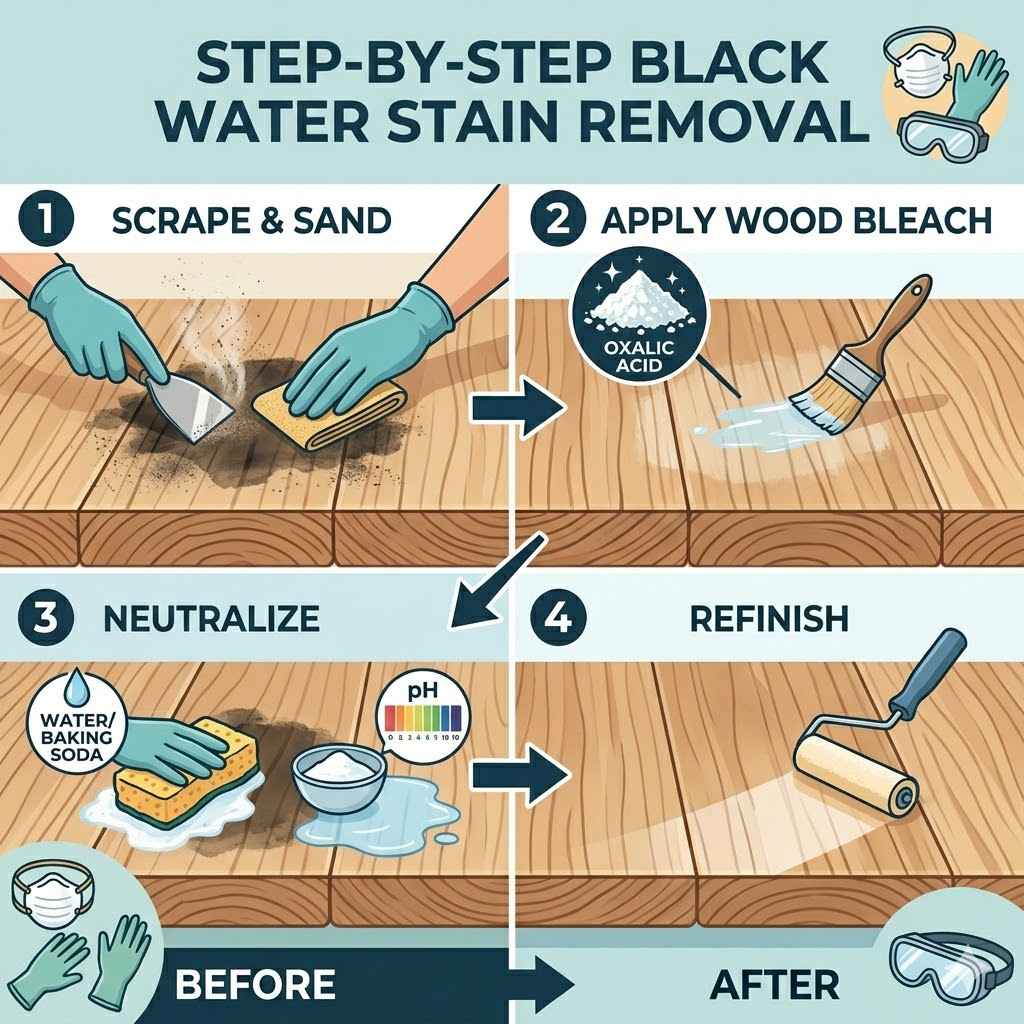
For milder black stains, you might try a wood bleach. Oxalic acid is a common ingredient in wood bleaches. You can buy it as a powder and mix it with water.
Be very careful when using oxalic acid. It’s a strong chemical. Always wear gloves and eye protection.
Work in a well-ventilated area. Apply the solution to the stained area. Let it work for the time recommended on the product.
Then, rinse thoroughly with water and dry the area completely. You might need to repeat this process for stubborn stains.
Another option is a specialized hardwood floor cleaner designed for dark stains. Some products contain mild bleaching agents or wood cleaners that can help lift the discoloration. Follow the product instructions very carefully.
Always test these in a hidden area first. If the stain is very dark or widespread, you might need to sand the affected area. This is a more involved process.
Sanding involves removing the top layer of the wood finish and some of the wood itself. You would start with a coarser grit sandpaper and move to finer grits. After sanding, you will need to refinish the area.
This means applying a new coat of stain (if needed) and then a protective topcoat. This is often best left to professionals if you’re not comfortable with woodworking.
When Black Stains Appear
Wood Bleach (Oxalic Acid): Effective for deep discoloration. Requires safety gear and careful application.
Specialty Cleaners: Look for products for dark wood stains.
Sanding and Refinishing: For severe stains, a more intensive approach.
Expert Help: Consider a professional for complex situations.
Real-World Context: What Affects Stain Removal?
The success of removing water stains often depends on a few factors specific to your floor and the situation. It’s not just about the stain itself. The type of wood, the finish on the floor, and how old the stain is all play a big role.
Understanding these can help you choose the right method and have realistic expectations.
Different wood species react differently. Some woods, like oak, are more prone to staining than others. The grain pattern of the wood can also affect how deeply moisture penetrates.
The finish on your hardwood floor is also crucial. Is it a polyurethane finish? A wax finish?
An oil finish? Each finish has its own properties. Some are more durable and resistant to water.
Others might be more easily damaged by certain cleaning agents.
The age of the stain matters too. A fresh spill is much easier to deal with than a stain that has sat there for months or even years. The longer water sits, the more it can seep into the wood and cause damage.
This is why quick action is always best. If you notice a spill, grab a towel immediately. Blot, don’t rub.
Rubbing can spread the water and push it deeper into the wood.
The environment where you live can also be a factor. If you live in a very humid climate, your floors might be more susceptible to moisture issues. High humidity can make wood swell and contract more, potentially opening up tiny gaps in the finish.
This makes them more vulnerable to water damage. Also, if your home has an inconsistent temperature, this can cause similar issues.
Factors Influencing Stain Removal
Wood Type: Oak, maple, cherry, etc., have different behaviors.
Floor Finish: Polyurethane, wax, oil finishes react differently.
Stain Age: Fresh stains are easier than old ones.
Home Environment: Humidity and temperature fluctuations matter.
Previous Treatments: What has been used on the floor before?
What This Means for You: When to Worry and When Not To
It’s helpful to know when a water stain is likely a minor issue and when it might signal a bigger problem. Most of the time, water stains on hardwood floors are manageable with home remedies. Especially the white, cloudy ones.
These are usually just cosmetic issues with the finish.
You should feel more confident trying gentle methods for white stains. Things like the hairdryer or baking soda paste. If the stain is light and looks like a watermark on the surface, it’s probably not a cause for major alarm.
Just proceed carefully and with gentle products.
When should you start to worry? If the stain is very dark, almost black, it’s a sign of deeper damage. If you see any signs of mold or mildew around the stain, that’s also a red flag.
Mold can be a health concern and needs to be addressed properly. Also, if the wood feels soft or spongy in the stained area, it might have absorbed too much moisture and could be starting to rot.
Another sign to watch for is buckling or warping of the floorboards. If the wood has swollen significantly from water exposure and hasn’t dried properly, the boards might start to lift or curve. This indicates structural damage and likely requires professional attention.
In these cases, trying DIY methods might not be enough and could even cause more harm.
Stain Alert Levels
Normal Concern (White Stains): Often fixable with home remedies. Focus on gentle methods.
Higher Concern (Black Stains): May need stronger cleaners or sanding. Proceed with caution.
Serious Concern (Mold, Soft Wood, Buckling): Indicates significant damage. Seek professional advice.
Quick Tips to Prevent Future Stains
The best way to deal with water stains is to prevent them from happening in the first place. A few simple habits can save you a lot of trouble and keep your hardwood floors looking beautiful for years to come. It’s all about being proactive.
Always use coasters for drinks. Keep a few handy on coffee tables and end tables. This is a simple step that prevents rings and spills from directly contacting the wood.
For potted plants, use waterproof saucers underneath them. Make sure to empty any standing water from these saucers promptly. This prevents water from seeping into the wood around the plant.
When cleaning your floors, use damp mops, not wet ones. Excessive water can damage hardwood. Wring out your mop very well.
You want it barely moist, not dripping. Clean up spills immediately. As soon as you notice any liquid on the floor, grab a soft cloth or paper towel and blot it up.
Don’t let it sit there.
Consider using area rugs in high-traffic areas or places where spills are more likely. This adds an extra layer of protection. Keep pet bowls on mats that can catch any spills.
Regularly check around windows and doors for any signs of leaks, especially after heavy rain. This can prevent larger water damage issues from developing unseen.
Prevention is Key
- Use Coasters: Always for drinks.
- Plant Saucers: Empty them quickly.
- Damp Mops Only: Never use a very wet mop.
- Clean Spills Fast: Blot immediately.
- Area Rugs: Protect high-risk spots.
- Pet Mats: Catch bowl spills.
- Check for Leaks: Inspect around windows and doors.
Frequently Asked Questions About Water Stains on Hardwood
Can I use vinegar to remove water stains from hardwood floors?
While vinegar is a great cleaner for many things, it’s generally not recommended for hardwood floors. Its acidity can be too harsh. It can dull the finish or even damage the wood over time.
For water stains, it’s better to stick with gentler, pH-neutral options or methods specifically designed for wood.
How long does it take for a white water stain to disappear on its own?
White water stains often disappear on their own within a few days to a week. This depends on the humidity and how well the area can dry out. If the stain is still there after a week, or if you want to speed up the process, you can try gentle methods like a hairdryer or baking soda paste.
Is it safe to use steel wool on hardwood floors?
Using steel wool on hardwood floors should be done with extreme caution, if at all. Very fine steel wool (like grade #0000) might be used gently by professionals for specific refinishing tasks. However, for general stain removal, it’s too abrasive.
It can easily scratch the finish and the wood. Stick to soft cloths or specialized cleaning pads.
What is the best way to test a cleaning product on my floor?
Always test any new cleaning product or method in an inconspicuous area. This could be inside a closet or under a large piece of furniture that’s rarely moved. Apply a small amount of the product.
Let it sit for the recommended time, then wipe and dry. Check for any discoloration, dulling, or damage to the finish before treating the visible stain.
Can a professional refinish my floors if I can’t remove a stain?
Yes, absolutely. If you’ve tried various methods and the stain remains, or if the damage is significant, a professional floor refinisher can help. They have the tools and expertise to sand down the affected area and reapply the finish, making the floor look like new.
This is often the best solution for deep or persistent black stains.
Should I worry about water stains on engineered hardwood?
Engineered hardwood floors can also get water stains, though they might react slightly differently than solid hardwood. The top layer is still real wood. Water can still damage its finish and discoloration can occur.
The core of engineered wood is often plywood or HDF, which can swell significantly if it gets too wet. It’s important to clean up spills quickly and avoid excessive moisture, just like with solid hardwood.
Final Thoughts on Water Stain Removal
Dealing with water stains on your hardwood floors can feel daunting. But with the right knowledge and a bit of patience, you can often restore their beauty. Remember to identify the type of stain.
White stains are usually surface-level and easier to fix. Black stains are deeper and might need more effort. Always start with the gentlest method.
Test products in a hidden spot first. Prevention is your best friend. Simple habits like using coasters and cleaning spills right away can save you a lot of hassle.
Your floors are a big investment, so taking care of them means enjoying their warmth and beauty for years to come.
Sponsored / affiliate links. As an Amazon Associate I earn from qualifying purchases. I may earn additional commission from eligible campaigns.