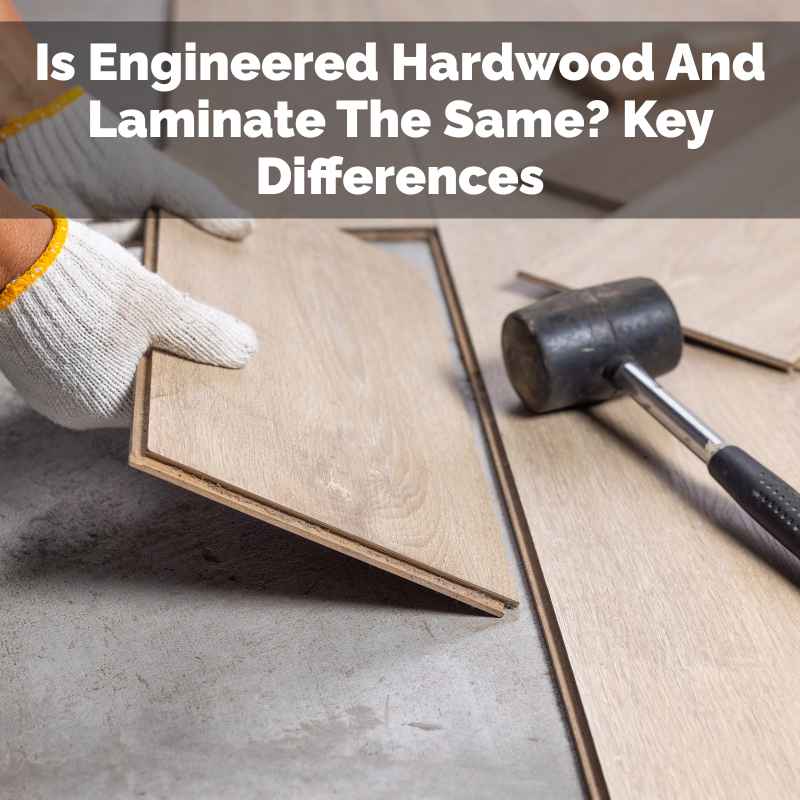
Is Engineered Hardwood And Laminate The Same? Key Differences
Engineered hardwood and laminate flooring are not the same. While both offer a wood-look finish and are often more budget-friendly than solid hardwood, they are constructed very differently. This impacts their durability, water resistance, cost, and how they feel underfoot. Knowing these core distinctions is key to making the right choice for your home.
Understanding Engineered Hardwood
Engineered hardwood is a smart invention. It combines real wood with other materials. Think of it as a sandwich.
The top layer is a thin sheet of real hardwood. This is the part you see and touch. It can be oak, maple, cherry, or any other popular wood species.
This top veneer gives it the authentic look and feel of solid wood.
Beneath this real wood layer are several other layers. These are typically made of plywood or high-density fiberboard (HDF). These layers are glued together.
They are usually stacked in opposite directions. This cross-grain construction is very important. It makes the flooring stable.
It means the planks are less likely to warp or expand.
This stability is a big advantage. Engineered hardwood can handle changes in humidity and temperature better than solid hardwood. This makes it a good choice for basements or kitchens where moisture levels can fluctuate.
You get the beauty of real wood but with added resilience.
The thickness of the real wood veneer varies. Thicker veneers can be sanded and refinished. This allows for repairs or a style update later on.
Thinner veneers cannot be refinished. It’s a detail worth checking when you buy.
What Exactly is Laminate Flooring?
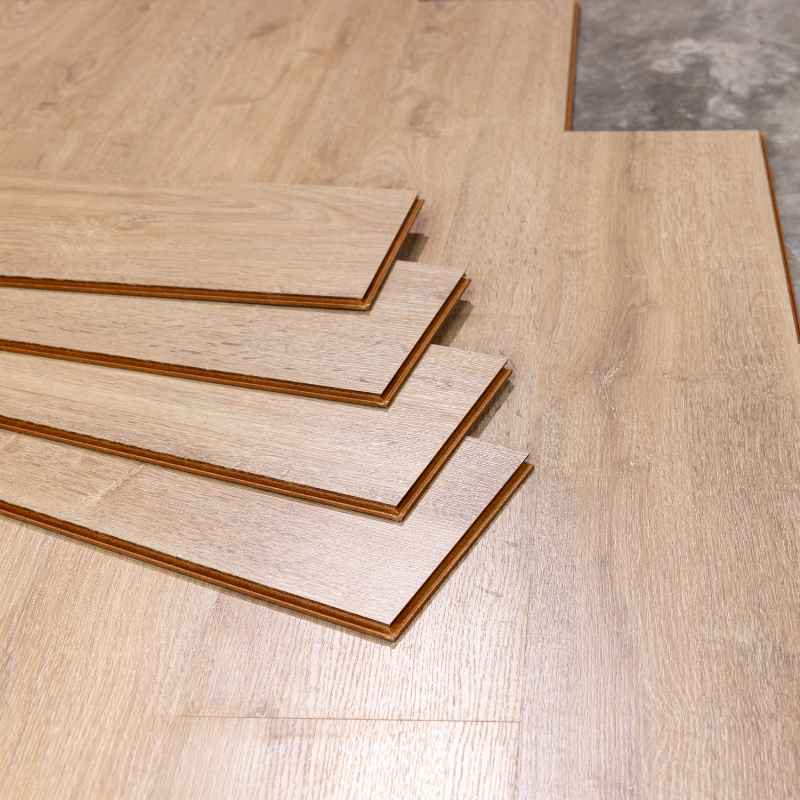
Laminate flooring is quite different in its construction. It doesn’t use any real wood on its surface. Instead, it’s made from several layers of synthetic materials.
The core of laminate is usually HDF. This stands for high-density fiberboard. It’s made from wood fibers and resin.
On top of the HDF core is a very thin layer. This is a decorative paper. This paper has a printed image.
The image is designed to look exactly like wood. It can mimic any wood grain pattern. It can even look like stone or tile.
Above the decorative layer is a clear protective coating. This is often called a wear layer. It’s made of tough materials like aluminum oxide.
This wear layer protects the printed design from scratches and fading. It determines how durable the laminate is.
Because it’s made of synthetic materials and a printed image, laminate is very consistent. Every plank will look identical. There are no natural variations like you’d find in real wood.
This can be a pro or a con, depending on your taste.
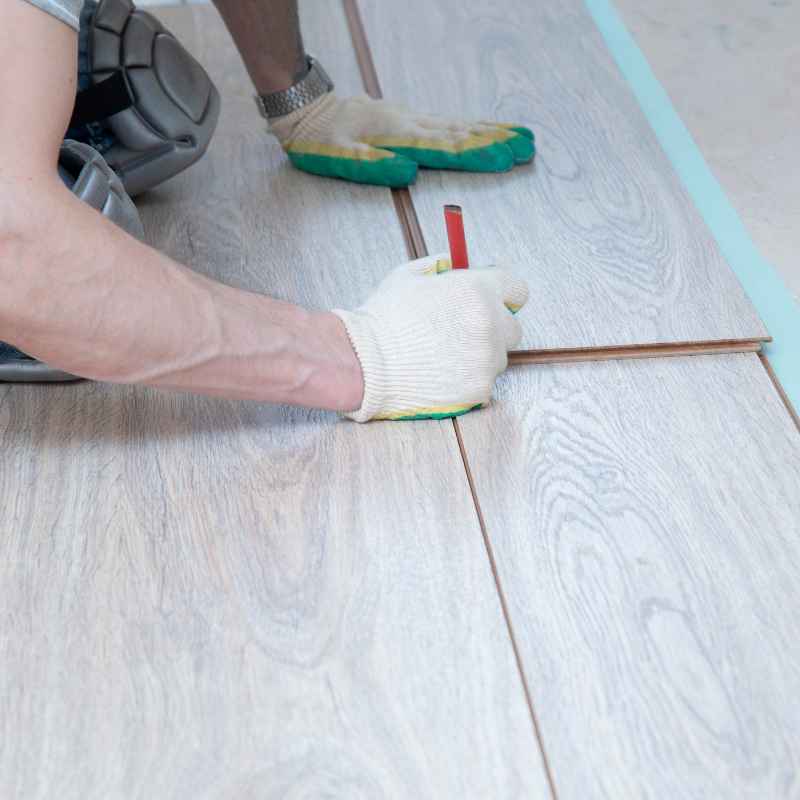
Laminate flooring is generally very affordable. It’s also known for being easy to install. Many types click together without glue.
This makes it a popular DIY choice.
Key Differences: Construction and Materials
The biggest difference lies in what’s on top. Engineered hardwood has a top layer of real wood veneer. Laminate has a printed image of wood on a decorative paper.
This is the most crucial distinction.
Because engineered hardwood has a real wood top, it looks and feels like wood. It has natural grain variations. Each plank is unique.
Laminate, with its printed image, can look very realistic. But it lacks the organic feel of natural wood. It can sometimes look a bit too perfect or repetitive.
The core materials are also different. Engineered hardwood uses plywood or HDF. Laminate primarily uses HDF.
The stability comes from how these layers are put together. Engineered hardwood’s cross-grain construction provides stability against moisture. Laminate’s HDF core also offers stability, but its core is more susceptible to water damage if not properly sealed.
The wear layer on laminate is very tough. It’s designed to resist scratches. This makes it a good option for busy homes.
However, if the wear layer is damaged, the printed image underneath can be exposed. This cannot be repaired easily. The entire plank might need replacement.
Engineered hardwood’s real wood veneer can be scratched or dented. But if the veneer is thick enough, it can be sanded and refinished. This can restore its appearance.
It’s a repair option that laminate simply doesn’t have.
Material Comparison at a Glance
Engineered Hardwood
Top Layer: Real wood veneer
Core Layers: Plywood or HDF
Appearance: Natural wood grain, unique planks
Repair: Can be sanded and refinished (if thick veneer)
Laminate Flooring
Top Layer: Printed image on decorative paper
Core Layers: High-Density Fiberboard (HDF)
Appearance: Printed wood look, often uniform
Repair: Cannot be sanded or refinished
Durability and Performance
Durability is a big factor for flooring. Both engineered hardwood and laminate can be quite durable. But they achieve this in different ways.
Laminate flooring often boasts a very hard wear layer. This makes it highly resistant to scratches and scuffs. For homes with pets or active kids, this is a significant benefit.
The printed image is well-protected. It’s less likely to show wear from everyday foot traffic.
However, laminate has a weak spot: water. While many newer laminates have improved water resistance, they are generally not waterproof. If water seeps into the seams and reaches the HDF core, it can swell.
This swelling is permanent. It can cause the planks to buckle or warp. This is why it’s often not recommended for bathrooms or laundry rooms.
Engineered hardwood’s durability depends on the quality of the real wood veneer. A thicker veneer will be more durable. It can withstand more wear.
It also offers the advantage of being able to be refinished. If the surface gets scratched, you can sand it down and apply a new finish. This can make it look brand new again.
Real wood can also be dented or gouged by heavy impacts. While the core is stable, the surface can still be damaged. Water is also a concern for engineered hardwood, though it handles minor spills better than laminate due to its construction.
Major water damage can still cause issues.
One key difference is how they handle wear and tear over time. Laminate’s wear layer is fixed. Once it’s damaged, that’s it.
Engineered hardwood, with its real wood surface, ages differently. It might show minor scratches. But it can be restored.
This can give it a longer lifespan in some ways.
Water Resistance and Moisture Concerns
This is where the distinction becomes very clear. When it comes to moisture, they perform very differently.
Laminate flooring is generally considered the less water-resistant option. The HDF core is porous. If it gets wet and stays wet, it will absorb moisture.
This leads to swelling and irreversible damage. Even “water-resistant” laminates have limits. Spills should be wiped up quickly.
Standing water is a big problem.
Some newer, higher-end laminate products are being made with improved water resistance. They might have special coatings or a more water-repellent core. These can be suitable for kitchens or powder rooms.
But they are still not a match for true waterproof flooring like luxury vinyl or tile.
Engineered hardwood, while not fully waterproof, is often more forgiving with moisture than laminate. The cross-grain construction of the core layers helps keep the planks stable. This means they are less likely to expand or contract significantly when exposed to normal home humidity levels.
However, significant spills or standing water can still damage engineered hardwood. The real wood veneer is susceptible to water stains. It can also warp if the moisture gets into the core layers.
It’s important to clean up spills immediately. It’s also not ideal for very humid or wet areas like full bathrooms.
If you need flooring for a high-moisture area, neither engineered hardwood nor standard laminate is the best choice. Options like luxury vinyl plank (LVP) or tile are usually better suited.
Moisture Handling: Quick Facts
- Laminate: Generally low water resistance. HDF core can swell permanently if exposed to moisture. Best avoided in wet areas.
- Engineered Hardwood: Better than laminate but not waterproof. More stable against humidity changes due to its construction. Spills should be wiped quickly.
- Best for Wet Areas: Luxury Vinyl Plank (LVP), Tile, or Stone flooring are better choices for bathrooms, laundry rooms, and basements.
Appearance and Aesthetics
When it comes to looks, both can be very convincing. But there are subtle differences in how they achieve that wood look.
Engineered hardwood offers the genuine article. The top layer is real wood. This means it has natural grain patterns.
It has knots. It has subtle color variations that occur in nature. Each plank is unique.
This gives it a rich, authentic feel that many people love.
The finish on engineered hardwood can vary widely. You can get smooth finishes, hand-scraped textures, or matte looks. The species of wood chosen also impacts the final appearance.
Oak, walnut, and maple all have distinct looks and tones.
Laminate flooring achieves its wood look through high-resolution printing. Modern printing technology is very advanced. It can create incredibly realistic wood grain patterns.
Some laminates even have textures that mimic the feel of wood grain. This texture is pressed onto the surface.
The challenge with laminate is consistency. Because it’s a printed image, there’s a repeating pattern. While manufacturers try to vary this, you might notice the same pattern appearing on several planks.
This can make it look less natural than real wood. It can sometimes look a bit “manufactured.”
The colors and styles available in laminate are vast. You can find almost any wood look you can imagine. You can even find looks that aren’t possible with natural wood, like highly stylized or exotic wood patterns.
For many, the appeal of engineered hardwood is its authenticity. The slight imperfections and natural variations are part of its charm. For others, the consistent, flawless look of laminate is preferred.
It depends on your personal style.
Cost and Value
When comparing costs, laminate flooring is almost always the more budget-friendly option. It’s one of its biggest selling points.
You can find laminate flooring at very low price points. This makes it an accessible choice for many homeowners looking for a wood-like floor. The cost is driven by its synthetic materials and mass production methods.
Engineered hardwood is generally more expensive than laminate. The price varies based on the thickness of the real wood veneer and the type of wood used. High-quality engineered hardwood with a thick veneer can approach the cost of some solid hardwood floors.
However, when considering long-term value, the picture can change. If you choose engineered hardwood with a thick veneer, it can be sanded and refinished. This can extend its life significantly.
You might pay more upfront, but you could avoid replacing the floor for many years.
Laminate, on the other hand, cannot be refinished. Once the wear layer is compromised or deeply scratched, the floor may need to be replaced entirely. While it’s cheaper initially, its lifespan might be shorter in cases of heavy wear or damage.
The installation cost also plays a role. Laminate is often designed for easy click-together installation. This makes it a good candidate for DIY projects, saving on labor costs.
Engineered hardwood can also be installed using click-lock systems, but some types might require glue-down or nail-down methods, which can increase installation costs.
Think about your budget and how long you plan to stay in your home. For a quick update or a rental property, laminate might offer better short-term value. For a long-term home where you want a high-quality, authentic look, engineered hardwood might be a better investment.
Installation Methods
How these floors are put in place is another area where they can differ.
Many laminate floors use a floating floor system. This means the planks click together. They don’t get glued or nailed to the subfloor.
The entire floor essentially rests on top of an underlayment. This makes installation relatively easy. It’s a popular choice for DIYers.
Engineered hardwood can also be installed as a floating floor. Many modern engineered wood planks feature a click-lock system, similar to laminate. This makes installation much simpler and faster.
However, engineered hardwood can also be installed using other methods. It can be glued down to the subfloor. It can also be nailed down.
These methods create a more secure bond. They are often recommended for larger areas or for floors that will be heavily trafficked. Glue-down or nail-down installation is typically more involved and may require professional help.
The subfloor preparation is important for both. The surface needs to be clean, dry, and level. Any imperfections in the subfloor can transfer to the finished floor, especially with floating floors.
When it comes to DIY friendliness, click-lock laminate and click-lock engineered hardwood are often on par. But if you’re considering glue-down or nail-down installation for engineered hardwood, that adds complexity and cost. It’s crucial to follow the manufacturer’s specific installation instructions for the product you choose.
Real-World Context: Where Each Excels
Understanding the practical applications helps clarify which floor is best for different areas of your home.
Laminate flooring is a fantastic choice for living rooms, dining rooms, hallways, and bedrooms. These are areas that typically don’t experience heavy moisture or extreme wear. Its durability against scratches makes it great for homes with kids and pets.
Its affordability allows you to update these spaces on a budget.
For kitchens, it’s a bit more of a gamble. While modern laminates have improved, spills still need immediate cleanup. It’s not ideal for homes where spills are frequent or accidents are common.
Engineered hardwood offers more versatility. Because of its stable construction, it can be a good option for most rooms in the house. It’s suitable for living areas, dining rooms, bedrooms, and even kitchens and powder rooms, provided spills are managed promptly.
Its ability to be refinished also makes it a choice for high-traffic areas where you might want to refresh the look down the line.
In basements, both can be problematic. Basements are prone to humidity and potential leaks. While engineered hardwood is more stable than solid hardwood, it’s still not fully waterproof.
Standard laminate is even more susceptible to moisture damage. Luxury vinyl plank (LVP) is often the preferred choice for basements.
I remember one situation where a homeowner chose laminate for their kitchen. They loved the look and the price. A leaky dishwasher hose caused a flood.
The water seeped under the cabinets. The laminate swelled up. It looked terrible and had to be completely replaced.
That was a costly lesson in moisture management.
Another time, I saw a family install engineered hardwood in their dining room. They had young kids who were tough on floors. A few years later, the floor had some scratches.
They were able to sand it down and reapply a new coat of polyurethane. It looked almost new again. That’s the long-term advantage of real wood.
Room-by-Room Suitability
Living Areas
Both: Good
Laminate: Great for budget & scratch resistance.
Engineered HW: Authentic feel, refinishable.
Kitchens
Laminate: Risky; needs quick spill cleanup.
Engineered HW: Better, but spills still a concern.
Ideal: LVP, Tile.
Bathrooms
Laminate: Not recommended.
Engineered HW: Not recommended.
Ideal: LVP, Tile.
What This Means For You
So, what’s the takeaway? It really depends on your priorities.
If your main concerns are budget and scratch resistance, and you want a wood-like look in a standard room, laminate is a strong contender. It’s easy to install and provides a fresh look without breaking the bank. Just be mindful of its limitations with water.
If you desire the authentic look and feel of real wood, and you want a floor that can potentially be renewed, engineered hardwood is a great choice. It offers more stability than solid hardwood in varying humidity. Its ability to be sanded and refinished can make it a long-term investment.
Consider the room you’re flooring. High-traffic areas might benefit from laminate’s tough wear layer, or from refinishable engineered hardwood. Areas prone to spills or humidity are better suited to other materials altogether.
It’s also worth thinking about resale value. While both are upgrades, real wood (even engineered) often carries a perception of higher value than laminate. However, a well-chosen, well-maintained laminate can also be attractive to buyers.
Always check the manufacturer’s specifications. Look for details on the wear layer thickness for laminate. For engineered hardwood, check the veneer thickness and the warranty information.
These details matter for long-term satisfaction.
Quick Fixes and Tips
While neither floor can be truly “fixed” like solid wood, here are some tips to manage them.
For Laminate:
- Clean Spills Immediately: This is the golden rule. Have cloths handy. Wipe up any moisture right away.
- Use Area Rugs: Place mats at entryways. Use rugs in high-traffic areas to reduce wear on the protective layer.
- Protect Furniture: Use felt pads under furniture legs. This prevents scratches when moving chairs or tables.
- Sweep or Vacuum Regularly: Use a soft-bristle broom or a vacuum with a hard floor attachment. Avoid steam mops.
For Engineered Hardwood:
- Wipe Up Spills Promptly: Similar to laminate, address moisture quickly.
- Refinishing (if possible): If your veneer is thick enough, you can sand down minor scratches and reapply a protective finish. This is a major advantage.
- Touch-Up Kits: For minor nicks or scratches, a wood repair marker or putty can sometimes help blend the damage. Choose a color that matches your floor.
- Professional Cleaning: Avoid harsh chemicals. Use a cleaner recommended by the manufacturer.
Both types of flooring benefit greatly from preventative care. This includes maintaining a consistent home temperature and humidity level. Avoid dragging heavy items.
These simple steps help preserve the look and life of your floor.
Frequently Asked Questions
Is laminate flooring the same as engineered hardwood?
No, they are not the same. Engineered hardwood has a top layer of real wood veneer, while laminate flooring uses a printed image of wood on a decorative paper. Their construction and materials are fundamentally different.
Can you refinish laminate flooring?
No, you cannot refinish laminate flooring. It has a protective wear layer over a printed image. Once this layer is worn through or damaged, the floor cannot be sanded and refinished like real wood or engineered hardwood.
Is engineered hardwood waterproof?
No, engineered hardwood is not waterproof. It is more stable and water-resistant than solid hardwood due to its layered construction, but it can still be damaged by prolonged exposure to moisture or standing water.
Which is more durable, laminate or engineered hardwood?
Laminate flooring often has a tougher wear layer that resists scratches better initially. However, engineered hardwood can be refinished if damaged, potentially giving it a longer lifespan. Durability depends on the specific product quality and how it’s maintained.
Can I install laminate or engineered hardwood in a bathroom?
It is generally not recommended to install either laminate or engineered hardwood in bathrooms due to high moisture levels. Options like luxury vinyl plank (LVP) or tile are much better suited for wet environments.
Does engineered hardwood feel like real wood?
Yes, engineered hardwood with a real wood veneer on top feels and looks like real wood because it is, in fact, real wood. Laminate flooring aims to mimic the look of wood but lacks the genuine texture and warmth of natural wood.
The Bottom Line on Wood-Look Floors
Deciding between engineered hardwood and laminate flooring comes down to your specific needs. Consider your budget, the rooms you’re flooring, and how you use your home. Both offer beautiful wood-look options, but their core differences impact their performance and longevity.
Understanding these distinctions empowers you to make the best choice for your home.
Sponsored / affiliate links. As an Amazon Associate I earn from qualifying purchases. I may earn additional commission from eligible campaigns.