How to Unclog a Bathroom Sink Clogged With Hair
A hair-clogged bathroom sink usually clears with a plunger or a baking-soda-and-vinegar flush, but a clog trapped deep in the P-trap needs a drain snake instead. Chemical drain cleaners containing sodium hydroxide can generate heat up to 212°F and soften PVC pipe joints with repeated use. This guide covers the plunger, stopper-removal, drain-snake, and enzyme-cleaner methods, plus how to keep hair clogs from coming back.
This post contains affiliate links. We may earn a commission at no extra cost to you.
Fastest Way to Clear a Hair-Clogged Bathroom Sink (5 Steps)
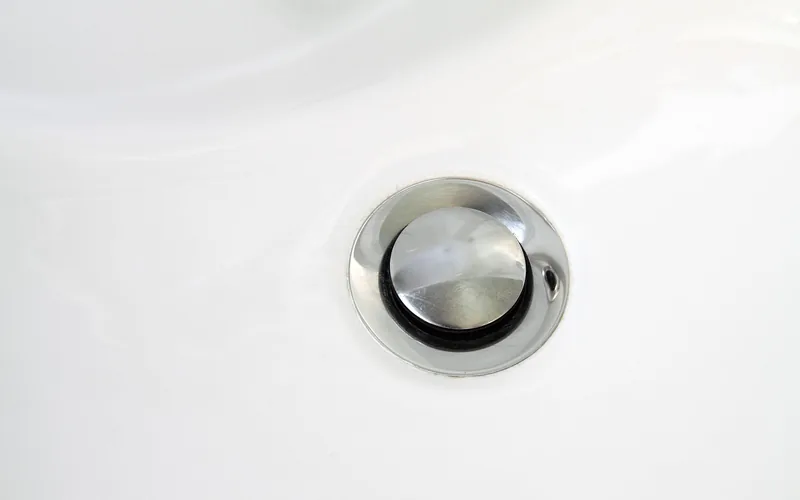
- Remove the drain stopper: Turn it counterclockwise and lift, or loosen the pivot rod nut under the sink — most hair sits right at the stopper base.
- Plunge the drain: Fill the sink 3-4 inches deep, cover the overflow hole with a wet cloth, and plunge firmly 15-20 times.
- Flush with baking soda and vinegar: Pour in half a cup of each, wait 15 minutes for the fizzing to stop, then flush with hot water.
- Snake the P-trap: If water still backs up, feed a drain snake past the trap, twist to hook the hair, and pull it out.
- Prevent the next clog: Install a mesh hair catcher over the drain and clean it weekly.
Common Causes Of Bathroom Sink Clogs
Hair is the most common cause of bathroom fixtures clogs — it binds with soap and dirt to form a sticky mass that slowly blocks the pipe. A hair catcher placed in the drain traps hair before it goes down and cuts this problem out entirely.
Soap residue is the second major factor: bar soap in particular leaves behind a film that combines with hair and dirt into a thick layer inside the drain, slowing water flow over time. Switching to liquid soap reduces this residue buildup significantly.
Hard water minerals also stick to pipe walls and form deposits that narrow the passage and make clogs more likely. Flushing pipes with vinegar periodically helps dissolve these mineral deposits before they compound with hair and soap.
Tools Needed For Unclogging
A plunger and a drain snake handle most hair clogs in a bathroom sink. Baking soda and vinegar offer a natural solution for lighter buildup, and rubber gloves protect hands when handling wet hair or chemical cleaners. If the clog is not hair-related, see our guide on how to unstop a sink for other common blockage causes.
Plunger
A plunger is simple to use. Place it over the drain, then push and pull repeatedly to loosen the hair and clear the clog.
Drain Snake
A drain snake is a long flexible tool that reaches deep inside the pipe. Twist and pull to hook and remove stuck hair.
Chemical Drain Cleaners
Chemical drain cleaners can dissolve hair. Pour the cleaner into the sink, wait per the label instructions, then rinse with water after use.
Homemade Solutions
Mix baking soda and vinegar and pour into the drain. Wait for the bubbling to stop, then rinse with hot water to clear the sink.
How Do You Remove a Pop-Up Drain Stopper to Get Hair Out?
Most pop-up stoppers lift straight out after you turn them counterclockwise to release them from the pivot rod underneath the sink. If it will not lift, reach under the sink, loosen the pivot rod nut, and slide the rod out — the stopper then pulls free from above. Hair usually wraps around the base of the stopper itself, so pulling it is often faster than plunging.
Best Drain Snake Pick
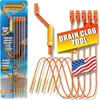
FlexiSnake Drain Weasel Sink Snake Hair Clog Remover Tool Kit, 5 Wands – $19.99
Reaches past the pivot rod into the P-trap the same way the drain-snake step in this guide describes, with disposable wands so you never have to pull hair off the tool by hand.
- Best for: Hair clogs trapped past the stopper or deep in the P-trap
- Why we picked it: Disposable wands match the twist-and-pull method covered above
- Main drawback: Wands are single-use, so a pack runs out with heavy use
Compare more drain snake options
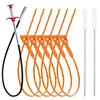 Option 1 Drain Clog Remover 9-Piece Set – $7.99
|
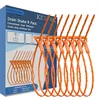 Option 2 8-Pack 25in Drain Snake – $5.69
|
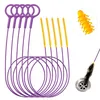 Option 3 Reusable 35in Drain Snake, 5-Pack – $9.99
|
As an Amazon Associate we earn from qualifying purchases.
Using A Plunger Effectively
Unclogging a bathroom sink filled with hair becomes easy using a plunger. First remove excess water, then firmly press the plunger over the drain. Repeatedly push and pull to dislodge the blockage, allowing water to flow freely again.
Preparing The Sink
Clear the area around the sink and remove any items so the sink is empty. Add water to cover the plunger’s rubber part — the water helps create a tight seal. Check the sink’s overflow hole and block it with a wet cloth to make the suction stronger.
Plunging Techniques
Place the plunger over the drain, press down firmly, then lift and press again. Repeat this motion about 20 times using fast movements. Listen for gurgling sounds, which mean the blockage is moving. Lift the plunger and check the drain; if it’s still clogged, try a second round.

Removing Hair With A Drain Snake
Picking the right drain snake matters — a small snake works best for bathroom sinks. Make sure it fits your sink drain and is easy to handle; some have a crank to turn, others are just long wires. The same technique also works for unclogging a bathtub drain with a snake, since both fixtures share the same P-trap design.
Start by removing the sink stopper, then slide the snake into the drain slowly until you feel resistance — this is the hair clog. Turn the handle or twist the wire to hook the hair, then pull the snake out carefully and remove any hair stuck to it. Repeat if the sink is still clogged.
Chemical Drain Cleaners: Pros And Cons
Chemical drain cleaners can quickly clear hair clogs by dissolving hair and other debris. Pour the cleaner slowly so it reaches the clog, let it sit for the recommended time (usually a few minutes), then rinse the sink with hot water to wash away loosened debris. Repeat if needed, but not too often.
Handle chemical cleaners with care: wear gloves to protect skin, avoid breathing in fumes, and keep them away from children and pets. Never mix cleaners, and always use them in a well-ventilated area.
Are Enzyme Drain Cleaners Safer Than Chemical Ones for Hair Clogs?
Yes. Enzyme cleaners break down hair, soap scum, and other organic buildup biologically and work on PVC, copper, and cast iron without weakening pipe joints. Chemical cleaners containing sodium hydroxide clear hair faster but generate enough heat to soften PVC seams with repeated use — enzyme cleaners take longer (often overnight) but are the better choice for a sink you plan to treat regularly.
| Cleaner Type | How It Works | Best For |
|---|---|---|
| Enzyme | Breaks down hair and organic matter biologically; gentle on all pipe materials | Regular maintenance, older or PVC pipes |
| Chemical (caustic) | Sodium hydroxide reaction dissolves the clog fast but generates heat | Severe, immediate clogs in newer or metal pipes |
| Mechanical (snake/plunger) | Physically removes or dislodges the clog, no chemical residue | Any pipe material, safest overall option |
📊 Sodium hydroxide, the main ingredient in most chemical drain cleaners, can cause severe skin, eye, and gastrointestinal burns on contact — always wear gloves and never mix it with another cleaner. Source: CDC/ATSDR ToxFAQs for Sodium Hydroxide
DIY Solutions For Hair Clogs
Tackling hair clogs in bathroom sinks can be simple. A bent wire hanger or a plunger removes buildup, and baking soda and vinegar offer a natural remedy that dissolves stubborn hair blockages effectively.
Baking Soda And Vinegar
Pour half a cup of baking soda down the drain, then add half a cup of vinegar. Wait for the fizzing to stop (a few minutes), then rinse with hot water. Repeat if needed — this method dissolves hair and is simple and effective.
Boiling Water Method
Heat water until it boils, then carefully pour it down the drain in two or three stages. The hot water can melt the clog; repeat a few times for better results, and be careful of splashing and burns.
“Pop-up sink stoppers take the longest to disassemble of the common stopper types because of their pivot-rod mechanism, so start there first if the clog sits right at the surface.”
Preventing Future Clogs
Keep your bathroom sink clog-free with regular care. Clean the sink weekly with a mix of vinegar and baking soda poured down the drain, then rinse with hot water to break down hair and soap. Check the pipes often to make sure they stay clear.
Drain covers catch hair and small objects before they enter the pipe — place one over the drain and clean it weekly with a brush. A sink that keeps draining slowly even without a full clog often points to a different issue; see our guide on fixing a slow draining sink for those causes.
When To Call A Professional
Water draining slowly can mean a serious clog. Gurgling sounds from the sink are a red flag, and if a plunger doesn’t help, the problem might be deep. Foul odors often hint at trapped debris, and water backing up is a major sign the clog is stubborn.
A licensed plumber has the tools to spot hidden issues and clear the drain without damaging older pipes. For a stubborn clog that survives a plunger, drain snake, and enzyme cleaner, professional service is usually worth the cost.
Frequently Asked Questions
What Dissolves Hair In A Bathroom Sink?
Baking soda and vinegar effectively dissolve hair in a bathroom sink. Use hot water to rinse. Commercial drain cleaners also work well. Consider using a hair trap to prevent future clogs. Regular maintenance keeps drains clear and functioning smoothly. Always follow safety instructions when using chemical products.
How To Unclog A Bathroom Sink Drain With Hair?
Remove the sink stopper and clear visible hair. Use a drain snake to dislodge stubborn clogs. Pour boiling water to flush remaining debris. Regularly clean drains to prevent buildup.
How Do You Dissolve A Hair Blocking Drain?
Pour baking soda and vinegar down the drain. Let it fizz for 15 minutes. Flush with hot water. Repeat if necessary. Use a plunger or drain snake for stubborn clogs. Regular maintenance prevents future blockages.
How Do You Unclog A Sink With Facial Hair?
Remove the sink stopper and use tweezers to pull out visible hair. Pour baking soda and vinegar down the drain. Wait for 15 minutes, then flush with hot water. Use a plunger to dislodge remaining clogs. Repeat if necessary.
Does Drano Dissolve Hair Clogs?
Only partially. Standard Drano formulas mainly break down grease and soap scum, so a clog that is pure hair often resists it. Drano Hair Buster Gel is formulated specifically to dissolve hair on contact and typically clears a clog within 7 minutes, but a drain snake removes the hair mechanically with no chemical residue left in the pipe.
Conclusion
Clearing a bathroom sink clogged with hair is simple in most cases. Start with the drain stopper and a plunger, then move to a baking soda and vinegar flush or a drain snake if the clog is deeper. Regular cleaning and a mesh hair catcher prevent most future clogs. Avoid pouring grease or hair down the drain, and call a plumber if gurgling sounds or backups persist after trying these methods.
Sponsored / affiliate links. As an Amazon Associate I earn from qualifying purchases. I may earn additional commission from eligible campaigns.