How To Get Dark Spots Out Of Hardwood Floors Effectively
Dark spots on hardwood floors can often be removed using gentle cleaning methods, but identifying the cause is key. For many common issues, a mild solution of water and vinegar or baking soda paste can lift the stain. Deeper issues might require more specific treatments or professional help.
Understanding Dark Spots on Your Hardwood
Dark spots on your wood floors are more than just an eyesore. They are often a sign that something has happened to the wood itself. This can be a spill that soaked in too deep.
It could also be a reaction to something placed on the floor for too long. Sometimes, it’s even a problem with moisture. Understanding these causes helps us pick the right way to fix them.
Wood is a natural material. It can absorb things. It can also change color.
When something wet sits on the floor, the wood soaks it up. This moisture can leave a mark. Metal objects can also cause dark spots.
Rust from an old toy or a metal furniture leg can react with the wood. This reaction causes a dark stain.
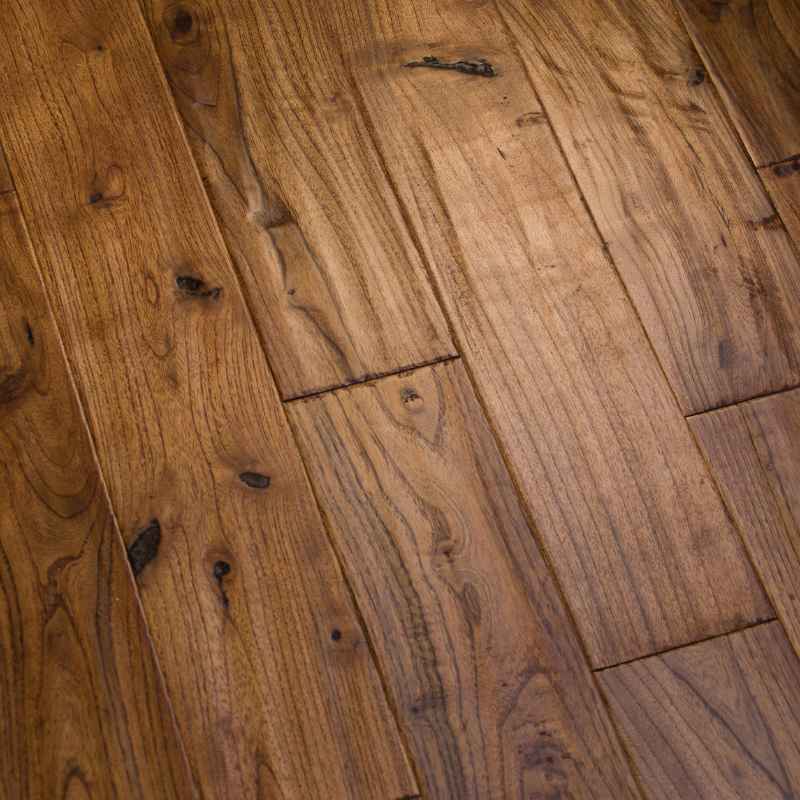
My Own Floor Nightmare: A Cautionary Tale
I remember one summer. It was unusually hot and humid here in the Midwest. We had a big family gathering.
Everyone was coming and going. My niece, bless her heart, brought her dog. It was a sweet dog but still learning the ropes.
After the party, I was cleaning up. That’s when I saw it. A dark, ugly patch under the coffee table.
It looked like a Rorschach test of doom.
Panic set in. My beautiful oak floors! I had no idea what it was.
Was it pet urine? I frantically sniffed. No obvious smell.
Then I remembered. We had an old metal watering can that I had used to water a plant nearby. It had a tiny leak.
I had set it down for just a minute while I answered the door. That minute was apparently enough. The metal can had rusted a little.
The rust leached into the wood. It left a dark, stubborn stain. It felt like I had failed my home.
That feeling pushed me to learn everything I could about fixing it.
Common Causes of Dark Spots
Water Stains: Spills, leaks, or high humidity. These soak into the wood.
Pet Accidents: Urine can penetrate deeply. It contains ammonia.
Metal Reactions: Rust from furniture legs, toys, or dropped metal items. Iron in the wood reacts.
Chemical Reactions: Certain cleaning products can damage the finish. They might also react with the wood.
Food and Drink: Sugary drinks or strong-colored liquids can leave marks if not cleaned fast.
Spotting the Source: Different Types of Dark Spots
Not all dark spots are the same. The way they look can tell you a lot. This helps you choose the best cleaning method.
Think about the color and shape of the mark.
Some spots are light brown or tan. These often come from water. They might be slightly damp even after drying.
Other spots are very dark, almost black. These can be from rust or old pet stains. Sometimes, a spot might have a faint outline.
This shows where a liquid sat for a long time.
The age of the spot matters too. Newer spots are usually easier to remove. Older, set-in stains can be tougher.
They’ve had more time to soak into the wood grain.
How to Get Dark Spots Out of Hardwood Floors
Let’s get to the good part. How do we actually get rid of these spots? We’ll start with the gentlest methods.
We’ll move to stronger ones if needed. Always test any cleaner in a hidden spot first. This protects your floor’s finish.
Gentle Cleaning for Water and Light Stains
Many dark spots are from water. They are not too deep. These often respond well to simple, mild cleaners.
These methods are safe for most wood finishes.
The Baking Soda Paste Method
Baking soda is a mild abrasive. It can help lift stains without scratching. It also helps absorb moisture.
What you need:
- Baking soda
- Water
- A soft cloth
- A clean, dry cloth
Steps:
- Mix baking soda with a little water. Make a paste. It should be like toothpaste.
- Apply the paste to the dark spot. Do not rub hard. Let it sit for about 15-20 minutes.
- Gently wipe away the paste with a damp cloth.
- Dry the area completely with a clean, dry cloth.
- Check the spot. Repeat if needed.
This works well for light water rings or minor spills. It’s a safe first step for many issues.
Vinegar and Water Solution
A diluted vinegar solution can also be effective. Vinegar is acidic. It can help break down some stains.
Use it sparingly. Too much can harm the wood finish.
What you need:
- White vinegar
- Water
- A spray bottle
- Soft cloths
Steps:
- Mix equal parts white vinegar and water in the spray bottle.
- Lightly mist the dark spot. Do not soak the wood.
- Let it sit for about 5 minutes.
- Wipe the spot gently with a soft, damp cloth.
- Dry the area thoroughly with a clean, dry cloth.
This method is great for slightly older water marks. It can also help with minor scuffs.
Quick Scan: Spot Cleaning Guide
| Stain Type | Gentle Method | Notes |
|---|---|---|
| Light Water Ring | Baking Soda Paste | Let paste sit, then wipe gently. |
| Minor Scuff | Vinegar & Water Mist | Light mist, wipe, and dry. |
| Grease Spot | Cornstarch or Talcum Powder | Absorbs grease. Brush off, then wipe. |
Tackling Tougher Stains: Rust and Pet Marks
When gentle methods don’t work, you might have a deeper stain. Rust marks and pet stains are often the toughest. They require more targeted approaches.
Dealing with Rust Spots
Rust spots happen when metal corrodes. Iron in the wood reacts with the metal and air. This creates a dark stain.
Sometimes, it’s the metal itself that is the problem.
For minor rust, a paste of lemon juice and salt can work. The acid in the lemon juice helps break down the rust. The salt acts as a gentle scrubber.
What you need:
- Lemon juice
- Salt
- Soft cloths
Steps:
- Apply lemon juice to the rust spot.
- Sprinkle salt over the lemon juice.
- Let it sit for a few hours. Keep an eye on it.
- Gently rub the spot with a soft cloth.
- Wipe clean with a damp cloth and dry well.
If this doesn’t work, you might need a specialized rust remover for wood. Always follow product instructions carefully. Safety first!
Removing Pet Stains
Pet urine is tricky. It soaks into the wood. The ammonia and acid in it can eat away at the wood and the finish.
This causes a dark spot and can even damage the wood fibers.
For fresh stains, blot up as much as possible first. Then, try the baking soda paste method. For older, darker stains, you might need a stronger solution.
An enzymatic cleaner designed for pet stains can help. These cleaners break down the organic matter causing the stain and odor.
What you need:
- Enzymatic pet stain remover
- Soft cloths
- Water
Steps:
- Follow the instructions on the enzymatic cleaner.
- Usually, you’ll apply it to the stain. Let it penetrate.
- Allow it to air dry completely. This is important for the enzymes to work.
- Once dry, you can gently wipe the area.
If the stain is very deep, it might have damaged the wood itself. In that case, cleaning might not be enough. You might need to sand and refinish the affected area.
Myth vs. Reality: Dark Spot Myths Busted
Myth: Bleach can remove any dark stain from wood.
Reality: Bleach is harsh. It can damage the wood fibers and change the color of the wood itself. It may remove the stain but leave a lighter, bleached patch.
Use with extreme caution, if at all.
Myth: If a spot is dark, it’s permanent.
Reality: Many dark spots can be treated. The key is to identify the cause and use the right method. Patience and persistence are often needed.
Myth: You need professional cleaners for any dark spot.
Reality: While professionals can handle tough jobs, many common dark spots can be fixed with DIY methods and common household items.
When Cleaning Isn’t Enough: Sanding and Refinishing
Sometimes, a dark spot has gone too deep. It has changed the wood itself. Or the finish is completely gone.
In these cases, cleaning won’t fix it. You need to physically remove the damaged wood.
This usually involves sanding. You’ll need to sand down the affected area. This removes the stained wood.
Then, you’ll need to reapply a finish to match the rest of your floor. This is a more involved process.
The Sanding Process
You can sand just a small spot. Or you might need to sand a larger section. This depends on how widespread the damage is.
Start with a coarser grit sandpaper. Gradually move to finer grits. This helps create a smooth surface.
You want the new finish to blend in.
What you need:
- Sandpaper (various grits, e.g., 80, 120, 220)
- Sanding block or orbital sander
- Wood finish (matching your floor)
- Applicator for finish (brush, roller)
- Clean cloths
Steps:
- Clean the floor around the spot.
- Start sanding the dark spot with a coarser grit. Sand outwards slightly.
- Wipe away dust. Check your progress.
- Move to a finer grit sandpaper. Repeat sanding until the stain is gone and the wood is smooth.
- Wipe the area clean.
- Apply a matching wood finish. Follow product directions.
- Let it dry completely. You might need multiple coats.
This requires care. It’s easy to sand too much or create an uneven finish. If you’re not comfortable with this, it’s best to call a professional.
When to Call a Pro
Deep Water Damage: If your floor has been soaked for a long time.
Widespread Stains: If many areas are affected.
Uncertainty: If you don’t know what caused the stain.
Valuable Floors: If your floors are antique or very expensive.
Lack of Experience: If sanding or refinishing feels overwhelming.
Real-World Context: Common Floor Scenarios
Life happens on our floors every day. Understanding these common scenarios can help prevent dark spots from forming in the first place.
The Kitchen Spill Zone
The kitchen is a high-traffic area. Spills are common. Think about water from the sink, dropped food, or pet bowls.
Even a small drip from a wet sponge left out can cause a mark over time. Always wipe up spills immediately. Use mats under pet bowls.
Consider a runner rug in front of the sink.
The Entryway Entrance
The entryway sees wet shoes, tracked-in dirt, and dropped bags. Rain, snow, and mud can leave moisture. Metal keys or boot tips can cause rust.
A good doormat inside and out is crucial. Encourage guests to remove wet shoes. A small rug can catch drips.
The Living Room Furniture Factor
Furniture legs are a common culprit for dark spots. Metal legs can rust, especially if they get damp. Heavy furniture can also scratch the finish.
This makes the wood more prone to stains. Consider using felt pads on all furniture legs. This protects the wood and prevents scratches.
Observational Flow: Spot Prevention Tips
1. Entry: Use quality doormats (inside & out).
2. Shoes: Have a “no shoes” rule indoors, or provide a shoe tray.
3. Spills: Wipe up any liquid immediately. Don’t let it sit.
4. Furniture: Use felt pads on all legs. Check them regularly.
5. Pets: Clean pet accidents right away. Use mats under food and water bowls.
6. Plants: Use saucers under plants. Water carefully to avoid overflow.
7. Humidity: Maintain a consistent indoor humidity level. Avoid extremes.
What This Means for You: When Spots Are Normal and When to Worry
It’s helpful to know what’s considered normal and when a dark spot is a sign of a bigger problem.
Normal Floor Behavior
Minor scuffs or light water spots that disappear after cleaning are normal. These are part of living in a home with wood floors. Sometimes, very minor marks can appear over time due to wear and tear.
These are usually not deep damage.
When to Sound the Alarm
You should worry if:
- The spot is very dark, almost black.
- The spot feels soft or spongy. This means moisture damage.
- The stain is spreading or getting worse.
- You notice a musty smell along with the dark spot. This could be mold.
- The finish around the spot is peeling or lifting.
- You suspect a significant water leak or pet issue that wasn’t cleaned up quickly.
In these cases, it’s important to act fast. Address the moisture source. Then, clean the affected area.
If the damage is significant, you might need to consult a flooring professional.
Quick Fixes & Tips for Maintenance
Preventing dark spots is easier than fixing them. Here are some simple tips.
- Wipe Up Spills Instantly: This is the number one rule. A damp cloth should do it.
- Use Protective Pads: Felt pads on furniture legs are a must.
- Clean Entryways: Keep mats clean and dry.
- Manage Humidity: Use a humidifier or dehumidifier as needed.
- Regular Cleaning: Sweep or vacuum your floors daily. Use a wood floor cleaner weekly.
Spot Maintenance Checklist
Daily: Sweep or vacuum.
Weekly: Damp mop with a wood floor cleaner.
As Needed: Address spills immediately.
Monthly: Check furniture pads. Clean mats.
Annually: Inspect for wear and tear.
Frequently Asked Questions About Dark Spots on Hardwood
What is the quickest way to remove a light dark spot?
For light spots, a paste of baking soda and water is often the quickest. Apply it, let it sit for 15-20 minutes, then wipe clean and dry.
Can I use mineral spirits on dark spots?
Mineral spirits are a solvent. They can be effective for some stains, especially grease or wax. However, they can also damage or strip the wood finish. Always test in an inconspicuous area first and use sparingly.
How do I know if a dark spot is permanent?
A dark spot might be permanent if it feels soft or spongy, smells musty, or if it remains after aggressive cleaning and light sanding. Deep damage to the wood fibers often means professional attention or refinishing is needed.
Will sanding damage my hardwood floors?
Sanding can damage floors if done incorrectly. Over-sanding can remove too much wood or the tongue-and-groove. It’s best to start with a light hand and progressively finer sandpaper. If unsure, consult a professional.
How often should I deep clean my hardwood floors?
For most homes, a weekly damp mop with a wood floor cleaner is sufficient. Daily sweeping or vacuuming also helps remove grit that can scratch the finish. Deeper cleaning is usually only needed if specific spots or issues arise.
Are commercial hardwood floor cleaners safe for dark spots?
Most commercial wood floor cleaners are designed for general cleaning and maintenance. They might help with very light surface stains. For stubborn dark spots, you’ll likely need a more targeted approach like baking soda paste or a specific stain remover.
Conclusion: Beautiful Floors Start with Care
Dark spots on hardwood floors can feel like a constant battle. But by understanding what causes them and using the right cleaning methods, you can restore your floor’s beauty. Remember to start gentle and work your way up.
Prevention is always easier than repair. With a little care and attention, your hardwood floors can look stunning for years to come.
Sponsored / affiliate links. As an Amazon Associate I earn from qualifying purchases. I may earn additional commission from eligible campaigns.