How To Remove Dark Stains From A Wood Table Top Safely
Dark stains on wood tables are often caused by moisture, heat, or spills. Safe removal involves gentle cleaning methods. This guide explains common stain types, how to identify them, and effective, wood-friendly cleaning techniques.
It also covers when to seek professional help and how to prevent future damage.
Understanding Dark Wood Table Stains
Dark stains on wood tables are a common worry for homeowners. They can pop up unexpectedly. These marks aren’t just ugly; they can sometimes signal a deeper issue with the wood’s finish or moisture.
Knowing what causes them is the first step to fixing them. It also helps you stop them from coming back.
Wood is a natural material. It reacts to its surroundings. Water is a big one.
So is heat. Even certain foods and drinks can leave a mark. The type of wood and its finish also play a role.
A poorly sealed table will absorb spills more easily. Older finishes might be more fragile.
Let’s break down the usual suspects. We’ll look at why they appear. Then we can figure out the best way to deal with them.
It’s all about being gentle and smart with your approach. You don’t want to cause more harm than good.
My Kitchen Table Nightmare
I remember one frantic evening. I was hosting a dinner party. Someone accidentally knocked over a glass of red wine.
It splattered everywhere, including onto my prized oak dining table. Panic set in. I grabbed paper towels and started wiping furiously.
But a deep, dark stain had already set in. It looked like a permanent bruise on the wood.
I spent the rest of the night feeling sick about it. The next morning, the stain looked even worse. It had that dull, lifeless look.
I was so afraid of making it worse. What if I used the wrong cleaner? What if I scratched the wood trying to scrub it?
The thought of permanently ruining my beautiful table was awful. I felt a knot of dread in my stomach. I just wanted it to disappear.
Types of Dark Wood Stains and What They Mean
Dark stains aren’t all the same. They can look similar, but their causes are different. This is key to knowing how to treat them.
For example, a water ring looks different from a pet stain. Getting this right helps you choose the safest cleaner.
Water Stains (White vs. Dark)
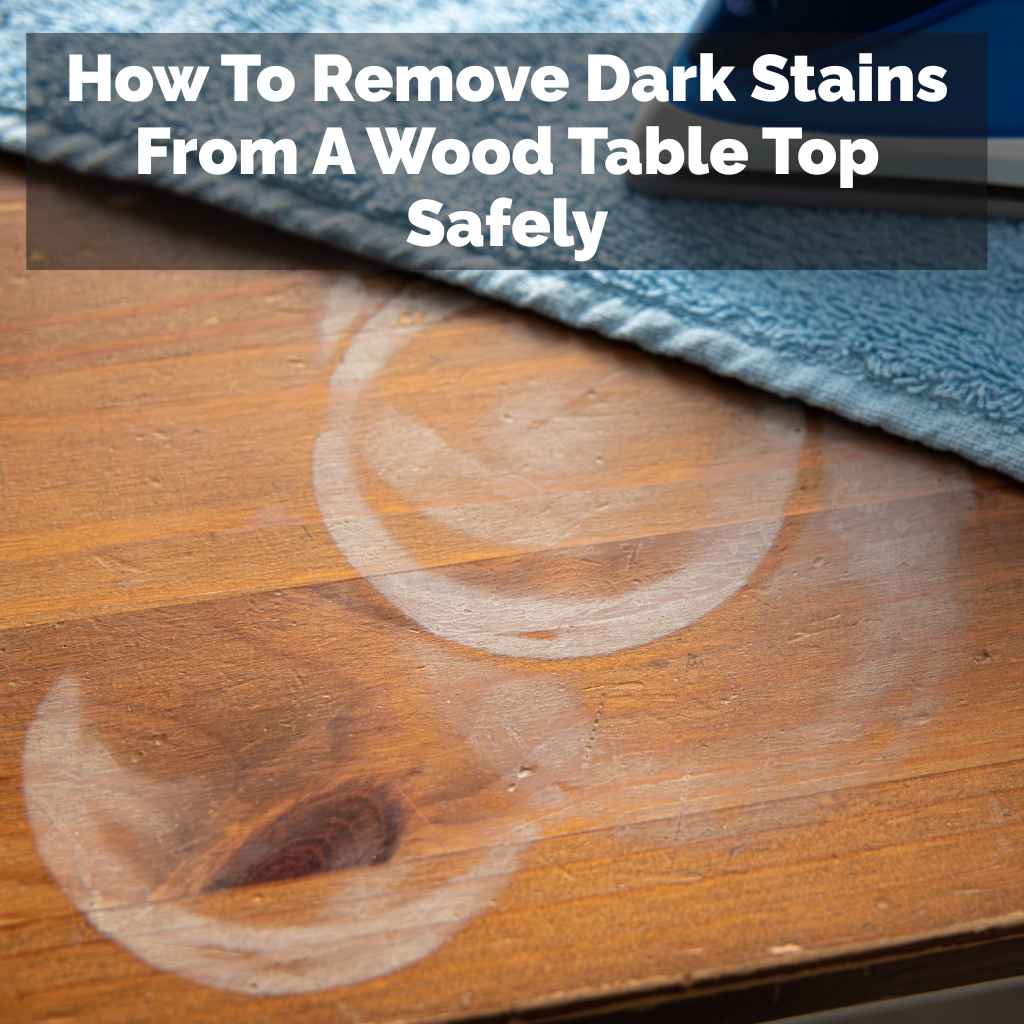
You’ve probably seen white rings from wet glasses. These are usually in the finish. They are often easy to fix.
But sometimes, water can soak deeper. If it reaches the wood itself, it can cause a dark stain. This is especially true if the finish is worn or cracked.
These dark water stains are harder to remove. They mean moisture has been there for a while.
Dark water stains mean the wood fibers themselves have absorbed water. This can swell the wood. When it dries, it leaves behind a dark mark.
It’s like a shadow left by the water. The longer the water sits, the deeper and darker the stain can get.
Heat Stains
Hot items like plates or mugs can leave marks too. Sometimes, they leave a white ring. But if the heat is intense enough, it can scorch the wood or its finish.
This scorching can turn into a dark, burned-looking stain. It’s like a permanent shadow from the heat.
These stains are tricky. They mean the finish might be damaged. The wood underneath could even be lightly burned.
You need to be very careful not to damage the finish further when trying to remove them. It’s a sign that hot items need coasters.
Food and Drink Spills
Things like coffee, tea, red wine, or even some fruits can cause dark stains. The pigments in these items can soak into the wood. This is especially true if the table isn’t sealed well.
The tannins in things like tea or wine are known for staining. They can dye the wood a dark color.
These spills are often acidic. They can eat away at the finish. Then, the color seeps into the bare wood.
If left for a long time, they become very stubborn. It’s like a dye has been absorbed into the wood fibers.
Metal or Chemical Stains
Metal objects left on a damp table can cause a reaction. Think of metal cans or even some toys. The metal can corrode.
This corrosion can then stain the wood. It’s often a dark, bluish-black mark. It’s a chemical reaction happening right on your table.
Cleaning products or even some pet accidents can also cause dark stains. Some cleaners are too harsh. They can strip the finish and then react with the wood.
Pet urine is also acidic and can cause deep, dark, and often smelly stains. These often require more than just surface cleaning.
Identifying Your Stain Type
Look closely: What color is the stain? Is it brown, black, bluish-black, or reddish? Does it have a ring shape?
Is it widespread?
Feel it: Is the stain raised or sunken? Does it feel sticky or dry?
Recall: What happened before the stain appeared? Was there a spill? Did you place a hot item there?
Was there moisture?
Wood Type: Different woods react differently. Lighter woods like maple show dark stains more. Darker woods like walnut might hide them better, but they can still be there.
Safe Removal Techniques: The Gentle Approach
When tackling dark stains, gentleness is your best friend. You want to remove the stain without damaging the wood or its finish. Harsh chemicals or aggressive scrubbing can cause more problems.
Think of it like a delicate rescue mission for your table.
Always start with the mildest method. Work your way up only if needed. Test any cleaning solution in an inconspicuous spot first.
This could be the underside of the table or a leg. This way, you can see how the wood reacts before applying it to the stain.
Step 1: The Mildest Cleaners
For many common dark stains, a simple cleaning solution is enough. This is where you start. It’s often the most effective and safest method.
Dish Soap and Water
This is the go-to for everyday cleaning. It’s incredibly gentle. Mix a few drops of mild dish soap with warm water.
Dip a soft cloth into the solution. Wring it out well. The cloth should be damp, not wet.
You don’t want excess water on the wood.
Gently wipe the stained area. Work in the direction of the wood grain. Don’t scrub hard.
If the stain starts to lift, great! Wipe away any soap residue with a clean, damp cloth. Then, dry the area thoroughly with a soft, dry cloth.
This simple method can often surprise you.
Mineral Oil or Olive Oil
For some types of stains, oil can help. It can lift certain residues. It also helps to condition the wood.
Apply a small amount of mineral oil or olive oil to a soft cloth. Gently rub it into the stain. Let it sit for a few minutes.
Then, buff it off with a clean, dry cloth. This works well for minor discoloration or scuffs. It’s especially good for finished wood.
It adds a nice sheen too. For really deep stains, this might not be enough. But it’s a safe first step.
Step 2: Slightly Stronger Solutions (Use with Caution)
If the mild cleaners don’t work, you can try slightly stronger options. Always test these first. And use them sparingly.
Baking Soda Paste
Baking soda is a mild abrasive. It can help lift stains without scratching too much. Mix baking soda with water to form a paste.
It should be thick but spreadable, like toothpaste. Apply a small amount of the paste to the stain.
Let it sit for a few minutes. Then, gently rub it in a circular motion with a soft cloth. Again, work with the wood grain.
Don’t scrub aggressively. Wipe away the paste with a damp cloth. Dry the area well.
This paste can lift surface stains and light discoloration. It’s especially good for grease or mild food stains.
Vinegar Solution (Diluted!)
White vinegar is acidic. It can help break down some stains. But it can also damage certain finishes if used too strong or too often.
Mix equal parts white vinegar and water. Dampen a soft cloth with this solution. Wring it out very well.
Gently wipe the stain. Don’t let the liquid sit on the wood. Wipe it clean with a damp cloth immediately.
Then dry thoroughly. This is best for stubborn food spills. Use it sparingly.
Always test it first. Some finishes can react poorly to vinegar.
Step 3: Dealing with Deeper or Stubborn Stains
When stains have penetrated the finish or the wood itself, you need more targeted methods. These are for when the surface clean has failed. These methods carry more risk.
Oxalic Acid (For Dark Water/Ink Stains)
Oxalic acid is a wood bleach. It’s effective for dark water stains and ink marks. You can buy it in crystal form at hardware stores.
Follow the manufacturer’s instructions carefully. You must wear gloves and eye protection. Work in a well-ventilated area.
You usually mix the crystals with water. Apply the solution to the stain using a cloth or brush. Let it work for a short time.
Then neutralize it. Neutralizing usually involves a baking soda and water solution. Rinse with clean water and dry thoroughly.
Oxalic acid can lighten the wood, so you might need to re-stain or refinish the area.
Steel Wool (Fine Grade, with Oil)
For very tough surface stains that baking soda can’t handle, very fine steel wool (#0000 grade) can be used. It’s extremely fine and won’t scratch most finishes if used correctly.
Dip the steel wool in mineral oil or lemon oil. Gently rub the stain. Work in the direction of the wood grain.
Apply minimal pressure. The oil acts as a lubricant. It helps lift the stain.
This method is best for scuffs and minor dark marks that haven’t gone deep. Wipe away residue and polish. Be very careful with this one.
Bleaching (Chlorine or Hydrogen Peroxide) – Last Resort
For extremely dark, deep stains, bleaching might be considered. Chlorine bleach or hydrogen peroxide can lighten the wood. But these are aggressive.
They can change the wood color significantly. They can also damage the wood fibers and finish.
This is a method best left to professionals or very experienced DIYers. You need to be meticulous about application and neutralization. It often requires refinishing the entire tabletop afterward to ensure an even color.
Use these with extreme caution. They are a true last resort.
Quick Scan: Stain Removal Guide
| Stain Type | Mildest First | Next Step | Advanced/Caution |
|---|---|---|---|
| Light Water Rings (White) | Hair dryer, iron + cloth | Mayonnaise, toothpaste | N/A |
| Dark Water Stains | Dish soap, mild cleaner | Baking soda paste | Oxalic acid, fine steel wool + oil |
| Heat Marks (Dark) | Dish soap, mild cleaner | Baking soda paste | Fine steel wool + oil (very carefully) |
| Food/Drink (Coffee, Wine) | Dish soap, mild cleaner | Baking soda paste, diluted vinegar | Oxalic acid (for set-in) |
| Ink/Dye Stains | Dish soap, mild cleaner | Baking soda paste | Oxalic acid, rubbing alcohol (test first) |
| Metal/Chemical Stains | Dish soap, mild cleaner | Baking soda paste | Fine steel wool + oil, oxalic acid |
| Pet Stains | Enzyme cleaner for pets | Baking soda paste | Enzyme cleaner specifically for wood |
Real-World Context: Why Stains Happen in Your Home
Understanding the environment where your table lives is important. Your daily habits can contribute to stains. Design choices also play a role.
It’s a combination of factors.
Moisture Management
Humidity in your home can affect wood. In humid months, wood can swell. In dry months, it can shrink.
This movement can cause finishes to crack or craze over time. Small cracks are entry points for moisture.
Spills are the most direct source of moisture. Leaving wet items on the table is a big no-no. This includes wet cloths, towels, or even plant pots.
Condensation from cold drinks is another common culprit. Always use coasters.
Heat Sources
Proximity to heat sources can also be an issue. Placing tables near radiators, fireplaces, or sunny windows can dry out the wood. This can lead to cracking and make it more susceptible to stains.
Direct sunlight can also fade or discolor wood over time.
Everyday Habits and Usage
Think about how you use your table. Is it a workspace? A craft area?
A dining table? Each use brings different risks. For example, using knives directly on the table surface, or resting hot pots without protection, will cause damage.
Children and pets add another layer of complexity. Spills are more frequent. Little hands might not always clean up immediately.
Pets can have accidents or scratch surfaces. Recognizing these habits helps you adapt your cleaning and protection strategies.
The Finish Matters
The type of finish on your table is crucial. Polyurethane finishes are very durable. They offer good protection against stains.
Varnish is similar. Oil finishes are beautiful but require more upkeep. They are less resistant to water and stains.
Wax finishes are the least protective. They offer a nice sheen but are easily damaged by water and heat. Older tables might have shellac or lacquer.
These are beautiful but can be sensitive to alcohol and heat. Knowing your finish helps you choose the right cleaning product.
What Stood Out in My Home
Observation: My kitchen table got dark rings. They looked like water stains.
Habit: I often put my hot coffee mug down without a coaster. My kids would leave wet washcloths on it.
Realization: The finish was worn on the edges. This let moisture get in.
Action: I started using coasters religiously. I wiped up spills immediately. I planned to re-finish it soon.
What This Means for Your Table
Seeing a dark stain can be worrying. But understanding these factors helps. It’s about knowing when it’s a minor issue and when it’s serious.
When a Stain is Just a Stain
Most dark stains are surface-level. They are caused by spills that weren’t wiped up quickly. Or by condensation from glasses.
These are usually fixable with the gentle methods we discussed.
A stain that is only in the finish, or just slightly into the top layer of wood, is typically manageable. If the wood color looks uniformly dark in one spot, it’s likely a stain. It hasn’t caused structural damage to the wood itself.
When to Worry (and What to Check)
You should worry if the stain is very deep. If the wood feels soft or crumbly in that spot, that’s a red flag. It could mean rot or mold.
This is especially true for stains that have been there a long time, or if you suspect a major water leak.
Check the underside of the table. Is there any sign of mold or mildew? Does the wood feel spongy?
If so, the problem might be more than a surface stain. It could be a sign of decay. You might need to consult a wood restoration expert.
Another sign to worry about is if the stain is accompanied by cracking or warping of the wood. This indicates the wood has absorbed too much moisture and is physically changing. This requires professional assessment.
Simple Checks You Can Do
The Fingernail Test: Gently try to scrape the edge of the stain with your fingernail. If it lifts easily, it might be just in the finish. If it feels like you’re scraping the wood itself, it’s deeper.
The Damp Cloth Test: Wipe the area with a slightly damp cloth. If the stain lightens or seems to come off, it’s likely a surface issue. If it doesn’t change at all, it’s probably absorbed into the wood or finish.
The Smell Test: Some stains, like pet accidents or old water damage, can have a musty or sour odor. If you notice this, it suggests a deeper, potentially more serious problem.
When to Call a Pro
- Deep, widespread discoloration that doesn’t budge with gentle cleaning.
- Signs of rot, mold, or mildew.
- Wood feels soft, spongy, or damaged.
- Large cracks or warping of the tabletop.
- You’re unsure of the wood type or finish.
- The table is a valuable antique.
Quick Fixes and Preventative Tips
Once you’ve dealt with a stain, or to prevent them from happening, a few habits go a long way. It’s about building a good relationship with your furniture.
Protect Your Surface
Coasters are Crucial: Always use coasters for drinks, hot or cold. It’s the simplest way to avoid water rings and heat marks.
Trivets for Hot Items: Use trivets or pot holders for hot dishes. Don’t rely on the finish to protect the wood from heat.
Mats for Activities: If you use your table for crafts or projects, lay down a protective mat or old sheet. This guards against spills, scratches, and stains from art supplies.
Cleaning Routine
Wipe Spills Immediately: Don’t let spills sit. Blot them up with a soft cloth as soon as they happen. This is the single most important thing you can do.
Regular Dusting: Dust your table regularly with a soft, dry cloth. This prevents grit from scratching the finish.
Occasional Cleaning: Wipe down the table with a slightly damp cloth (well wrung out) periodically. Follow up with a dry cloth. For finished tables, a good wood cleaner or polish can be used every few months.
Maintenance of the Finish
Reapply Oil/Wax (if applicable): If your table has an oil or wax finish, it will need regular reapplication to maintain protection. Follow the product’s instructions.
Refresh Polyurethane: For polyurethane finishes, a gentle cleaner and occasional polish are usually enough. Deep scratches might require touching up with a stain pen or more extensive refinishing.
Avoid Harsh Chemicals: Never use abrasive cleaners, ammonia-based products, or strong solvents on your wood table. These can strip the finish and damage the wood.
My Top 3 Prevention Habits
1. Coaster Rule: Every glass, mug, or bottle gets a coaster. No exceptions.
I even put them out when guests visit. It’s become second nature.
2. Spill Patrol: I keep a soft cloth handy. If anything spills, I grab it right away.
A quick wipe prevents most stains.
3. Trivet Time: Hot pans are a big no-no directly on the wood. My trivets are always ready.
It’s a small step that saves big trouble.
Frequent Questions About Dark Wood Table Stains
What is the fastest way to remove a dark stain from a wood table?
For many surface stains, a paste of baking soda and water can work quickly. Apply it to the stain, let it sit briefly, and gently rub it off with a soft cloth. Always wipe clean with a damp cloth and dry immediately.
For deeper stains, there isn’t always a “fast” fix, and gentler methods are safer.
Can I use bleach to remove dark stains from my wood table?
Chlorine bleach is very strong and can damage the wood and its finish. It might lighten the stain, but it can also discolor the wood unevenly. Hydrogen peroxide is a milder bleach and might be a better option for certain stains, but it should still be used with extreme caution and tested in an inconspicuous area first.
Often, oxalic acid is a safer choice for dark water or ink stains.
How do I know if a dark stain is in the finish or the wood itself?
If the stain is only in the top layer of the finish, it might look like a cloudy or discolored spot. Gentle cleaners or even fine steel wool with oil might lift it. If the stain appears to be part of the wood’s color and doesn’t change with light surface cleaning, it has likely penetrated the finish and stained the wood fibers.
Deeper stains require more intensive treatments.
My table has dark water rings. What should I do?
For white water rings, which are in the finish, you can try gently warming the area with a hairdryer on a low setting, or placing a warm iron over a cloth on the ring for a few seconds. For dark water stains, which have penetrated deeper, a baking soda paste or oxalic acid may be needed. Always test any method first.
What’s the best way to clean dark stains from an antique wood table?
Antique tables are delicate. Always start with the mildest cleaning methods, like a damp cloth with mild soap. If that doesn’t work, proceed with caution to baking soda paste.
Avoid harsh chemicals, vinegar, or aggressive scrubbing. For valuable antiques, it’s often best to consult a professional furniture restorer to avoid causing irreversible damage.
Can olive oil remove dark stains from wood tables?
Olive oil can help lift some surface stains and condition the wood. It’s particularly useful for minor discoloration or scuffs. Apply a small amount to a cloth and rub the stain gently.
Then buff it off. It might not remove deep, set-in stains, but it’s a safe method to try for lighter issues. Follow up with a dry buffing.
Conclusion and Final Thoughts
Tackling dark stains on your wood table can seem daunting, but it’s usually manageable. By understanding the cause, you can choose the right approach. Always start gentle.
Test products first. Patience is key.
Remember that prevention is easier than cure. Coasters, mats, and quick clean-ups will save you a lot of worry. Your table can look beautiful again with a little care and the right techniques.
Enjoy your restored surface!
Sponsored / affiliate links. As an Amazon Associate I earn from qualifying purchases. I may earn additional commission from eligible campaigns.