Semi-Solid Stain vs Solid Stain: Which Lasts Longer?
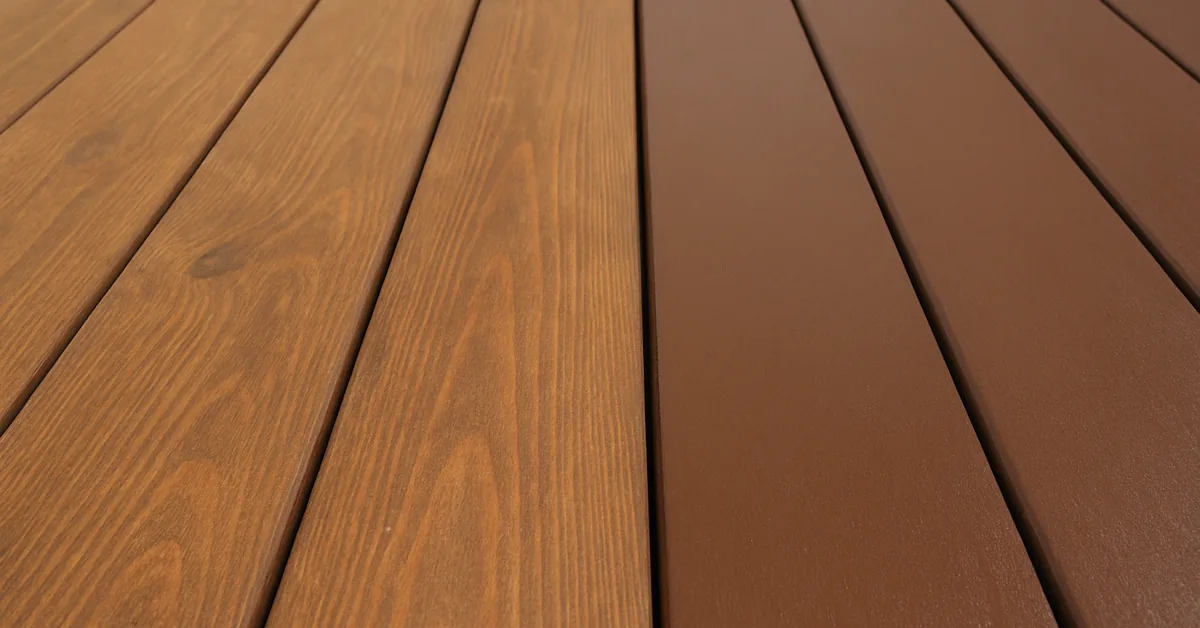
Semi-solid stain lets wood grain show through a tinted color coat, while solid stain covers wood completely like thin paint — but solid stain typically starts cracking or peeling within 2 to 4 years, unless the surface is fully re-prepped first. Picking the wrong one on an already-weathered deck can mean redoing the job next season. This guide compares grain visibility, UV protection, reapplication timing, and the best surface for each type.
Quick Answer
Choose semi-solid stain if your deck or fence wood is in good condition and you want the grain to stay visible. Choose solid stain if the wood is older, patched, or already painted — its thicker, paint-like coverage hides imperfections but needs recoating sooner than semi-solid on high-wear surfaces.
Semi Solid Stain Features
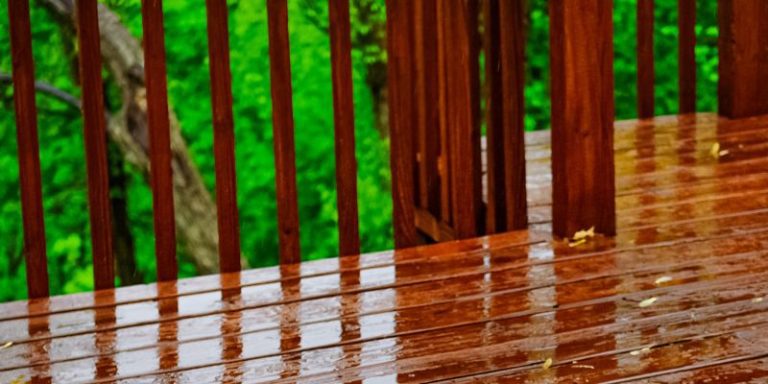
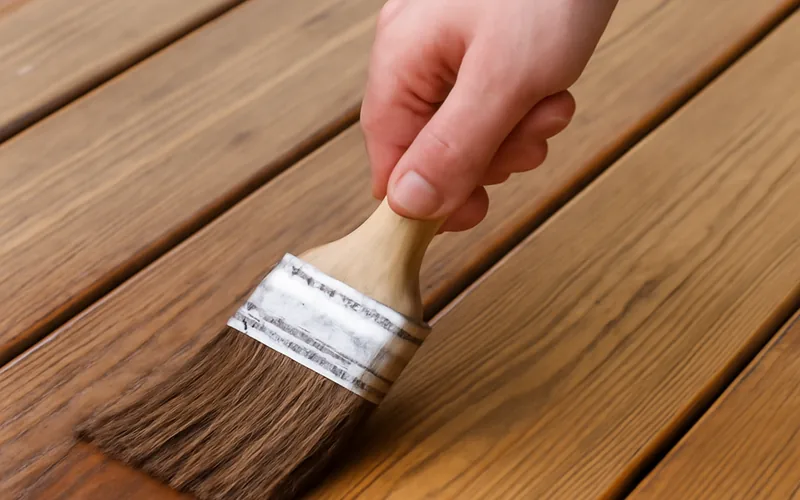
Semi solid stains offer a range of color choices while still letting the wood’s natural grain show through — it’s essentially a blend of paint pigment and penetrating stain oil. Because some of the underlying grain remains visible, each shade looks slightly different from board to board.
Semi solid stains enhance the wood grain rather than hiding it, so the surface reads as richer and more textured than a fully opaque finish. It still forms a protective layer against moisture and UV exposure, just a thinner one than solid stain.
Solid Stain Characteristics
Solid stain offers complete coverage for wood surfaces, hiding the grain and any surface imperfections underneath a uniform color — similar to a thin coat of paint. This makes it a common choice for aged or damaged wood that no longer looks good with a translucent finish.
Solid stain provides strong protection against moisture and UV rays because it forms a thicker film on top of the wood rather than soaking in. That same surface-level film is also its main weakness: unlike penetrating stains, it can crack and peel once it starts to fail, instead of just fading evenly.
📊 Solid-color deck stain typically starts cracking or peeling within 2 to 4 years of application, because it forms a film on the wood surface instead of penetrating it — Source: Ready Seal, 2026
Best Semi-Solid Deck Stain Pick
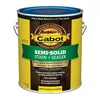
Cabot Semi-Solid Wood Stain + Sealer – $54.98
A low-VOC semi-solid formula that keeps the grain visible the way this guide’s “Semi Solid Stain Features” section describes, while still sealing against moisture.
- Best for: decks and fences still in good condition where you want grain visible
- Why we picked it: stain-and-sealer in one coat, widely available brand with many color options
- Main drawback: needs reapplication sooner than solid stain on high-traffic surfaces
Compare more deck stain options
 Option 1 – Solid DEFY Solid Color Wood Stain – $66.96
|
 Option 2 – Solid Olympic Maximum Solid Stain – $41.86
|
 Option 3 – Semi-Solid Armstrong-Clark Semi-Solid – $94.95
|
As an Amazon Associate we earn from qualifying purchases.
Semi-Solid Vs Solid Stain Comparison Table
| Feature | Semi-Solid Stain | Solid Stain |
|---|---|---|
| Wood grain visibility | Partially visible | Fully hidden |
| Best surface condition | Good condition, minor wear | Aged, patched, or previously painted |
| UV / moisture protection | Moderate — thinner film | Strong — thicker film |
| Failure mode over time | Fades, needs reapplication | Can crack or peel (2–4 yrs) |
| Application difficulty | Easier, fewer coats | Needs more prep and coats |
Comparing Aesthetic Appeal
Semi-solid stain offers a more natural look since wood grain peeks through the color, which many homeowners prefer for outdoor spaces that should still look like wood rather than a painted surface.
Solid stain, on the other hand, gives a uniform finish that covers the wood completely, making surfaces look smooth and even — a better fit for a clean, modern look on decks and fences where grain isn’t the priority.
Application Process Differences
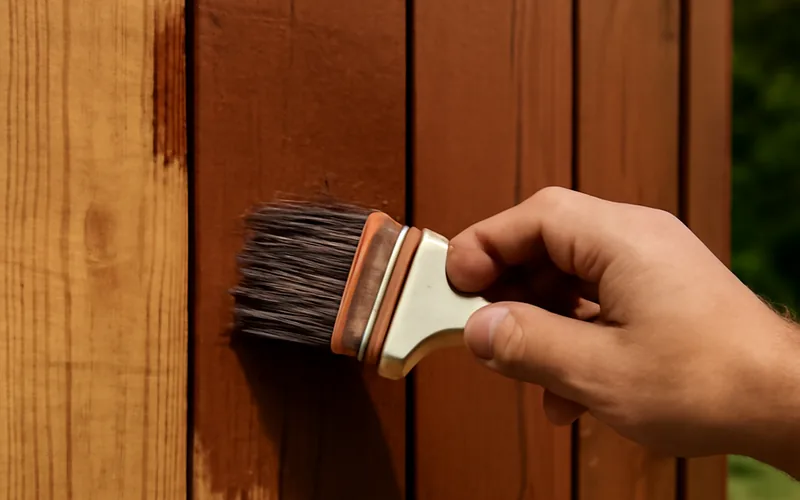
Semi-solid stain is easier for beginners because it goes on smoothly and forgives uneven brush strokes. Solid stain is thicker and needs more care and practice, since brush marks stay visible in the opaque film if it’s applied unevenly.
Preparation matters for both: surfaces must be clean and dry before either product goes on. Semi-solid stain generally needs fewer tools and less time; solid stain needs more coats, more prep, and more patience between coats.
Environmental Considerations
Semi-solid stains often contain fewer solid pigments and let the wood breathe more than a full-film finish. Solid stains use more pigment and form a continuous film, which affects how the surface handles moisture vapor moving through the wood.
Some brands offer water-based, lower-VOC formulas in both semi-solid and solid lines — check the product label for a low-VOC or eco-certification claim rather than assuming based on stain type alone.
Cost Implications
Semi-solid stains generally cost less per gallon and need fewer coats, which lowers the upfront cost. Solid stains often cost more per gallon and need additional prep and coats, but the thicker film can mean fewer touch-ups on heavily worn surfaces in the first year or two.
Initial Investment
Semi-solid stain usually costs less upfront since it needs fewer coats and less surface prep. Solid stain needs more coats and more prep work, which raises the initial cost — but it also gives more durability on badly weathered wood that semi-solid stain wouldn’t cover well anyway.
Long-Term Costs
Solid stain can protect a surface for longer between coats, but when it does fail it needs full stripping and re-prep rather than a simple recoat — semi-solid stain’s simpler reapplication can offset its shorter interval. Factor both the reapplication interval and the labor to redo the surface when comparing long-term cost.
Ideal Uses For Each Stain Type
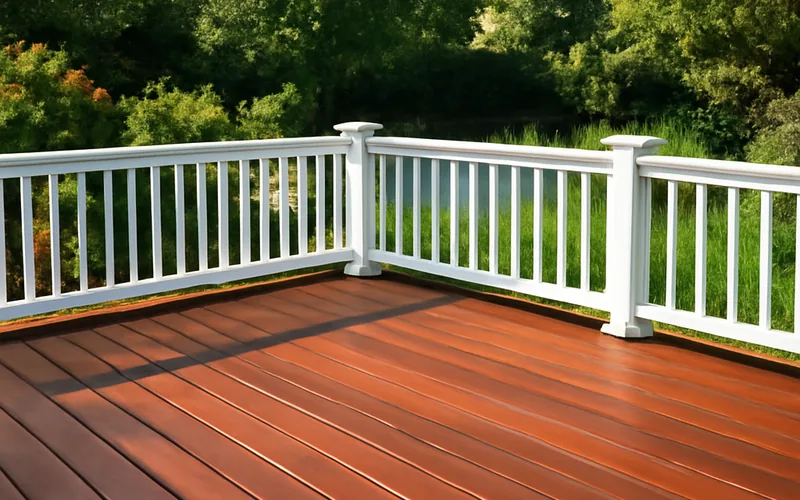
Semi-solid stain enhances wood grain while providing moderate protection, making it a good fit for decks and fences in decent condition. Solid stain hides imperfections and offers thicker protection, making it a better fit for siding, trim, and older or previously painted wood.
Best Surfaces For Semi-Solid Stain
Semi-solid stains work well on wood surfaces still in good shape — fences, decks, and outdoor furniture where some grain should stay visible. It gives a more rustic, natural look than paint while still fighting weather and sun damage, and it adds depth to wood textures rather than flattening them.
Optimal Applications For Solid Stain
Solid stain covers wood like a thin coat of paint, hiding most of the grain — a good match for old, patched, or previously painted wood. It protects well against rain and sun and holds up on high-traffic areas like siding and walkways where a uniform color matters more than a natural wood look.
User Preferences And Lifestyle
Choosing between semi-solid and solid stain often comes down to lifestyle and maintenance tolerance as much as looks. If you’ve already painted a fence solid before, staying with solid stain avoids a full strip-and-restart.
Personal Taste
Some homeowners love the clean, uniform look of solid stain; others prefer seeing the wood’s natural grain through a semi-solid finish. Neither is objectively better — it depends on whether you want the wood to still look like wood.
Maintenance Willingness
Solid stain needs less frequent recoating under normal wear, but a failed solid-stain surface requires full stripping to fix. Semi-solid stain needs more frequent touch-ups, but each touch-up is simpler — just clean and recoat, no stripping required.
Frequently Asked Questions
What is the difference between semi-solid stain and solid stain?
Semi-solid stain shows some wood grain through a tinted color coat, while solid stain covers the grain completely like a thin coat of paint. Both protect wood from weather, but the choice depends on how much grain visibility you want and the wood’s current condition.
Which stain lasts longer, semi-solid or solid?
Solid stain generally resists UV and moisture longer per coat because of its thicker film, but that same film can crack or peel within 2 to 4 years and then needs full stripping. Semi-solid stain needs more frequent touch-ups, but each one is a simple recoat.
Can you change the color easily with solid stain?
Yes. Solid stain’s opaque, paint-like coverage makes it easy to change to a different color since it fully hides whatever is underneath. Semi-solid stain shows some of the previous color or grain through the new coat, so color changes need more prep work.
Is semi-solid stain better for decks?
Semi-solid stain is a better fit for decks that are still in good condition and where you want the wood grain to stay visible. Solid stain is the better pick once a deck is old, patched, or already painted, since it hides those imperfections instead of highlighting them.
Can you put semi-solid stain over solid stain?
No — semi-solid stain relies on penetrating oils that need to soak into bare wood, and solid stain’s film-forming coat blocks that absorption. Applying semi-solid over solid typically leaves the new coat sitting on the surface, causing poor adhesion and stickiness until it’s sanded off.
Does solid stain crack or peel more than semi-solid stain?
Yes. Because solid stain sits on top of the wood as a film rather than soaking in, it’s prone to cracking and peeling, typically within 2 to 4 years. Semi-solid and other penetrating stains fade gradually instead, which is easier to touch up.
Conclusion
Choosing between semi-solid and solid stain comes down to your wood’s current condition and how much upkeep you’re willing to do. Semi-solid stain keeps the grain visible and suits decks and fences still in good shape; solid stain hides imperfections and suits older, patched, or previously painted wood.
Both protect against weather when applied correctly — the real tradeoff is between solid stain’s thicker, longer-lasting film that eventually needs full stripping, and semi-solid stain’s simpler recoat cycle. Match the stain to your wood’s condition and your maintenance tolerance, not just the look you prefer. Browse more wood stain guides before you buy if you’re still deciding between finishes.
Sponsored / affiliate links. As an Amazon Associate I earn from qualifying purchases. I may earn additional commission from eligible campaigns.