Stain or Paint Pressure-Treated Wood? (6-Week Dry Rule)
Stain outperforms paint on most pressure-treated wood projects — it penetrates the grain and won’t peel — but paint forms a thicker, UV-blocking shield once the wood is fully cured. Applying either coating before moisture content drops below 15% causes bubbling and peeling. This guide covers the water-bead dryness test, how long each finish actually lasts, and which one wins for decks versus trim.
Quick Answer
Stain is the better choice for pressure-treated decks and fences — it soaks into the wood, lets it breathe, and won’t crack or peel. Paint suits vertical trim and railings better and offers more color options, but only after the wood is fully dry and primed. Wait until moisture content reads 15% or lower before applying either.
Introduction To Pressure Treated Wood
Pressure-treated wood is lumber forced through a high-pressure cylinder with wood preservative chemicals so they penetrate deep into the fibers, not just the surface. That treatment is what makes it resist rot and insect damage well enough for decks, fences, and playground structures left outdoors year-round.
📊 Since the EPA-driven phase-out of arsenic-based CCA treatment for residential lumber took effect on December 31, 2003, nearly all pressure-treated wood sold for U.S. decks, fences, and playsets today uses copper-based preservatives like ACQ instead. — Source: EPA, Chromated Arsenicals (CCA)
That chemical treatment protects the wood itself, but it does nothing for appearance and only partly slows surface weathering — which is why most owners still finish it with one of our wood staining guides and techniques. If cost is the bigger concern for your project, our guide to budget-friendly pressure-treated lumber breaks down where the savings actually are.
Staining Pressure Treated Wood
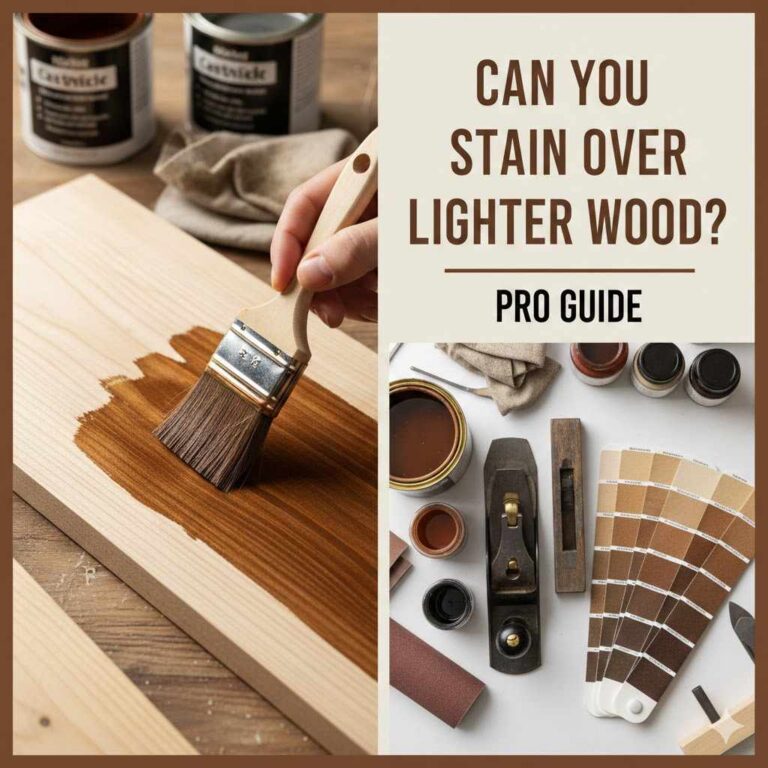
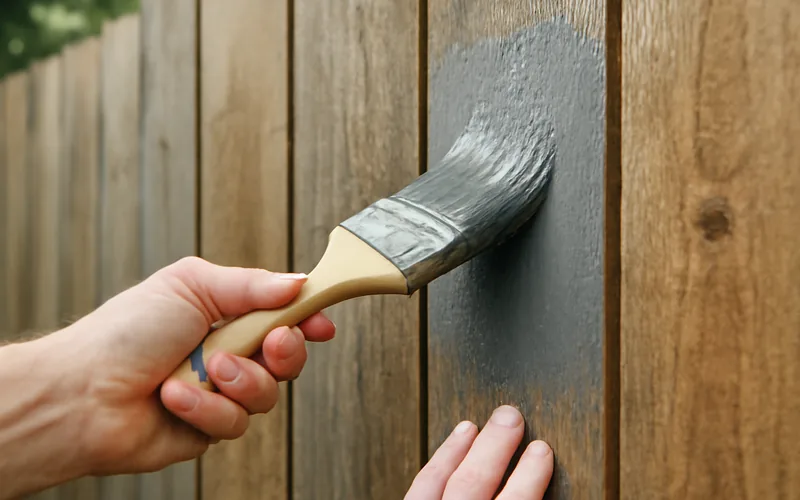
Stain penetrates into the wood fibers instead of sitting on top, so the natural grain still shows through and the wood can keep breathing — meaning trapped moisture escapes instead of pushing the finish off. Stain also touches up easily since there’s no old coating to strip first.
The tradeoff is maintenance frequency: stain typically needs reapplication every 1 to 3 years depending on sun exposure and foot traffic, versus the longer stretches paint can go before it needs attention. Semi-transparent stain strikes the best balance for pressure-treated lumber — enough color to even out the wood’s tone without hiding the grain completely.
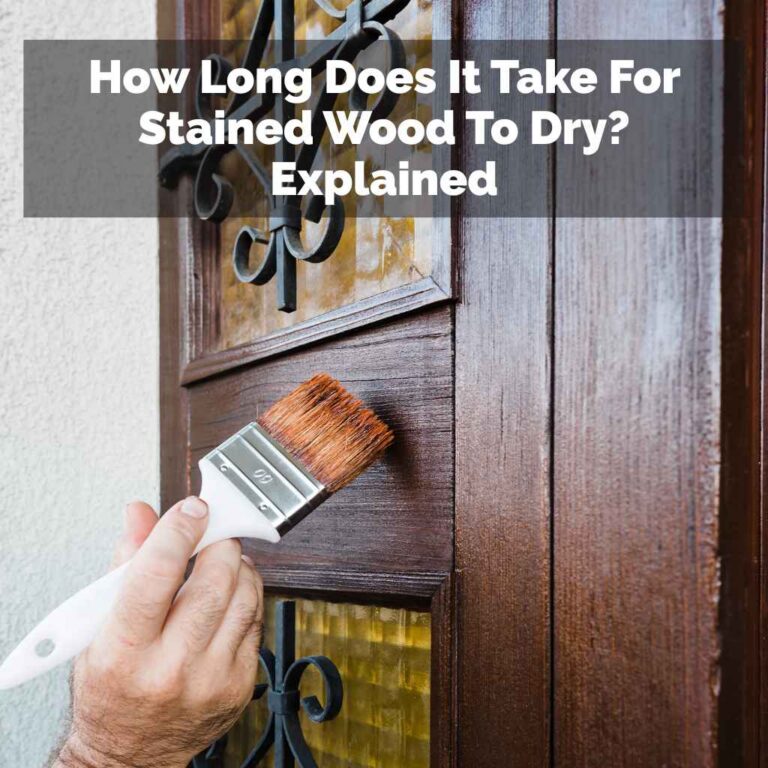
“Ideally, you’ll want to stain pressure treated wood within six weeks after construction so long as the wood is sufficiently dry.”
Best Stain Pick For Pressure-Treated Wood
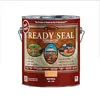
Ready Seal Exterior Wood Stain & Sealer (1 Gal) – $40.98
A semi-transparent, self-priming stain-and-sealer combo — matches the “clean once, dry, apply one coat” prep steps this guide walks through, with no separate sealer step needed.
- Best for: New or weathered pressure-treated decks and fences
- Why we picked it: No-lap, no-backbrushing formula suits the wide horizontal boards this guide recommends stain for
- Main drawback: Semi-transparent tones vary by wood species — test a hidden board section first
Compare more semi-transparent stain options
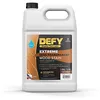 Option 1 DEFY Extreme Semi-Transparent Stain & Sealer (1 Gal) – $51.37
|
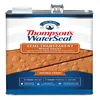 Option 2 Thompson’s WaterSeal Semi-Transparent Stain (1 Gal) – $29.76
|
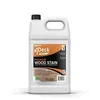 Option 3 SaverSystems #1 Deck Premium Semi-Transparent Stain (1 Gal) – $37.99
|
As an Amazon Associate we earn from qualifying purchases.
Painting Pressure Treated Wood
Paint gives a solid, opaque finish in virtually any color and hides surface flaws, knots, or the wood’s natural green treatment tint completely. Once cured, it also forms a thicker moisture and UV barrier than stain does.
That thicker layer is also paint’s weak point on pressure-treated lumber: if the wood wasn’t fully dry and primed first, paint bonds to trapped surface moisture instead of the wood, and it bubbles, cracks, and peels as that moisture works its way out. Removing failed paint from treated lumber is far more labor-intensive than re-coating stain.
Factors To Consider
The right call comes down to where the wood sits, your climate, and the look you want — not just personal preference. The comparison below covers the factors that actually change the answer.
| Factor | Stain | Paint |
|---|---|---|
| Reapplication needed | Every 1–3 years | Every 2–4 years, sooner if it peels |
| Best surfaces | Decks, fences, horizontal boards | Trim, railings, vertical surfaces |
| Prep required | Clean, dry to ≤15% moisture | Clean, dry to ≤15% moisture, plus primer |
| Appearance | Shows natural wood grain | Solid opaque color, hides flaws |
Climate And Weather Conditions
Humid, wet climates favor stain because it lets the wood breathe — paint’s thicker film traps moisture underneath in damp conditions, and trapped moisture speeds up rot even on treated lumber. Dry climates give you more flexibility to choose either finish based on looks alone, though direct sunlight will still fade both over time.
Desired Aesthetic
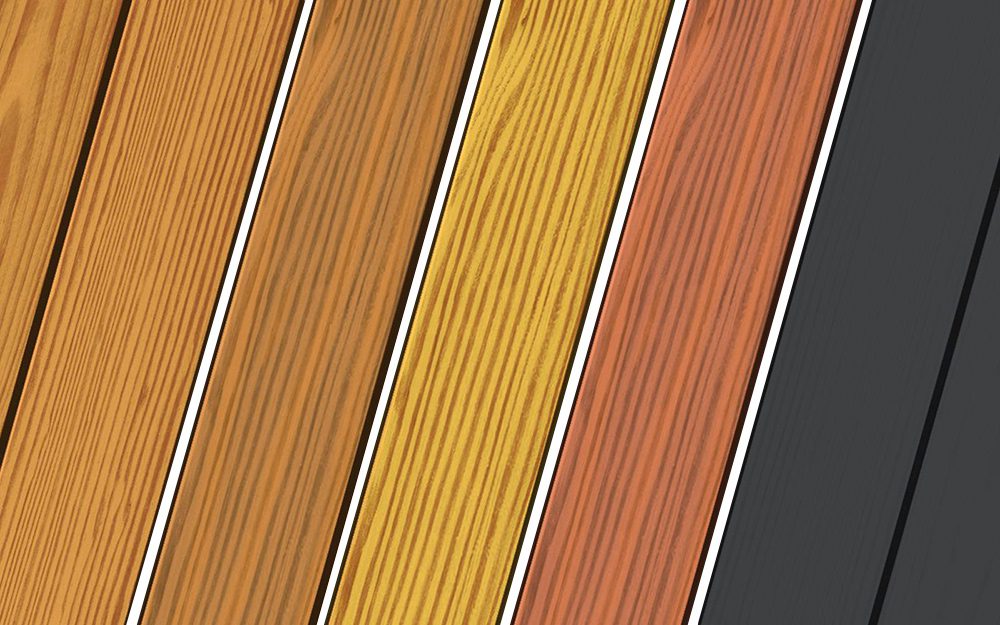
Stain keeps the wood looking like wood — ideal for a natural or rustic style, and available in tones from nearly clear to solid-body color. Paint covers the surface completely for a clean, uniform, modern look and can mask the wood’s natural brown-versus-green treatment coloring; see our brown vs. green pressure-treated wood comparison if that color variation is part of your decision.
Prefer to skip color changes altogether? A clear penetrating sealer protects the wood without altering its appearance much — our guide on whether you need to seal pressure-treated wood covers when that’s the better call than stain or paint.
Preparation Steps
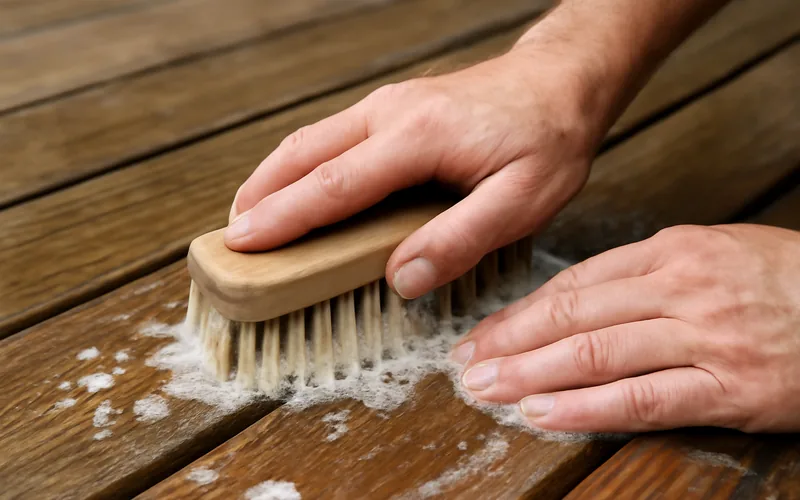
Scrub the wood with a stiff brush and mild soap, then rinse thoroughly and let it dry completely. Sand away any old finish, raised grain, or rough spots so the new coat can bond evenly — skipping this step is a common reason stain or paint looks patchy.
Don’t guess the drying time by the calendar. Sprinkle water on the bare wood: if it soaks in within about 10 minutes, the wood is dry enough to finish. If the water beads up or pools, wait longer and retest every few days. Depending on climate, that can take anywhere from 2 to 6 weeks in hot, dry weather up to about 6 months in humid regions — see our full breakdown of how long to wait before painting pressure-treated wood for climate-by-climate timing.
Application Techniques
Tools Needed
You need basic, inexpensive supplies for either finish: a paintbrush or roller, sandpaper, a drop cloth, a paint tray, a stir stick, gloves, and a mask to limit fume exposure while you work.
Step-by-Step Guide
- Clean the wood: Scrub with mild soap and water using a stiff brush, then rinse thoroughly.
- Let it dry: Confirm dryness with the sprinkle test above before moving on — don’t rely on a fixed number of days alone.
- Sand rough spots: Smooth raised grain, splinters, or old finish with fine-grit sandpaper.
- Stir the product: Mix stain or paint thoroughly so pigment doesn’t settle unevenly in the can.
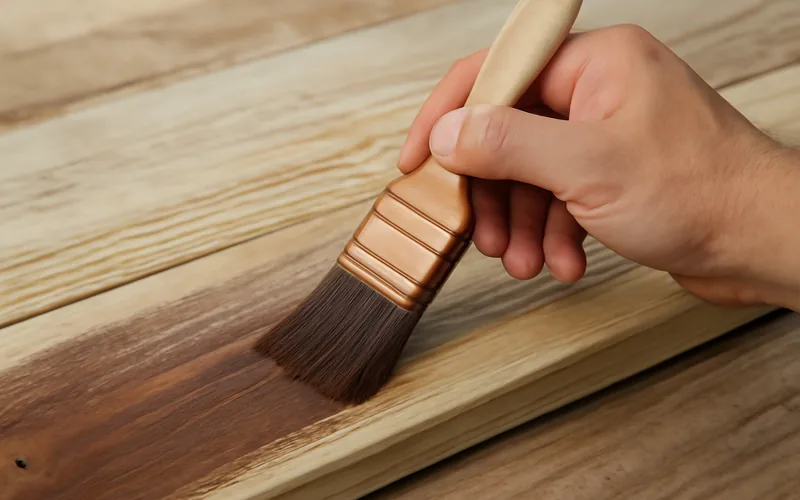
- Apply a thin first coat: Brush or roll with the wood grain, avoiding pooling in joints and corners.
- Let it cure: Wait the time listed on the product label before recoating — usually several hours.
- Apply a second coat if needed: Rough-sawn lumber and solid-color finishes often need it for even coverage.
Maintenance And Longevity
Sweep off dirt and leaves regularly and wash the wood with mild soap and water a few times a season to prevent mold and mildew from taking hold, especially in shaded or damp spots.
Inspect the wood periodically for cracks, splinters, or loose fasteners, and replace damaged boards promptly — wood filler can handle small cracks, but touch up the repaired area with matching stain or paint so it weathers evenly with the rest of the surface.
Expert Tips And Recommendations
Always prep before you finish: clean the wood, let it dry fully, and never skip primer if you’re painting — primer is what actually gives paint something to grip on treated lumber. Cheap stain or paint won’t outperform proper prep, so budget for a quality product and follow the label’s coverage and dry-time instructions rather than rushing the job.
Frequently Asked Questions
What Is Better For Pressure Treated Wood, Stain Or Paint?
Stain is usually the better choice for pressure-treated wood because it penetrates the fibers, lets the wood breathe, and won’t crack or peel the way paint can. Paint provides a thicker barrier and more color options but needs a fully dry, primed surface to avoid peeling.
Can You Paint Pressure Treated Wood Immediately?
No. Freshly pressure-treated lumber holds too much moisture for paint or stain to bond properly. Wait until the wood’s moisture content drops to about 15% or lower — commonly 2 to 6 weeks in hot, dry climates or up to 6 months in humid regions — before applying either.
How Long Does Pressure Treated Wood Last With Stain?
The pressure-treated wood itself typically lasts 20 or more years thanks to its chemical treatment, but the stain finish on top needs reapplication every 1 to 3 years to keep protecting against UV and moisture. Skipping reapplication won’t rot the wood immediately, but it will fade and weather faster.
Does Staining Pressure Treated Wood Prevent Rot?
Not on its own. The wood’s rot resistance comes primarily from the pressure-treatment chemicals, like ACQ, used at the mill. Stain adds a secondary layer of protection by repelling surface moisture and blocking UV damage, which helps the treated wood perform even better long-term.
How Long Should You Wait Before Staining Or Painting Pressure-Treated Wood?
Test it instead of guessing by the calendar. Sprinkle water on the surface — if it soaks in within 10 minutes, the wood is dry enough; if it beads up, wait longer. Most lumber is ready in 2 to 6 weeks in hot, dry weather, but can take up to 6 months in humid climates.
Do You Need To Prime Pressure Treated Wood Before Painting?
Yes. Skipping primer is one of the most common reasons paint peels off pressure-treated wood within a year. Use a stain-blocking exterior primer rated for treated lumber, and only after the wood has dried to roughly 15% moisture content or lower.
Is Stain Or Paint Better For A Deck Versus A Fence?
Stain is generally the better pick for both, since decks and fence tops are horizontal surfaces where standing water collects and paint tends to trap that moisture and peel faster. Paint holds up somewhat better on vertical fence pickets and rails that shed water more easily.
Conclusion
Choosing between stain and paint for pressure-treated wood comes down to the surface, your climate, and how much natural grain you want visible. Stain wins for decks, fences, and anywhere standing water is a risk; paint holds its own on primed, fully dry trim and railings. Either way, confirm the wood is dry with the sprinkle test before you start — that single step prevents most of the peeling and bubbling complaints people run into.
Sponsored / affiliate links. As an Amazon Associate I earn from qualifying purchases. I may earn additional commission from eligible campaigns.