How To Remove Water Stains From A Coffee Table Fast
Removing water stains from a coffee table often involves simple household items. Quick action is key for fresh, white stains. For older, darker marks, different methods are needed.
Patience and the right approach can restore your table’s beauty. This guide covers common materials like wood, glass, and laminate.
Understanding Coffee Table Water Stains
Water stains happen when moisture seeps into or onto a surface. There are two main types people see on coffee tables. White rings are the most common.
These are usually fresh. Water has gotten into the finish of the wood. It hasn’t gone all the way through yet.
Dark rings are more serious. This means water has gone deeper. It might have stained the wood itself.
Or it could mean the finish is damaged beyond simple repair. Sometimes, it’s just a residue left behind from something wet sitting there. Knowing the type helps pick the right fix.
Why do they appear so quickly? Wood finishes, like varnish or lacquer, are not always waterproof. Small spills or even humid air can affect them.
Condensation from glasses is a big culprit. Kids leaving wet toys or a forgotten damp cloth can also cause them. Your table might be older.
Its finish might be worn thin in places. This makes it more open to damage. Even just placing a wet plant pot on it can leave a mark.
Understanding the cause helps prevent future issues. But for now, let’s focus on fixing what’s there.
Different materials need different care. A glass table is easiest. You can usually just wipe it clean.
But wood tables are trickier. They soak up moisture. Metal or laminate tables have their own needs.
It’s important to know what your table is made of. This guide will touch on common materials. But always test any method in a hidden spot first.
This way, you won’t accidentally damage a larger area. It’s a small step that can save a lot of worry.
My Coffee Table Disaster Story
I remember one rainy Tuesday. I was trying to finish a work project. My favorite mug of tea was steaming beside my laptop.
Suddenly, my cat, Mittens, decided to chase a dust bunny. She leaped onto the coffee table. The mug tipped over.
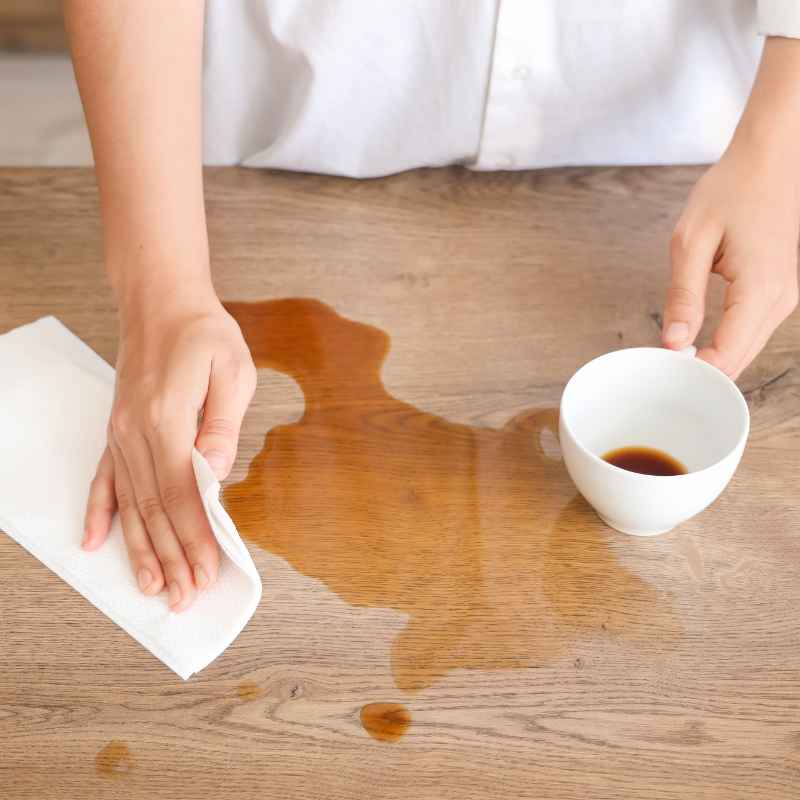
Hot tea splashed everywhere. Most of it landed on the table. I jumped up, grabbed a napkin, and wiped it fast.
Or so I thought. The tea was gone. But as the wood dried, I saw them.
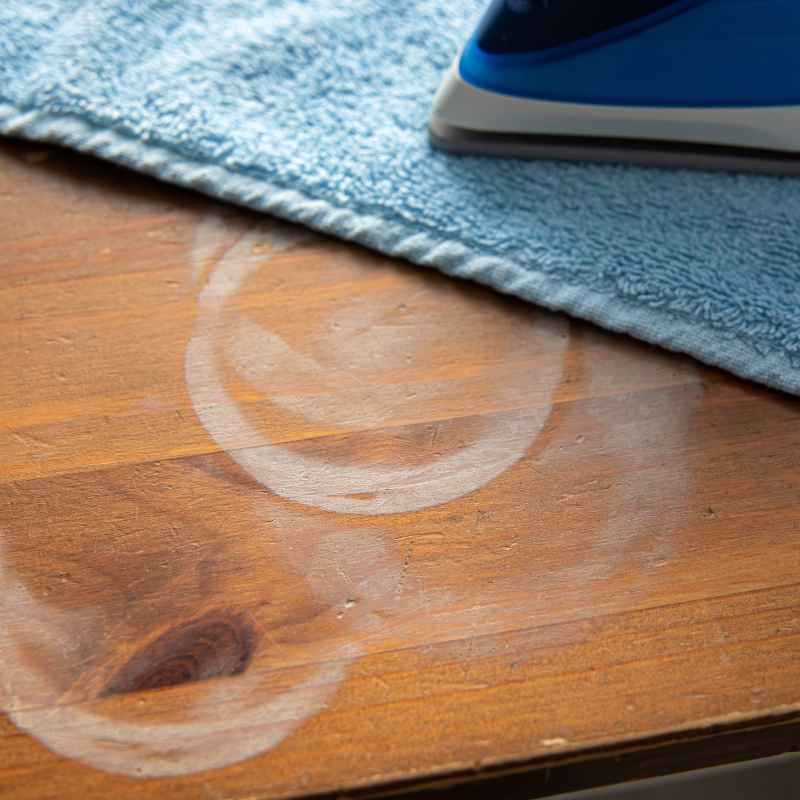
Not just one, but three clear, white rings. Panic set in. That table was a gift.
I thought I’d ruined it. I spent the next hour Googling frantically. Most advice seemed too risky.
I was so worried about making the rings worse. I finally tried a trick with a hairdryer and a cloth. It took forever, but slowly, the rings faded.
It was a huge relief. That day taught me how quickly damage can happen. It also showed me that simple fixes can work wonders with a little patience.
White Water Rings: The Surface Surprise
What they are: These are usually fresh, white marks on wood furniture. They mean moisture has gotten into the top layer of the finish. It hasn’t soaked into the wood yet.
Think of it like fogging up a mirror. The water is trapped in the finish.
Why they happen: They come from cold drinks with condensation. Also, damp cloths left too long. Or even a wet item sitting on the table.
The good news: White rings are often the easiest to fix. They haven’t deeply penetrated the material. Many simple methods can lift the trapped moisture.
Dealing with White Rings: Gentle First Steps
Most white rings are surface-level. They mean the moisture is trapped in the wood’s top coat. The goal is to gently draw that moisture out.
Or to displace it. Often, this can be done with common household items. You don’t need fancy chemicals.
Always start with the mildest method. Try it in an unseen spot first, like the underside of the table.
One of the most popular methods is using a hair dryer. Set it to a low or medium heat. Hold it a few inches away from the stain.
Move it back and forth. Don’t hold it in one spot for too long. You’re trying to gently warm the finish.
This helps the trapped moisture evaporate. As you heat it, take a clean, soft cloth. Gently buff the area.
You might see the ring start to fade. This can take a few minutes. Be patient.
If the area feels too hot, stop. Let it cool down.
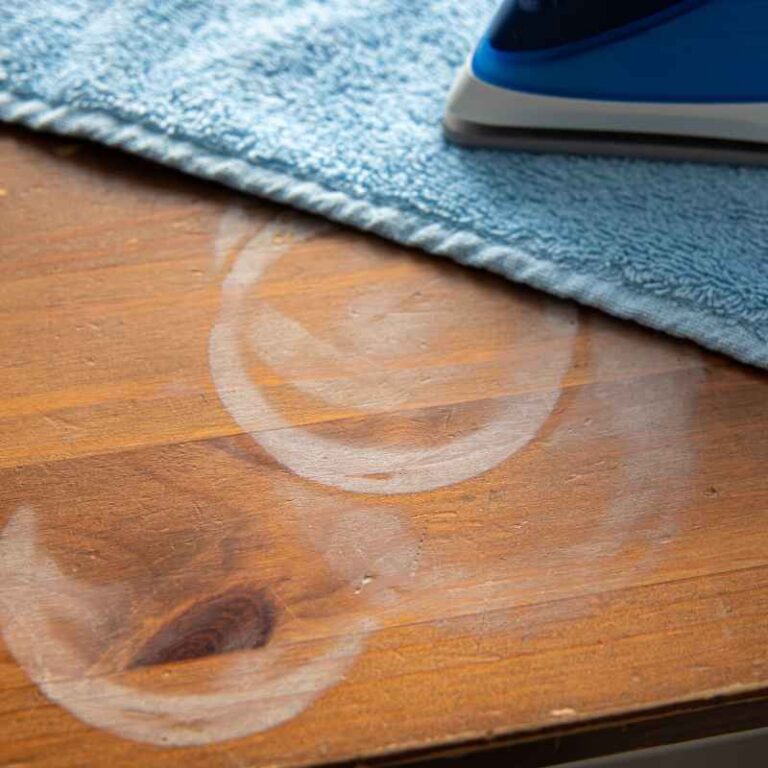
Another gentle method uses a soft cloth and heat. Place a dry, clean cloth over the stain. Then, place a warm iron on top of the cloth.
Use a low setting. Do not use steam. Move the iron slowly over the cloth.
The heat from the iron transfers through the cloth. It gently warms the finish. This helps the moisture escape.
Check the stain frequently. Lift the cloth to see if it’s fading. Remove the iron and cloth once the stain is gone.
Again, don’t hold the iron in one spot for too long. You don’t want to damage the finish further.
The Classic Iron and Cloth Trick
- Gather supplies: A clean, soft cloth (like cotton) and a household iron.
- Preparation: Ensure the table surface is clean. Check that the iron is set to a low heat and no steam.
- Application: Place the cloth over the white water stain.
- Action: Gently move the warm iron over the cloth. Cover the stained area.
- Monitor: Watch the stain closely. Lift the cloth to check progress.
- Completion: Once the stain fades, remove the iron. Let the table cool.
- Caution: Never use high heat. Never apply the iron directly to the wood.
What about things you have in the kitchen? Mayonnaise is a surprising one. The oil in mayonnaise can help lift the water.
It’s a bit messy, but people swear by it. Spread a thin layer of mayonnaise directly onto the white ring. Let it sit for a few hours, or even overnight.
Then, wipe it clean with a soft cloth. You might need to wipe it a few times. Then polish the wood.
This works best on lighter stains.
Petroleum jelly works in a similar way. Apply a small amount to the stain. Let it sit for several hours.
Then wipe it off with a clean cloth. Buff the area afterward. It’s another gentle, oil-based method.
These oil treatments can sometimes leave a slight greasy film. A little furniture polish can help remove that. It brings back the shine.
Another option is using a toothpaste. Use plain white toothpaste, not gel. Mix a small amount of baking soda with the toothpaste.
Make a paste. Gently rub this paste onto the white stain with a soft cloth. Rub in the direction of the wood grain.
Don’t scrub hard. The mild abrasives help lift the stain. Wipe it clean with a damp cloth.
Then dry thoroughly. Finish by polishing the wood.
DIY Paste Power for White Rings
- Baking Soda Paste: Mix baking soda with a little water. Make a paste. Gently rub on the stain. Wipe clean.
- Toothpaste Trick: Use white, non-gel toothpaste. Mix with baking soda for extra power. Rub gently. Wipe clean.
- Salt Paste: Mix salt with a little water or oil. Form a paste. Apply to the stain. Rub lightly. Wipe clean.
Key Advice: Always use a soft cloth. Rub with the grain. Test in a hidden spot first.
Tackling Darker Water Stains: A Deeper Problem
Dark water stains are tougher. They mean the water has gone past the finish. It has reached the wood itself.
Or the finish itself is damaged. These stains are like a bruise on the wood. They need a stronger approach.
Sometimes, you might need to bleach the wood. Or use a special cleaner. It’s a bit more involved.
For dark stains on wood, you might need to use a wood bleach. These are available at hardware stores. Read the instructions carefully.
Wood bleach usually comes in two parts. You mix them. Apply the bleach to the stained area only.
Use a small brush. Try to be precise. Let it work as the package says.
Then neutralize it. You’ll need to rinse it well. Dry the wood completely.
Then you may need to reapply the finish. This is a more advanced technique. It can lighten the wood significantly.
You might need to match the color of the rest of the table.
Oxalic acid is a common ingredient in wood bleaches. It’s good at removing iron stains. These can look like dark water rings.
It can also remove other dark discolorations. Always wear gloves and eye protection when using oxalic acid. Work in a well-ventilated area.
Apply it to the stain. Let it sit. Then rinse thoroughly.
This can lighten the wood. You will likely need to reapply a finish.
If bleaching seems too much, there are other options. Sometimes, a stain remover specifically for wood can help. Look for products designed for dark water marks.
These can be less harsh than bleach. Always follow the product’s instructions. Test them in an inconspicuous area first.
When Dark Stains Appear: What to Expect
- Deeper Penetration: Water has gone into the wood itself.
- Finish Damage: The protective coat on the wood is compromised.
- More Effort Needed: Simple methods may not be enough.
- Potential for Lightening: Bleaching is often required.
- Color Matching is Key: After treating, you might need to refinish.
- Patience is Crucial: These stains take time and care.
Another approach for dark stains is using steel wool. Use very fine steel wool, like grade #0000. Dip the steel wool in mineral spirits or furniture polish.
Gently rub the stain. Work with the wood grain. This helps to slightly abrade the stain away.
It also helps to remove some of the damaged finish. Be very careful not to scrub too hard. You don’t want to create new scratches.
After rubbing, wipe the area clean. Then you will likely need to reapply a coat of furniture polish or wax.
Sometimes, the dark stain is not from water. It could be from metal. Like a metal coaster left wet.
Or a can left on the table. These can leave rust-like marks. For these, you can try a paste of lemon juice and salt.
Apply it to the stain. Let it sit for a short time. Then wipe it clean.
The acid in the lemon juice can help lift the stain. The salt provides a mild abrasive. Rinse and dry thoroughly.
Restoring the Finish: Bringing Back the Shine
After you remove a water stain, especially a dark one, the finish might look dull. Or it might be gone in that spot. You’ll need to restore it.
This helps protect the wood. It also makes the table look uniform again.
For minor issues with white rings, a good furniture polish or wax can often do the trick. After you’ve removed the stain, apply a quality furniture polish. Use a soft cloth.
Buff it in. This can help blend the area. It restores the shine.
For darker stains that required more aggressive treatment, you might need more. You might need a new coat of varnish or lacquer. This depends on the original finish.
If you used wood bleach, you absolutely need to refinish. After the bleached area is dry, you might want to lightly sand it. Use very fine sandpaper.
Then apply a matching stain if needed. Follow that with a clear coat. This could be polyurethane, lacquer, or varnish.
Choose something that matches your table. It’s best to refinish the entire table top if possible. This ensures an even look.
If not, try to feather the new finish into the old. This helps blend the repair.
Finishing Touches: After Stain Removal
- Polish and Wax: For minor fixes, polish or wax brings back shine.
- Reapplying Finish: For deeper stains, you might need varnish or lacquer.
- Matching Colors: Always try to match the original color and sheen.
- Sanding Gently: Use fine-grit sandpaper before refinishing.
- Feathering Edges: Blend the new finish into the old for a seamless look.
- Full Refinish: For best results, consider refinishing the whole surface.
Sometimes, a water ring might have damaged the wood grain itself. In these cases, you might need to do some light sanding. Use a very fine grit sandpaper.
Sand only the affected area. Sand in the direction of the wood grain. Wipe away the dust.
Then, apply a matching wood stain. Let it dry. Then apply a protective coat.
This could be a clear spray lacquer or a paste wax. The goal is to make the repaired spot blend in. It shouldn’t be a visible scar.
Always test any refinishing product in a hidden spot. This is crucial. Wood can be tricky.
What works on one type might not work on another. You want to ensure the repair looks good. And that you haven’t made the problem worse.
Take your time with this step. It’s what makes the repair look professional.
Specific Materials and Their Water Stain Challenges
Not all coffee tables are made of solid wood. Many have different surfaces. Each one needs a slightly different approach to water stains.
Glass Coffee Tables
These are usually the easiest. Water stains on glass are typically just residue. Or they could be mineral deposits from hard water.
You can usually remove them with a good glass cleaner. A microfiber cloth works best. For tougher spots, try a mixture of white vinegar and water.
Spray it on. Let it sit for a minute. Then wipe clean.
For stubborn mineral deposits, you might need a razor blade scraper. Use it carefully. Hold it at a low angle to the glass.
Never use abrasive cleaners on glass. They can cause scratches.
Glass Table TLC
Problem: Residue, hard water spots.
Solution: Glass cleaner, microfiber cloth. For tough spots, use a vinegar and water solution. A razor blade scraper can work for mineral deposits (use with care).
Avoid: Abrasive cleaners, harsh scrubbing.
Laminate Coffee Tables
Laminate is a bit like a plastic coating over particle board. Water can get under the edges if not sealed. It can cause the laminate to swell or peel.
White rings on laminate are usually easier. They are often just surface marks. Wipe them with a damp cloth.
You can use a mild soap. For tougher spots, try a bit of baking soda paste. Gently rub.
Wipe clean. If the laminate is peeling, it’s harder to fix. You might need to use a strong adhesive.
Or, if it’s bad, consider replacing the laminate.
Laminate Care Tips
Problem: Surface marks, potential swelling at edges.
Solution: Damp cloth, mild soap. For stubborn marks, use a baking soda paste. Gently rub and wipe clean.
Warning: Swollen or peeling laminate is difficult to repair.
Marble Coffee Tables
Marble is a beautiful natural stone. But it’s porous. It can stain easily.
Water can leave rings. Especially if the marble is not sealed well. White rings on marble might be etch marks.
These are caused by acidic liquids. They can also be water trapped in the pores. For water marks, try a poultice.
You can make one with baking soda and water. Or buy a commercial stone cleaner poultice. Mix it to a paste.
Apply it to the stain. Cover with plastic wrap. Let it sit for 24-48 hours.
Then remove. It should draw the stain out. Rinse the area.
Let it dry.
Marble Stain Tactics
Problem: Porous stone stains easily, etch marks.
Solution: Use a poultice (baking soda paste or commercial stone cleaner). Apply, cover, let sit 24-48 hours. Remove, rinse, dry.
Prevention: Ensure marble is well-sealed. Wipe spills immediately.
Veneer Coffee Tables
Veneer is a thin layer of wood glued to a less attractive core. Water stains can be tricky here. If the water soaks through the veneer, it can loosen the glue.
This causes bubbling or peeling. White rings can sometimes be removed like on solid wood. But you must be very gentle.
Avoid excessive heat or moisture. For dark stains, it might be impossible to fix without damaging the veneer. If the veneer lifts, you might need special veneer glue.
You’ll also need a way to press it down while it dries.
Veneer Wisdom
Problem: Thin wood layer, risk of bubbling or peeling.
Solution: Gentle methods for white rings. Avoid heat and excess moisture. For lifting, use veneer glue and pressure.
Caution: Be extremely careful not to damage the thin veneer layer.
Preventing Future Water Stains
The best way to deal with water stains is to stop them before they start. A little bit of care goes a long way. It saves you time and stress later.
Always use coasters. This is the number one rule. Keep a set handy on your coffee table.
Encourage everyone in your household to use them. It seems simple, but it works. Have fun, stylish coasters.
People are more likely to use them if they like them.
Wipe up spills immediately. Don’t wait. The longer liquid sits, the more it can soak in or damage the finish.
Keep a soft cloth nearby for quick cleanups. A quick wipe can prevent a stain from ever forming.
Proactive Protection: Stop Stains Before They Start
- Coaster Culture: Always use coasters for drinks.
- Swift Cleanup: Wipe spills right away.
- Regular Maintenance: Polish and wax your table.
- Avoid Direct Sun: Strong sunlight can damage finishes over time.
- Humidity Control: Extreme humidity can affect wood.
Regular maintenance is also key. Clean your coffee table regularly. Use a cleaner appropriate for the material.
Then, apply a good quality furniture polish or wax. This helps to keep the finish strong. It adds a protective layer.
This layer can repel minor moisture. It also makes the surface look better.
Be mindful of other items placed on the table. Avoid placing hot or wet items directly on the surface. Plants are a common source of moisture rings.
Use a tray or a protective mat under plant pots. If you have kids, teach them about respecting the furniture. Simple rules can prevent a lot of damage.
What This Means For You
Seeing a water stain can be upsetting. But remember, most stains are fixable. The key is acting fast for white rings.
And using the right method for darker ones. Don’t panic if you see a white ring. Try the hairdryer or the iron method first.
These are gentle and often effective. For darker rings, you might need to be more aggressive. But always start with the least damaging option.
Know your table’s material. Wood needs different care than glass or laminate. When in doubt, test a small area.
This saves you from causing more damage. If a stain is really stubborn, don’t be afraid to seek professional help. A furniture restorer can often work wonders.
But for most common rings, you can do it yourself.
Ultimately, a water-stained coffee table doesn’t mean your table is ruined. It’s a chance to learn a bit more about caring for your furniture. With the right techniques and a little patience, you can restore its beauty.
And keep it looking great for years to come.
Quick Fixes and Tips
Here are some super quick tips to keep in mind:
- Always test a cleaning method in a hidden spot first.
- For white rings, work from gentle to strong methods.
- Use soft cloths to avoid scratching the finish.
- When in doubt about material, consult the manufacturer or a furniture expert.
- Patience is your best tool. Don’t rush the process.
- Keep your furniture polish handy for regular upkeep.
Frequently Asked Questions About Coffee Table Water Stains
Can I use baking soda on any wood table?
Baking soda is a mild abrasive. It can work on many wood finishes for white rings. However, always test it first in an inconspicuous area.
Some very delicate or antique finishes might be sensitive. Gentle rubbing is key. Avoid aggressive scrubbing.
What is the fastest way to remove a fresh water stain?
For a fresh, white water stain, the fastest methods often involve gentle heat. Try a hairdryer on a low setting. Move it constantly.
Or use a warm iron over a dry cloth. Both aim to gently evaporate trapped moisture quickly. Wipe the area with a soft cloth afterward.
How do I know if a stain is permanent?
If a stain has turned dark and doesn’t lift with mild treatments, it might be permanent. Dark stains mean water has likely damaged the wood itself, not just the finish. Bleaching or refinishing may be needed.
If the wood is deeply discolored, it might be very difficult to remove completely without professional help.
Should I use a furniture polish or wax after fixing a stain?
Yes, using a good quality furniture polish or wax after stain removal is highly recommended. It helps to restore the shine. It can also blend the repaired area with the rest of the table.
This adds a protective layer against future minor spills.
What if my coffee table is painted?
Painted coffee tables can also get water stains. For white rings, you can try the hairdryer method gently. If the paint is compromised, you might need to touch it up.
For darker stains, you may need to lightly sand the area and repaint. Match the paint color carefully. Test any method on a small, hidden spot first.
Are essential oils safe for removing water stains?
Some people use essential oils, like lemon oil. They can sometimes help with very light surface marks by adding a bit of moisture and shine. However, be cautious.
Many essential oils are potent. They could potentially damage some finishes or leave their own oily residue. It’s usually safer to stick with tested methods like mayonnaise or toothpaste for white rings.
Conclusion
Dealing with water stains on your coffee table can feel daunting. But with the right knowledge, you can tackle them. Remember to identify the stain type and your table’s material.
Gentle methods work best for white rings. Deeper treatments are needed for dark stains. Prevention is always the easiest cure.
Use coasters and clean spills quickly. Your coffee table can look beautiful again with a little care and attention.
Sponsored / affiliate links. As an Amazon Associate I earn from qualifying purchases. I may earn additional commission from eligible campaigns.