Can Infrared Heaters Effectively Heat 1000 Square Feet?
This article dives deep into whether infrared heaters are up to the task of warming a large 1000 square foot space. We’ll explore their unique heating method, what to consider for such a large area, and real-world examples to help you decide if they’re the right choice for your home. You’ll learn about placement, types, and how to maximize their effectiveness.
Infrared heaters can effectively heat 1000 square feet when chosen and used correctly. Key factors include the heater’s wattage, type (e.g., whole-home systems vs. portable units), proper placement to target living areas, and insulation of the space. For larger areas, multiple units or a central system are often necessary for even warmth.
Understanding Infrared Heat for Large Spaces
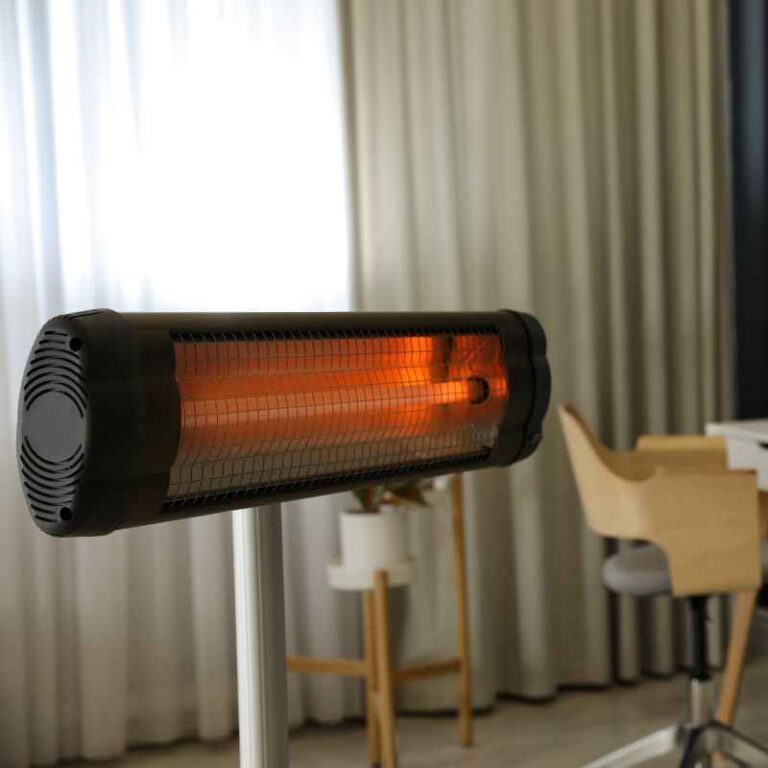
Infrared heaters work differently than typical convection heaters. Instead of warming the air, they emit radiant heat. This heat travels in waves, much like sunlight.
When these waves hit objects and people, they absorb the energy and get warm. This means you feel warm directly, not just the air around you.
This direct heating method can feel very comfortable. It’s like standing in a sunny spot on a cool day. For larger spaces like 1000 square feet, this can be a big advantage.
You can direct the heat where people are. This is different from air heaters that just blow warm air everywhere. That warm air can escape easily from large rooms.
The main question is how well this radiant heat can cover such a big area. Think of a single small heater in a big room. It might feel warm right in front of it.
But the corners might still be cold. For 1000 square feet, you need to think about how the heat spreads. It’s not just about the heater’s power.
It’s also about the room’s layout and how well it holds heat.
We need to look at the total heat output needed for a space this size. We also need to think about how infrared heat behaves. Does it bounce off walls?
How much does it lose through windows or doors? These details are crucial for success. Let’s break down what makes infrared heating work well, or not so well, in a 1000 sq ft home.
My Own Experience with a Stubbornly Cold Sunroom
I remember a time when I was really struggling with a large sunroom. It was about 800 square feet, so a bit smaller than your 1000 sq ft, but still a substantial space. It had gorgeous big windows all around, which was lovely in the summer.
But when winter hit, it was like living in a refrigerator. The regular baseboard heaters just couldn’t keep up.
I’d tried portable electric heaters, even a couple of them, but the heat felt thin. It was only warm if I was right next to them. The rest of the room stayed chilly.
I was starting to think I’d have to close it off completely for the winter, which felt like a waste of a great space. I felt so frustrated, almost defeated, seeing this beautiful room go unused for months.
One evening, while browsing online, I stumbled upon infrared heaters. The idea of direct heat, like a warm hug, sounded so appealing. I was a bit skeptical, though.
Could these things really blast enough heat to make a dent in such a large, airy room? I decided to do a deep dive, reading reviews and specs. It felt like a big gamble, but I was willing to try anything to reclaim that space.
I ended up purchasing a couple of mid-sized panel infrared heaters. The idea was to place them strategically. I put one on one side of the room, facing the main seating area.
The other went near where I sometimes ate or read. The installation was surprisingly simple. Within an hour of plugging them in, I noticed a difference.
The air didn’t feel instantly warm like with a fan heater. But the surfaces, and me, started to feel that gentle, penetrating warmth. It was a revelation.
The sunroom became usable again, a cozy retreat instead of a cold trap.
Infrared Heat: Direct vs. Air
Myth: Infrared heaters warm the whole room by heating the air.
Reality: Infrared heaters warm objects and people directly. The air gets warm indirectly as objects release heat. This makes them efficient for targeted heating.
How Infrared Heaters Work: The Science Explained Simply
Infrared radiation is a type of electromagnetic wave. We experience it as heat. Think about the sun warming your skin.
That’s infrared radiation in action. Infrared heaters produce these waves. They don’t need to heat the air first.
They send out waves that travel in a straight line.
When these waves hit an object, like a wall, a floor, a piece of furniture, or you, the object absorbs the energy. This absorption process makes the object’s molecules vibrate faster. Faster vibrations mean more heat.
So, the object itself becomes warm.
This is why infrared heat can feel so immediate. You step into the path of the waves, and you feel warm almost instantly. It’s a very different feeling from a fan heater.
A fan heater blows hot air around. That air has to mix with the cooler air in the room. It takes time for the whole room’s air to get warm.
For a 1000 sq ft space, this direct heating method has pros and cons. On the plus side, you can aim the heat. If you have a large living room or open-plan kitchen, you can point the heater towards the areas where people spend most of their time.
This can make those zones feel very comfortable.
However, infrared waves travel in straight lines. They don’t easily bend around corners or through solid objects. This means if there’s something blocking the path of the heater, that area won’t get direct warmth.
Also, if the space is very large and open, the waves can dissipate before reaching far-off corners. This is a key point for heating 1000 sq ft effectively.
The waves can also be affected by drafts. If there are leaky windows or doors, the warm air (which does get heated indirectly) can escape. This can carry away some of the heat.
So, insulation and sealing up drafts are super important. They help keep the heat where you want it.
Choosing the Right Type of Infrared Heater for Large Areas
Not all infrared heaters are created equal, especially when you’re looking to heat a large area like 1000 square feet. You have a few main types to consider. Each has its own strengths and weaknesses for this kind of job.
Panel Heaters: These are often thin, flat panels. They can be mounted on walls or ceilings. Some are designed to look like artwork.
Panel heaters are good for providing gentle, consistent warmth to a specific zone. For 1000 sq ft, you’d likely need multiple panel heaters. You’d place them strategically in different living areas to create warm pockets.
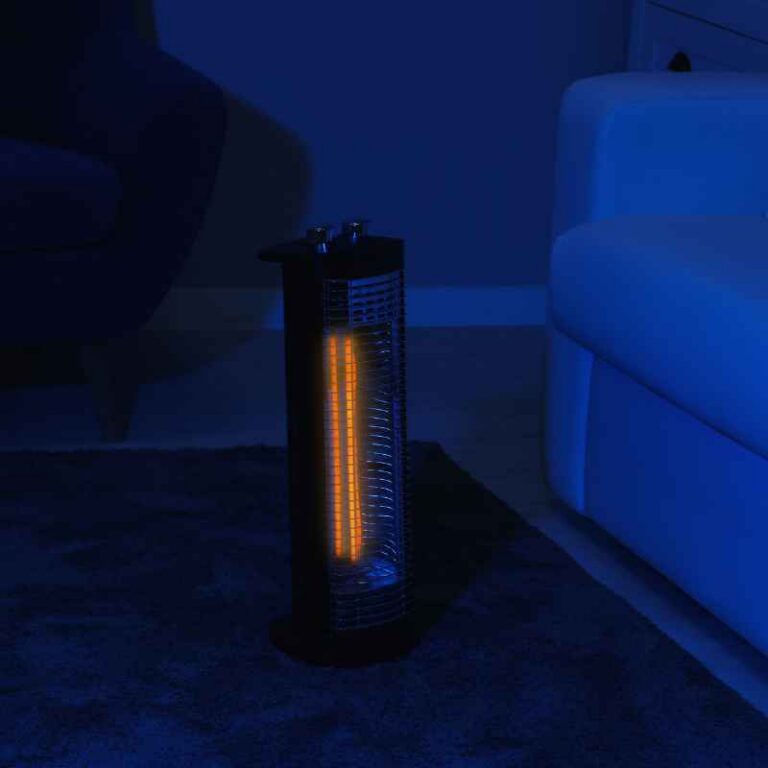
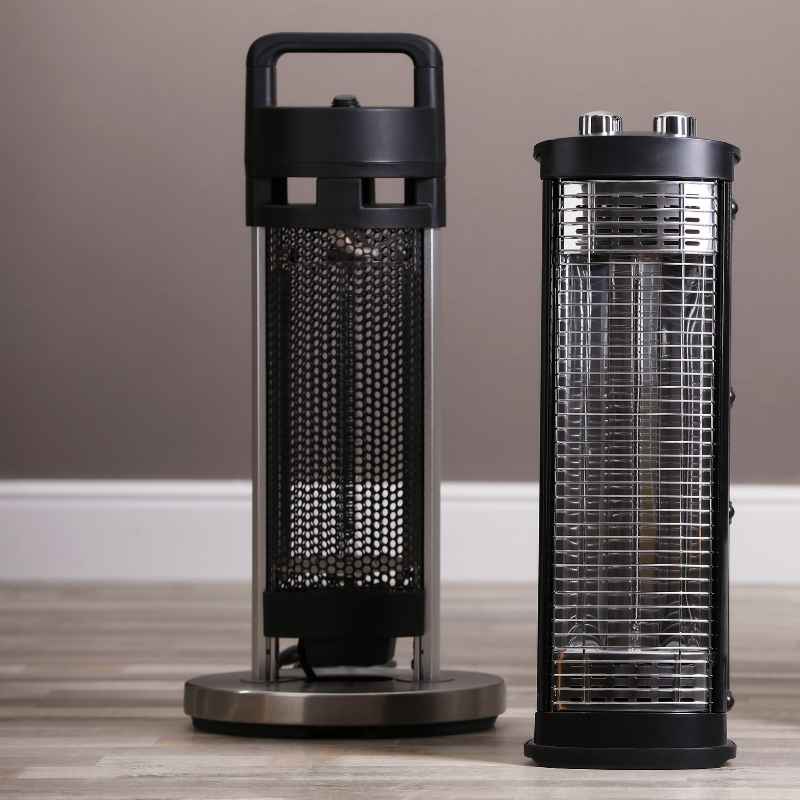
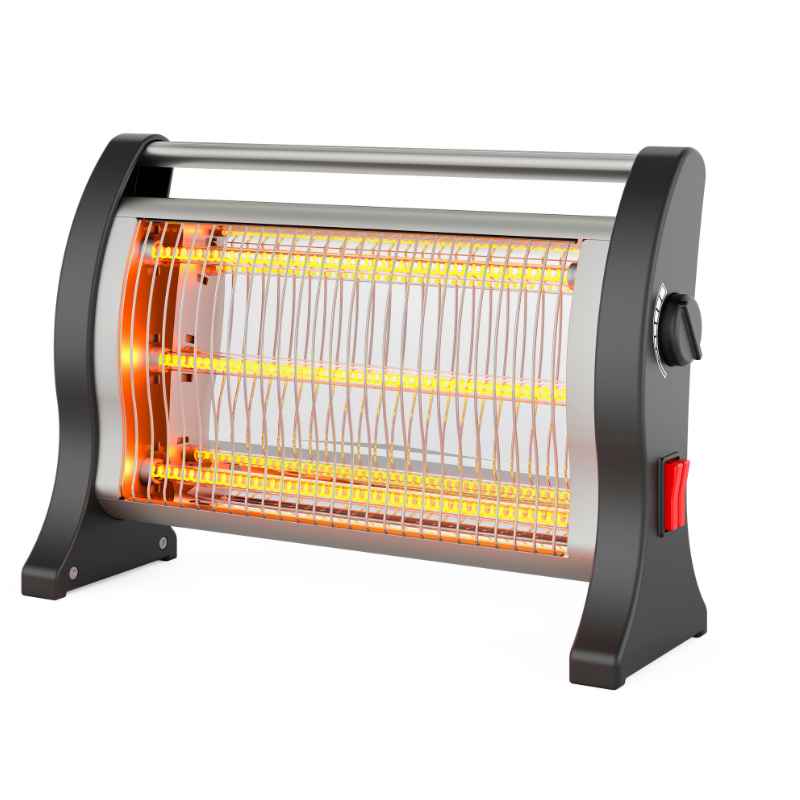
Ceramic/Quartz Heaters: These are more like traditional portable heaters. They use ceramic or quartz elements to generate heat. They often have fans to help spread the heat, but the primary mechanism is still radiant.
Some powerful models can cover decent areas, but for 1000 sq ft, one unit is rarely enough. They are better for smaller, more contained spaces within the larger area.
Whole-Home Infrared Systems: These are the most powerful option. They are often central systems installed in attics or basements. They use ductwork to distribute the infrared heat throughout the house.
These are designed for exactly this purpose – heating large homes. They are the most effective way to ensure consistent warmth across 1000 sq ft or more. However, they are also the most expensive and require professional installation.
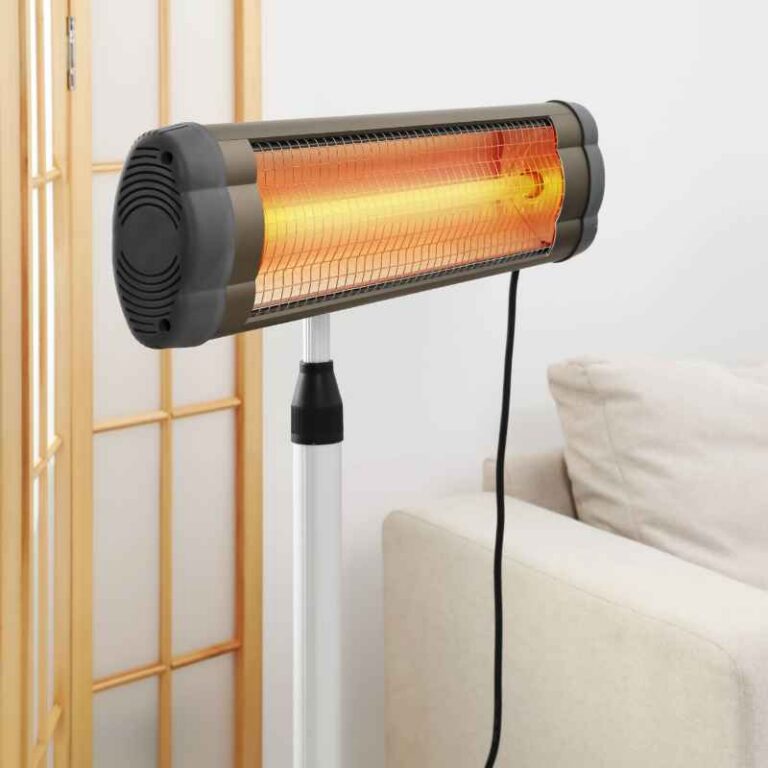
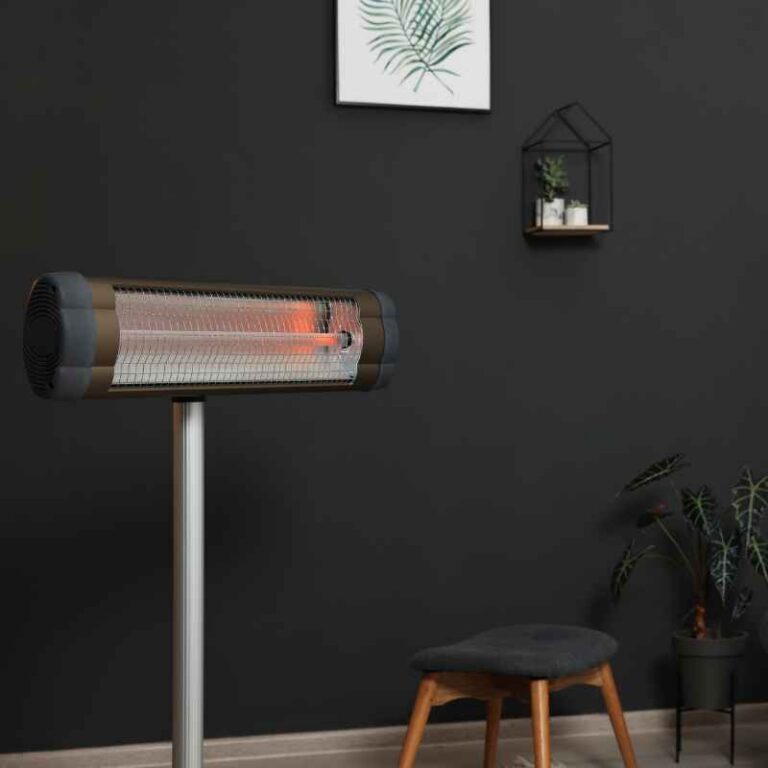
Patio Heaters (Indoor Use): Some heavy-duty outdoor patio heaters are sometimes used indoors. These are very powerful. They can heat a large zone.
However, they are often less energy-efficient for indoor use. They also produce a very intense heat. You need to be careful with placement to avoid overheating or potential fire hazards.
They aren’t typically recommended as a primary indoor heating solution for a whole home.
When thinking about 1000 sq ft, a single portable heater is unlikely to do the job. You’ll need to consider the total wattage required. A common rule of thumb is 10 watts per square foot for general heating.
So, for 1000 sq ft, you’d ideally want around 10,000 watts of total heating power. This means you’re likely looking at multiple units or a central system. The type you choose depends on your budget and installation capabilities.
Quick Scan: Heater Types for Large Spaces
| Heater Type | Best For | 1000 Sq Ft Suitability |
|---|---|---|
| Panel Heaters | Targeted zones, supplemental heat | Requires multiple units for coverage |
| Ceramic/Quartz | Smaller rooms, quick warm-up | Rarely sufficient alone; best in zones |
| Whole-Home Systems | Even heat distribution across entire home | Ideal solution, high cost |
Wattage and Power: The Numbers Game for 1000 Sq Ft
When you’re thinking about heating a large space like 1000 square feet, wattage is your most important number. It tells you how much power the heater has. More wattage generally means more heat output.
As a general guideline, many experts suggest around 10 watts per square foot for heating a home.
So, for 1000 square feet, you’d be looking at a total heating requirement of roughly 10,000 watts. This is a significant amount of power. It’s important to understand that a single portable infrared heater is rarely going to provide this much output.
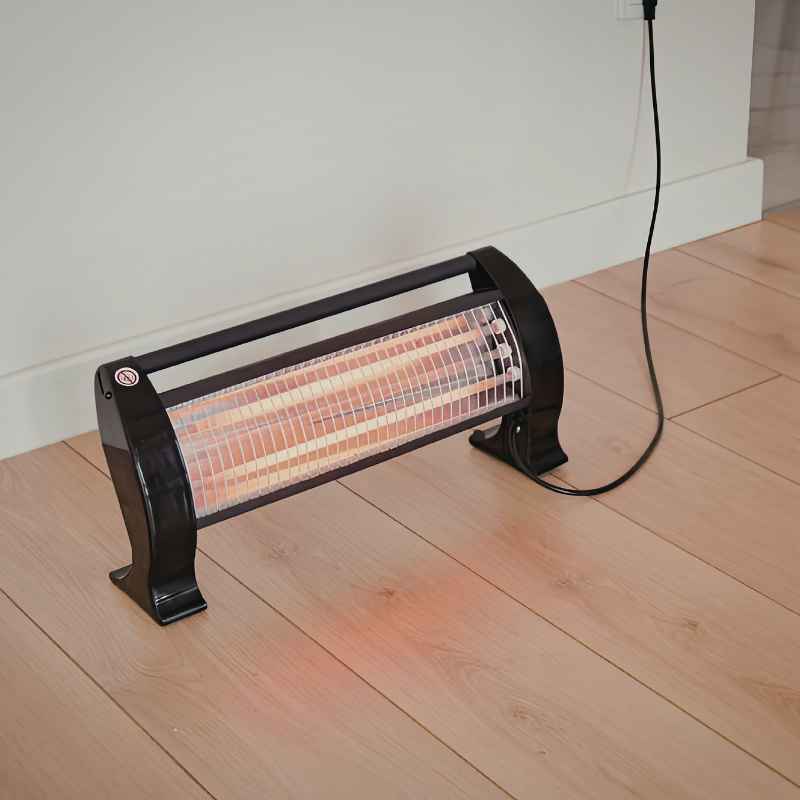
Most portable infrared heaters you find at home improvement stores are in the 1,000 to 1,500-watt range. A single 1,500-watt heater can effectively warm a room of about 150 square feet. This is a tiny fraction of 1000 sq ft.
This means that if you’re relying on portable infrared heaters for 1000 sq ft, you will almost certainly need multiple units. For example, to reach 10,000 watts, you might need:
- Around 7 to 10 portable 1,500-watt heaters.
- Or, fewer, but more powerful, specialized infrared heaters designed for larger spaces.
The challenge with using many small units is distributing them effectively. You want to avoid creating hot spots and cold spots. The heat needs to be spread out evenly.
This is where placement becomes critical, which we’ll discuss more later.
Another important factor is the heater’s efficiency. While infrared heaters are often touted as efficient because they heat directly, their actual energy consumption depends on their wattage and how long they run. A 10,000-watt system running for several hours will use a lot of electricity.
Consider your home’s insulation. A well-insulated 1000 sq ft home will require less wattage than a poorly insulated one. Drafts around windows and doors, poor attic insulation, or uninsulated walls can mean you need more power.
It’s like trying to fill a leaky bucket. You’ll need to add more water (heat) constantly to keep the level up.
For true whole-home heating of 1000 sq ft with infrared, a professionally installed central system is typically the most practical solution. These systems are designed to deliver the required total wattage and distribute it evenly through ductwork. They are a significant investment but offer the most consistent results for large areas.
Myth vs. Reality: Infrared Heater Power
Myth
One large infrared heater can heat 1000 sq ft.
Reality
1000 sq ft typically requires a total of 10,000 watts, often achieved with multiple units or a central system.
Myth
Infrared heaters use very little electricity.
Reality
High-wattage heaters will consume significant electricity to provide adequate heat for large areas.
Placement Strategy: Where to Put Your Infrared Heaters
Heating 1000 square feet effectively with infrared heaters is all about smart placement. Since infrared heat travels in straight lines, you need to aim it where you will be. Think about how you use the space most often.
Identify Main Living Areas: Where do people sit? Where do they gather? If you have a living room, dining area, or home office within the 1000 sq ft, focus on these zones first.
Place heaters so they point directly towards these areas.
Avoid Obstructions: Don’t place heaters behind large furniture like sofas or behind curtains. These will block the infrared waves. The heat needs a clear path to the objects and people it’s meant to warm.
Consider Ceiling Height: In rooms with very high ceilings, infrared heat can be less effective. The waves have to travel further to reach people. If your ceilings are 10 feet or higher, you might need more powerful heaters or need to place them lower.
Multiple Units for Multiple Zones: For 1000 sq ft, it’s highly unlikely that one or two strategically placed heaters will cover the entire area evenly. You’ll likely need multiple units. For instance, if you have a large open-plan living and dining area, you might need one heater for the living space and another for the dining space.
Wall Mounting is Often Best: Many infrared panel heaters are designed to be wall-mounted. Mounting them at the right height is key. Often, about 5-6 feet off the floor is ideal.
This allows the heat to radiate downwards onto people.
Corner Placement Limitations: While you might think placing a heater in a corner covers more area, it can also create shadows. The heat won’t reach into the center of the room effectively. It’s often better to place them along walls facing the occupied spaces.
Whole-Home Systems: If you opt for a central system, the placement is handled by the installer. They will design ductwork to ensure even heat distribution throughout the entire 1000 sq ft. This is the most foolproof method for consistent warmth.
Example Scenario: Imagine a 1000 sq ft open-plan space. You have a living area with a sofa and chairs, and a dining area with a table. You might place one 1500-watt panel heater on a wall facing the sofa, aiming it towards the seating.
Then, you’d place another 1500-watt heater on a different wall, pointing towards the dining table. You’d still need to consider other areas. Perhaps a third heater is needed for a home office nook or a reading corner.
The goal is to create overlapping zones of radiant heat. Think of it like placing spotlights. You want the light to cover the entire stage, not just one small spot.
For 1000 sq ft, this means thoughtful planning and likely several heat sources working together.
Placement Checklist for Large Spaces
- Identify Occupied Zones: Where do people spend most time?
- Clear Line of Sight: Ensure no furniture or curtains block the heat waves.
- Optimal Height: Wall-mount at 5-6 feet for downward radiation.
- Avoid Corners: Unless specifically designed, corners can create shadows.
- Consider Multiple Units: For 1000 sq ft, expect to need several heaters.
Insulation and Air Sealing: The Unsung Heroes
You can have the most powerful infrared heater in the world, but if your 1000 sq ft space is leaky and uninsulated, it will struggle to stay warm. Insulation and air sealing are absolutely critical for any heating system, and especially for radiant systems like infrared.
Think of your home like a thermos. Insulation is the material that keeps the warm inside and the cold outside. Without good insulation, the heat from your infrared heaters will quickly escape through the walls, roof, and floors.
Attic Insulation: A huge amount of heat can be lost through the ceiling. Ensure your attic is properly insulated to the recommended R-value for your climate zone. This is often the most cost-effective insulation upgrade.
Wall Insulation: If your home is older, the walls might have little to no insulation. Adding insulation to walls can be more complex, sometimes requiring blown-in insulation. It makes a significant difference in comfort and energy bills.
Floor Insulation: If you have a crawl space or basement that isn’t conditioned, insulating the floor above it is important. This prevents cold air from rising up into your living space.
Windows and Doors: These are common culprits for heat loss. Make sure your windows have good seals. Consider double or triple-paned windows if yours are old and single-paned.
Weatherstripping around doors is a simple, inexpensive fix that makes a big difference.
Drafts: Feel for drafts around electrical outlets, plumbing penetrations, and where walls meet ceilings. Seal these up with caulk or spray foam. Even small gaps can let a lot of warm air out and cold air in.
When infrared heat warms an object, that object then radiates heat back. If the room is well-sealed, this radiated heat stays within the space. It bounces around, keeping everything comfortable.
If the room is leaky, that absorbed heat is quickly lost to the outside.
For a 1000 sq ft home, focusing on insulation and air sealing first can actually reduce the amount of heating power you need. You might be able to get by with fewer infrared heaters, or smaller ones, if the house holds heat better. This saves you money on both the initial heater purchase and your monthly energy bills.
Before investing heavily in a powerful infrared heating system for your 1000 sq ft home, it’s a wise idea to have a home energy audit. Professionals can identify exactly where your home is losing the most heat. This helps you prioritize upgrades for maximum impact.
Insulation & Sealing: The Foundation for Warmth
Why it Matters: Reduces heat loss, improves comfort, lowers energy bills.
- Attic: Crucial for preventing heat escape upwards.
- Walls: Significant impact if uninsulated.
- Floors: Keeps cold from basements/crawl spaces out.
- Windows/Doors: Seal drafts and consider upgrades.
- Air Leaks: Caulk and foam seal gaps in the building envelope.
Real-World Performance: Can Infrared Really Heat 1000 Sq Ft?
The short answer is yes, but with important caveats. Many people have successfully heated spaces of 1000 sq ft or more with infrared technology. However, it’s not usually a simple plug-and-play solution with one portable unit.
The success hinges on several factors we’ve discussed: the type of heater, its wattage, placement, and the home’s insulation.
Scenario 1: The Open-Concept Modern Home
Imagine a fairly new home, well-built with good insulation and energy-efficient windows. It’s designed with an open-plan living area that totals around 1000 sq ft. In this scenario, a couple of powerful, wall-mounted panel heaters, strategically placed to cover the main seating and dining zones, could provide comfortable supplemental heat.
For primary heat, a central whole-home infrared system would be the most reliable. This setup would ensure even warmth across the entire space.
Scenario 2: The Older Home with Drafts
Now consider an older home, perhaps with less insulation in the walls and attic, and older, drafty windows. Heating 1000 sq ft here with infrared alone would be very challenging. Portable heaters would run constantly and still leave cold spots.
The radiant heat would escape too quickly. In this case, infrared might be best used as a supplemental heat source. It could warm specific areas where you spend time, like a living room.
But it would likely need to be paired with another primary heating source.
Scenario 3: The Workshop or Garage Conversion
If 1000 sq ft refers to a detached structure like a workshop or garage that has been converted into a living space, its insulation level is key. Many garages are poorly insulated. You would need to ensure it’s thoroughly insulated and air-sealed.
Then, you could use several high-wattage infrared heaters, possibly a mix of panel and perhaps a more powerful floor-standing unit, to warm the space effectively.
What People Often Miss:
- Zoning is Key: You don’t necessarily need to heat every single square inch of the 1000 sq ft to a tropical temperature all the time. Focus on heating the occupied zones.
- Supplemental vs. Primary Heat: For many homes, especially older ones, infrared heaters are best used to supplement an existing system. They add comfort and warmth to specific areas, reducing reliance on the main furnace.
- Thermostat Placement: If using multiple portable units, consider where you place the thermostat. You want it to read the temperature in the main living area, not a cold hallway.
In my own experience with that sunroom, it wasn’t perfectly insulated. But by using two good-sized panel heaters and placing them directly towards where we sat, we made it comfortably warm. The key was understanding that the heat wasn’t going to fill the entire volume of air uniformly.
Instead, it created a warm bubble around us.
For 1000 sq ft, always start by assessing your home’s thermal envelope. If it’s well-sealed and insulated, infrared can be a very effective and comfortable heating solution. If it’s leaky, you’ll need a more robust approach, likely involving multiple units or a central system, and addressing those leaks first.
Real-World Considerations
Good Insulation + Smart Placement: Likely successful for whole-home heating or significant supplemental warmth.
Poor Insulation + Single Unit: Likely insufficient for comfortable heating of 1000 sq ft.
Zoning: Focus on heating occupied areas for maximum comfort and efficiency.
Supplemental Heat: Often used effectively to boost comfort in specific rooms.
When is Infrared Heat a Good Fit for 1000 Sq Ft?
Infrared heating systems can be an excellent choice for a 1000 square foot space under specific conditions. It’s not a one-size-fits-all answer. Let’s look at when it truly shines:
You Want Targeted Warmth: If your priority is feeling warm directly, rather than just having the air heated, infrared is perfect. This is great for living rooms, bedrooms, or home offices where people are stationary for long periods.
Your Home is Well-Insulated and Sealed: This is perhaps the most crucial factor. If your 1000 sq ft home has good insulation in the attic, walls, and floors, and minimal air leaks, infrared will work much more effectively. The heat will stay where you want it.
You’re Looking for Supplemental Heat: If you have a primary heating system (like a furnace or heat pump) but find certain rooms or areas of your 1000 sq ft home are still chilly, infrared can be a fantastic addition. It can boost comfort in those specific zones without having to run the main system at a higher temperature.
You Prefer Quiet Operation: Most infrared heaters operate silently. There’s no noisy fan constantly whirring. This makes them ideal for bedrooms or quiet living spaces.
You Want a Different Kind of Warmth: Many people describe infrared heat as more natural and comfortable. It doesn’t dry out the air as much as some convection heaters. It feels like a gentle warmth that permeates your body.
You’re Considering a Whole-Home System (and budget allows): If you want to move away from traditional furnaces or boilers and are looking for a system designed for whole-home infrared heating, these central systems are engineered for large areas like 1000 sq ft and up. They provide even, consistent warmth.
What Might Make it Not a Good Fit:
- Poorly Insulated, Drafty Home: If your 1000 sq ft space has major insulation issues or lots of drafts, infrared will struggle to keep up. You’ll be fighting a losing battle against heat loss.
- Need to Heat Large, Open Unoccupied Areas: Infrared is best for heating people and objects. If you need to heat a large, empty warehouse-style space uniformly, other methods might be more efficient.
- Very Low Budget for Initial Investment: While portable units can be affordable, achieving effective heating for 1000 sq ft with multiple units or a central system can be a significant upfront cost.
- Unusual Room Layouts: If your 1000 sq ft space has many non-line-of-sight areas or complex architectural features, achieving even radiant heat coverage can be tricky.
Ultimately, for 1000 sq ft, infrared heating can absolutely be effective. It requires careful planning and selection of the right type of heater, adequate wattage, and smart placement. Prioritizing your home’s insulation and air sealing is also paramount.
When these elements come together, you can enjoy the unique comfort of infrared heat throughout your larger living space.
When to Worry: Signs Your Infrared Heater Isn’t Working for 1000 Sq Ft
While infrared heaters are generally reliable, there are signs that they might not be cutting it for your 1000 sq ft space, or that something isn’t quite right. Recognizing these could save you from a cold winter or wasted energy.
Persistent Cold Spots: This is the most obvious sign. If you have areas within your 1000 sq ft that remain noticeably colder, even after the heater has been running for a while, it means the heat isn’t reaching effectively. This could be due to poor placement, insufficient wattage, or inadequate home insulation.
Heater Running Constantly: If your infrared heater seems to be on all the time but the temperature never reaches your desired level, it’s struggling. This indicates that the heat output is not meeting the heat loss of your home. Your home might be too drafty or poorly insulated for the heater’s capacity.
High Energy Bills with Little Comfort: If you notice your electricity bill has jumped significantly, but you’re still feeling chilly in your 1000 sq ft home, the heater is likely working overtime inefficiently. It’s burning electricity without providing adequate warmth.
Feeling Warm Only Right in Front of the Heater: This is a sign that the radiant waves aren’t reaching far enough or are being dissipated too quickly. It means the heater’s coverage area is too small for the space, or the space itself is losing heat too rapidly.
Uneven Heating Between Rooms: If you have multiple infrared heaters spread across your 1000 sq ft, but one room is always toasty while another is frigid, your zoning or wattage distribution might be off. Or, the colder room might have more significant insulation issues.
Short Cycling (for central systems): If you have a whole-home infrared system and it keeps turning on and off frequently without maintaining a steady temperature, it might be too powerful for the space, or there could be a thermostat issue. However, for portable units, constant running is the concern.
Physical Signs in the Home: In extreme cases of heat loss, you might start to notice condensation on windows or cold surfaces. This is a clear indicator that the building envelope isn’t retaining heat well.
If you’re experiencing these issues, here’s what to check:
- Check Insulation Levels: Is your attic insulation sufficient? Are your walls insulated?
- Seal Air Leaks: Go around windows, doors, and any penetrations and check for drafts.
- Re-evaluate Placement: Are the heaters pointed directly at occupied areas? Are they blocked by anything?
- Consider Additional Wattage: Do you need more powerful units or more heaters?
- Consult a Professional: For whole-home systems or persistent issues, an HVAC technician or energy auditor can help diagnose the problem.
It’s important to remember that for a 1000 sq ft space, infrared heating is often part of a solution, not always the sole solution, especially if your home has significant thermal bridging or drafts.
Quick Tips for Maximizing Infrared Heat in Your 1000 Sq Ft Home
Here are some simple, actionable tips to get the most out of your infrared heating system in a larger space:
- Maximize Direct Line of Sight: Arrange furniture so that people are in the direct path of the infrared waves. Avoid placing large objects between the heater and occupants.
- Utilize Reflective Surfaces (Carefully): While not always practical, very light-colored walls can help reflect some radiant heat back into the room, slightly improving distribution.
- Use Curtains or Room Dividers: In very large, open-plan areas, using heavy curtains or temporary room dividers can help create smaller, more manageable zones for the heater to warm effectively. This prevents heat from dissipating too widely.
- Regularly Check Thermostat Settings: Ensure your thermostat is set correctly and is reading the temperature in the main living area, not in a drafty hallway or an unused room.
- Clean Your Heaters: Dust and debris on the heating elements can reduce efficiency. Follow the manufacturer’s instructions for cleaning.
- Combine with Other Heat Sources (Strategically): If you have a primary heating system, use your infrared heaters to target specific comfort zones. You might be able to lower the thermostat on your main system if the infrared heaters are keeping you comfortable where you are.
- Monitor Usage and Adjust: Pay attention to how often your heaters are running and at what temperature. Adjust settings based on actual comfort levels and outside weather.
Frequently Asked Questions about Infrared Heating Large Spaces
Can one infrared heater heat 1000 square feet?
Typically, no. One single portable infrared heater usually lacks the sufficient wattage to comfortably heat such a large area. You will likely need multiple units or a whole-home system designed for larger spaces, totaling around 10,000 watts for effective coverage.
Are infrared heaters efficient for heating a whole house?
Yes, infrared heaters can be very efficient for whole-house heating when installed as a central system or when multiple units are used strategically in a well-insulated home. Their direct heating method can feel comfortable and effective, reducing wasted energy on heating empty air.
How many watts do I need per square foot for infrared heating?
A common guideline for general heating is about 10 watts per square foot. For a 1000 sq ft space, this suggests a total heating requirement of approximately 10,000 watts. However, this can vary based on insulation, climate, and ceiling height.
Can I use infrared heaters in a basement to heat 1000 sq ft?
Yes, infrared heaters can be used to heat a basement. For 1000 sq ft, you would still need to ensure adequate total wattage and proper placement. Basements can sometimes be colder due to being below ground, so good insulation and sealing are especially important.
Do infrared heaters dry out the air?
Infrared heaters do not dry out the air as much as some convection heaters. They warm objects directly, which then release heat. This process is less likely to strip moisture from the air, often leading to a more comfortable indoor environment.
What is the difference between infrared and convection heating for large spaces?
Convection heaters warm the air, which then circulates around the room. Infrared heaters emit radiant waves that directly warm objects and people. For large spaces, infrared can be more efficient if focused on occupied areas, while convection aims to heat the entire volume of air, which can be less efficient in leaky homes.
Conclusion: Infrared for 1000 Sq Ft – A Smart Choice with Planning
Heating 1000 square feet with infrared technology is entirely achievable. It’s not about a single magic heater, but a thoughtful approach. Focus on adequate total wattage, strategic placement to target your living areas, and most importantly, ensuring your home is well-insulated and sealed.
When these elements align, you can enjoy the unique, comfortable warmth of infrared heat throughout your larger space, making it a cozy and inviting home all winter long.
Sponsored / affiliate links. As an Amazon Associate I earn from qualifying purchases. I may earn additional commission from eligible campaigns.