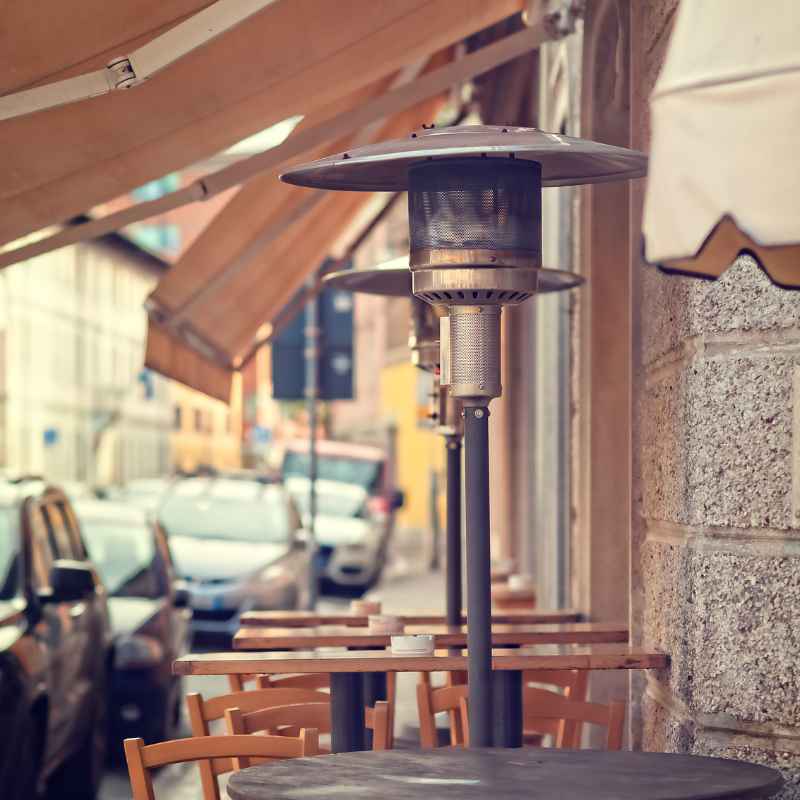
Do Propane Patio Heaters Use Infrared Or Radiant Heat?
It’s a chilly evening, and you want to enjoy your patio. You’ve got your propane heater ready. But a question pops into your mind: does this thing give off infrared heat or radiant heat?
It’s a common question. Many people use these terms like they mean the same thing. But sometimes, a little detail makes a big difference.
Let’s clear this up so you can use your heater with confidence.
Propane patio heaters primarily use radiant heat, which is often understood as a form of infrared radiation. They heat objects and people directly, rather than just warming the air. This makes them great for outdoor spaces where air can easily escape.
Understanding Radiant and Infrared Heat
Let’s break down what we mean by radiant and infrared heat. Think about the sun. The sun’s warmth travels through space to reach us. This is radiant heat. It doesn’t need air to travel. It warms whatever it touches directly.
Infrared (IR) is a type of electromagnetic radiation. It’s part of the light spectrum we can’t see. But we can feel it as heat. So, when we talk about radiant heat from a heater, we are usually talking about infrared heat. It’s like a sunbeam you can feel.
How Propane Patio Heaters Work
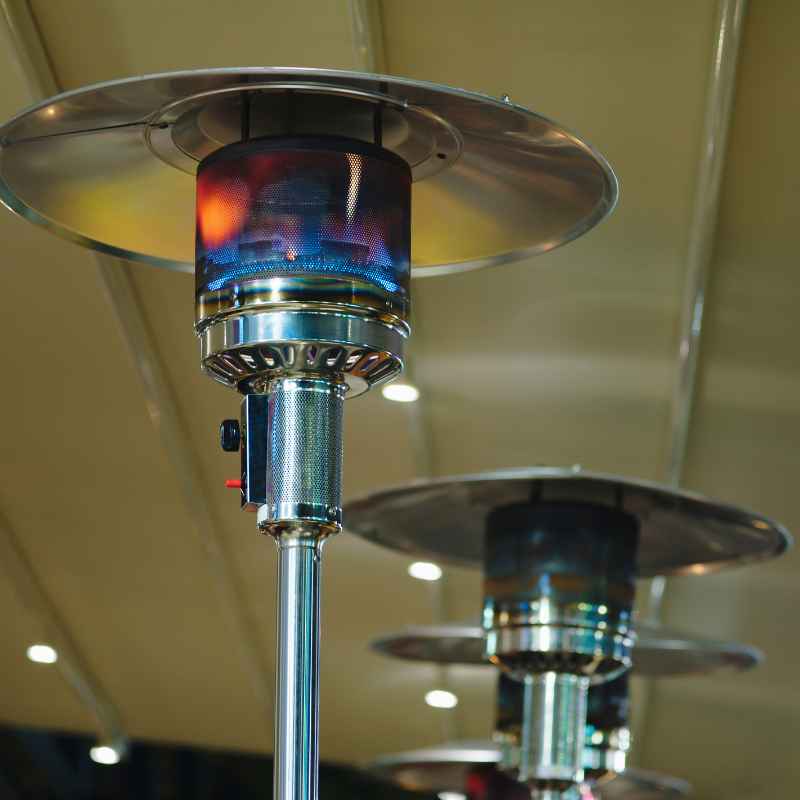
Propane patio heaters are designed to produce this kind of heat. They burn propane fuel. This burning process creates hot gases. These hot gases then pass over a heating element, often made of metal. This element gets very hot.
The hot element then gives off infrared rays. These rays travel outward. They hit things like your skin, your clothes, your patio furniture, and the ground. These things absorb the heat. They get warmer.
The Difference: Radiant vs. Air Heating
Many indoor heaters work differently. They often heat the air first. Then, this warm air circulates around a room. This is called convection heating. It’s good for enclosed spaces. But outdoors, the wind can blow the warm air away quickly.
Radiant heaters, like propane patio heaters, don’t rely on heating the air. They send heat directly where you want it. This is why they feel effective even when it’s breezy. You feel the warmth right away on your skin.
My Own Patio Heater Story
I remember the first time I bought a propane patio heater. It was for my small backyard deck. The evenings were getting cool, and I wanted to extend the use of my outdoor space. I set it up, turned it on, and waited. At first, I didn’t feel much. I was used to forced-air heaters.
I started to worry it wasn’t working right. Then, I moved my hand closer to the top of the heater. Wow! I felt a wave of warmth. It was intense. I realized it wasn’t about the air around me getting hot. It was about feeling the heat directly on my skin.
I sat down near it, and my face felt warm. My arms felt warm. But the air right next to me felt just as cool as before. It was a bit strange at first. But then I understood. The heater was like a mini-sun, warming everything in its path. It saved my outdoor season that year.
Radiant Heat: Key Features
Direct Warmth: Heats objects and people directly.
No Air Needed: Works well in breezy conditions.
Fast Feel: You feel the warmth almost instantly.
Efficient Outdoors: Less heat is lost to the air.
What to Look For in a Propane Patio Heater
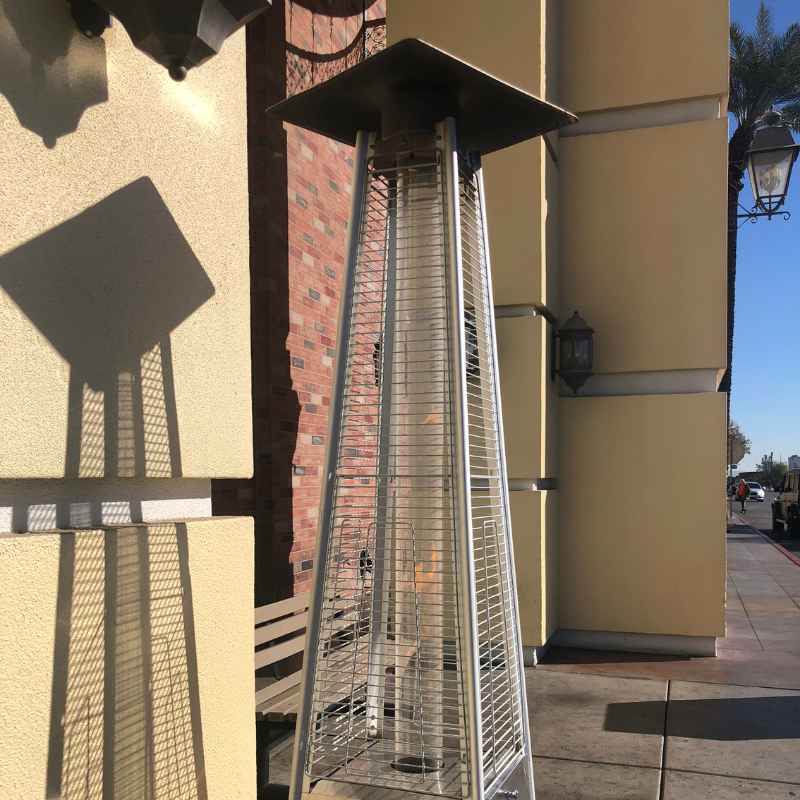
When you look at propane patio heaters, you’ll see different styles. But they all aim to produce that direct radiant warmth. Some are tall, umbrella-shaped. Others are more like a small tower.
The important part is the emitter. This is the part that gets hot and sends out the heat. Good heaters have a well-designed emitter. This helps spread the heat evenly. It also makes the heater more efficient.
Types of Emitters
Many heaters use a ceramic element or a metal grate. The propane flame heats this element. The element then radiates the heat. You might see terms like “infrared burner” or “radiant panel.” These all refer to the part doing the work of emitting the heat.
It’s good to check the wattage or BTU rating. This tells you how much heat the heater can produce. Higher BTUs mean more heat. But you also want a heater that is built well. Look for sturdy materials. A stable base is also important for safety.
Factors Affecting Heat Distribution
Several things can change how well your propane patio heater works. The most obvious is the wind. Even though radiant heat is better in wind than air heating, strong winds can still blow the heat away.
The distance from the heater is also key. You’ll feel the most heat close to the emitter. As you move further away, the warmth decreases. This is normal. It’s like standing near a campfire. You feel the heat when you’re close.
Reflectors and Shields
Many patio heaters have a reflector at the top. This is usually a metal dome. Its job is to bounce the heat downwards. This helps direct the warmth towards people sitting or standing nearby. Without a reflector, a lot of heat would go straight up.
Some heaters also have guards around the emitter. These are for safety. They stop you from touching the super-hot parts. They can also sometimes help direct the heat a little.
Radiant Heat vs. Convection Heat
Radiant Heat:
- How it works: Sends out waves (infrared) that heat objects directly.
- Best for: Outdoor spaces, workshops, garages, spot heating.
- Feel: Warmth you feel on your skin, like sunshine.
- Air needed: No air circulation needed for heat transfer.
Convection Heat:
- How it works: Heats the air, which then moves around the space.
- Best for: Enclosed rooms, basements, offices.
- Feel: General room warmth, air feels warmer.
- Air needed: Relies on air movement (circulation).
Safety First with Propane Heaters
Propane patio heaters are generally safe. But like any fuel-burning appliance, they need care. Always place the heater on a flat, stable surface. This stops it from tipping over.
Keep flammable materials away. This includes dry leaves, furniture cushions, and drapes. The heat emitter gets very hot. It can easily ignite things that are too close. Always check the manufacturer’s manual for safe distances.
Carbon Monoxide Awareness
Propane burning produces carbon monoxide (CO). This is a colorless, odorless gas. In large amounts, it can be dangerous. Propane patio heaters are designed for outdoor use. This is because outdoor spaces allow for good air flow. This air flow prevents CO from building up.
Never use a propane patio heater in an enclosed space. This means not in a garage, a shed, or even a screened-in porch that doesn’t have good ventilation. Make sure there is plenty of fresh air.
Checking Your Heater
Before each use, give your heater a quick check. Look for any damage to the propane tank connections or hoses. Make sure the burner looks clean. A dirty burner can affect how it burns.
When you’re done using it, turn off the gas at the tank first. Then, turn off the heater itself. Let it cool down completely before you move it or store it.
Propane Heater Safety Checklist
- Stable Surface: Always place on a flat, firm spot.
- Clearance: Keep away from flammable items (minimum 3-5 feet).
- Ventilation: Use ONLY outdoors with good air flow.
- Connections: Check hoses and tank fittings for leaks.
- Cool Down: Let it cool before storing or moving.
- Supervision: Never leave a lit heater unattended.
When is Radiant Heat the Best Choice?
Radiant heat is fantastic for specific situations. Outdoor dining areas are a prime example. You want to warm your guests without heating the whole sky.
Workshops and garages are another great use. If you spend time in a colder garage working on projects, a radiant heater can keep you comfortable without needing to heat the entire space. It’s a more energy-efficient way to get warm.
Spot Heating Benefits
Think of it as spot heating. You’re targeting the heat where it’s needed most. This is different from heating a whole room. It’s often more comfortable because you feel the direct warmth.
This direct warmth also means you might not need as powerful a heater as you would for air heating. This can save on fuel costs.
Where Radiant Heat Shines
- Patios & Decks: For dining and relaxing outdoors.
- Garages & Workshops: For hobbyists and DIYers.
- Event Tents: To keep guests comfortable.
- Outdoor Cafes: Extending seating into cooler months.
- Campgrounds: For chilly evenings around the fire.
Comparing Propane Heaters to Other Options
Propane patio heaters are popular. But there are other ways to get warm outdoors. Electric patio heaters are one option. They work similarly by emitting infrared heat. They plug into an outlet.
Infrared patio heaters are a broad category. Propane heaters fall into this. Electric ones also do. The key is that they use infrared radiation.
Electric vs. Propane
Electric heaters are often easier to start. You just plug them in. They don’t require propane tanks. However, they need an outdoor-rated electrical outlet. Their heat output might be less than some propane models.
Propane heaters offer more portability. You can move them around easily. You can also use them where there’s no electricity. The trade-off is managing propane tanks. You need to buy and store them. And you need to swap them out when they’re empty.
Understanding the Science Simply
Let’s make the science super simple. Imagine tiny waves, like ripples on water. These are infrared waves. They carry energy. When these waves hit something, like your skin, they make the tiny bits in your skin wiggle faster. This wiggling is what we feel as heat.
The hotter the source, the more energy in the waves. Propane heaters make a very hot source. So, the waves they send out are strong. They travel in straight lines. That’s why you feel warm when you stand in front of them.
What is Infrared Radiation?
Infrared radiation is a part of the light spectrum. We can’t see it with our eyes. But we can feel its heat. Sunlight contains infrared radiation. A warm stove burner also gives off infrared radiation.
So, when we say a propane patio heater uses radiant heat, we really mean it produces infrared radiation. This radiation then heats things up. It’s a direct transfer of energy.
Quick Scan: Heater Types
Propane Patio Heater:
- Fuel: Propane tank
- Heat Type: Radiant (infrared)
- Pros: Portable, powerful heat, no electricity needed
- Cons: Need propane tanks, CO risk in enclosed spaces
Electric Patio Heater:
- Fuel: Electricity
- Heat Type: Radiant (infrared)
- Pros: Easy to use, no fuel tanks, cleaner operation
- Cons: Needs power outlet, less portable, potentially less powerful
Real-World Scenarios
Imagine you’re hosting a backyard barbecue in the fall. The sun has set, and it’s getting a bit nippy. Your guests are gathered on the patio. You turn on the propane heater. Within minutes, everyone is feeling more comfortable. They can keep talking and enjoying their food without shivering.
Or think about a campsite. You’ve set up your tent. The campfire is nice, but it’s a bit far away for everyone to feel the direct heat. A portable propane heater can create a warm zone around your picnic table. This makes evening card games or meals much more enjoyable.
Home Use Considerations
In a home setting, you might have a screened porch. While screened, it still allows air to move. A propane heater is perfect here. It keeps that area usable on cooler nights. You aren’t fighting to heat air that escapes through the screens.
For those who love to work in their garage on DIY projects, even in cooler weather, a radiant heater can make a big difference. It provides targeted warmth so you can focus on your work, not the cold.
What This Means for Your Comfort
Understanding that propane patio heaters use radiant heat helps you use them best. You know not to expect the air around you to get hot. Instead, focus on positioning yourself in the direct path of the heat.
This also means you should consider where you place the heater. You want it to warm the people, not just an empty corner of the yard. Adjust its position as needed.
When to Worry or Not
It’s normal to feel the heat directly on your skin. It’s also normal for the air temperature around you not to change much. That’s how radiant heat works.
You should worry if you smell gas leaks. If the flame seems unstable or makes unusual noises, turn it off and check it. If you notice any damage to the heater or its parts, it’s time for a repair or replacement. Always prioritize safety.
Radiant Heat: Normal vs. Concerning
Normal:
- Feeling warmth on your skin when close to the heater.
- The air temperature around you not changing significantly.
- Needing to adjust your position to feel the heat most.
Concerning:
- Smelling propane gas.
- The heater making loud roaring or hissing noises.
- Visible damage to the heater, hoses, or connections.
- The flame being unsteady or yellow (should be mostly blue).
Quick Tips for Using Your Heater
Here are some simple ways to get the most out of your propane patio heater:
Placement is Key: Position the heater so the heat is directed toward where people will be sitting or standing.
Wind Direction: If there’s a breeze, try to angle the heater so it faces into the wind slightly. This can help push the heat towards you.
Don’t Overheat: You don’t need to have the heater on full blast all the time. Sometimes a lower setting is enough for comfort.
Regular Checks: Do a quick safety check before each use. Look for any obvious issues.
Proper Storage: When not in use, store the heater in a dry place. Cover it to protect it from the elements.
Fuel Management: Keep an eye on your propane levels. Have a spare tank ready so you don’t run out mid-gathering.
Frequently Asked Questions
Do propane patio heaters heat the air or objects directly?
Propane patio heaters primarily produce radiant heat. This type of heat travels in waves (infrared radiation) and warms objects and people it directly contacts, rather than heating the surrounding air.
Is radiant heat the same as infrared heat?
Yes, in the context of patio heaters, radiant heat refers to heat produced by infrared radiation. Infrared is a type of electromagnetic wave that our bodies feel as warmth.
Can I use a propane patio heater indoors?
No, you should never use a propane patio heater indoors or in any enclosed space. They produce carbon monoxide. They require good outdoor ventilation to be safe.
How far away should I sit from a propane patio heater?
You will feel the most direct warmth when you are about 3 to 10 feet away from the heater. The intensity of the heat decreases with distance. Experiment to find your comfortable spot.
What is the main benefit of radiant heat for patios?
The main benefit is its effectiveness in outdoor, often breezy, conditions. Radiant heat warms people and objects directly, so it’s not easily lost to the wind like heated air can be.
How do I know if my propane patio heater is working correctly?
A correctly working heater will produce a consistent flame (mostly blue with some yellow tips) and you will feel direct warmth when standing within its range. If you smell gas or the flame is erratic, turn it off and check it.
Wrapping Up Our Heat Talk
So, to sum it up, your propane patio heater is a master of radiant heat, which is essentially infrared energy. It’s designed to send warmth directly to you, like a little portable sun. This makes it a fantastic tool for enjoying your outdoor spaces even when the temperature drops. Remember to always use it safely, keep it clear of flammable items, and enjoy that cozy warmth it provides. It’s all about understanding how that warmth travels and aiming it where you want it most.
Sponsored / affiliate links. As an Amazon Associate I earn from qualifying purchases. I may earn additional commission from eligible campaigns.