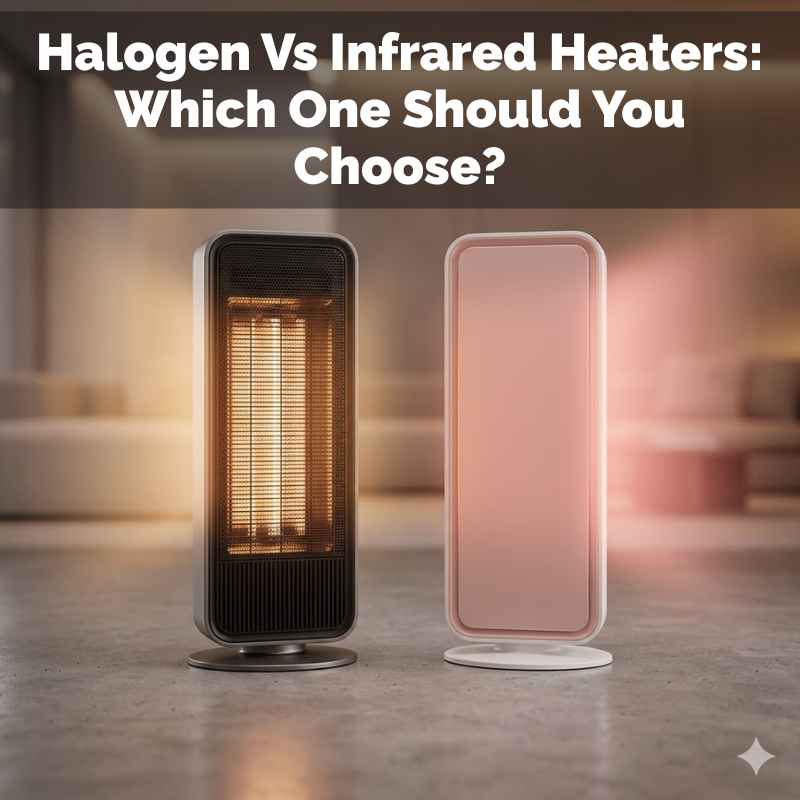
Halogen Vs Infrared Heaters: Which One Should You Choose?
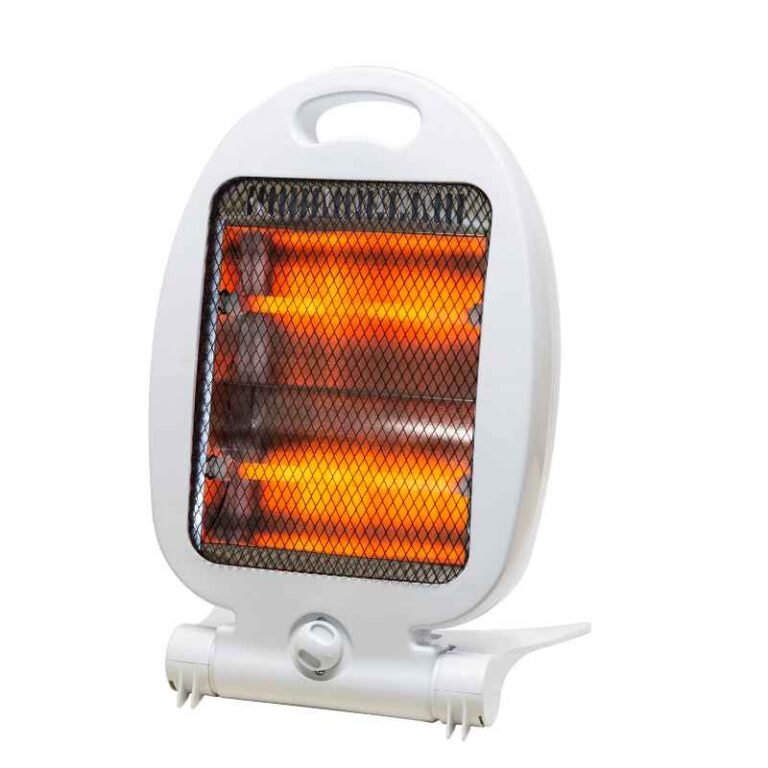
Halogen and infrared heaters both provide warmth, but they differ in their heating mechanism and efficiency. Halogen heaters use a quartz tube containing a halogen gas to produce heat and light. Infrared heaters, on the other hand, emit infrared radiation that directly heats objects and people in their path. Understanding these differences helps you select the most suitable heater for your needs.
Understanding Halogen Heaters
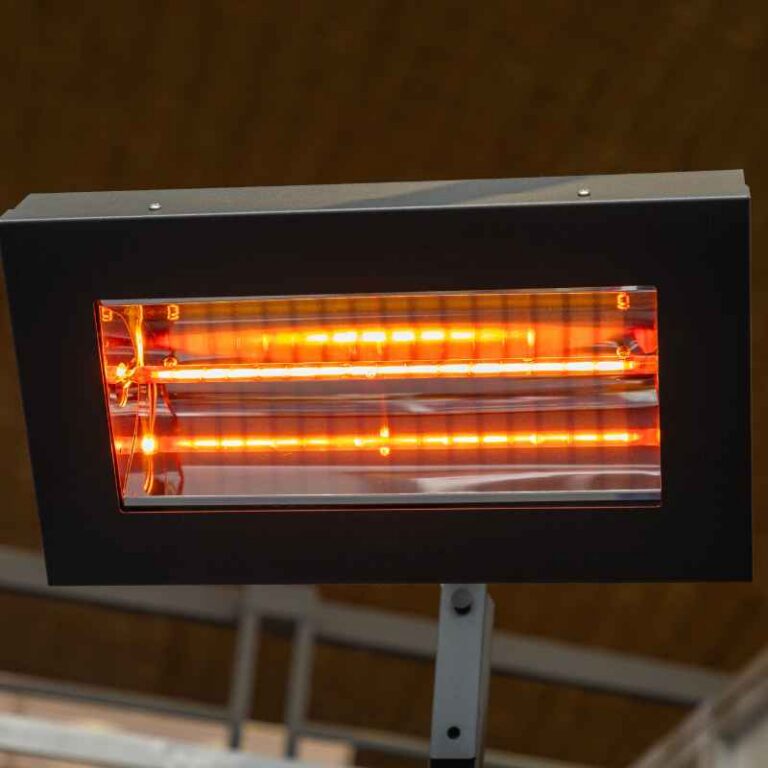
Halogen heaters are a type of radiant heater. Think of how the sun feels warm on your skin. Halogen heaters work a bit like that.
They have a special kind of bulb. This bulb is filled with a gas called halogen. Inside the bulb is a filament, usually made of tungsten.
When you turn the heater on, electricity heats up this filament. It gets very hot, very fast. This heat then travels outwards.
The halogen gas helps the filament last longer. It also helps the bulb get brighter and hotter. This is why halogen bulbs are often used in spotlights too.
They give off a bright light along with their heat. Some people like this light. Others find it too much for a cozy room.
The heat from a halogen heater is very direct. It warms up whatever it shines on. This includes furniture, walls, and of course, people.
It heats up quickly. So, you can feel the warmth almost right away. This makes them good for quickly warming up a small area or a person.
Imagine sitting in front of one on a cold evening. You’ll feel warm quite fast. But, the air around you doesn’t get as warm.
The heat is focused. It’s like a beam of warmth. If you move out of that beam, you’ll feel cooler again.
This focused heat is a key characteristic.
There are a few types of halogen heaters. Some are simple, with just one or two bulbs. Others have a more elaborate design.
They might have a fan to help move the warm air around. But the core heating element is still the halogen bulb. The wattage of these bulbs can vary.
Higher wattage means more heat and more light. It also means more power usage. So, while they heat up fast, they can also use more electricity than you might expect.
It’s important to match the heater size to the room size. A small heater won’t warm a large room well. A very large heater in a small room might be too hot.
One thing to note is safety. Because the bulbs get very hot, you need to be careful. Never touch the glass when it’s on or just turned off.
Keep them away from curtains or anything that can catch fire. Children and pets also need to be kept at a safe distance. They are effective for spot heating.
This means warming a specific spot. They are not always the best for heating an entire room evenly. The heat can be intense in one area.
But other parts of the room might still feel chilly.
Halogen Heater Quick Facts
- Heating Method: Uses a heated filament in a halogen gas-filled quartz tube.
- Output: Produces both heat and visible light.
- Warming Style: Direct, radiant heat. Warms objects and people it shines on.
- Speed: Heats up very quickly.
- Best Use: Spot heating, quick warmth for a person or small area.
- Considerations: Can use more power, emits bright light, safety precautions needed due to hot surfaces.

Introducing Infrared Heaters
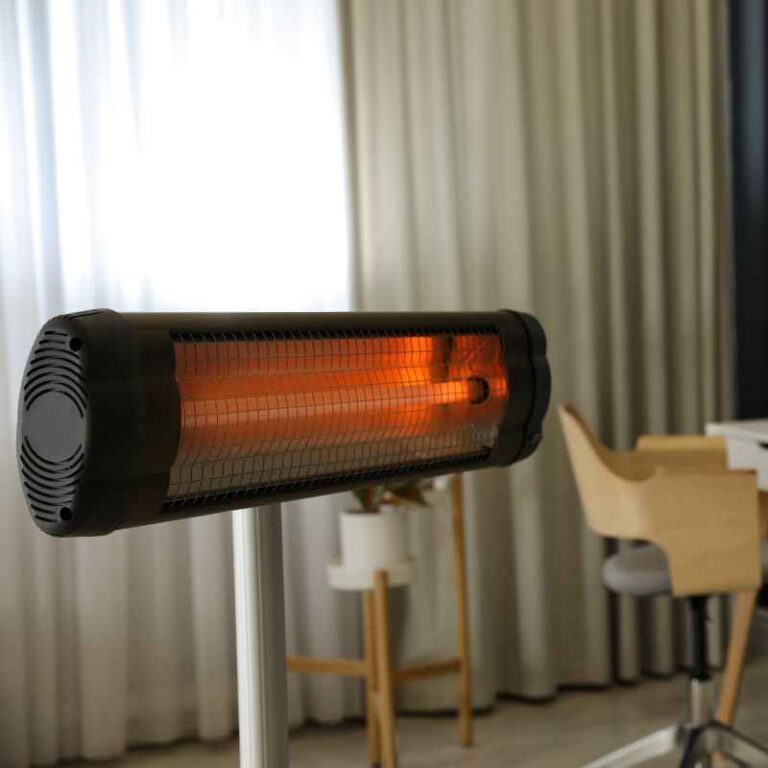
Infrared heaters are a bit different. They don’t rely on a visible light bulb or a glowing filament that you can see. Instead, they use a special element that heats up and emits infrared radiation.
This radiation is a form of energy. We can’t see it, but we can feel it as heat. It’s similar to the heat you feel from a warm rock or a campfire.
The key thing about infrared heat is that it heats objects directly. It doesn’t waste energy heating the air in between. This is a big advantage.
Think about it this way. When you’re standing in the sun, you feel warm. The air might not be that warm, but the sun’s rays warm your skin.
Infrared heaters do something similar. They send out waves of infrared energy. When these waves hit a surface, like your skin, a wall, or a piece of furniture, they are absorbed.
This absorption turns the energy into heat right there. So, you feel warm almost instantly. The room itself might not get much warmer.
But you will feel cozy and comfortable. This makes them very efficient for heating people.
There are several types of infrared heaters. Some are called quartz heaters, which might use quartz tubes, but they emit infrared radiation. Others use ceramic elements.
Some have carbon fiber elements. Each type has its own way of generating the infrared waves. But the principle is the same: direct heat transfer without heating the air first.
This means they don’t need a fan to blow heat around. This can be good for people with allergies. Fans can stir up dust and other particles.
Infrared heaters are often quieter too.
Because they heat objects, infrared heaters can make a room feel warmer even if the air temperature is lower. This is a nice benefit. You might feel just as warm and comfortable with an infrared heater as with a convection heater, but using less energy overall.
They are often described as having a gentler, more natural warmth. There’s no bright light or loud fan noise. Just a steady, comfortable heat.
Many people prefer this for living rooms or bedrooms.
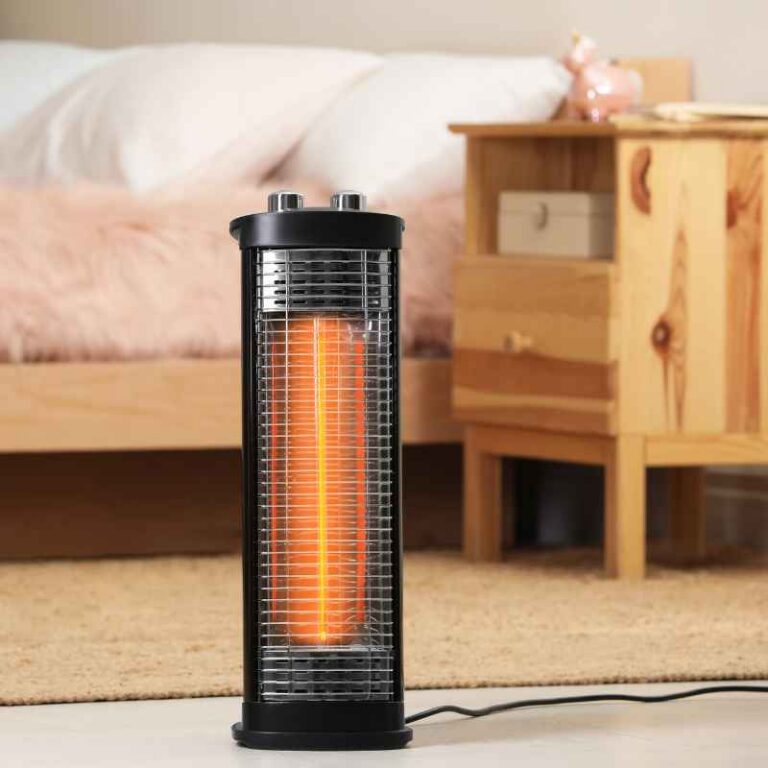
Infrared heaters come in many shapes and sizes. You can find small portable ones. There are larger wall-mounted units.
Some are even designed to look like artwork or mirrors. This makes them blend in nicely with home decor. They are also generally safe to use.
While the element gets hot, the outer casing is often designed to stay cooler. This reduces the risk of burns. However, always check the manufacturer’s instructions and keep them away from flammable materials.
Infrared Heater Key Features
- Heating Method: Emits infrared radiation that heats objects directly.
- Output: Invisible infrared waves.
- Warming Style: Direct, radiant heat. Heats people and surfaces.
- Speed: Heats up quickly.
- Best Use: Heating people, spot heating, maintaining comfort in a specific zone.
- Considerations: Energy efficient for direct heating, quiet, no fan needed, often a gentler warmth.
Comparing the Heating Mechanisms
The biggest difference lies in how they transfer heat. Halogen heaters use a filament that gets incredibly hot. This filament glows, producing both light and heat.
This heat is then radiated outwards. It’s very much like a small, controlled sun. The heat is intense and immediate.
It’s like pointing a heat lamp at something. The surfaces in its path get warm. The air doesn’t absorb much of this heat.
So, if you’re not in the direct path, you won’t feel much warmth.
Infrared heaters, however, work with a different kind of energy. They produce infrared waves. These waves travel through the air.
They don’t warm the air itself. When these waves hit an object, the object absorbs the energy. This absorbed energy turns into heat.
So, your skin, your clothes, your furniture – they all get warm. It’s a more targeted form of heating for people. It feels like a natural warmth.
It’s not the same as having a blast of hot air blown at you. It’s more like standing next to a warm body.
This fundamental difference impacts how effective they are for different situations. Halogen heaters are great for a quick boost of warmth. If you’re sitting at a desk and feel a chill, a small halogen heater pointed at you can make you feel better fast.
But if you turn it off, the room quickly returns to its original temperature. The air hasn’t really warmed up much.
Infrared heaters, because they heat objects, can make a space feel more comfortable for longer. Even after the heater is off, the objects that absorbed the heat will slowly release it. This can create a more sustained feeling of warmth.
It also means they can be more energy efficient. You’re not wasting power heating air that just escapes or cools down quickly. You’re heating what matters: you and the things around you.
Mechanism Contrast
Halogen Heaters
Heat Source: Glowing filament.
Energy Type: Visible light & heat radiation.
Warming: Heats surfaces directly in its light path.
Air Impact: Minimal air warming.
Infrared Heaters
Heat Source: Infrared emitter.
Energy Type: Invisible infrared radiation.
Warming: Heats objects and people directly.
Air Impact: Minimal air warming.
Energy Efficiency and Costs
When people look at heaters, they often think about how much electricity they use. This is where infrared heaters often shine. Because they heat objects directly, they don’t waste energy warming the air.
This means you can often feel just as warm with an infrared heater as with a more powerful halogen heater. But the infrared one might be using less electricity. This can lead to lower energy bills.
It’s a smart way to heat a specific area without heating the whole house.
Halogen heaters, especially those with bright, powerful bulbs, can use quite a bit of energy. The quicker you want the heat, the more power they tend to draw. If you have a small room and need it warm fast, a halogen heater can do the job.
But if you plan to use it for long periods, the electricity meter can tick up. It’s important to check the wattage. A 1500-watt halogen heater will use more power than a 500-watt one.
Infrared heaters can have varying wattages too. But their efficiency comes from how they deliver the heat. Imagine you’re on a cold patio.
A halogen heater would try to heat the air, which blows away. An infrared heater would warm you directly. You’d feel warmer much faster and likely use less energy overall for that comfort.
This makes them a popular choice for things like outdoor dining areas or workshops.
The upfront cost can also be a factor. Sometimes, halogen heaters are less expensive to buy initially. But over time, the energy savings from an infrared heater might make it the more cost-effective choice.
It’s like buying a slightly more expensive appliance that saves you money on your bills every month. Over a few years, it pays for itself. Always look at the energy efficiency ratings or wattage.
Compare them based on how you plan to use the heater.
Another point is insulation. If your home is well-insulated, any heater will work better. But infrared heaters really benefit from good insulation.
They heat the objects and surfaces. If those surfaces can hold onto that heat, the room stays warm longer. Halogen heaters are more about immediate, temporary warmth.
They don’t rely as much on the room’s ability to retain heat.
Efficiency Focus
Halogen Heaters
Energy Use: Can be high, especially for quick, intense heat.
Cost Impact: Higher running costs for prolonged use.
Wasted Energy: More energy can be lost heating air.
Infrared Heaters
Energy Use: Generally lower for perceived warmth.
Cost Impact: Lower running costs due to efficient heat delivery.
Wasted Energy: Minimal energy wasted heating air.
Health and Comfort Factors
The type of heat can also affect how comfortable you feel and even your health. Halogen heaters produce a bright, visible light. For some people, this is fine.
It can even make a room feel brighter and more cheerful. But for others, this bright light can be bothersome. Especially at night, it might make it harder to relax or sleep.
It can feel a bit harsh compared to softer light sources.
Infrared heat, on the other hand, is invisible. It’s a gentler kind of warmth. Many people find it more pleasant and natural.
It doesn’t dry out the air as much as some other heating methods. It also doesn’t stir up dust or allergens like fan heaters do. This is why infrared heaters are often recommended for people with respiratory issues, allergies, or asthma.
The smooth, radiant heat feels good on the skin.
I remember one winter, my elderly aunt complained about feeling cold all the time, even with the central heating on. Her bedroom was always a bit drafty. We got her a small infrared panel heater for her room.
She said it was a game-changer. She didn’t feel that dry, stuffy heat. She just felt comfortably warm.
She could sleep better too because there was no bright light. It made a real difference to her quality of life.
The directness of halogen heat can also feel intense. If you sit too close, you might feel uncomfortably hot in one spot while the rest of you is still cold. Infrared heat is more evenly distributed across the surfaces it hits.
This often leads to a more consistent and pleasant feeling of warmth throughout the body. It warms you from the inside out, rather than just warming your skin surface.
When choosing, consider who will be using the heater and in what setting. For a quick warm-up in a garage or workshop where bright light isn’t an issue, a halogen might be fine. But for a living room, nursery, or bedroom, where comfort and a relaxing atmosphere are key, infrared often wins out.
The lack of light and noise makes it more soothing.
Comfort Comparison
Halogen Heaters
Feel: Intense, direct heat.
Light: Emits bright visible light.
Air Quality: Can feel dry, may stir dust if fan-assisted.
Best For: Quick spot warming where light is not an issue.
Infrared Heaters
Feel: Gentle, natural, even warmth.
Light: No visible light produced.
Air Quality: Does not dry air or stir dust. Good for sensitive individuals.
Best For: General comfort, bedrooms, living areas, people with allergies.
Safety Considerations
Safety is always a top priority with any heating device. Both halogen and infrared heaters get hot. They have surfaces that can cause burns if touched.
Always follow the manufacturer’s instructions for safe operation. This usually involves keeping the heater on a stable, flat surface. It means keeping it a safe distance from anything that could catch fire.
Curtains, bedding, paper, and even certain fabrics can ignite if they get too close to a hot element.
Halogen bulbs themselves get extremely hot. They are often encased in a protective grill, but direct contact can cause serious burns. Also, if a halogen bulb breaks, it can be dangerous.
The heat and the glass fragments can pose a risk. Always ensure the heater is unplugged and completely cool before attempting any cleaning or maintenance.
Infrared heaters are generally designed with safety in mind. Many have features like tip-over switches. These automatically turn the heater off if it’s knocked over.
The outer casings are often made to stay cooler. This reduces the risk of accidental burns. However, the heating elements inside will still be very hot.
So, caution is still advised, especially around children and pets. Always supervise when the heater is in use.
Another safety aspect is electrical safety. Ensure the heater’s cord and plug are in good condition. Never use a heater with a damaged cord.
Avoid using extension cords if possible. If you must use one, make sure it’s rated for the heater’s wattage. Overloading an extension cord can be a fire hazard.
It’s best to plug the heater directly into a wall outlet. For larger or permanently installed infrared units, ensure they are installed by a qualified electrician.
Some people worry about infrared radiation. It’s important to know that the infrared radiation emitted by these heaters is non-ionizing. This means it’s not harmful.
It’s the same kind of radiation we feel from the sun. It’s a safe form of heat. The danger comes from excessive heat or the risk of fire, not from the infrared waves themselves.
Safety First
Halogen Heaters
Hot Surfaces: Very hot bulbs and elements.
Fire Risk: Higher risk if placed too close to flammable materials.
Breakage: Broken bulbs can be sharp and hazardous.
Supervision: Essential, especially with children/pets.
Infrared Heaters
Hot Surfaces: Elements are hot, outer casing often cooler.
Fire Risk: Lower risk due to design, but still present.
Breakage: Less risk of sharp fragments.
Safety Features: Often include tip-over switches.
When to Choose a Halogen Heater
So, when does a halogen heater make the most sense? They are excellent for quick, on-demand heat. If you need to warm up very fast, a halogen heater is a good choice.
Think about sitting on a cold porch for a short while. Or maybe you’re working at a desk in a chilly office. You just want to feel a blast of warmth for an hour or so.
They are also good for small spaces where you want to heat a person, not the whole room. The direct beam of heat is perfect for this. If you have a small bathroom and want to warm up quickly before a shower, a small halogen heater pointed away from water sources can work.
Just remember to turn it off when you’re done and never use it in wet areas.
Price can be a factor too. Often, halogen heaters are less expensive to buy upfront. If you’re on a tight budget and only need occasional, short bursts of heat, they can be a practical option.
They are widely available and come in many basic models. You can find them in most home improvement stores or online retailers.
The visible light can be a bonus for some. If you’re using it in a workshop or a garage, the extra light might be helpful. It can make the space feel brighter.
Some people also like the directness of the heat. They prefer to feel warmth hitting their skin immediately rather than waiting for the air to warm up.
However, it’s important to be aware of their limitations. They are not the most energy-efficient option for heating an entire room or for long periods. The heat is very directional.
If you move, you’ll feel the chill again. And that bright light can be a drawback in living spaces where you want a cozy, relaxing ambiance.
Best Scenarios for Halogen
- Quick Warm-up: Need heat right away.
- Spot Heating: Warming a specific person or area.
- Short Durations: For use over brief periods.
- Budget Friendly: Lower initial purchase cost.
- Workshops/Garages: Where bright light is not an issue.
- Personal Comfort Zone: Directing heat onto yourself.
When to Choose an Infrared Heater
Infrared heaters really shine when you want comfortable, efficient, and gentle warmth. If your goal is to heat a living room, bedroom, or home office for extended periods, an infrared heater is often the superior choice. They provide a steady, natural heat that makes a space feel cozy and inviting.
Their energy efficiency is a big draw. Because they heat objects and people directly, they use less power to achieve the same level of comfort as other heaters. This means lower electricity bills, which is always a plus.
For areas that are used frequently, like a family room where you spend evenings, the long-term cost savings can be significant.
Infrared heaters are fantastic for people who suffer from allergies or respiratory problems. The fact that they don’t circulate air means they don’t kick up dust, pollen, or other allergens. The warmth they provide is often described as more soothing and less drying than other forms of heat.
This can make a real difference to your comfort and well-being.
I often recommend them for older homes or rooms that are difficult to heat evenly. In older houses, you often have drafts or cold spots. An infrared heater can help create a zone of comfort in the main living area, making the whole house feel warmer without over-heating.
They are also great for conservatories or sunrooms where you want to extend the usability of the space into cooler months.
Their silent operation and lack of bright light make them ideal for bedrooms. You can keep the room at a comfortable temperature all night without being disturbed by noise or light. Many modern infrared heaters are also stylish and can blend seamlessly into your home decor.
Some are designed to look like paintings or mirrors, adding a functional and aesthetic element to your room.
Best Scenarios for Infrared
- Whole Room Heating: For sustained comfort in living areas.
- Energy Savings: To reduce electricity bills.
- Allergy Sufferers: For cleaner air quality.
- Bedrooms/Nurseries: For quiet, gentle, non-disruptive heat.
- Home Offices: For consistent comfort during work.
- Aesthetic Appeal: To blend with decor (e.g., panel heaters).
- Drafty Rooms: To create a comfortable zone.
Real-World Use Cases
Let’s look at some real-life situations. Imagine you have a basement that’s always a bit damp and chilly. It’s not heated by your main system.
You want to use it as a home gym or a craft space. A portable infrared heater would be perfect. It can take the edge off the cold without using tons of energy.
It will heat the workout equipment and the floor, making the space feel much more inviting. You can move it around as needed.
Consider a living room with large windows. In winter, even with the central heating on, near the windows can feel cold. Placing an infrared heater strategically in that area can create a warm zone.
It will heat the sofa, the rug, and you when you sit there. This makes the whole room more enjoyable without needing to crank up the thermostat higher for the whole house.
On the flip side, think about a small shed or garage where you do woodworking. You pop in for an hour or two on a Saturday. You’re wearing a thick jacket.
A halogen heater placed on a workbench can give you immediate warmth right where you’re working. The bright light might even be helpful. You don’t need to heat the entire large space for just a short visit.
The direct, focused heat is ideal here.
Another common scenario: you’re getting ready in the morning. The bathroom is often the coldest room in the house. A small, portable halogen heater can quickly warm up the area around the vanity.
You can feel warm while you brush your teeth or get dressed. Just be extremely careful about moisture. Never use electric heaters in or near a bath or shower.
For a bathroom, a dedicated bathroom heater or heated towel rail is much safer.
I’ve also seen infrared heaters used in studios for artists. The gentle, consistent warmth is good for working with materials that might be sensitive to temperature fluctuations. Plus, the lack of noise is a major plus when you’re concentrating.
It’s all about matching the heater’s strengths to the specific needs of the space and the user.
Practical Application Examples
Basement Gym/Workshop
Ideal Heater: Infrared.
Reason: Efficiently heats equipment and floor, creates comfortable zone, good for longer use.
Cold Living Room Corner
Ideal Heater: Infrared.
Reason: Heats furniture and people directly, creating a warm spot without heating the whole room excessively.
Garage/Shed for Short Tasks
Ideal Heater: Halogen.
Reason: Quick burst of heat, direct warming, useful additional light.
Morning Bathroom Warm-up (Dry Area ONLY)
Ideal Heater: Halogen (used with extreme caution and never near water).
Reason: Very fast, direct heat for immediate comfort.
What This Means For Your Home
Deciding between a halogen and an infrared heater boils down to what you need most. If you’re looking for instant heat to take the chill off for a short time, a halogen heater is a quick fix. It’s like having a personal heat lamp.
It’s good for those brief moments when you just need a bit of warmth without fuss. Just remember to be mindful of its energy use and safety.
If you want to make a room feel consistently comfortable, especially if you or your family suffer from allergies, or if you’re trying to be more energy efficient, then an infrared heater is likely the better investment. They provide a more natural, gentle, and enduring warmth. They can help you save money on your heating bills in the long run.
Plus, they often offer a quieter and more pleasant heating experience.
Consider the room size and how you use it. For a small office you’re in for 8 hours a day, an infrared heater will provide steady comfort and likely save you money. For a quick trip to the basement workshop, a halogen heater might be all you need.
It’s about matching the technology to the task.
Think about the ambiance you want. Do you like a bright, energizing light with your heat? Or do you prefer a soft, cozy, almost invisible warmth?
Your preference plays a big role in which type of heater will feel best in your home. There’s no single “best” heater for everyone. The best choice depends entirely on your personal needs, your home, and your budget.
When looking at models, check the wattage. For infrared heaters, look for ones with good reviews on how well they distribute heat. For halogen heaters, consider how many heat settings they have.
And always, always read the safety instructions. A little knowledge goes a long way in making sure your heating choice is both effective and safe for your family.
Quick Tips for Heating Comfort
No matter which type of heater you choose, a few simple tips can make a big difference in your comfort and efficiency.
- Seal Up Drafts: Check windows and doors for leaks. Use weatherstripping or draft stoppers. This is one of the most effective ways to keep heat in.
- Use Thermostat Wisely: If you have central heating, set it a few degrees lower and use a portable heater for personal comfort.
- Zone Heating: Use portable heaters only in the rooms you are currently using. Turn them off when you leave.
- Clean and Maintain: Dust buildup can reduce efficiency and be a fire hazard. Clean your heater regularly.
- Reflective Backing: For heaters placed against walls, a heat-reflective panel can help direct more warmth into the room.
- Layer Up: Wearing warmer clothes indoors can help you feel comfortable at lower thermostat settings.
- Proper Placement: Position heaters where they can effectively warm you or the space, but always keep them away from flammable items and obstructions.

Frequently Asked Questions
Are halogen heaters safe for bedrooms?
Halogen heaters can be used in bedrooms with extreme caution. The bright light might disrupt sleep for some. Always ensure they are placed away from bedding and curtains and never leave them unattended.
For a more relaxing and safer bedroom environment, infrared heaters are often preferred due to their lack of light and gentler heat.
Can infrared heaters heat an entire large room?
A single, small infrared heater is usually best for spot heating or warming a smaller area within a large room. For an entire large room, you might need a more powerful infrared unit, multiple units, or consider a combination with other heating methods. Their strength is efficient zone heating.
Do halogen heaters dry out the air?
Yes, like many direct heat sources, halogen heaters can sometimes make the air feel drier. This is because the intense heat can reduce the relative humidity in the immediate area. Infrared heaters are generally less drying.
Which is better for allergies: halogen or infrared?
Infrared heaters are generally better for allergy sufferers. They do not circulate air, so they don’t stir up dust, pet dander, or pollen. Halogen heaters, especially if they have a fan, can circulate allergens in the air.
How long does it take for an infrared heater to warm up?
Infrared heaters heat up very quickly. You can typically feel the warmth within seconds to a minute of turning them on, as they begin emitting infrared radiation immediately.
Can I use a halogen heater in a bathroom?
Absolutely not. Electric heaters, including halogen heaters, should NEVER be used in wet areas like bathrooms where there is a risk of electrocution. Always use heaters designed and certified for bathroom use, and ensure they are installed correctly and safely.
Are infrared heaters expensive to run?
Generally, infrared heaters are considered energy-efficient for the comfort they provide. They heat objects directly rather than the air, which can lead to lower running costs compared to other types of heaters, especially when used for zone heating.
Making Your Choice
Choosing between a halogen and an infrared heater doesn’t have to be complicated. Think about speed versus sustained comfort. Consider your budget, both for buying and for running costs.
And most importantly, prioritize safety for your home and family.
Halogen heaters offer quick, intense warmth and a visible light. They’re great for a fast warm-up or a personal heat bubble. Infrared heaters provide a gentle, efficient, and natural warmth that heats objects directly.
They’re ideal for making spaces comfortable for longer periods and can be better for air quality.
By understanding how each works and what they offer, you can pick the one that best fits your life. Both can add comfort to your home. It’s just about finding the right fit for your specific needs.
Happy heating!
Sponsored / affiliate links. As an Amazon Associate I earn from qualifying purchases. I may earn additional commission from eligible campaigns.