Are Halogen And Infrared Heaters The Same? Key Differences
It’s a common question people ask when looking for a new heater. You see terms like “halogen,” “infrared,” and “radiant.” They all sound similar, don’t they? You just want to warm up a room without making your electric bill skyrocket.
Understanding these heaters can feel like solving a puzzle. Let’s break it down simply.
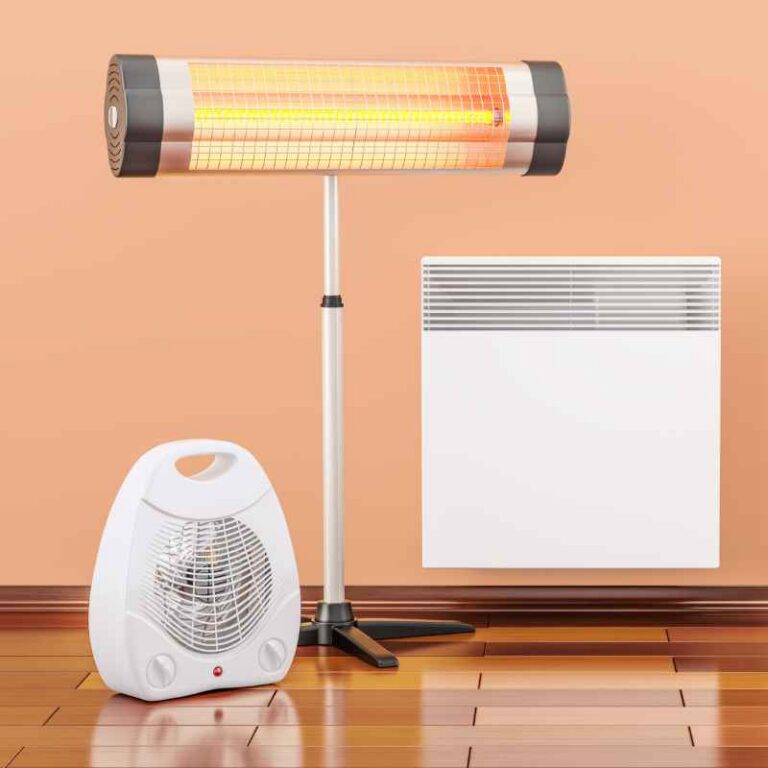
Halogen and infrared heaters are not the same thing, though they both use radiant heat. Halogen heaters are a type of electric heater that uses a halogen lamp to produce heat and light. Infrared heaters are a broader category that emit infrared radiation to warm objects and people directly, and can use various technologies, including halogen lamps, to do so.
Understanding Radiant Heat
Think about standing in the sun. You feel warm, right? That’s radiant heat.
It travels in waves. These waves pass through the air. They heat up objects they touch.
This includes you! Your skin absorbs the warmth. Your furniture absorbs it too.
It’s different from convection heat. Convection heat warms the air first. Then the air warms you.
Most modern home heaters use some form of radiant heat. It’s very efficient for spot heating. You can feel the warmth almost instantly.
This is why people love them for garages, patios, or chilly rooms. They don’t waste energy heating the whole house.
What is a Halogen Heater?
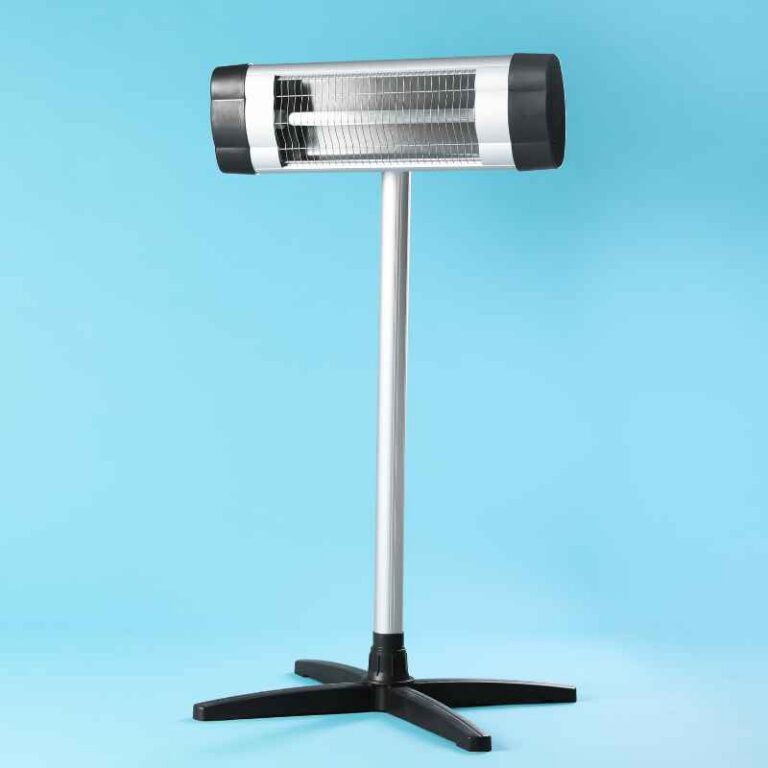
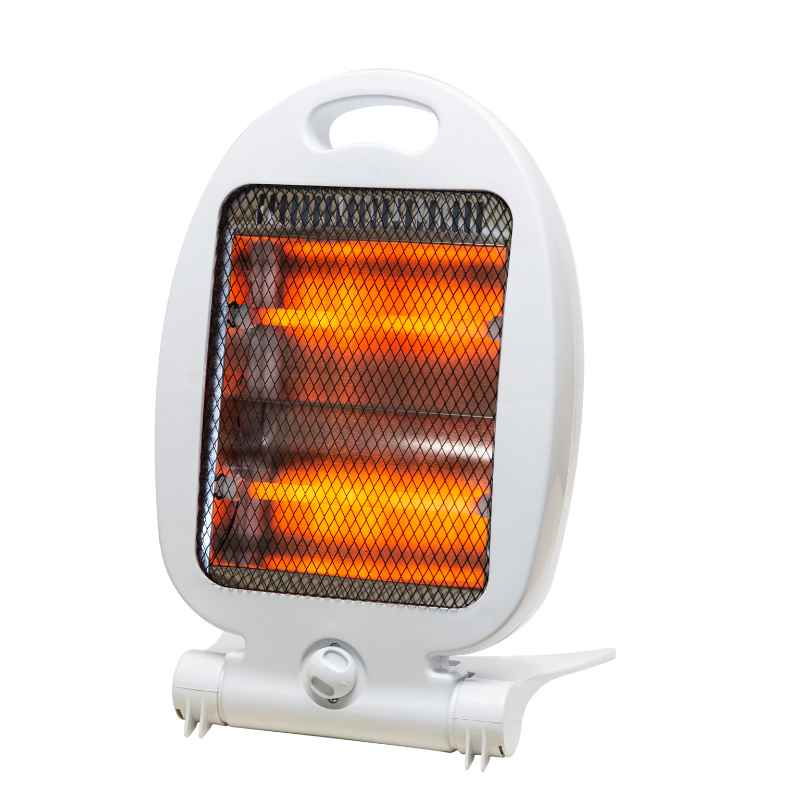
A halogen heater is a specific type of electric heater. It uses a special kind of bulb. This bulb is similar to the ones in some car headlights.
It’s filled with halogen gas. This gas helps the filament last longer. It also makes the bulb burn brighter and hotter.
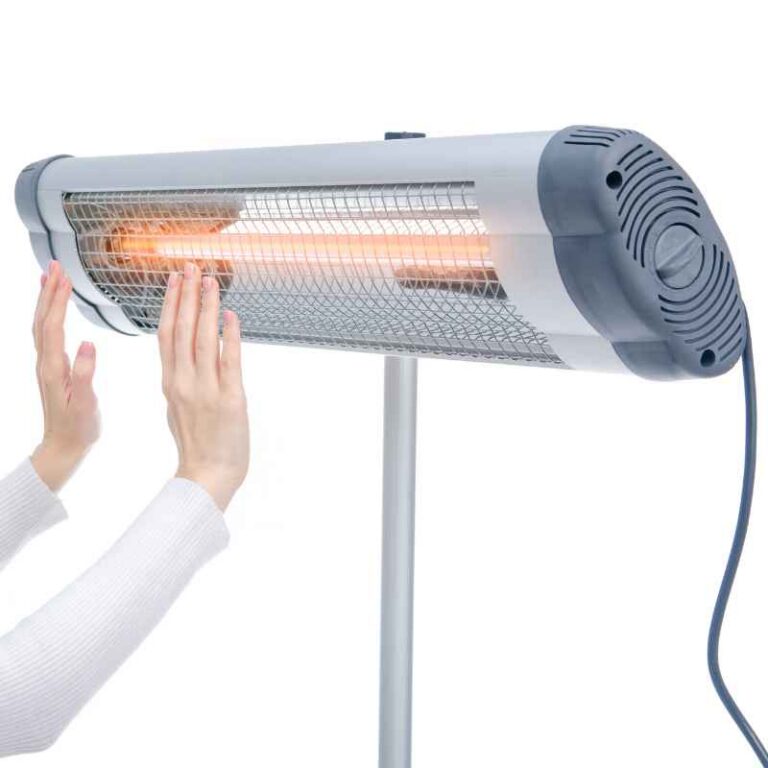
When you turn on a halogen heater, electricity flows to the filament inside the bulb. This filament gets very hot. It glows bright white or yellow.
This glow means it’s giving off heat and light. The heat it produces is mostly infrared radiation. But it also gives off a noticeable amount of visible light.
These heaters are good at warming a small area quickly. You can stand in front of one and feel warm right away. They are often used for temporary heat.
Think of them for a cold office desk or a small workshop. They are usually quite affordable to buy. The bulbs themselves can be replaced if they burn out.
The main thing to remember is that a halogen heater is a device that uses halogen bulbs to create heat. It’s a specific design. The heat it produces is a form of infrared radiation.
But the term “halogen heater” focuses on the bulb technology used.
Halogen Heater – Key Features
Technology: Uses halogen lamps (bulbs).
Heat Output: Primarily infrared radiation.
Visible Light: Emits significant visible light (glow).
Use Case: Quick, direct heating of small areas.
Pros: Fast warmth, affordable purchase price.
Cons: Can be too bright for some, bulbs have a lifespan.
What is an Infrared Heater?
Infrared heaters are a much broader category. They are defined by how they produce heat. They emit infrared radiation.
This radiation is a type of electromagnetic wave. It’s invisible to the human eye. But we feel it as heat.
Think of the heat you feel from a campfire. That’s infrared. Or the warmth from the sun on your skin.
That’s infrared too. Infrared heaters work by emitting these waves. These waves travel outwards.
They heat up anything they hit. This means they heat people, furniture, and walls directly. They don’t need to heat the air in between.
There are many ways to create infrared heat. Some infrared heaters use quartz tubes. Others use ceramic elements.
And yes, some use halogen lamps! So, a halogen heater is actually a type of infrared heater. But not all infrared heaters are halogen heaters.
Infrared heaters are great for many situations. They are used in homes for primary heating. They are also used in industrial settings.
Think of drying paint or warming up large warehouses. They can be very energy-efficient. They provide consistent warmth.
They can also be set up in zones. This means you only heat the areas you need.
The spectrum of infrared radiation is wide. Different types of infrared heaters emit different wavelengths. Some might be short-wave, others medium-wave, and some long-wave.
Each has its own characteristics and best uses. Short-wave infrared is intense and fast. Long-wave infrared is gentler and spreads more widely.
Infrared Heater – Key Features
Technology: Emits infrared radiation.
Heat Output: Direct warming of objects and people.
Visible Light: Varies; some emit light, others do not.
Use Case: Wide range, from personal comfort to industrial applications.
Pros: Efficient, direct warmth, can be energy-saving.
Cons: Effectiveness depends on wavelength and placement.
The Core Difference: Technology vs. Principle
The main way to tell them apart is this: “infrared heater” describes the principle of heating. It’s about the radiation. “Halogen heater” describes the technology used to create that radiation.
Specifically, it’s about the halogen bulb.
Imagine you have a fruit salad. “Fruit salad” is the general category. It’s the principle.
Then you might have “strawberry fruit salad” or “melon fruit salad.” These describe the main fruit used, a specific technology. A halogen heater is like a “halogen-powered infrared heater.”
So, all halogen heaters produce infrared heat. But not all infrared heaters use halogen bulbs. Some use other methods to generate infrared waves.
This is a really important distinction. It helps you understand what you’re buying.
My Own “Aha!” Moment
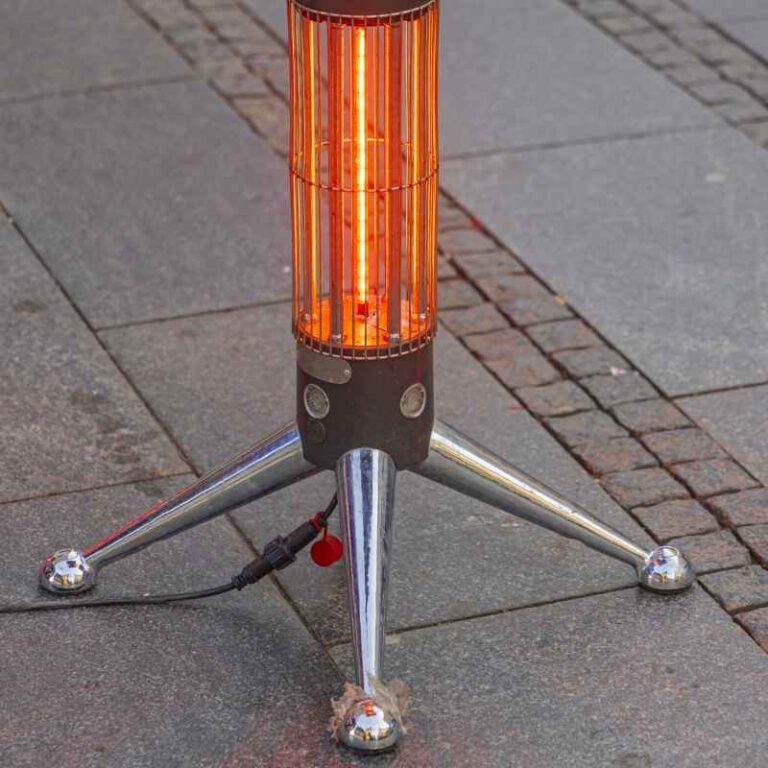
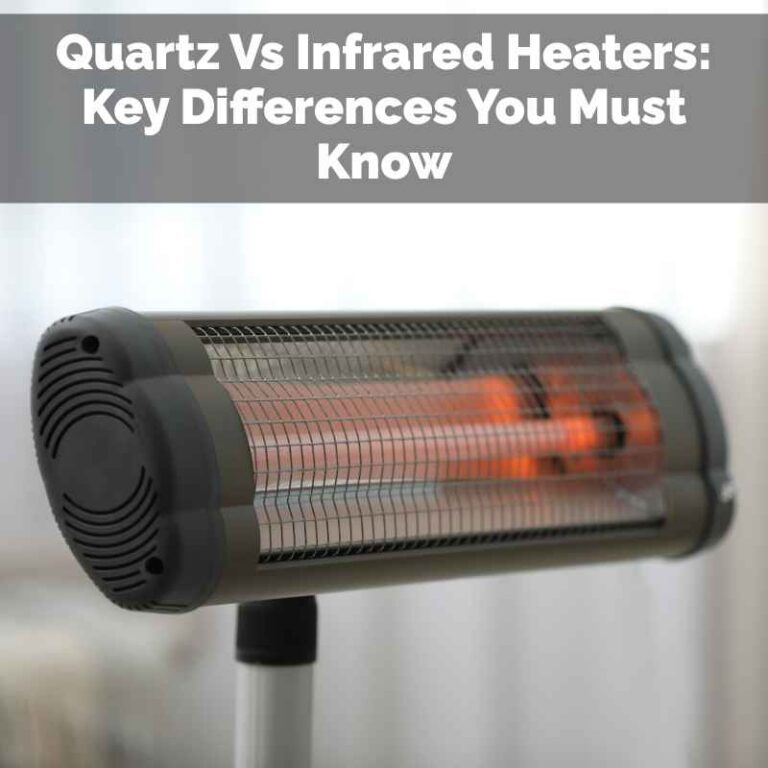
I remember setting up my first patio heater. It was one of those tall, sleek ones. The box said “infrared patio heater.” It had a visible element inside that glowed orange.
I loved how quickly I felt warm. It made cool evenings enjoyable.
Later, I was looking for a small heater for my home office. I saw a desk heater that looked like a lamp. It had a bright, glowing bulb.
The description said “halogen heater.” I thought, “Wait, is this the same thing?” It felt similar – instant warmth.
I started reading more. I learned that the glowing bulb in the desk heater was a halogen lamp. This lamp produced heat.
And that heat was infrared radiation. So, in a way, both heaters were using infrared heat. But one specified the type of bulb (halogen) while the other just stated the method of heating (infrared).
It clicked for me then. One is a specific tool (halogen lamp) that achieves a broader goal (infrared heating). It’s like saying a “hammer” versus a “tool for driving nails.” A hammer is a specific tool that achieves the goal of driving nails.
But there are other tools that can also drive nails.
How Each Type Works: A Closer Look
Let’s dive a bit deeper into the mechanics. It’s not super technical, just enough to understand the process.
Halogen Heater Mechanics
Inside a halogen heater, you find one or more halogen bulbs. These bulbs are made of quartz glass. This glass can withstand high temperatures.
Inside the bulb is a tungsten filament. This filament is a thin wire. When electricity passes through it, it heats up intensely.
The key is the halogen gas (like iodine or bromine) inside the bulb. This gas creates a special cycle. When the tungsten filament gets hot, some tungsten atoms vaporize.
These atoms would normally deposit on the bulb wall. This darkens the bulb and shortens its life.
But the halogen gas reacts with these vaporized tungsten atoms. It forms a gas compound. This compound then circulates back towards the hot filament.
Near the filament, the heat breaks down the compound. The tungsten redeposits back onto the filament. The halogen gas is released to repeat the cycle.
This process is called the halogen cycle. It allows the filament to burn hotter and brighter. It also makes the bulb last much longer.
Because the filament gets so hot, it emits a lot of radiation. This radiation is mostly in the infrared spectrum. It also emits visible light, which is why you see the bright glow.
The heater itself usually has a reflector behind the bulb. This reflector bounces the heat and light forward. This directs the warmth towards where you want it.
Some models have oscillating heads. This helps spread the heat around a bit.
Infrared Heater Mechanics (General)
Infrared heaters, in general, work by heating an element. This element then radiates infrared energy. The specific element and how it’s heated varies greatly.
- Quartz Tube Heaters: These often use quartz tubes as the heating element. Inside the tubes are resistance wires. When electricity flows, these wires get hot. The quartz tube itself then radiates infrared heat. Some quartz tube heaters might contain halogen lamps inside the tubes, making them a type of halogen heater too.
- Ceramic Heaters: These use ceramic materials. Ceramic elements are heated by electrical resistance. They can reach high temperatures and emit infrared radiation. These are common in many panel or wall-mounted infrared heaters.
- Carbon Fiber Heaters: These use carbon fiber elements. Carbon fiber is very efficient at producing infrared heat. They can be quite thin and flexible, allowing for different heater designs.
- Panel Heaters: Many panel heaters are designed to emit far-infrared radiation. They often have a flat surface that heats up. This surface then radiates heat outwards. They might use ceramic or other materials inside.
Regardless of the specific element, the core principle is the same. Electricity heats something up. That something then emits infrared waves.
These waves travel outwards. They heat objects and people directly. The key difference from halogen is that many infrared heaters are designed to emit little to no visible light.
They focus purely on the heat-generating radiation.
Visible Light: A Big Distinction
One of the most noticeable differences is the visible light produced. Halogen heaters are famous for their bright glow. When you turn one on, you get instant light and heat.
This can be a pro or a con, depending on your needs.
For some, the light is a benefit. It can act as a secondary light source. This is handy in a garage or a workshop where you might need extra light anyway.
It can also create a cozy, fireplace-like ambiance in some settings.
However, for others, the bright light is disruptive. If you’re trying to sleep or watch TV, the glare from a halogen heater can be annoying. Many people prefer a heater that just provides warmth without the visual distraction.
This is where non-halogen infrared heaters often shine.
Many modern infrared heaters are designed to be as invisible as possible. They use elements that heat up without a bright glow. Or they use special coatings and reflectors.
This allows you to get the benefits of radiant heat without the visual disturbance. This makes them more suitable for bedrooms, living rooms, or offices.
Light Output Comparison
Halogen Heaters
High Visible Light: Bright glow, like a lamp.
Benefit: Doubles as a light source.
Drawback: Can be too bright, distracting.
Non-Halogen Infrared Heaters
Low or No Visible Light: Emit heat without significant glow.
Benefit: Less intrusive, good for all rooms.
Drawback: No secondary light source.
Heat Intensity and Feel
The feel of the heat can also differ. This often relates to the wavelength of the infrared radiation being emitted.
Halogen heaters, due to their very hot filaments, tend to emit short-wave infrared. This type of radiation is intense. It feels very warm, almost hot, very quickly.
You can feel the direct heat on your skin almost immediately, even from a distance.
This makes them excellent for immediate comfort in a specific spot. If you’re standing in front of one, you’ll feel warm fast. However, this intense heat can sometimes feel harsh.
It also doesn’t penetrate as deeply into objects.
Other types of infrared heaters might emit medium-wave or long-wave infrared. Medium-wave is a good balance. It provides warmth that penetrates a bit deeper than short-wave.
Long-wave infrared is gentler. It spreads out more evenly. It warms objects and surfaces more subtly but consistently.
Think of it like this: short-wave (halogen) is like a spotlight of heat. Long-wave is like ambient warmth. Medium-wave is somewhere in between.
The type of infrared a heater produces impacts how the heat is felt. It also affects how well it warms a space or objects.
Energy Efficiency and Cost
When people ask if halogen and infrared heaters are the same, cost is often a factor. Both can be very energy-efficient if used correctly. However, there are nuances.
Purchase Cost: Halogen heaters are often the most affordable to buy. You can find small desk models for well under $50. Larger ones are also typically cheaper upfront than many other types of infrared heaters.
Running Cost: This is where it gets more complex. Both types convert electricity to heat with almost 100% efficiency. The difference comes in how they deliver that heat and how you use them.
A halogen heater’s intense, direct heat can make you feel warm very quickly. This means you might turn it off sooner. If you only need heat for short bursts, a halogen heater can be very cost-effective.
However, because they also produce a lot of visible light, some of the energy is going into illumination, not just heat.
Other infrared heaters, especially those emitting longer wavelengths, provide a more ambient warmth. They might take a little longer to feel the full effect. But this warmth can be more evenly distributed.
For larger spaces or longer heating periods, a well-placed, efficient infrared heater might be more economical overall.
Consider the wattage. A 1500-watt heater will use 1500 watts, regardless of whether it’s halogen or another type of infrared. The key is matching the heater to the space and your needs.
For a small, drafty room, no heater will be truly cheap to run. But for targeted heating, both types can save money compared to heating an entire house.
A crucial point is that infrared heating, in general, is often more efficient for spot heating than convection heaters. This is because you’re warming people and objects directly, not wasting energy on the air. This principle applies to both halogen and other infrared types.
Applications and Best Uses
Understanding where each type excels helps clarify their differences.
Where Halogen Heaters Shine
Halogen heaters are fantastic for quick, localized heat. Think about these scenarios:
- Personal Spot Heating: Keeping your feet warm under a desk. Warming your hands when working in a garage.
- Temporary Heating: Quickly warming up a small bathroom before a shower. Providing extra heat on a chilly patio for a short time.
- Workshops and Garages: Where a bright light is often welcome.
- Budget-Friendly Options: When the initial purchase price is a primary concern.
They are also sometimes used in commercial settings, like outdoor restaurant patios, though more robust outdoor-rated infrared heaters are common there too.
Where Other Infrared Heaters Excel
The broader category of infrared heaters offers more versatility:
- Whole-Room Heating: Panel and ceramic infrared heaters can effectively warm entire rooms. They provide a more even, less intense warmth.
- Living Spaces and Bedrooms: Their lack of bright light makes them ideal for areas where visual comfort is important.
- Outdoor Coverage: More powerful outdoor infrared heaters are designed to withstand weather and provide warmth over larger areas.
- Health and Wellness: Some infrared saunas use specific wavelengths for therapeutic benefits.
- Industrial Applications: Drying, curing, and heating large spaces where intense, directed heat is needed.
The key is matching the heater’s output, wavelength, and design to the intended use. A large, poorly insulated room will struggle with a small halogen heater, no matter how efficient it is at converting electricity to heat.
Real-World Scenarios and User Habits
Let’s look at how people actually use these heaters and what happens.
In my own home, I have a halogen heater I use in my basement workshop. It’s a small space. I only spend a few hours there at a time.
The heater sits on a workbench. When I switch it on, the bright light immediately makes the area feel more welcoming. I feel the warmth on my face and arms within seconds.
It’s perfect for those short bursts of activity. I don’t need it to heat the entire basement, just my immediate workspace. The extra light is a bonus when I’m looking for tools.
My neighbor, however, uses a tall, slim infrared panel heater in her living room. She wants to supplement her central heating in the winter. She doesn’t want a bright light disrupting her evening.
This panel heater sits against a wall. It emits a gentle, steady warmth. She says it takes about 15-20 minutes to feel the full effect, but then the room feels cozy and even.
She can read or watch TV without any glare. This heater is designed to provide ambient warmth, not instant blasts of heat.
One common habit people have is placing heaters too close to themselves. While infrared heat warms objects directly, standing too close to a powerful halogen heater can feel uncomfortable. It’s like standing too close to a campfire – you feel the intense heat on your front but your back might still be cold.
Proper placement is key for both types.
Another habit is misunderstanding how they work. Some people expect any radiant heater to warm an entire room like a convection heater. They might buy a small halogen heater for a large living room and be disappointed.
They think the heater is faulty because the room stays cold. In reality, they’re using the wrong tool for the job. It’s designed for spot heating, not whole-room heating.
My experience has taught me that the “why” behind the purchase matters. Are you trying to chase away a chill for a few minutes? A halogen heater is great.
Are you looking to add consistent, unobtrusive warmth to a living area? A non-halogen infrared panel might be a better fit.
When It’s Normal vs. When to Worry
Both halogen and infrared heaters are generally safe when used as directed. But like any electrical appliance, there are things to watch out for.
Normal Operation
- Feeling Warmth Quickly: This is the primary function. You should feel heat radiating towards you almost instantly with halogen heaters, and within a few minutes with other types.
- Visible Light (Halogen): A bright, yellowish or orangish glow from the bulb is normal for halogen heaters.
- Slight Odors Initially: Sometimes, new heaters can have a faint, “new appliance” smell for the first hour or two of use. This is usually dust burning off. It should dissipate quickly.
- Warmth on Surfaces: Infrared heat will warm surfaces it touches, like walls or furniture, if placed close enough.
When to Worry
- Overheating: If the heater itself feels excessively hot to the touch (beyond the heating element), or if you smell a strong burning odor, turn it off immediately. This could indicate a fault.
- No Heat Output: If the bulb glows but you feel no heat, or if the heater simply won’t turn on, there might be an electrical issue or a burned-out element/bulb.
- Strange Noises: Any buzzing, sparking, or popping sounds are a cause for concern. Turn the heater off and unplug it.
- Damaged Cords or Plugs: Never use a heater with a frayed or damaged power cord.
- Excessive Brightness (Disruption): While light is normal for halogen, if it’s so bright it’s causing eye strain or preventing sleep in a bedroom, consider a less bright model or a different type of heater.
- Placing Flammable Materials Too Close: Never place curtains, paper, or other flammable items near any heater. This is a fire hazard. Always maintain a safe distance as per the manufacturer’s instructions.
If you have any doubts about your heater’s performance or safety, it’s always best to consult the user manual or contact the manufacturer. For electrical safety, if you suspect an internal fault, an electrician should inspect it.
Quick Tips for Using Your Heater Wisely
Getting the most out of your heater is easy with a few simple strategies.
Tips for Halogen Heaters
- Position for Direct Heat: Place it so the front is facing the area you want to warm.
- Use for Short Durations: Ideal for tasks that don’t require hours of continuous heat.
- Mind the Light: Be aware of the brightness if using it in living areas or bedrooms.
Tips for Infrared Heaters (General)
- Allow Warm-Up Time: Give longer-wave heaters 15-30 minutes to fully warm the space.
- Consider Placement: Place them where they can radiate heat into the living space, not just towards a wall.
- Zone Heating: Use them to warm specific rooms or areas, rather than heating the whole house.
- Check Wavelength: If you prefer gentler warmth, look for medium or far-infrared models.
General Tips for All Radiant Heaters
- Safety First: Always keep them away from flammable materials. Never cover them.
- Check for Damage: Inspect cords and plugs before each use.
- Clean Regularly: Dust buildup can reduce efficiency. Wipe them down gently with a dry cloth as per the manual.
- Match Wattage to Space: Don’t use a tiny heater for a huge room.
- Read the Manual: Always follow the manufacturer’s specific instructions for your model.
Quick Scan: Halogen vs. Infrared
| Feature | Halogen Heater | Other Infrared Heaters |
|---|---|---|
| Primary Heat Type | Infrared (from halogen lamp) | Infrared (various elements) |
| Visible Light | High | Low to None |
| Heat Feel | Intense, direct, fast | Varies: ambient to direct |
| Best For | Spot heating, quick warmth | Zone heating, ambient warmth, all rooms |
| Purchase Cost | Generally lower | Varies, can be higher |
Frequently Asked Questions
Are halogen heaters safe for bedrooms?
Halogen heaters can be used in bedrooms, but their bright light might disturb sleep for some people. If you need heat in a bedroom, consider an infrared heater that emits little to no visible light, or use the halogen heater only for a short time to warm the room before bed.
Can I use an infrared heater to heat my entire house?
While some powerful infrared heaters can warm larger spaces, they are generally most effective for zone heating. Using multiple infrared heaters in rooms you use most often is typically more efficient than trying to heat an entire house with one or two units. Central heating systems are usually better for whole-house heating.
How long do halogen bulbs last?
Halogen bulbs used in heaters can last for several thousand hours, depending on the quality of the bulb and how often the heater is used. The halogen cycle helps them last longer than standard incandescent bulbs. When one burns out, it can usually be replaced.
Is infrared heat dry heat?
Infrared heat itself doesn’t add or remove moisture from the air. However, the sensation of warmth can sometimes make dry air feel even drier. If you experience dry air, using a humidifier alongside any heating system, including infrared, can help.
Which is better for a bathroom: halogen or infrared?
Both can work, but consider the specific needs. A halogen heater can quickly warm you up while you’re getting ready, but its light might be too bright for a relaxed atmosphere. A non-halogen infrared panel heater might provide a more consistent, gentle warmth without the glare, making it better for general bathroom comfort.
Always ensure any heater used in a bathroom is rated for damp environments.
Do infrared heaters use a lot of electricity?
Infrared heaters, like all electric resistance heaters, convert electricity into heat with very high efficiency (nearly 100%). Their electricity usage is determined by their wattage. A 1500-watt heater will use 1500 watts per hour.
They can seem to use a lot because they are often used for supplemental heating, but for targeted warmth, they can be more efficient than heating the whole house.
Conclusion: Understanding Your Heat Options
So, to wrap it up, halogen and infrared heaters are related but distinct. A halogen heater is a specific type of infrared heater, using a halogen bulb to generate heat and light. Infrared heating is a broader principle of warming via radiation.
Knowing this difference helps you pick the right heater for your home. Whether you need quick, bright warmth or gentle, ambient heat, there’s an option for you. Always prioritize safety and match the heater to your specific needs and space.
Sponsored / affiliate links. As an Amazon Associate I earn from qualifying purchases. I may earn additional commission from eligible campaigns.