Do The Walls Of My House Radiate Infrared Light Inside?
It’s a bit of a head-scratcher, isn’t it? You’re sitting in your living room, maybe it’s a chilly evening, and you start wondering. Do the walls around you actually give off heat, like a gentle warmth you can feel?
This thought might pop up when you’re near a wall and feel a difference in temperature, or perhaps you’ve heard about infrared light in other contexts and wondered if your home is emitting it. Let’s dive in and make sense of this. We’ll explore how heat works in your home and whether your walls are like tiny invisible heaters.
Most house walls do not actively radiate infrared light in a way that feels like heat. Walls can feel warm or cold due to heat transfer, but this is about how they conduct or reflect existing heat, not generate it. True radiation comes from heat sources within the room.
Understanding How Walls Interact With Heat
When we talk about heat, it’s important to know it moves in three main ways. These are conduction, convection, and radiation. Our walls are mainly involved with conduction and radiation, but not in the way you might first think.
Conduction is like a chain reaction. Heat energy bumps from one molecule to another. When you touch a warm mug, the heat moves from the mug to your hand.
In your house, if the outside air is very cold, heat from your warm inside air will try to move through the wall to the colder outside. The wall conducts this heat.
Convection is about moving fluids, like air or water. Warm air rises, and cold air sinks. This is how a room gets heated by a radiator or cooled by an air conditioner.
The air moves around the room, carrying heat with it.
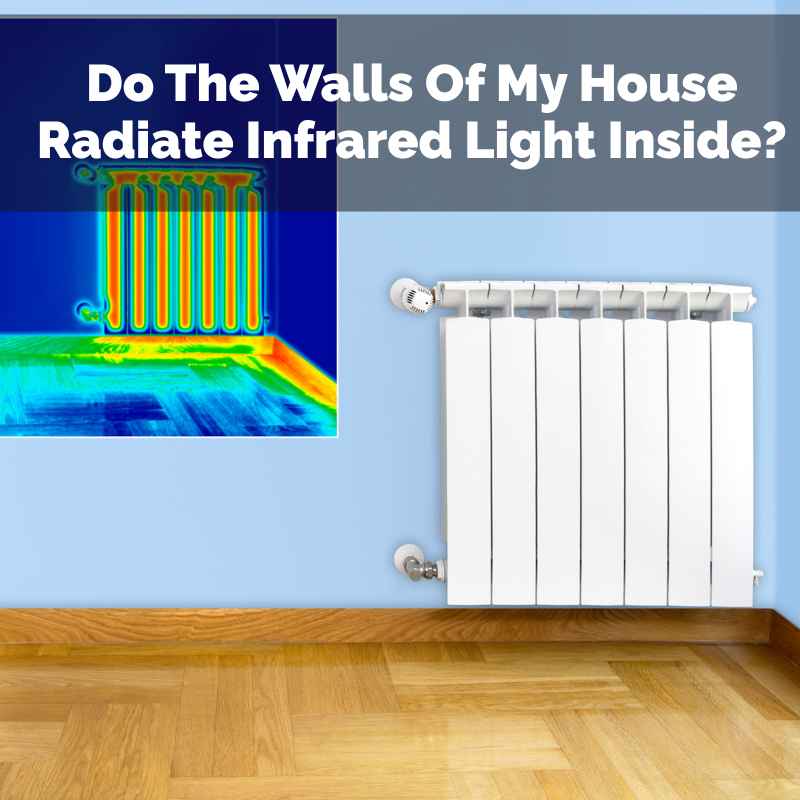
Radiation is different. It’s how the sun warms your face or how a campfire keeps you toasty. Heat travels in invisible waves, like light.
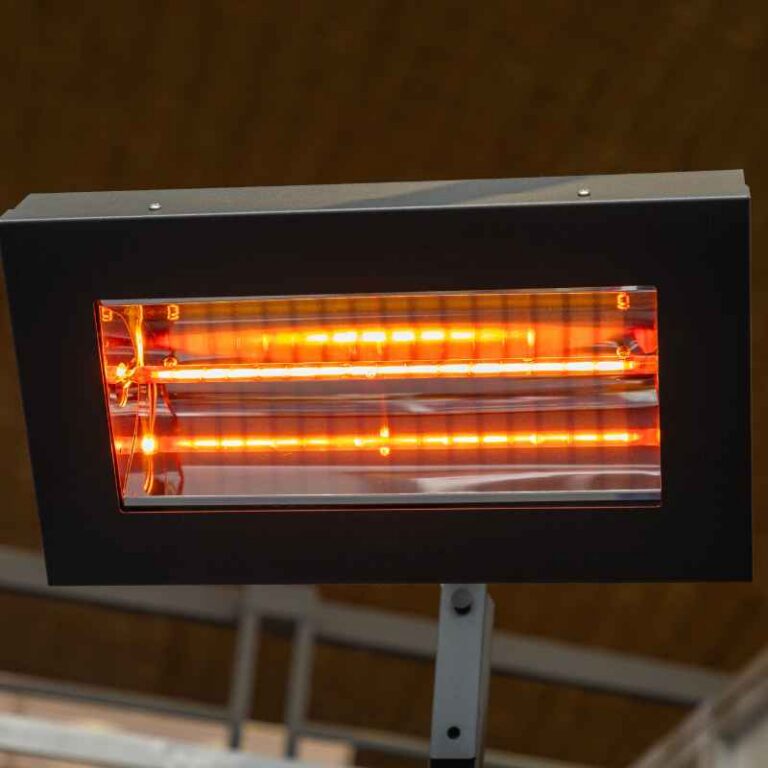
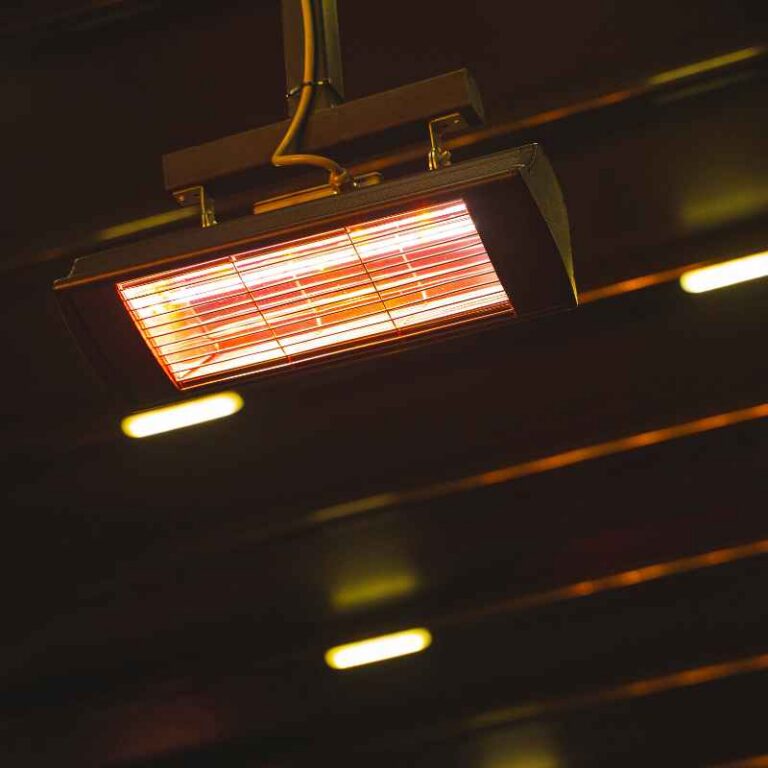
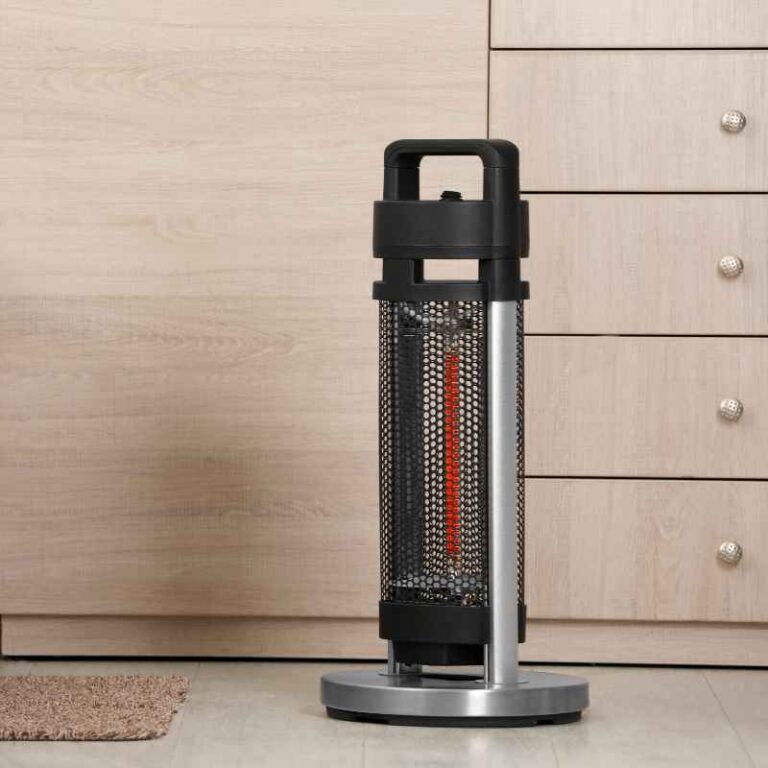
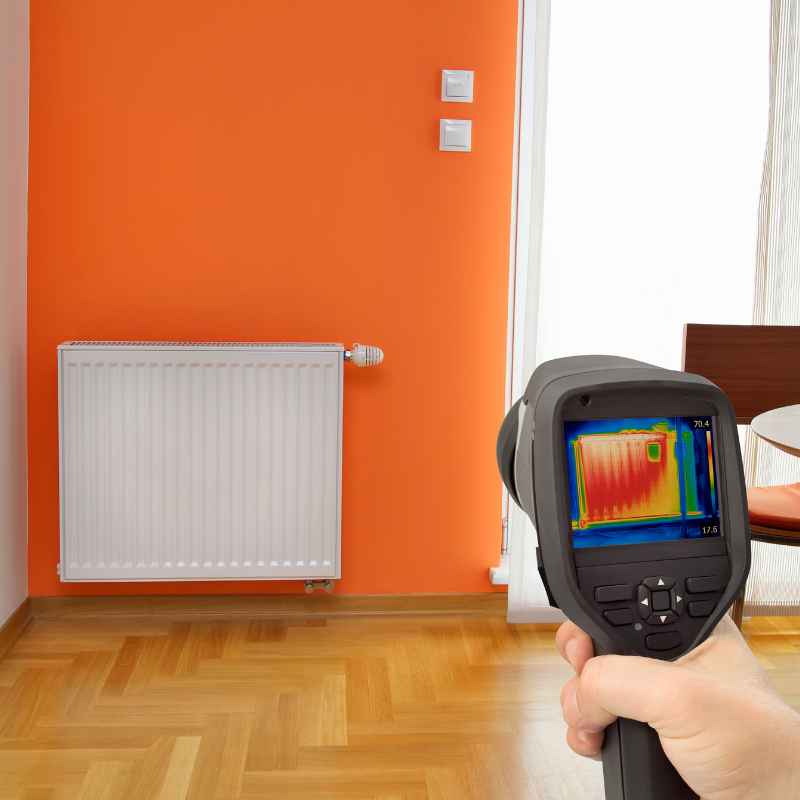
These waves don’t need anything to travel through. They can go through empty space. A radiator or a warm object in a room gives off infrared radiation.
This is the heat you feel directly, even if the air around it isn’t very warm.
So, walls can get warm or cold. This happens because they are part of the building’s structure. They are in contact with the air inside and the air outside.
Or they might be next to a heated space or an unheated space.
The Role of Walls in Heat Transfer
Walls themselves don’t make heat. They are made of materials like wood, drywall, brick, or insulation. These materials can get warmer or cooler depending on what’s happening around them.
It’s like a sponge soaking up water. The wall soaks up or gives off heat.
If you have a hot radiator in a room, it gives off infrared radiation. This radiation bounces around. Some of it hits the walls.
The walls absorb this heat energy. Then, the walls themselves can become warmer. Once warm, the walls can then release some of this heat back into the room, also through radiation.
They can also transfer heat to the air touching them through conduction and convection.
Conversely, if it’s very cold outside, your heated indoor air is trying to escape. Heat conducts through the wall materials. This makes the inside surface of the wall cooler.
The wall then absorbs heat from the air in your room. This can make the room feel cooler, even if the air temperature is okay. This is why good insulation is so important.
Insulation is designed to slow down this heat transfer.
Think of it this way: A wall is like a barrier. This barrier can be warm or cold. But it’s not a heater on its own.
It’s more like a conductor or an insulator. It manages the flow of heat that already exists.
Personal Experience: The Cold Sunroom Wall
I remember a house I rented years ago. It had this amazing sunroom. It was made almost entirely of glass.
In the winter, on a sunny day, it would get incredibly warm. The glass would absorb the sun’s rays. This made the glass, and the air inside the sunroom, very hot.
The heat would then radiate into the main part of the house.
But then, when the sun went down, or if it was a cloudy day, that sunroom became a different story. The glass walls would get really cold. I could feel a distinct chill radiating from them, even though the thermostat in the main house was set to a normal temperature.
It wasn’t that the glass was actively sending out cold. It was that the glass had lost its absorbed heat and was now very cold. It was absorbing heat from me and the room.
It made me realize how much walls and windows affect our sense of warmth and comfort.
I used to sit near the main house walls on cold nights. They felt much warmer than the glass walls. This was because the main house walls had insulation.
They were doing a good job of keeping the indoor heat in. The sunroom walls, with less insulation and a lot of glass, were much less efficient. They allowed heat to escape easily and became cold surfaces.
It wasn’t a magical radiation of heat from the walls. It was about the temperature of the wall surface itself. And that surface temperature was directly influenced by the heat outside and the insulation inside.
How Walls Get Warm or Cold
Inside Air Temperature: If your room is heated, the air warms the wall surface.
Outside Air Temperature: If it’s cold outside, the wall surface cools down.
Sunlight: Direct sun on a wall can heat it up significantly.
Heat Sources: Radiators, lamps, or even people in a room add heat that can be absorbed by walls.
Insulation: This material slows down how quickly heat moves through the wall.
The Science Behind Wall Temperature
The key concept here is thermal equilibrium. Objects in a room tend to want to reach the same temperature over time. If a wall is next to a much hotter area, it will get hotter.
If it’s next to a much colder area, it will get colder. It’s trying to balance out the heat.
Thermal Radiation is what we feel from the sun or a fire. All objects with a temperature above absolute zero emit thermal radiation. The warmer an object, the more radiation it emits.
Your body emits infrared radiation. A warm wall also emits radiation. But the intensity of that radiation depends on its temperature.
If a wall is the same temperature as you, it won’t feel particularly warm or cold. If it’s warmer, it will radiate heat towards you. If it’s colder, it will absorb heat from you, making you feel cold.
This is why a room with a high air temperature but cold walls can feel uncomfortable. You lose heat to the cold walls faster than you gain it from the air.
Modern homes are built with insulation. This is usually in the wall cavity. Materials like fiberglass, foam, or cellulose trap air.
Air is a poor conductor of heat. This trapped air makes it hard for heat to move through the wall. So, the inside surface of the wall stays closer to the room’s air temperature.
In older homes, or homes with poor insulation, heat can move more easily. This means the inside wall surface can get much colder in winter and much hotter in summer. This temperature difference is what makes you think the wall might be radiating something special.
It’s just reflecting its own temperature and interacting with the room’s heat.
Insulation: The Key Player
Purpose: To slow down heat transfer.
How it Works: Traps air pockets, which are poor heat conductors.
Types: Fiberglass batts, spray foam, cellulose, rigid foam boards.
Location: Typically in wall cavities, attics, and crawl spaces.
Benefit: Keeps homes warmer in winter and cooler in summer. Saves energy.
What Does This Mean for Your Home’s Comfort?
The temperature of your walls has a big impact on how comfortable you feel. This is often more important than just the air temperature. If your walls are cold, you’ll feel chilly even if the thermostat says it’s warm.
If your walls are very hot, the room can feel stuffy and warm.
Many people notice this near windows and exterior doors. These areas often have less insulation. They can be a source of drafts or cold spots.
Heat can also escape or enter through these weaker points in your home’s thermal barrier.
The idea of walls radiating infrared light isn’t wrong, but it’s incomplete. Any object with heat radiates. The crucial point is how much heat the wall has absorbed or lost.
A well-insulated wall will stay closer to your indoor temperature. It will radiate less heat away in winter and absorb less heat from outside in summer.
This is why energy efficiency upgrades are so important. Adding insulation, sealing air leaks, and upgrading windows can make a huge difference. It’s not just about saving money on bills.
It’s about making your home a more comfortable place to live. You feel more even temperatures throughout the house.
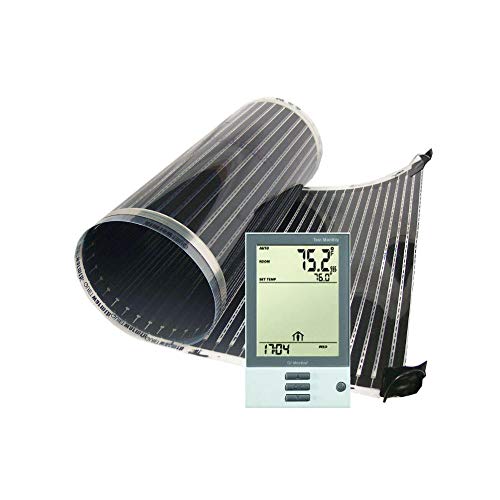
Consider your heating system. Some systems, like radiant floor heating, work by directly warming surfaces. These surfaces then emit infrared radiation.
This provides a very comfortable, even heat. It’s a different principle than forced air, which heats the air. Radiant systems heat objects and people directly.
Understanding Radiated Heat
Source: Any object with a temperature above absolute zero.
Mechanism: Travels as electromagnetic waves (infrared light).
Effect: Can be felt directly, even through air.
Intensity: Depends on the object’s temperature.
Examples: Sun, campfire, warm radiator, warm wall.
When to Be Concerned About Wall Temperatures
In most cases, walls feeling cooler or warmer than the air is normal. It’s a sign that heat is trying to move. The degree of this difference is what matters.
You should be concerned if:
- You feel extreme cold radiating from a wall. This could mean very poor insulation or a lack of a proper vapor barrier, allowing moisture to enter and cause cold spots.
- You see signs of moisture. Damp spots on walls, especially near the floor or ceiling, can indicate condensation. This happens when warm, moist indoor air hits a cold wall surface.
- There are large temperature differences across a wall. If one part of an exterior wall is significantly colder than another, it might point to an issue with the insulation.
- You notice mold or mildew. This often grows in damp areas, which can be caused by cold wall surfaces attracting condensation.
These issues are not about the wall magically radiating heat or cold. They are about the wall’s ability to maintain a stable temperature relative to your indoor climate. Poor performance here can lead to comfort problems and even structural damage over time.
A good way to check is to use a simple infrared thermometer. You can point it at different parts of your walls. Compare the readings.
See if there are large, unexplained cold spots on interior walls that should be warm.
Quick Wall Temperature Checks
Hand Test: Place your hand near a wall. Does it feel noticeably colder or warmer than the air?
Infrared Thermometer: Get a reading from different wall sections. Look for unusual cold spots.
Visual Inspection: Check for dampness, stains, or signs of mold near walls.
Drafts: Feel for air movement near the base or edges of walls.
Quick Tips for Wall Comfort
If you’re experiencing uncomfortable wall temperatures, here are a few things you can do. These are simple steps that can help improve comfort.
- Add insulation. This is the most effective long-term solution for walls that are too cold in winter or too hot in summer. This might involve adding insulation to an attic or crawl space, or in some cases, blowing insulation into wall cavities.
- Seal air leaks. Use caulk and weatherstripping around windows, doors, and any penetrations in walls (like pipes or vents). This stops drafts and prevents conditioned air from escaping.
- Use curtains or blinds. Heavy curtains can provide an extra layer of insulation. They can help keep heat out in the summer and in during the winter.
- Rearrange furniture. Don’t block heating vents or radiators with furniture. Ensure air can circulate freely. Also, consider moving seating away from very cold exterior walls in winter.
- Consider interior finishes. Lighter colors reflect more light and heat. Darker colors absorb more. For very cold walls, a thicker rug or tapestry might offer a small improvement in perceived warmth.
These tips focus on managing heat transfer. They help your walls stay at a temperature that feels comfortable. It’s about creating a better thermal envelope for your home.
Frequently Asked Questions
Do my walls produce heat like a heater?
No, your house walls do not produce heat like a heater. They can become warm or cold based on the temperature of the air around them, the sun’s heat, or heat sources in the room. Walls manage heat; they don’t create it.
Why do walls feel warm in the summer and cold in the winter?
In summer, walls absorb heat from the hot outside air and the sun. This makes them feel warm. In winter, they lose heat to the cold outside air, making them feel cold.
Insulation helps keep the inside wall temperature more stable.
Is it normal for exterior walls to feel colder than interior walls?
Yes, it is very normal for exterior walls to feel colder in winter than interior walls. Exterior walls are exposed to the outside temperature, while interior walls are typically surrounded by conditioned air on both sides.
Can I feel infrared light from my walls?
You can feel infrared radiation if the wall is significantly warmer than you. All objects radiate heat. If a wall is warm, it radiates heat.
If it is cold, it absorbs heat from you, making you feel cold. You feel the effect of the wall’s temperature.
What is the best way to stop my walls from feeling cold?
The best ways to stop walls from feeling cold are to improve insulation, seal air leaks, and ensure good ventilation. Adding insulation to wall cavities or exterior sheathing is highly effective.
How does a poorly insulated wall affect my energy bills?
A poorly insulated wall allows more heat to escape in winter and enter in summer. This means your heating and cooling systems have to work harder. This uses more energy and increases your utility bills.
Final Thoughts
So, to wrap it up, your house walls aren’t little infrared heaters. They are active participants in how heat moves around your home. They absorb, conduct, and radiate heat based on their temperature.
Understanding this helps you create a cozier, more energy-efficient space. It’s all about managing that heat flow.
Sponsored / affiliate links. As an Amazon Associate I earn from qualifying purchases. I may earn additional commission from eligible campaigns.