Are Natural Gas Infrared Heaters Dangerous To Use Indoors?
You want to feel cozy and warm without any worry. This guide will walk you through what you need to know. We’ll break down how these heaters work, the potential risks, and most importantly, how to use them safely.
By the end, you’ll have a clear picture and feel much more confident.
Natural gas infrared heaters can be used safely indoors if installed and operated correctly. Risks arise from improper use, poor ventilation, or faulty equipment, leading to potential carbon monoxide buildup or fire hazards. Always follow manufacturer guidelines and local codes for safe operation.
Understanding How Natural Gas Infrared Heaters Work
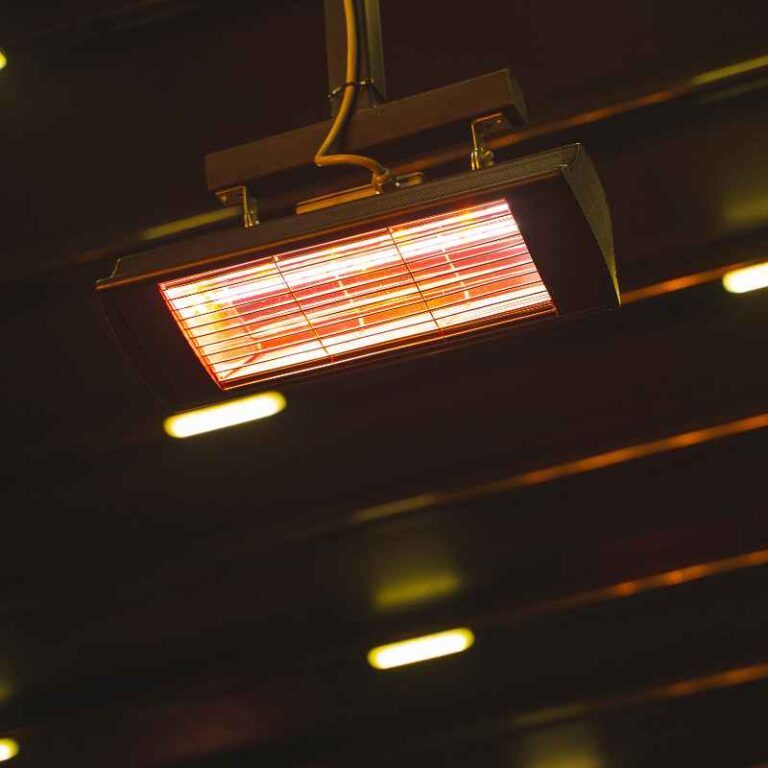
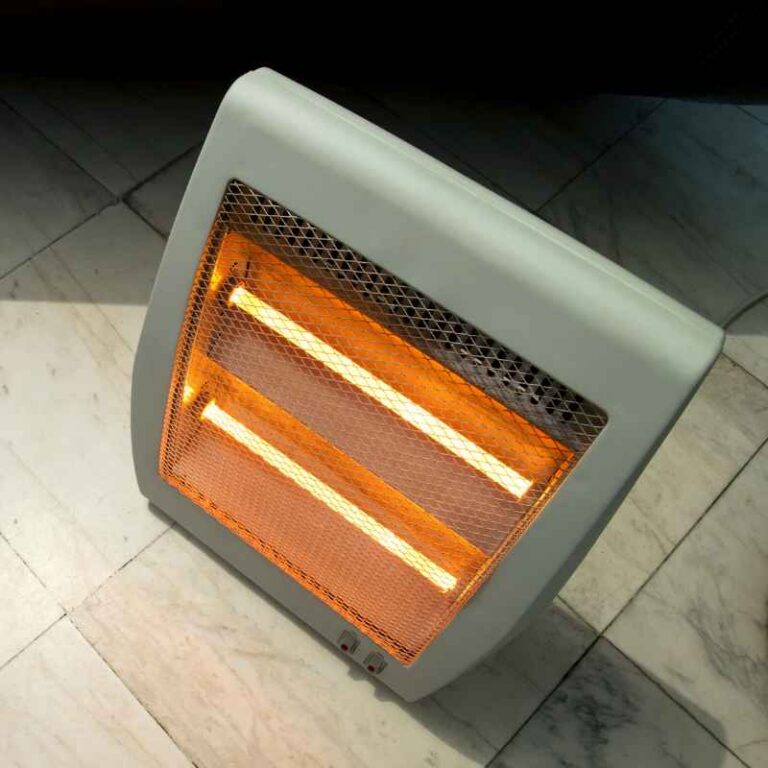
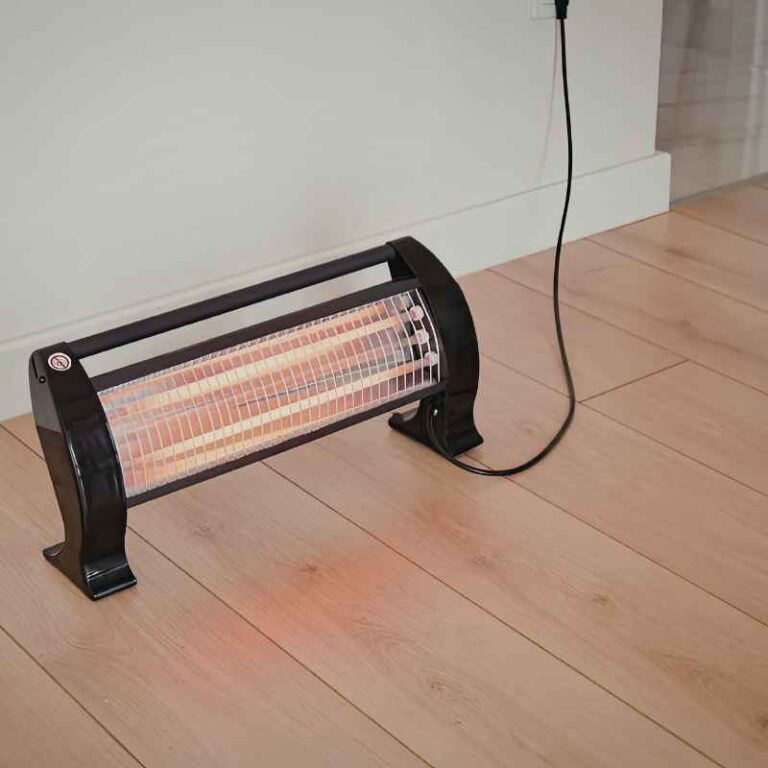
These heaters are a bit different from the heaters that blow hot air. Instead, they work by sending out infrared waves. Think of how the sun warms you up.
That’s similar to what infrared heat does. It directly heats objects and people in its path. It doesn’t heat the air first.
This means you feel warm almost instantly. The heat doesn’t get lost trying to warm up the whole room’s air. It’s very direct and efficient for spot heating.
The natural gas fuels the heater. This creates a hot surface or flame. This then emits the infrared radiation.
The main benefit is comfort. You can feel warm even if the room’s air temperature isn’t super high. This can also save energy.
You only heat the areas you need. Many people like this for workshops, garages, or even outdoor patios.
Potential Risks and Safety Concerns
When we talk about burning fuel indoors, safety is always the top priority. There are a few key things to be aware of with natural gas infrared heaters.
The biggest concern is carbon monoxide (CO). This is a colorless, odorless gas. It’s produced when fuels like natural gas don’t burn completely.
If your heater isn’t working right or if there’s not enough fresh air, CO can build up. Breathing in too much CO can make you very sick. In severe cases, it can be deadly.
Another risk is fire. Like any heating device, these heaters get hot. They need to be kept away from things that can burn.
This includes curtains, furniture, paper, and even pet bedding. If something flammable touches the hot parts, it can catch fire.
There’s also the risk of fuel leaks. Natural gas itself can be dangerous if it leaks. It’s flammable and can cause explosions.
While rare, this is why proper installation and maintenance are crucial.
Finally, some heaters produce moisture. As gas burns, it creates water vapor. If a room isn’t well-ventilated, this moisture can lead to problems.
It can cause mold and mildew to grow. This isn’t good for your health or your home.
My Own Close Call with an Unvented Heater
I remember one particularly chilly fall weekend. I had just bought a small, unvented gas heater for my garage workshop. I wanted to tinker with my woodworking projects without freezing.
It was supposed to be super efficient and heat up my space quickly.
I set it up in a corner, made sure it was upright, and lit it. Within minutes, the garage felt wonderfully warm. I was so pleased!
I got absorbed in sanding a piece of oak. The smell of the wood filled the air, mixed with the faint, almost sweet smell of the gas burning. I didn’t think much of it at the time.
After about an hour, I started to feel a bit off. My head felt foggy. I had a dull ache behind my eyes.
I just figured I was tired from working hard. Then, my cat, Whiskers, who usually loved hanging out with me, started acting strange. He was pacing nervously and kept sniffing the air near the heater, then backing away.
That’s when a little alarm bell went off in my head. I remembered reading about carbon monoxide. I hadn’t installed a CO detector in the garage.
That was a big mistake. I immediately turned off the heater. Then, I threw open the garage door and the workshop windows.
The fresh air rushed in.
Within about twenty minutes, I felt much better. The fog cleared. The headache faded.
Whiskers calmed down too. It was a stark reminder that even with simple, efficient heating, you absolutely must respect the potential dangers. That experience taught me a valuable lesson about ventilation and CO detectors.
It was a scary feeling, realizing how easily things could have gone wrong.
Infographic: Key Safety Checks Before Using Your Heater
1. Ventilation is Vital: Always ensure fresh air can get into the room. Open a window a crack.
Never use these heaters in a completely sealed space.
2. CO Detector Nearby: Have a working carbon monoxide detector. Test it often.
Place it close to where you use the heater.
3. Clearance is Key: Keep the heater at least three feet away from anything that can burn. This includes walls, curtains, and furniture.
4. Stable Surface: Make sure the heater sits on a flat, stable surface. It should not wobble or tip over easily.
5. Check for Leaks: If you smell gas, turn off the heater immediately and leave the area. Call your gas company.
Ventilated vs. Unvented Heaters: What’s the Difference?
This is a really important distinction when talking about indoor safety. There are two main types of natural gas infrared heaters: vented and unvented.
Vented heaters are designed to send exhaust fumes outside your home. They connect to a chimney or a special vent pipe. This is similar to how a furnace or water heater works.
Because the exhaust goes outside, the risk of carbon monoxide buildup inside is much lower. These are generally considered safer for continuous indoor use.
Unvented heaters, on the other hand, do not vent their exhaust outside. All the byproducts of combustion, including water vapor and potentially harmful gases, are released directly into the room. While they are often advertised as highly efficient, they require very specific conditions for safe use.
The main condition for unvented heaters is ample ventilation. This means you need to have a significant amount of fresh air circulating. For many people, this is hard to achieve consistently, especially in colder weather when windows are kept shut.
This is why using unvented heaters indoors often comes with strict warnings from manufacturers and building codes.
Contrast Matrix: Vented vs. Unvented
| Feature | Vented Natural Gas Infrared Heater | Unvented Natural Gas Infrared Heater |
|---|---|---|
| Exhaust Gases | Vented outside the home. | Released directly into the room. |
| Carbon Monoxide Risk | Much lower. | Higher; requires constant, adequate ventilation. |
| Moisture Production | Minimal indoors. | Significant; can lead to humidity issues. |
| Installation | Requires connection to a vent system. | Simpler; no venting needed. |
| Ideal Use | Primary or supplemental heating in living spaces. | Workshops, garages, or well-ventilated supplemental heat where codes allow. |
When It’s Okay to Use Them: Safe Indoor Scenarios
So, when is it actually safe to use a natural gas infrared heater indoors? The key always comes back to installation and ventilation.
For Vented Heaters: If you have a natural gas infrared heater that is properly vented through your home’s existing chimney system or a dedicated vent, it can be a safe and effective way to add heat. This is especially true for older homes or additions that might not have adequate central heating. Make sure the venting is inspected regularly.
You want to ensure there are no blockages or leaks in the pipe.
For Unvented Heaters: This is where it gets trickier. Many local building codes restrict or even ban the use of unvented natural gas appliances in occupied living spaces. However, they might be permitted in certain situations, like in a well-ventilated garage or workshop.
The definition of “well-ventilated” is critical here. It usually means having at least a certain square footage of opening to the outside air. Think about a garage door left open, or large windows that are consistently kept open.
Even when permitted, using unvented heaters requires constant vigilance. You absolutely must have a working carbon monoxide detector. You also need to ensure adequate air flow.
Never use an unvented heater in a bedroom or any space where someone will be sleeping without extreme caution and proper ventilation.
I’ve seen people use them in workshops where a large garage door is often open for hours. In those cases, the risk is significantly reduced because there’s a constant flow of fresh air. But if you plan to close up the space for warmth, an unvented heater becomes much more dangerous.
Quick-Scan Table: Ventilation Needs
Situation
Ventilation Requirement
Example Scenario
Vented Heater Use
Connects to a proper chimney or vent system.
Installed in a living room with a dedicated gas fireplace vent.
Unvented Heater in Occupied Space
Constant, significant fresh air exchange required.
Rarely recommended due to difficulty maintaining safe levels.
Unvented Heater in Garage/Workshop
Large openings to outside (e.g., open garage door, large windows).
Working on a car with the garage door open.
Installation and Maintenance: Your First Line of Defense
Proper installation and regular maintenance are not just good ideas; they are essential for the safe operation of any natural gas appliance. This is especially true for heaters.
Installation: For vented heaters, installation must be done by a qualified professional. They will ensure the venting system is correctly sized and sealed. They’ll also make sure it meets all local building codes.
Attempting to install a vented system yourself can lead to serious safety issues, like back-drafting of exhaust gases into your home.
For unvented heaters, while installation might seem simpler, there are still critical rules. The unit must be connected to the gas line correctly. The gas pressure needs to be set appropriately.
Again, if you are not comfortable or knowledgeable about gas appliance connections, hire a professional. Using the wrong type of connector or not sealing connections properly can cause leaks.
Maintenance: Regular checks are vital. For both types of heaters, you should inspect them visually before each use. Look for any signs of damage, rust, or corrosion.
Check that the burner area is clean.
For vented heaters, you need to ensure the vent pipe is clear of obstructions. Leaves, bird nests, or even snow can block vents. A blocked vent can force exhaust gases back into your home.
For unvented heaters, you need to ensure the pilot light or igniter is working correctly. You should also clean the burner assembly periodically according to the manufacturer’s instructions. This helps ensure the gas burns cleanly and efficiently.
Most manufacturers recommend annual professional servicing for natural gas heaters. A qualified technician can check the gas pressure, inspect the burner, and ensure all safety features are working. They can also detect any subtle issues that you might miss.
When to Worry: Signs of Trouble
Your senses are your best guide when it comes to gas appliances. Be aware of these warning signs:
Smell of Gas: This is the most obvious sign. Natural gas has a distinct “rotten egg” smell added to it for detection. If you smell gas, turn off the heater immediately.
Do not turn lights on or off, as a spark could ignite the gas. Leave the area and call your gas utility company from a safe distance.
Soot or Black Marks: If you see black soot around the heater or on nearby walls, it can indicate incomplete combustion. This means the heater is not burning the gas efficiently and is likely producing excess carbon monoxide. Turn off the heater and get it serviced.
Strange Noises: While some heaters make a soft whooshing sound, loud banging, hissing, or rattling noises can indicate a problem. This could be with the gas flow or internal components.
Yellow or Flickering Flame: The pilot light or main burner flame on a natural gas appliance should typically be a steady, blue color. If you see a yellow or flickering flame, it often means there’s not enough air for complete combustion.
Health Symptoms: As I experienced, symptoms like headaches, dizziness, nausea, fatigue, or shortness of breath can be signs of carbon monoxide poisoning. If you or anyone in your household experiences these symptoms while a gas appliance is running, assume the worst, turn off the appliance, and get fresh air immediately. Call for emergency medical help if symptoms are severe.
Stacked Micro-Sections: Essential Safety Items
Carbon Monoxide Detector: Mandatory for any indoor gas appliance use. Test monthly. Replace batteries yearly.
Replace unit per manufacturer date.
Ventilation: Open windows or doors slightly. Ensure constant airflow. Never use in a completely sealed room.
Clearance: Maintain minimum 3-foot distance from combustibles.
Stable Surface: Place on a flat, non-combustible surface.
Professional Check-ups: Annual inspections by a certified technician are highly recommended.
Real-World Context: Where These Heaters Fit Best
Natural gas infrared heaters aren’t typically designed as the sole heating source for an entire modern, well-insulated home. Their strengths lie in specific applications.
Workshops and Garages: This is a prime spot for them. These areas are often drafty and may not be heated at all. Infrared heaters can provide targeted warmth so you can work comfortably without overheating the whole structure.
Proper ventilation is key here, often achieved by simply keeping the main garage door partially open.
Basements and Unfinished Areas: If you have a basement that gets uncomfortably cold but isn’t a primary living space, a vented infrared heater can be a good solution. Again, ensure it’s properly installed and vented.
Screened-In Porches or Sunrooms: During cooler shoulder seasons, a vented infrared heater can extend the usability of these spaces. It provides a cozy warmth without needing to heat your entire house.
Emergency or Backup Heat: In areas prone to power outages, a natural gas heater can provide a vital source of heat. However, for safety, it’s best to use a vented model or ensure extreme caution with ventilation for unvented units.
The habits of people using these heaters also matter. For instance, someone using a heater in a workshop might be actively working and moving around, increasing air circulation. Someone trying to heat a small, enclosed den with an unvented heater might be sitting still for long periods, reducing air exchange.
Design also plays a role. A heater with a sturdy guard around the hot elements is safer. The materials used for the casing can affect how hot it gets on the outside.
User behavior, like remembering to check for CO alarms or keeping children and pets away, is the final piece of the safety puzzle.
What This Means for You and Your Home
Understanding the safety of natural gas infrared heaters means you can make informed choices for your home. Here’s a breakdown of what’s normal and when you might need to be more concerned.
When It’s Normal:
- A faint smell of gas right when you first turn on a new heater is sometimes normal due to residual gas in the line. This should dissipate quickly.
- The steady blue flame of a properly burning gas.
- A warm, comfortable feeling in the direct path of the infrared rays.
- Using a vented natural gas infrared heater that has been professionally installed and regularly maintained.
- Using an unvented heater in a space that is clearly and consistently well-ventilated (e.g., garage with door open).
When to Worry:
- Any strong smell of gas when the heater is running or after it has been off.
- The presence of soot or black marks around the heater.
- A yellow or flickering flame.
- Any symptoms of carbon monoxide poisoning (headache, dizziness, nausea).
- Using an unvented heater in a sealed or poorly ventilated room, especially while sleeping.
- Hearing unusual noises from the unit.
- If your carbon monoxide detector goes off.
Simple Checks You Can Do:
- Test your CO detector regularly. This is the most important check. Make sure it has fresh batteries and is within its lifespan.
- Visually inspect the heater before each use. Look for damage or anything out of place.
- Check your vents. For vented heaters, ensure the outdoor vent is clear of obstructions.
- Observe the flame. Make sure it’s blue and steady.
- Be aware of your surroundings. Keep the area around the heater clear of flammable materials.
Quick Fixes and Tips for Safe Use
While these heaters often require professional attention for true fixes, here are some tips for using them safely and effectively:
Tip 1: Prioritize Ventilation. Always err on the side of more fresh air. If you’re using an unvented heater, open a window or door at least a few inches. For garages or workshops, keep the main door partially open.
Tip 2: Install CO Detectors Strategically. Place them on each level of your home, and especially near sleeping areas and areas where you use fuel-burning appliances. Don’t place them too close to the heater (follow manufacturer guidelines), as a brief puff of gas during ignition might trigger it.
Tip 3: Read the Manual. Seriously, the manufacturer’s instructions are there for a reason. They contain specific safety warnings and operating procedures for your exact model.
Tip 4: Maintain Clearances. Always ensure at least three feet of clear space around the heater. Don’t let curtains, furniture, or stored items get too close.
Tip 5: Schedule Annual Servicing. A yearly check-up from a qualified technician is one of the best ways to prevent problems before they start. They can identify potential issues with gas pressure, burners, or safety valves.
Tip 6: Use Only for Intended Purpose. These heaters are meant for supplemental or spot heating. They are not a substitute for a properly installed and maintained central heating system for your entire home.
Tip 7: Educate Your Household. Make sure everyone in your home knows what the carbon monoxide alarm sounds like and what to do if they hear it.
Observational Flow: Heater Safety in Action
Step 1: Assess Room. Is it drafty? Is there a window I can open?
Step 2: Check Heater. Is it clean? Any damage?
Step 3: Check CO Detector. Is it on? Test button works?
Step 4: Ignite Heater. Observe flame color (should be blue).
Step 5: Maintain Clearance. Keep area around heater clear.
Step 6: Monitor. Listen for strange noises. Notice any smells. Feel for any unusual symptoms.
Step 7: Ventilate Continuously. Keep that window cracked!
Step 8: Turn Off When Done. Ensure it’s fully extinguished.
Frequently Asked Questions
Are natural gas infrared heaters safe to use in a small apartment?
It is generally not recommended to use unvented natural gas infrared heaters in small apartments due to the high risk of carbon monoxide buildup and inadequate ventilation. Vented models, if professionally installed and connected to a proper exhaust system that complies with all building codes, might be an option, but this is rare in apartment settings. Always check with your landlord and local fire department.
How often should I get my natural gas infrared heater serviced?
Most manufacturers and safety experts recommend having your natural gas infrared heater professionally serviced at least once a year. An annual inspection ensures that all components are working correctly and safely, and that there are no potential gas leaks or ventilation issues.
Can I use a natural gas infrared heater as my primary heat source?
Typically, natural gas infrared heaters are best used as supplemental or spot heating sources. While some powerful vented models can contribute significantly to heating a specific area, they are usually not designed to be the sole heating system for an entire modern home, especially during very cold weather. For primary heating, a properly sized furnace or other central heating system is usually recommended.
What is the difference between a gas fireplace and a gas infrared heater?
A gas fireplace is primarily designed for ambiance and supplemental heat, often venting through a chimney. A gas infrared heater is designed for efficient, direct heating of objects and people. While both burn natural gas, their construction, purpose, and venting requirements can differ significantly.
Infrared heaters focus on emitting heat waves, while fireplaces often involve visual flames and radiant heat from surfaces.
My heater smells like gas even after I turn it off. Is this normal?
No, this is not normal. If you smell gas after turning off your heater, or at any time, turn off the appliance immediately. Leave the area and call your gas utility company or 911 from a safe location.
Do not try to find the leak yourself or turn electrical devices on or off.
Do I need a permit to install a natural gas infrared heater?
In many areas, installing any natural gas appliance, especially those that require venting or gas line connections, requires a permit and inspection by local authorities. It’s always best to check with your local building department or fire marshal’s office to understand the specific regulations in your area before purchasing or installing a heater.
Conclusion: Warmth with Awareness
Natural gas infrared heaters can offer efficient and comfortable warmth. The key to enjoying their benefits safely is understanding how they work and respecting potential risks. Always prioritize proper installation, consistent ventilation, and regular maintenance.
Being aware of the signs of trouble and having working carbon monoxide detectors are non-negotiable safety steps.
By taking these precautions, you can confidently use your natural gas infrared heater to create a cozy environment in your home, workshop, or garage, knowing you’ve put safety first.
Sponsored / affiliate links. As an Amazon Associate I earn from qualifying purchases. I may earn additional commission from eligible campaigns.