Are Blower Or Infrared Heaters More Efficient For Homes?
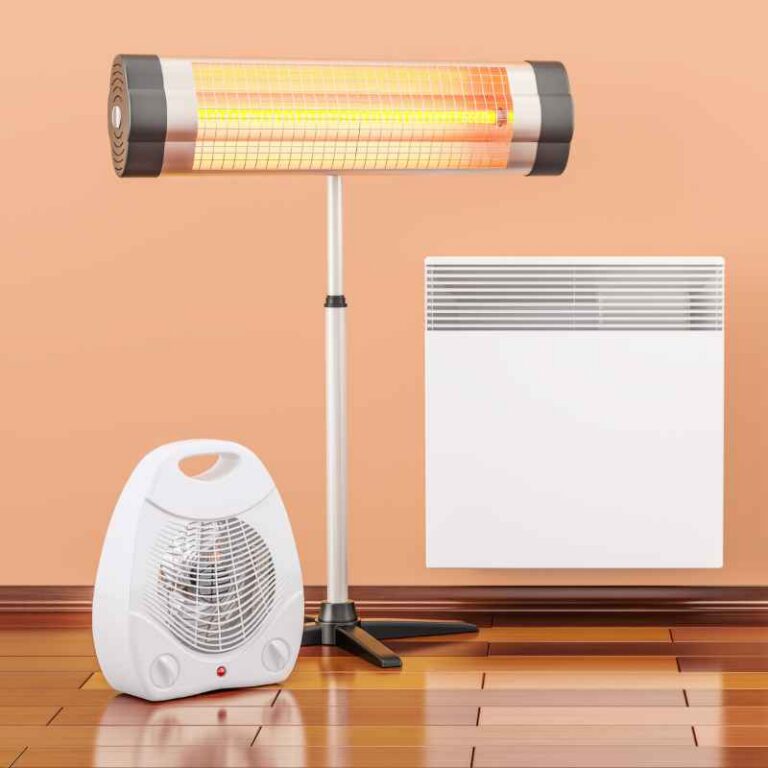
The main difference in efficiency between blower and infrared heaters lies in how they transfer heat. Blower heaters heat the air, while infrared heaters heat objects and people directly. This means infrared can feel warmer faster and might be more efficient for spot heating, but blower heaters excel at warming entire rooms evenly.
Understanding How Heaters Work
To figure out which heater is more efficient, we need to know how each one works. Think about the heat itself. It moves in different ways.
There are three main ways heat travels: conduction, convection, and radiation. Understanding these helps us see why blower and infrared heaters act so differently.
Conduction: Heat Through Touch
Conduction is like when you touch a hot pan handle. Heat moves directly from the hot part to your hand. It’s all about things touching each other.
For heaters, this isn’t usually the main way they warm a room, but it’s part of how heat gets from the heating element to the air or objects around it.
Convection: Heat Through Movement
Convection is about hot air rising and cool air sinking. This creates a current. A blower heater uses convection.
It heats up the air inside the heater. Then, a fan pushes that warm air out into the room. As the warm air spreads, it mixes with cooler air.
This cycle continues, slowly warming the whole space. It’s like a gentle, steady breeze of warmth filling the room. This is a very common way to heat spaces.
Radiation: Heat Through Waves
Radiation is different. It sends out heat waves, like light waves. Think about the sun.
It warms you without touching you. Infrared heaters work this way. They send out infrared waves.
These waves travel through the air. When they hit something, like your skin, a couch, or a wall, they are absorbed and turn into heat. This means they heat objects and people directly.
They don’t need to heat the air first. This is why you can feel the warmth from an infrared heater almost instantly.
Blower Heaters: The Air Movers
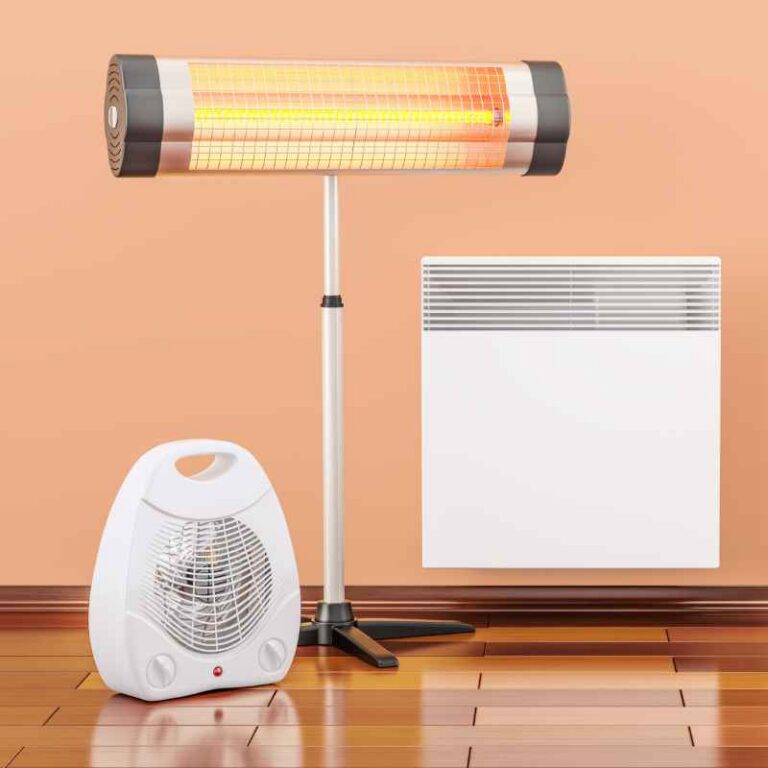
Blower heaters are very popular. You might know them as space heaters or portable electric heaters. They often have a fan inside.
This fan is the “blower” part. It pulls in cooler air from the room. This air then passes over a heating element.
The heating element gets hot, maybe with coils or a ceramic plate. The air gets warm from this element. The fan then pushes this warmed air back out into the room.
The goal of a blower heater is to warm the air in a space. As the warm air circulates, it gradually raises the temperature of the entire room. This process is called convection.
It’s a bit like a mini furnace for a smaller area. They are good at making a whole room feel toasty over time. You can adjust the thermostat on many of them to keep the temperature steady.
This makes them useful for keeping a room at a comfortable level for hours.
Types of Blower Heaters
There are a few common types of blower heaters you’ll see. Some use ceramic plates as the heating element. These tend to heat up quickly and can distribute heat evenly.
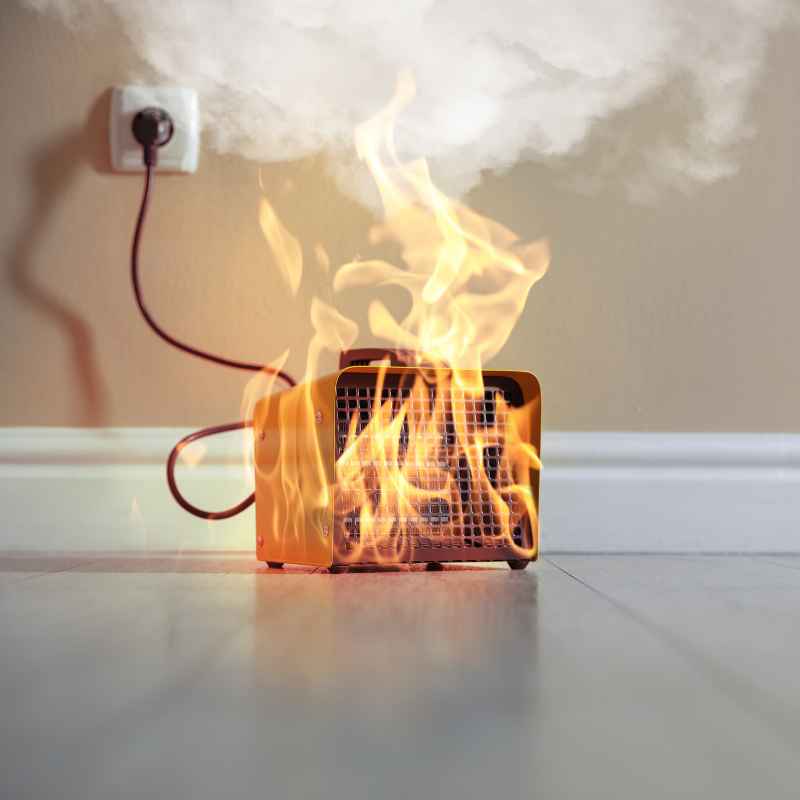
Others use metal coils, which are also effective but might take a bit longer to warm up. Many modern ones have safety features. These include tip-over protection, which shuts the heater off if it falls, and overheat protection, which does the same if it gets too hot.
How They Use Energy
Blower heaters use electricity. The heating element uses a lot of power to get hot. The fan also uses a small amount of power.
Their efficiency is often measured by how much heat they produce for the electricity they consume. For electric resistance heaters like these, the conversion is very close to 100%. That is, nearly all the electricity used becomes heat.
The question isn’t really about converting energy, but how that heat is used effectively.
The trick with blower heaters is that they heat the air. Air is good at holding heat, but it also moves around easily. If there are drafts or the room isn’t well-sealed, that warm air can escape quickly.
This means the heater has to work harder and longer to maintain the temperature. So, while they are efficient in turning electricity into heat, their effective efficiency in a home depends a lot on the room itself.
Infrared Heaters: The Direct Warmers
Infrared heaters are quite different. They don’t focus on heating the air. Instead, they emit infrared radiation.
This radiation travels in waves. Think of it like sunshine on your face. You feel the warmth directly, even if the air around you is cool.
When these infrared waves hit an object or a person, they are absorbed. This absorption creates heat right where the rays land.
Because they heat objects directly, infrared heaters can make you feel warm much faster than blower heaters. You can stand in front of one, and within seconds, you’ll feel the heat on your skin. This is a big advantage if you just want to warm yourself up quickly.
They are also silent, as they don’t have a fan. This makes them great for quiet spaces like bedrooms or offices.
How They Use Energy
Like blower heaters, most infrared heaters are electric. They also convert electricity into heat with very high efficiency, often close to 100%. The difference is how that heat is applied.
Since infrared heat warms you directly, it can feel more efficient in certain situations. If you are sitting in a large, drafty room, an infrared heater can warm you up without wasting energy trying to heat the entire volume of air. You only heat what and who you want.
This targeted heating means that for spot heating, or heating people rather than spaces, infrared heaters can be very effective. They don’t need to run as long to make you feel comfortable. However, they don’t heat the air.
So, if you want to raise the overall temperature of a room so everything in it is warm, an infrared heater won’t do that as well as a blower heater. The objects they heat will eventually warm the air, but it’s a slower process.
Common Types of Infrared Heaters
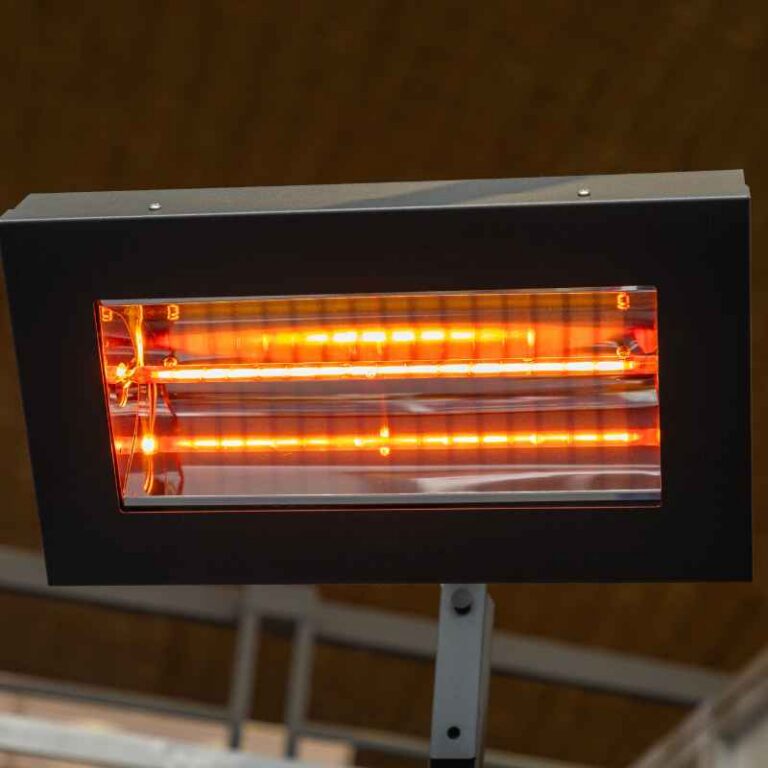
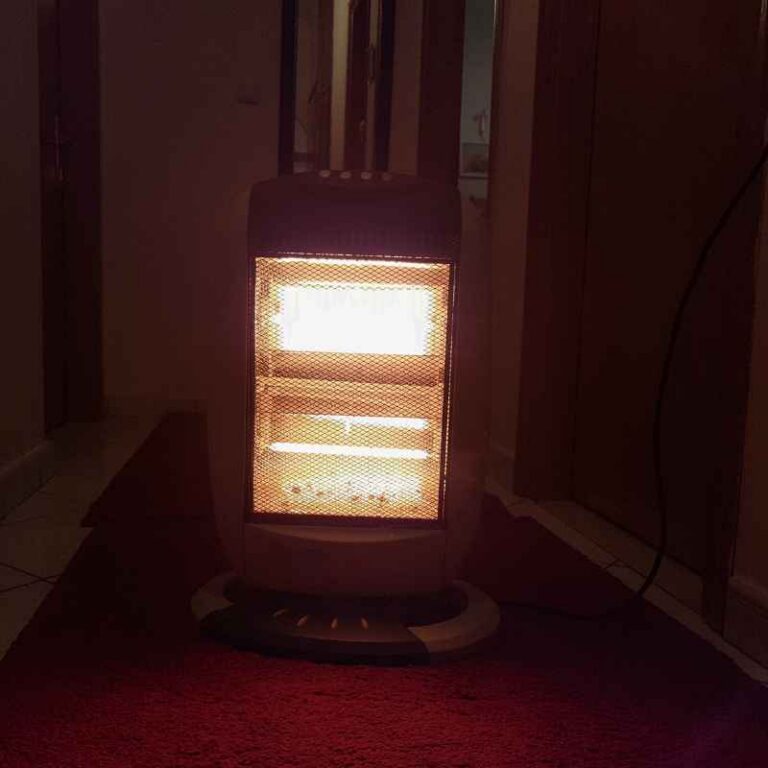
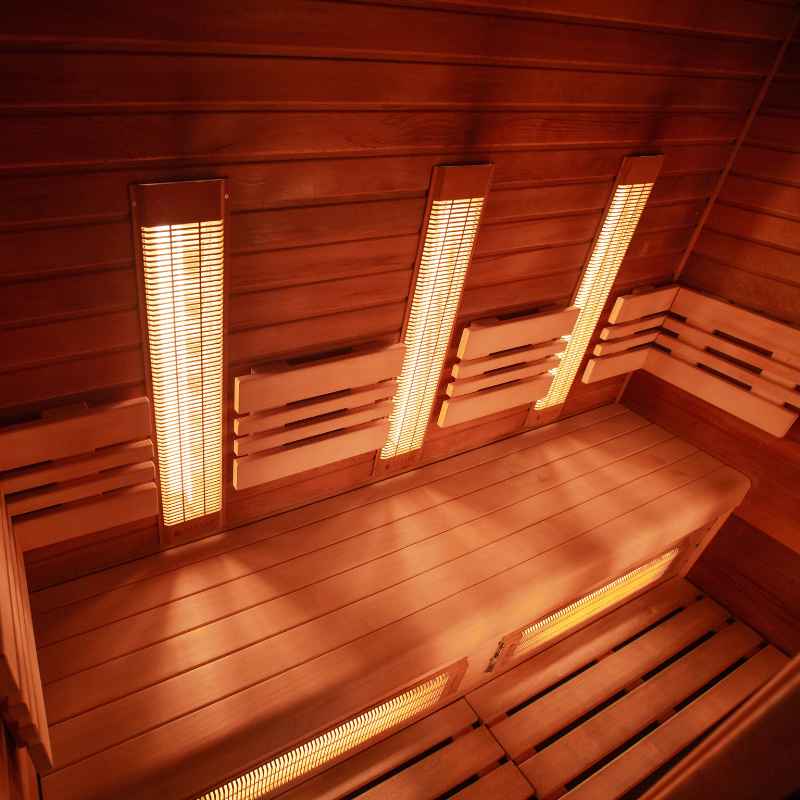
You’ll see infrared heaters in different forms. Some are like portable floor units, similar to some blower heaters but without the fan noise. Others are designed to be mounted on walls or even ceilings.
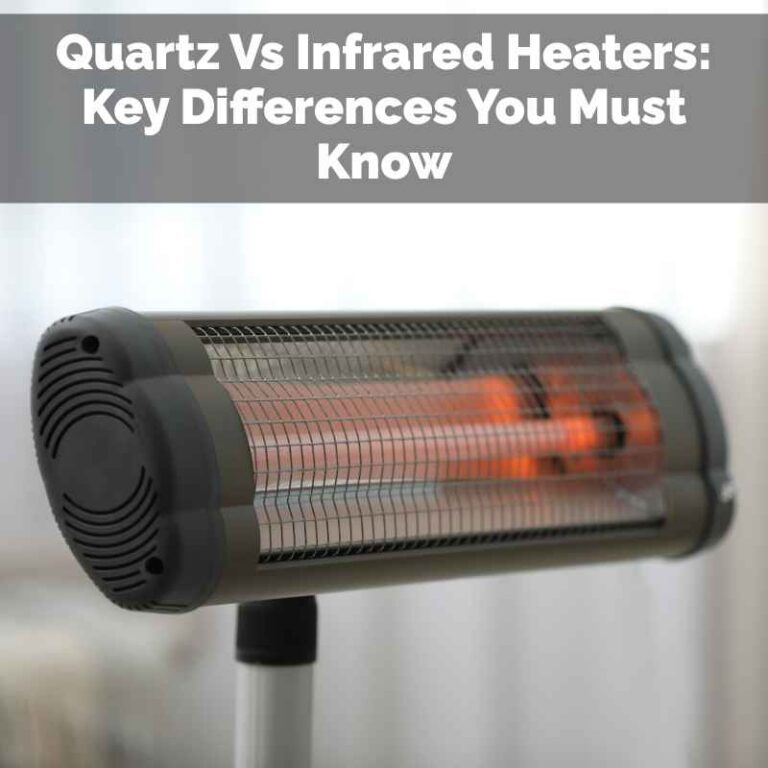
There are also large, powerful ones used in outdoor patios. They often use quartz elements or ceramic cores to generate the infrared rays. Like blower heaters, safety features are important, especially for indoor models.
Look for tip-over switches and sturdy construction.
Efficiency Comparison: Blower vs. Infrared
When we talk about heater efficiency, we need to be clear about what we mean. Are we talking about how well they turn electricity into heat? Or are we talking about how much they can save you money on your energy bill in a real home setting?
Energy Conversion: Both blower and most electric infrared heaters are very close to 100% efficient at converting electricity into heat. This means very little energy is wasted in the conversion process itself. The difference comes in how that heat is used in your home.
Heating Style and Usefulness: This is where the real difference appears. Blower heaters warm the air through convection. They are great for heating an entire room evenly.
If you want to walk into a room and have everything – the furniture, the floor, the walls, and the air – feel warm, a blower heater is designed for that. However, if the room is large, drafty, or poorly insulated, the warm air can escape, making the heater work harder and use more energy to maintain the temperature. Infrared heaters use radiation.
They heat objects and people directly. This means you feel the warmth almost instantly. They are very efficient for spot heating – warming just one person or a specific area.
If you spend most of your time sitting in one spot, an infrared heater pointed at you can be more efficient because it’s not trying to heat the whole room. It’s like wearing a warm coat versus trying to heat the whole house.
Perceived Warmth: Because infrared heats you directly, it can feel warmer at a lower overall room temperature. This can lead to energy savings if you’re able to set your thermostat lower and rely on the infrared for direct comfort. A blower heater needs to raise the air temperature higher for you to feel equally warm, especially if you’re not close to the heat source.
Room Size and Insulation: For small, well-sealed rooms, a blower heater can be very efficient. It will warm the air, and the air will stay put, keeping the room cozy. In larger or draftier spaces, an infrared heater might seem more efficient because it can provide comfort without trying to battle drafts and heat a huge volume of air.
If your goal is to warm up a whole house or multiple rooms, central heating or a more powerful system is usually better, but for supplementary heating, the choice depends on your specific needs.
The “Effective” Efficiency Equation
The effective efficiency of any heater is about delivering comfort with the least amount of energy used for your specific situation. Blower heaters excel at whole-room heating. If you need to make a small office or bedroom consistently warm, and it’s relatively draft-free, a blower heater does a good job.
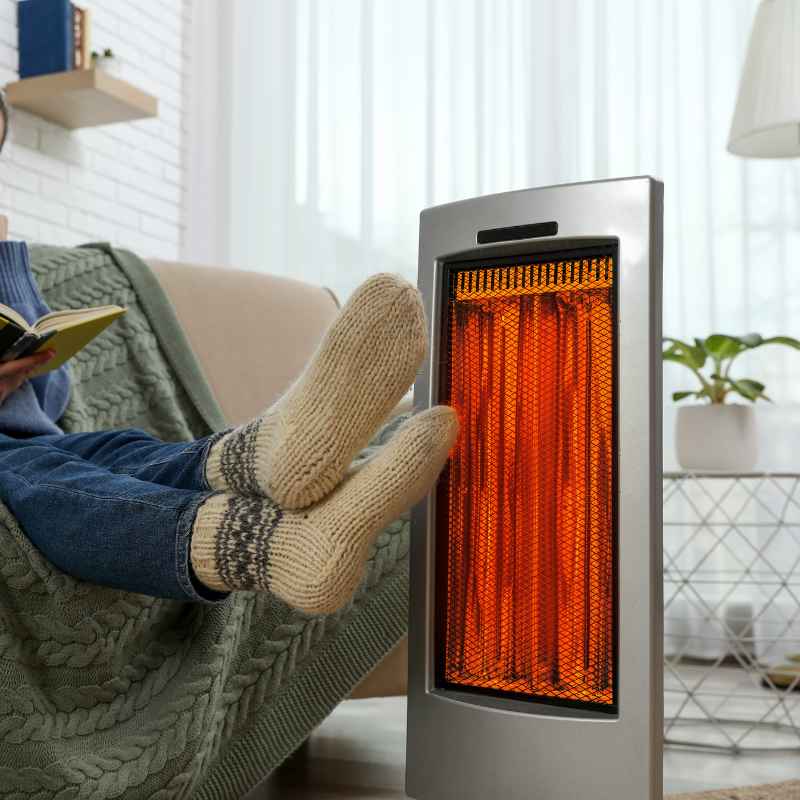
Its fan circulates the air, distributing warmth. Infrared heaters excel at quick, targeted warmth. If you only need to feel warm while you’re sitting at your desk or reading a book, an infrared heater can provide that comfort much faster and potentially with less overall energy use than a blower heater trying to warm the entire room just for you.
Consider this: If you have a large living room and you’re sitting on the couch, an infrared heater pointed at you will make you feel warm. The rest of the room might stay cooler. A blower heater would try to warm all the air in the living room, which takes more energy.
So, for that specific scenario, the infrared heater is more efficient in terms of delivering comfort.
Blower vs. Infrared: Quick Comparison
Blower Heaters:
- How they work: Heat the air and use a fan to circulate it (convection).
- Best for: Warming entire rooms evenly.
- Feeling of warmth: Gradual and surrounds you.
- Noise: Can be noisy due to the fan.
- Energy use: Can use more energy in large or drafty rooms trying to heat all the air.
Infrared Heaters:
- How they work: Emit radiant heat that warms objects and people directly.
- Best for: Spot heating, quick warmth, quiet spaces.
- Feeling of warmth: Instant on the body.
- Noise: Silent operation.
- Energy use: Can be more energy-efficient for heating individuals or specific zones.
Real-World Context and Scenarios
Let’s look at how these heaters perform in typical home situations. Your home isn’t a perfectly sealed box. There are always some air leaks.
The way you use a room also matters a lot.
Scenario 1: The Home Office Nook
Imagine a small home office you use for a few hours a day. It’s a small space, maybe 10×10 feet. If you’re sitting at your desk most of the time, an infrared heater placed in front of you can offer instant comfort.
You feel warm quickly, and you don’t need to run it constantly. The overall room temperature might not rise much, but you’re comfortable. This can be very energy-efficient for that specific use.
A small blower heater could also work. It would warm the air in the room, and it would likely stay warm because the space is small and contained. The fan noise might be a slight distraction for some.
Scenario 2: The Drafty Living Room
Your living room is larger and has older windows. In the winter, you feel drafts. If you want the whole living room to feel warm and cozy for family movie nights, a blower heater might be your choice.
It will work to heat the air. However, because of the drafts, the warm air will escape, and the heater will have to run longer. You might find yourself turning it up higher.
An infrared heater in this situation would provide comfort to those sitting directly in its path, but the rest of the room would remain cool. It wouldn’t solve the problem of a generally cold room.
Scenario 3: Heating a Garage or Workshop
If you use a garage or workshop occasionally and want to warm up just yourself while you’re working, an infrared heater is often ideal. It provides instant, direct warmth without needing to heat the large, often uninsulated space. You can turn it on when you arrive and off when you leave.
A blower heater in a garage might struggle to warm the air effectively and could run for a very long time, using a lot of energy for minimal return.
Scenario 4: Heating a Basement Room
Basements can often be cooler and a bit damp. If you’ve finished a basement room and want to keep it at a steady, comfortable temperature, a blower heater is usually a good choice. It will circulate the air, helping to distribute heat more evenly throughout the space.
An infrared heater might provide personal comfort, but it won’t do as much to warm the overall room and potentially combat that basement chill.
Habits and Preferences Matter
Your personal habits play a huge role. If you tend to move around a lot, or if multiple people are in a room, a blower heater might be better. It warms the general area.
If you are someone who likes to be very warm and often sits still, infrared can be a great option. It’s like having a personal sunbeam just for you.
Think about how you use the space. Are you there for long periods? Do you need the whole room to be warm, or just your immediate vicinity?
Answering these questions will guide you toward the more efficient choice for your situation.
Heating Strategies for Different Rooms
Entryways/Mudrooms: Quick bursts of heat. Infrared can be good for drying off quickly. A small blower heater can take the chill off before you enter the main house.
Bedrooms: Quiet operation is key. Infrared is silent and can provide personal warmth. A small blower heater can gently warm the air before bed.
Home Offices: Targeted warmth is efficient. Infrared can warm you at your desk. A small blower can keep the whole space at a comfortable level.
Living Areas: Even heating is often desired. Blower heaters are typically better for warming the entire space for multiple people.
Garages/Workshops: For intermittent use, infrared is efficient for personal comfort. Blower heaters may struggle to heat these spaces effectively.
What This Means for You
So, are blower or infrared heaters more efficient? The answer isn’t a simple yes or no. It depends entirely on how and where you plan to use them.
Neither type is inherently “better” than the other in all situations. They are designed for different purposes.
When Blower Heaters are More Efficient:
- You want to heat an entire small to medium-sized room evenly.
- The room is well-insulated and doesn’t have many drafts.
- You need to maintain a consistent temperature for extended periods.
- You don’t mind a bit of fan noise.
- You want to warm the air, furniture, and surfaces in a room.
When Infrared Heaters are More Efficient:
- You need to warm yourself up quickly in a specific spot.
- You are in a large, drafty, or poorly insulated space and only need comfort for yourself.
- You want silent operation.
- You are heating an area intermittently.
- You prefer to feel warm without the air temperature needing to be very high.
When to Worry (or Reconsider):
- If you are using a blower heater in a very large or drafty space and it seems to run constantly without making the room feel warm. This suggests it’s not the right tool for the job, and you’re likely wasting energy.
- If you are relying solely on an infrared heater to warm an entire room for multiple people or for an extended period. It might provide personal comfort, but the room itself might not get warm enough for everyone.
Simple Checks for Home Heating
Before you buy any heater, take a quick look at the room you intend to heat. Is it a small bedroom or a large living area? Does it feel drafty?
Can you feel air coming in from windows or doors? How often do you use the space? Is it for short bursts or all day?
These simple checks will help you choose the type of heater that will be most efficient for your specific needs. You might even find that you need both types for different areas of your home!
Quick Fixes & Smart Tips
Whether you choose a blower or an infrared heater, there are smart ways to use them to maximize efficiency and comfort. These aren’t complicated fixes, but they make a difference.
Seal Up Drafts: This is huge for any heating. Use draft stoppers under doors. Check windows for leaks and seal them with caulk or weatherstripping.
Even small drafts let precious warm air escape. This makes any heater work harder.
Close Doors: If you’re heating a specific room, keep the door closed. This helps trap the heat inside. If you’re using a blower heater, this allows it to warm the air more effectively.
If you’re using infrared, it keeps your warm zone contained.
Use Thermostat Wisely: Don’t blast the heat. Set a comfortable temperature and let the thermostat do its job. For blower heaters, this means they’ll cycle on and off to maintain the temperature.
For infrared, it might mean you can set it lower and rely on direct warmth.
Layer Up: Sometimes, the most efficient way to stay warm is to put on a sweater or use a cozy blanket. This allows you to keep the room temperature a bit lower, saving energy, while still feeling perfectly comfortable.
Smart Placement: For blower heaters, place them where air can circulate freely around them. Don’t block the intake or output vents. For infrared heaters, position them so they directly face where you will be sitting or standing.
Avoid placing them where the heat is just bouncing off an empty wall.
Regular Maintenance: Keep your heaters clean. Dust can build up on heating elements and fan blades, reducing their efficiency. Check your owner’s manual for cleaning instructions.
Combine Heating Sources: In some cases, using a main heating system at a lower temperature and then using a space heater (blower or infrared) for specific times or areas can be more efficient than running your main system on high all the time.
Maximizing Heater Efficiency
Goal: Reduce energy waste and increase comfort.
Action: Seal air leaks. Doors, windows, and any gaps can let heat escape.
Action: Zone heating. Heat only the rooms or areas you are using.
Action: Thermostat control. Set a moderate temperature and let the heater maintain it.
Action: Personal warmth. Use blankets or sweaters to feel warmer at lower room temperatures.
Action: Heater placement. Ensure heaters have clear airflow (blower) or point towards people (infrared).
Frequent Questions
Are infrared heaters safe for small children or pets?
Yes, most modern infrared heaters have safety features like cool-touch exteriors and tip-over shutoffs. However, like any heat source, they should always be supervised. Keep them at a safe distance from flammable materials and children or pets who might touch them directly.
Never leave them unattended with very young children or curious pets.
Can a blower heater dry out the air too much?
Yes, blower heaters can sometimes lower the humidity in a room. This is because they heat the air, and warmer air can hold more moisture, effectively making the air feel drier. If this is a concern, you might consider using a humidifier in the room along with the blower heater.
Which type of heater is better for a large, open-plan living space?
For large, open-plan spaces, neither a small blower nor a small infrared heater will be very efficient for heating the entire area. Central heating is usually best. However, for supplemental warmth, a powerful infrared heater can warm specific zones where people are gathered.
A large blower heater might help a bit more with overall air circulation but will likely struggle to heat the entire space effectively.
Do infrared heaters make noise?
No, true infrared heaters do not make noise. They work by emitting radiant waves, so there are no moving parts like fans. This silent operation is one of their major advantages, especially for bedrooms or quiet workspaces.
Is it cheaper to run a blower heater or an infrared heater?
It depends on how you use them. If you need to heat a whole room evenly and it’s well-insulated, a blower heater can be efficient. If you only need to warm yourself quickly or in a drafty area, an infrared heater might use less energy because it heats you directly and not the entire space.
Can I use a space heater as my primary heat source?
For most homes, space heaters are best used as supplemental heat for specific rooms or at specific times. Relying solely on space heaters for your entire home’s heating needs can be inefficient, expensive, and potentially unsafe if not used properly. They are designed to add warmth where needed, not replace a central heating system.
Conclusion
Choosing between a blower and an infrared heater comes down to your specific needs. Both turn electricity into heat very efficiently. The key is how that heat is delivered and used.
For even room heating, blowers excel. For quick, direct warmth, infrared shines. By understanding these differences and considering your own home and habits, you can make a choice that keeps you warm and your energy bills in check.
Sponsored / affiliate links. As an Amazon Associate I earn from qualifying purchases. I may earn additional commission from eligible campaigns.