Do Infrared Heaters Work Well For Powder Coating Booths?
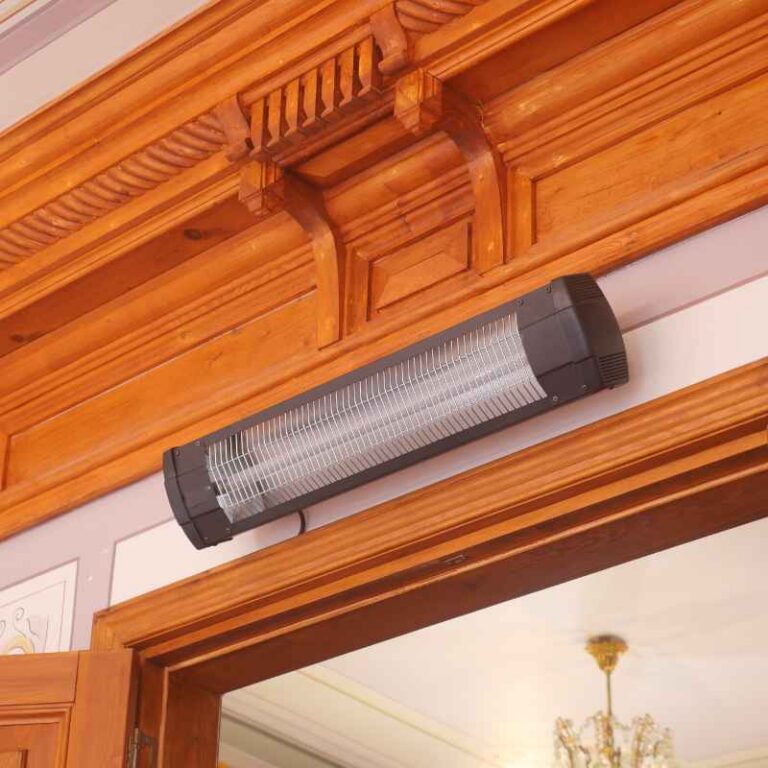
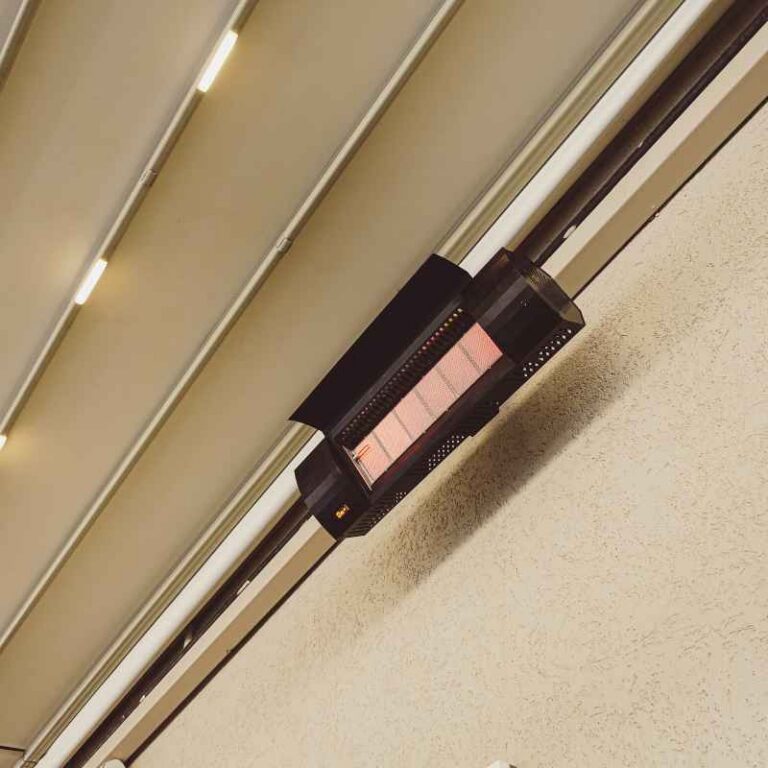
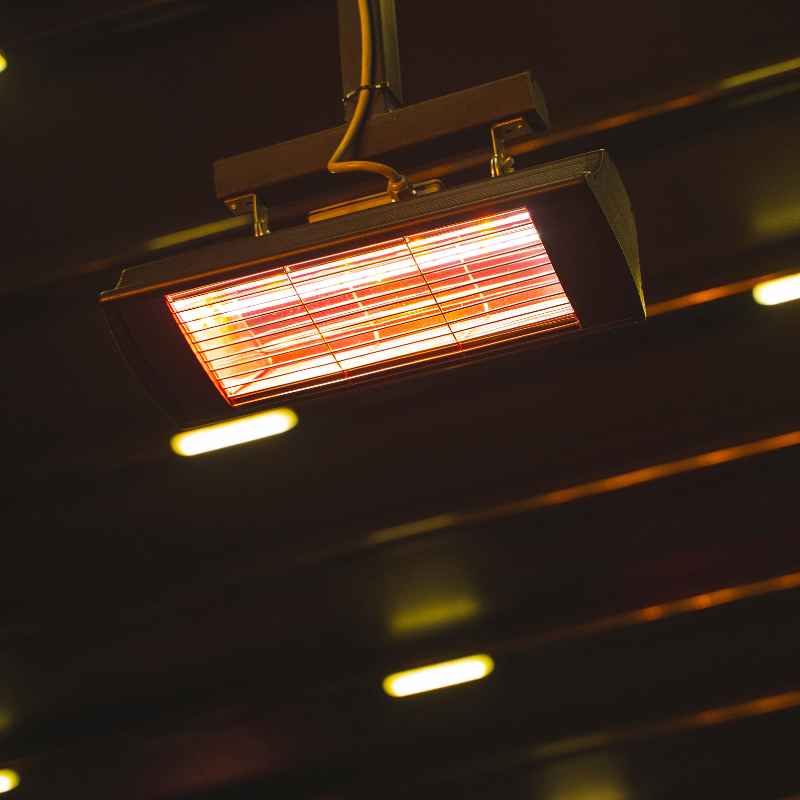
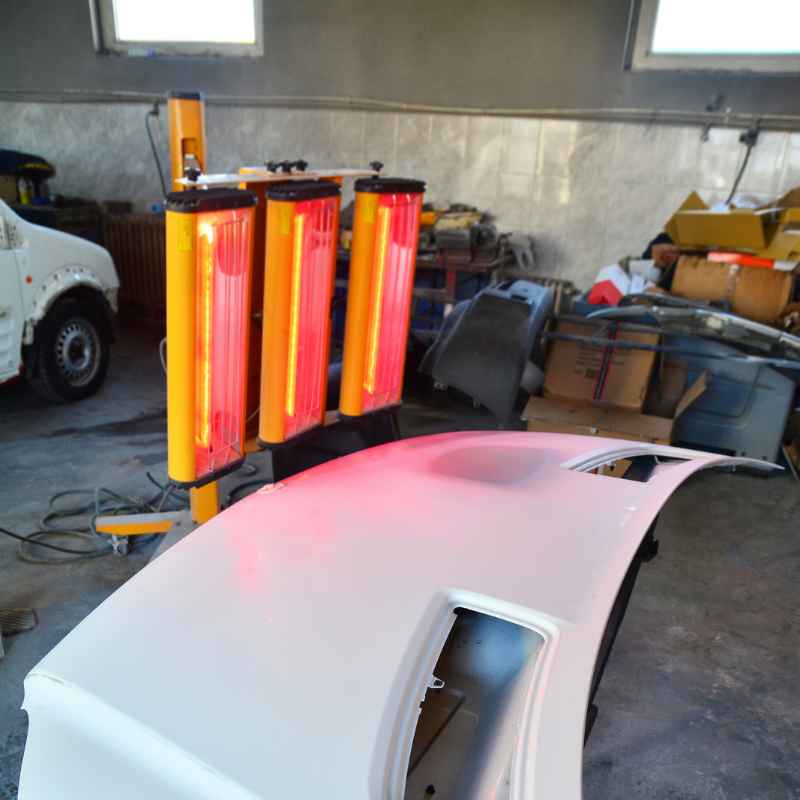
Infrared heaters use electromagnetic radiation to transfer heat. Think of the warmth you feel from the sun. That’s infrared radiation at work. In a powder coating booth, these heaters aim to heat the object directly. This is different from convection ovens. Convection ovens heat the air inside the oven. Then, the hot air heats the object. This direct heat transfer is the core idea behind using infrared for curing powder.
The goal is usually to speed up the curing process. Faster curing means you can process more parts. It can also mean using less energy overall. Some people believe infrared provides a more even cure. This could lead to better finished surfaces. But making sure the heat gets to every part of your object is key. We need to understand how this heat transfer works and what can go wrong.
How Infrared Heat Works on Powder Coating
Infrared radiation has different wavelengths. These wavelengths affect how well the heat transfers. Shorter wavelengths, like from halogen or quartz tube heaters, are very intense. They heat surfaces quickly. Longer wavelengths, like from ceramic emitters, are less intense but penetrate deeper. For powder coating, the surface needs to reach a specific temperature to cure. The powder melts, flows, and then hardens.
Infrared heaters emit this radiation. The object placed in front of them absorbs this radiation. This absorption turns the radiation into heat within the object. The object’s surface color matters a lot. Darker colors absorb more heat. Lighter colors reflect more heat. This means a black part will heat up much faster than a white or clear coated part. This difference in absorption is a major factor in how well infrared heating works.
My First Brush with Infrared Curing
I remember setting up my first small powder coating setup in my garage. I was eager to get professional results. I’d seen ads for these sleek infrared curing ovens. They promised quick, flawless finishes. I thought, “This is it! This will solve all my problems.” So, I invested in a small infrared curing tunnel. It looked super modern.
I loaded up a batch of parts I had just coated in a vibrant blue powder. They looked perfect going in. The infrared lamps were on, glowing a dull red. The timer started. About five minutes in, I peeked. The blue looked a bit… shiny. Too shiny. I pulled one part out. The powder hadn’t flowed correctly. It was bumpy and streaky. Panic set in. What went wrong? It turned out the heat was too intense on the side facing the lamps. It cured too fast. The other side, facing away, didn’t get enough heat. It was a lumpy mess. That was my first real lesson: infrared isn’t magic. It needs to be controlled.
Infrared Heater Types for Powder Coating
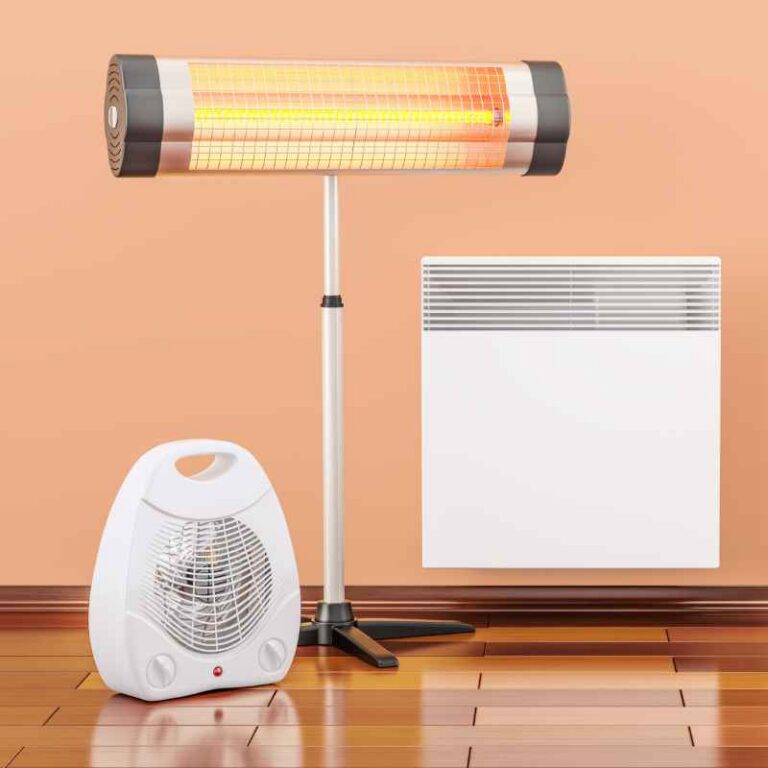
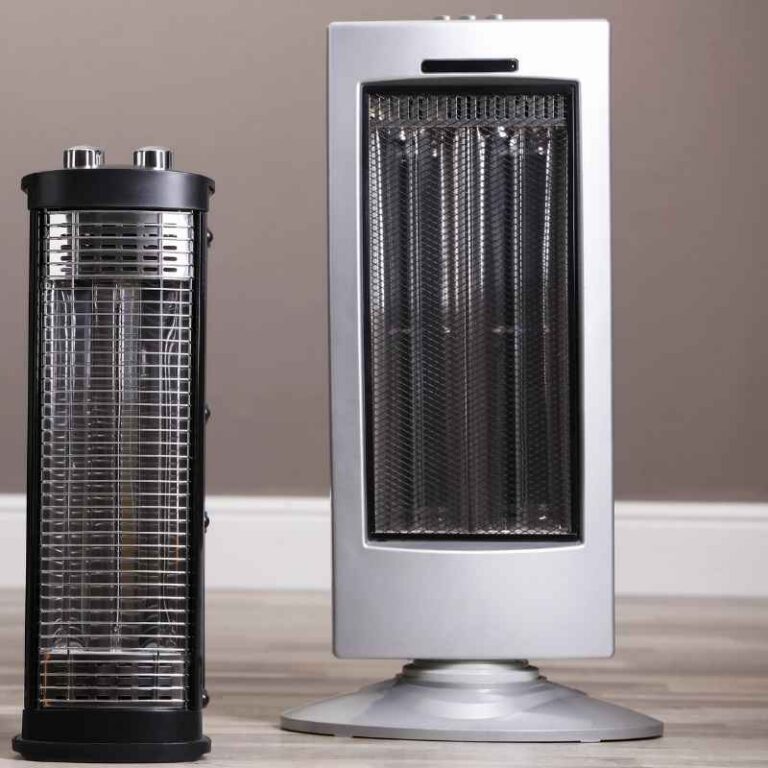
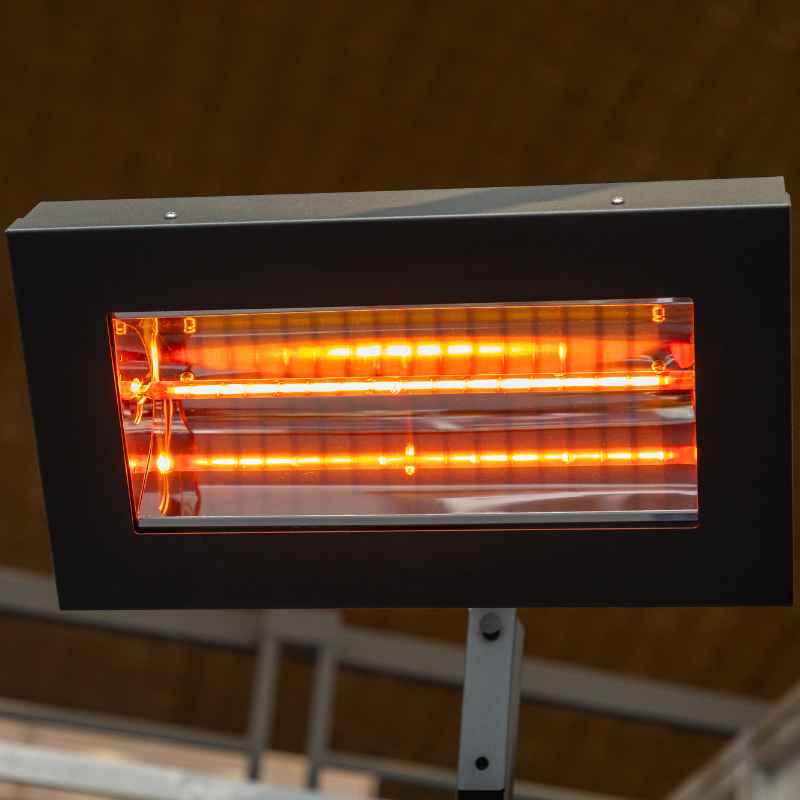
There are a few main types of infrared heaters used in industrial and hobbyist settings. Each has its pros and cons. Knowing them helps you understand why one might be better for your specific needs.
Infrared Heater Types Comparison
Quartz Tube Heaters: These are common. They have quartz tubes with a heating element inside. They heat up fast and get very hot.
They are good for quick curing of smaller items. But they can be too intense for some powders or shapes. You need to watch for hot spots.
Halogen Lamp Heaters: Similar to quartz tubes. They use halogen lamps. They produce a lot of infrared energy.
They are very efficient. They heat very quickly. But they can be expensive.
And like quartz tubes, they can cause uneven heating if not placed carefully.
Ceramic Emitter Heaters: These use ceramic panels with heating elements. They produce a more even, longer-wavelength heat. They heat up slower than quartz or halogen.
But they can provide a gentler, more consistent heat. This is often better for larger or more complex parts.
Panel Heaters: These are flat panels that emit infrared radiation. They can be made with various materials. They are often used in larger curing areas.
They offer a broader heating pattern.
It’s important to match the heater type to the powder and the parts you are coating. A high-intensity quartz tube might be great for a thin metal part that needs a quick cure. But it could scorch a thicker part or a powder that requires a slower, more controlled ramp-up.
Choosing the Right Wavelength and Intensity
The wavelength of infrared radiation is critical. Different powders react best to different wavelengths. Some powders need short-wave, high-intensity heat to cure quickly. Others need medium or long-wave heat for a slower, more even cure.
Intensity also plays a big role. Too much intensity can burn the powder before it melts and flows properly. Too little intensity means the part won’t reach the cure temperature. You need to know your powder’s cure schedule. This is usually provided by the powder manufacturer. It tells you the required time and temperature. For example, a powder might need 10 minutes at 350°F (177°C). An infrared system needs to deliver that heat evenly for that duration.
Real-World Applications and Benefits
When used correctly, infrared heaters offer some real advantages for powder coating. Many industries rely on them for good reason.
Speed and Efficiency
One of the biggest draws is speed. Infrared heating can cure powder coatings much faster than traditional convection ovens. This is because the heat is transferred directly to the part. There’s no need to heat up a large volume of air. This means quicker cycles. Quicker cycles mean higher throughput. For businesses that coat a lot of parts, this can be a huge time and money saver. Imagine finishing a batch of parts in half the time. That’s a significant gain.
Energy Savings
Because infrared heats the object directly, it can be more energy efficient than convection ovens. You’re not wasting energy heating up a large oven cavity and a lot of air. The energy goes straight to the part. This can lead to lower electricity bills. This is a big plus, especially with rising energy costs. For small operations or those on a budget, this efficiency can make a big difference.
Space Saving
Infrared curing systems can sometimes be more compact than large convection ovens. This is especially true for inline systems or smaller batch ovens. If you have limited floor space, an infrared system might fit better. Some systems are even designed as small tunnels or cabinets. They can be integrated into a production line. This makes them versatile for different shop layouts.
The Challenges of Infrared Heating for Powder Coating
Despite the benefits, infrared heating isn’t a perfect solution. There are challenges that can lead to frustration if not understood and managed.
Uneven Heating Issues
This is the most common problem. Objects have different shapes and sizes. They also have different surface characteristics. Dark surfaces absorb more heat than light ones. Corners and edges can get hotter than flat surfaces. This can lead to areas that are over-cured and areas that are under-cured. Over-cured areas might look dull or burnt. Under-cured areas will be sticky or not fully hardened. Achieving a consistent, even cure across complex shapes can be very difficult. This is where my garage experiment went wrong. The unevenness was obvious.
Line-of-Sight Limitations
Infrared radiation travels in straight lines. If a part has internal cavities or complex geometries, the infrared rays can’t reach all surfaces. This is known as a line-of-sight limitation. Areas that are shielded from the heaters will not cure properly. For parts with deep recesses or intricate designs, infrared might not be the best choice. You would need to rotate the part or use multiple heat sources. This adds complexity.
Surface Color Matters a Lot
Dark Colors (Black, Dark Blue, Dark Green): These absorb infrared radiation very well. They heat up quickly and efficiently. This is good for fast curing.
Medium Colors (Red, Yellow, Grey): These absorb heat moderately. They heat up at a reasonable pace. They often provide a good balance for many applications.
Light Colors (White, Light Pink, Clear): These reflect a lot of infrared radiation. They heat up slowly. You may need more intense heat or longer dwell times for these colors.
This is a common struggle.
Getting the right finish often depends on how evenly the heat is distributed. This requires careful setup and understanding of your specific parts and powders.
Powder Sensitivity
Some powder coatings are more sensitive to heat than others. High-temperature powders often need a stable, consistent temperature for a set time. Low-temperature powders can cure quickly, but they can also scorch easily. If the infrared heat is too intense or not even, it can degrade the powder. This leads to a poor finish. It can also affect the coating’s performance, like its corrosion resistance or UV stability.
Optimizing Your Infrared Powder Coating Booth
So, how do you make infrared heaters work well? It’s all about control and understanding your setup.
Booth Design is Key
The design of your powder coating booth is crucial for infrared curing. The placement of the heaters is paramount. They need to be positioned to provide even heat coverage. This often means multiple heaters at different angles. The booth itself should reflect heat inwards, not allow it to escape. Reflective materials can help bounce the infrared rays back onto the object. This improves efficiency.
Consider the size and shape of the parts you coat. If you coat many different items, you might need a flexible system. This could involve zones of control for your heaters. You can then turn on or off certain heaters or adjust their intensity. This allows you to tailor the heat to the specific part.
Controlling Heat Intensity and Time
Accurate temperature control is vital. Many infrared systems come with controllers that allow you to set specific temperatures and times. Some advanced systems offer programmable ramp-up and cool-down cycles. This is especially useful for sensitive powders. Using thermocouples or infrared thermometers to measure the actual part temperature can help you fine-tune your settings.
Don’t rely solely on the heater’s output setting. You need to verify the temperature the part reaches. This is often a process of trial and error. Start with recommended settings for your powder. Then, monitor the cure. Adjust as needed. A slight change in distance between the heater and the part can make a big difference in intensity.
Experimentation is Your Friend
I learned this the hard way. When I first started using infrared, I just followed generic advice. But every powder and every part is different. I started running small test batches. I would coat scrap pieces and cure them with different settings. I’d measure the time and temperature. Then, I’d inspect the finish closely. I’d look for any signs of over-curing or under-curing. This hands-on testing is non-negotiable for success. It builds your expertise.
Quick Scan: Infrared vs. Convection
| Feature | Infrared Heaters | Convection Ovens |
| Heat Transfer | Direct radiation to object | Heated air around object |
| Curing Speed | Generally faster | Generally slower |
| Energy Use | Often more efficient (direct heating) | Less efficient (heats air) |
| Evenness Challenge | High, due to line-of-sight and surface color | Generally more even, but can have hot/cold spots |
| Complexity | Requires precise placement and control | Simpler to operate for basic curing |
Understanding Your Powder Manufacturer’s Data
Always consult the technical data sheet (TDS) for your specific powder coating. This document is gold. It will list the recommended cure schedule. This means the required peak metal temperature and the duration it needs to be held. It might also mention if the powder is sensitive to over-curing or requires a specific heating profile.
For example, a TDS might say: “Cure at 350°F (177°C) for 10 minutes.” This means the surface of the part needs to reach 350°F and stay there for 10 minutes. Your infrared system needs to be set up to achieve this. It doesn’t mean setting your heaters to “350°F” and waiting 10 minutes. You need to measure the metal temperature.
When Infrared is a Good Fit
So, when should you strongly consider infrared heaters for your powder coating?
For Simple Shapes and Consistent Colors
If you regularly coat simple objects like flat panels, pipes, or basic geometric shapes, infrared can be very effective. These items have fewer areas for shadows or uneven heating. When you also use consistent colors (e.g., always black or always white), the absorption issues are more predictable. This makes it easier to set up your heaters.
For High-Volume, Quick-Turnaround Jobs
If your business depends on processing many parts quickly, the speed advantage of infrared is significant. This is especially true for smaller parts that can be placed close to the heaters without shadowing. Think of automotive parts, small metal components, or architectural trim.
When Energy Efficiency is a Top Priority
If you are looking to reduce your energy consumption, an infrared system, properly set up, can be more efficient than a large convection oven. This is particularly true if your current convection oven is oversized for your typical batch sizes.
Infrared Curing: Myth vs. Reality
Myth: Infrared cures powder coatings instantly.
Reality: Infrared provides very fast heat transfer, but the powder still needs time to melt, flow, and cure at the correct temperature.
Myth: Infrared is always more energy efficient.
Reality: While often true, an improperly set up or oversized infrared system can be inefficient. Convection can be efficient for large, uniformly shaped batches.
Myth: Infrared is plug-and-play and works for any powder.
Reality: Infrared requires careful setup, understanding of wavelengths, and knowledge of your specific powder’s cure requirements.
When to Reconsider Infrared
There are times when infrared heating might not be the best choice. Knowing these limitations can save you a lot of trouble.
Complex Geometries and Intricate Parts
If your work involves coating parts with deep recesses, holes, or complex internal structures, infrared may struggle. The line-of-sight limitation means some areas simply won’t get direct heat. You might end up with patchy curing. For these jobs, a convection oven is often a safer bet. Convection ovens heat the air, which can circulate around even complex shapes.
Highly Variable Part Sizes and Shapes
If you coat a wide variety of parts in a single batch, or if your batch sizes vary significantly, managing infrared heat can be a nightmare. Achieving a consistent cure across a mixed load is very difficult. A convection oven is much more forgiving in this scenario.
Powders Requiring Very Slow or Specific Ramp-Up Times
Some high-performance powders require a very gradual increase in temperature. This prevents thermal shock or defects. Infrared’s direct, intense heat can sometimes be too fast for these specialized powders. You might need a more gentle, controlled heating method like some convection ovens can provide.
Safety Considerations
Working with any heating equipment requires attention to safety. Infrared heaters get very hot.
Safety First!
Use Protective Gear: Always wear heat-resistant gloves when handling parts that have been heated. Inspect them before touching.
Ventilation: Ensure your powder coating booth has adequate ventilation. This is standard practice for powder coating, but especially important when heating. Proper ventilation removes any fumes.
It also helps manage heat build-up within the booth itself.
Electrical Safety: Make sure all electrical connections are secure and rated for the power draw of the heaters. Follow manufacturer guidelines for installation and operation. If you’re unsure, consult an electrician.
Fire Hazards: Keep flammable materials away from the heaters. Powder coating materials themselves can be flammable. Ensure your booth is clean and free of excess powder dust, especially around heating elements.
Always follow the manufacturer’s safety instructions for your specific infrared heater system.
The Bottom Line: Do They Work Well?
Yes, infrared heaters can work very well for powder coating booths, but with important conditions. They offer speed, efficiency, and space savings. However, achieving a perfect, even cure requires careful consideration of your parts, your powder, and your equipment setup.
The success hinges on your ability to control the heat. This means understanding wavelength, intensity, and object absorption. You need to manage line-of-sight limitations. And you must pay close attention to the powder manufacturer’s recommended cure schedule.
For simple parts and consistent colors, and when high throughput is key, infrared is a strong contender. For complex shapes or highly variable jobs, you might find convection ovens more forgiving. Ultimately, thorough testing and understanding your specific application are essential for success with any infrared curing system. It’s not just about buying the heaters; it’s about mastering their use for your unique needs.
Frequently Asked Questions
Can I use infrared heaters to cure any type of powder coating?
Generally, yes, but with careful attention. Some powders are more sensitive to heat and require very specific ramp-up times or consistent temperatures. You must consult your powder manufacturer’s technical data sheet.
It will specify the cure schedule and any sensitivities. Your infrared setup must be able to meet these requirements.
How do I know if my infrared setup is curing the powder evenly?
Look for visual cues. Check for a consistent sheen across the entire part. There should be no dull spots (under-cured) or overly shiny or discolored areas (over-cured).
You can also use a temperature-indicating crayon or an infrared thermometer to check the metal temperature on different parts of the object after curing. Consistent readings across the part indicate even heating.
What is “peak metal temperature” and why is it important for infrared curing?
Peak metal temperature (PMT) is the highest temperature the surface of the coated object reaches during the curing process. This is the critical temperature for the powder to melt, flow, and cross-link properly. Powder manufacturers specify the PMT and the duration it needs to be held.
Your infrared system’s job is to get the object to that temperature and keep it there for the required time.
My infrared heater seems too hot for some parts. What can I do?
You have a few options. You can increase the distance between the heater and the part. You can also reduce the time the part is exposed to the heat.
If your system has zone control, you can turn off some heaters or reduce their power. Experiment with shorter cure times and see how the finish looks.
Is an infrared curing tunnel better than a batch oven for powder coating?
It depends on your needs. A tunnel is great for high-volume, continuous production of similar parts. It offers speed and efficiency.
A batch oven is more flexible for varied part sizes and shapes, and for lower volumes. You have more control over individual batches.
How long does it take for an infrared heater to cure powder coating?
The time varies greatly. It depends on the powder type, the heater intensity, the distance to the part, the part’s material and color, and the desired peak metal temperature. Some simple parts can cure in as little as 5-10 minutes.
Others, especially larger or more complex items, might require 20-30 minutes or more. Always refer to the powder’s cure schedule for guidance.
Conclusion
Infrared heaters hold significant potential for powder coating operations seeking efficiency and speed. However, their effectiveness is deeply tied to precise control and a thorough understanding of the science behind heat transfer and powder chemistry. By carefully selecting your equipment, understanding your materials, and committing to rigorous testing, you can harness the power of infrared to achieve excellent powder coating results.
Sponsored / affiliate links. As an Amazon Associate I earn from qualifying purchases. I may earn additional commission from eligible campaigns.