Do Infrared Heaters Work Ok In A Modular Home? Yes, But…
Yes, infrared heaters can work well in modular homes. They offer efficient spot heating, which is great for these often well-insulated spaces. However, careful placement and understanding their heating method are key for optimal comfort and safety in your modular living environment.
How Infrared Heaters Work
Infrared heaters are a bit like the sun. They send out waves of heat. These waves travel through the air.
When they hit a person or an object, they make that thing warm. This is different from a regular heater. A regular heater warms the air around it.
Then, that warm air moves around the room.
Think of it this way: a regular heater is like a fan blowing warm air. An infrared heater is like standing in a sunny spot. You feel the warmth directly on your skin.
This can make a room feel warmer faster, even if the air temperature isn’t super high yet.
The heat from an infrared heater is radiant heat. It doesn’t rely on air to carry it. This is a big deal for how well it might work in your home.
It means less heat can get lost in drafts or by being absorbed by furniture. The waves go straight to where you are.
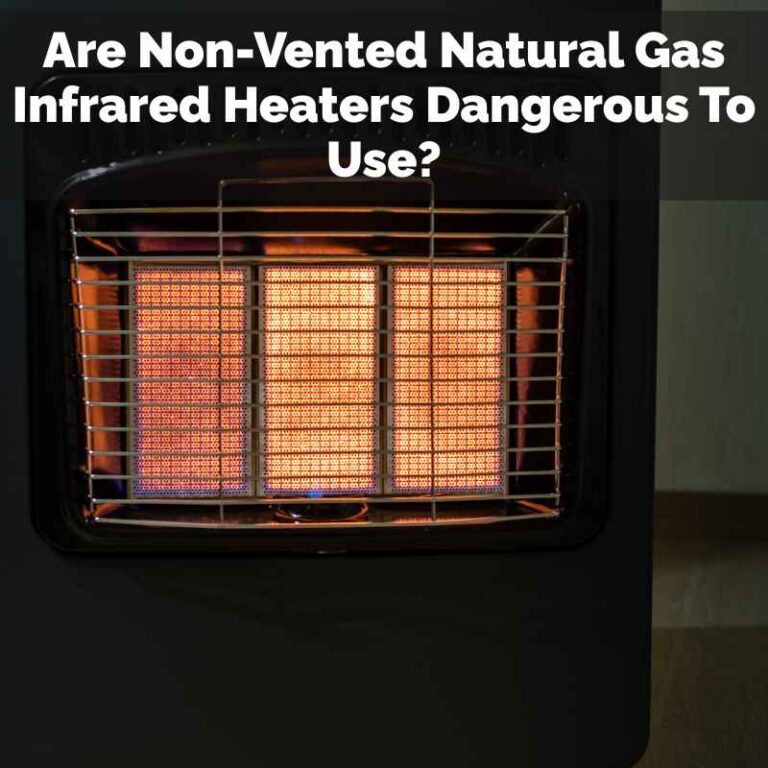
There are a few types of infrared heaters. Some are electric. Others use propane or natural gas.
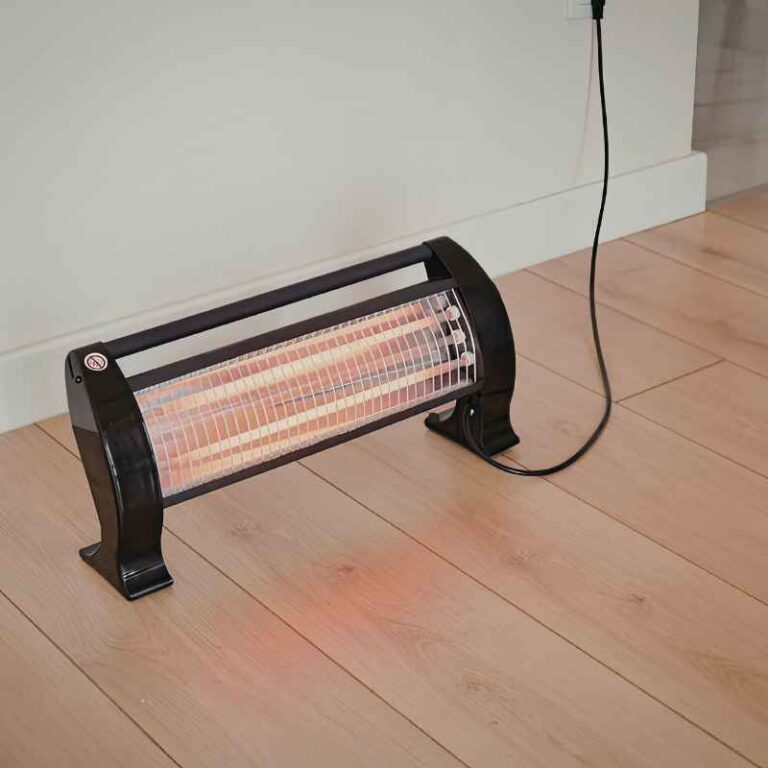
Electric ones are very common for homes. They plug into a wall outlet. Gas ones need a gas line.
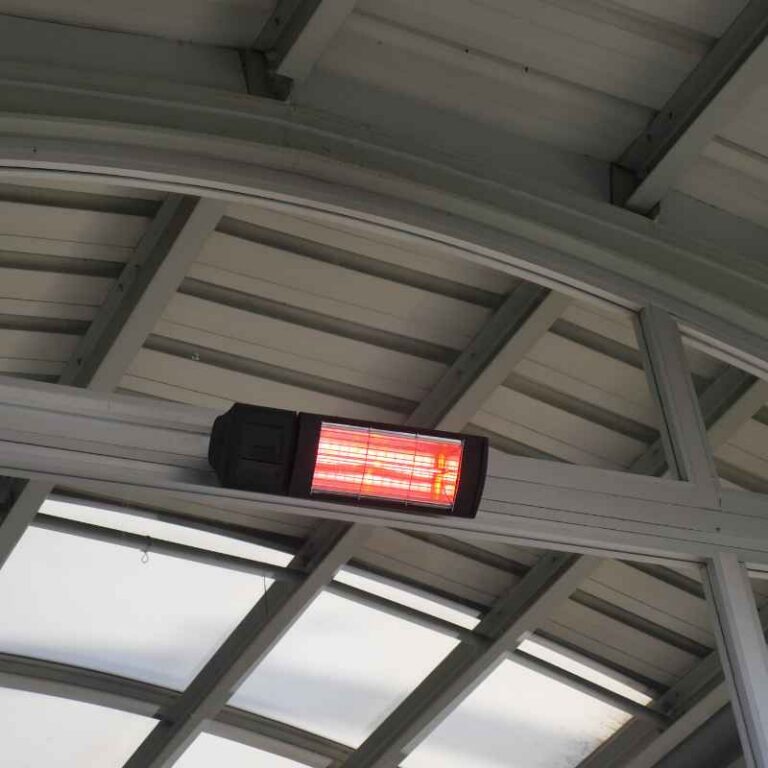
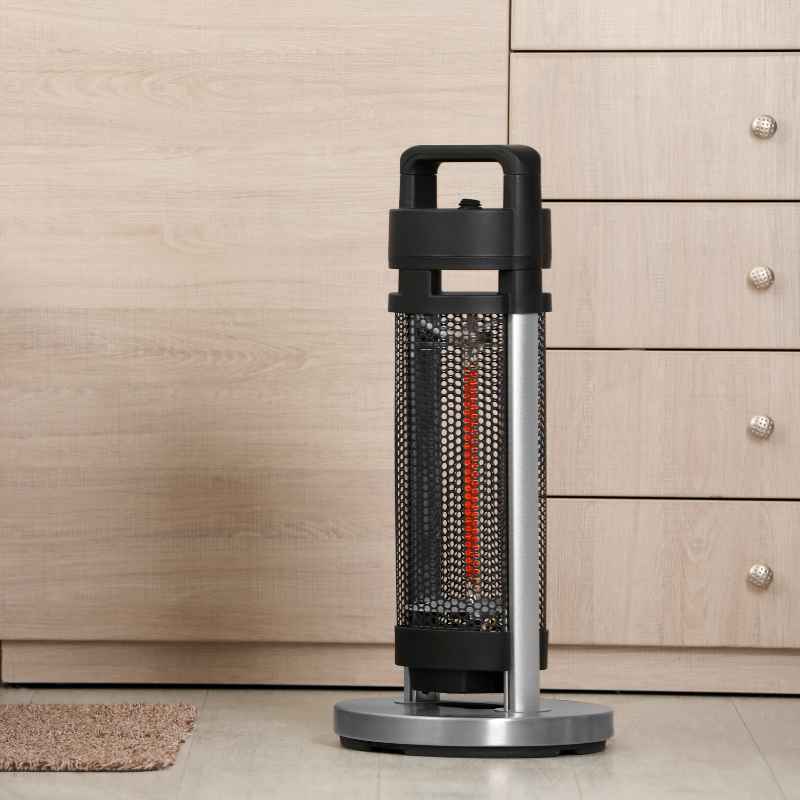
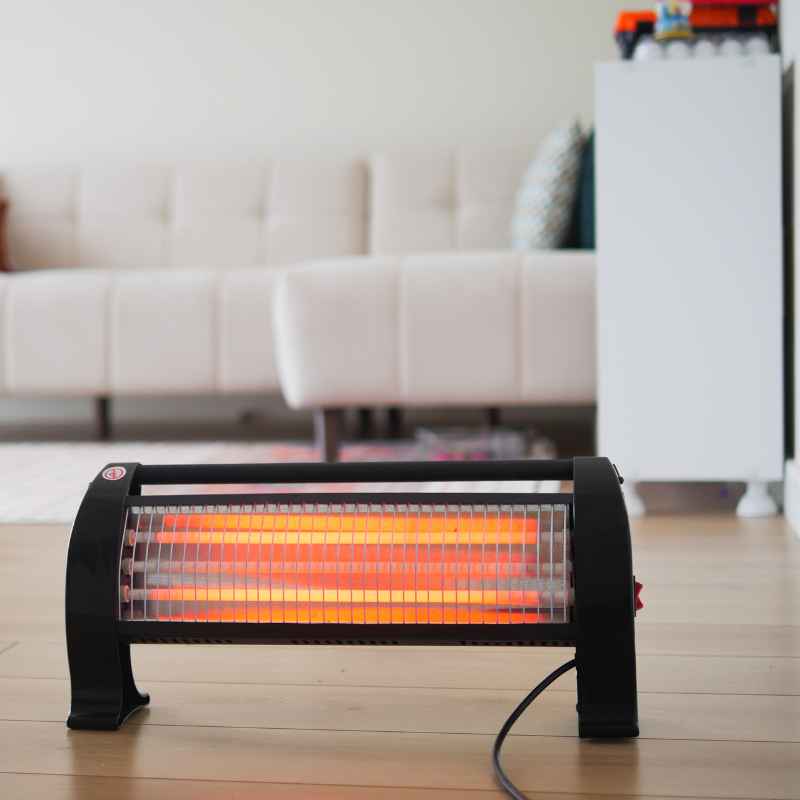
They usually have a glowing element or a ceramic surface that gets hot.
This direct heating method has pros and cons. It feels very comfortable when you are in the path of the heat. It can also heat a specific area without needing to heat the whole house.
This can save energy. But if you move out of the heat’s path, you might feel cooler.
The waves from infrared heaters do not heat the air directly. They heat objects and people. This means you can feel the warmth even if the room air is still a bit cool.
It’s a unique way to feel comfortable. It’s also why they are sometimes used in garages or workshops where air heating might not be as effective.
Why Modular Homes Are Different
Modular homes are built in sections. These sections are made in a factory. Then, they are brought to your home site.
They are put together on a foundation. This factory building process has some advantages. It often means the home is built with good quality control.
The materials are often of high quality.
Because they are built in a controlled environment, modular homes can be very well insulated. This is a good thing for saving energy. Good insulation means less heat escapes.
It also means less cold air gets in. This can make them comfortable year-round. It also means they might heat up quickly.
However, modular homes can sometimes have different heating systems than site-built homes. They might have central forced-air systems. Or they might have electric baseboard heaters.
Some might use propane furnaces. The layout can also be different. Rooms might feel more distinct.
The way air moves within a modular home can be unique. Good sealing and insulation are great. But they can also make air flow patterns different.
This is where understanding how an infrared heater works becomes important. It doesn’t rely on moving air like a forced-air system does.
The construction methods can mean that certain areas might be prone to less air circulation. Or, the insulation might be so good that heating the entire space is very efficient. This is why spot heating from an infrared heater can be appealing.
You can warm up a space quickly where you are.
It’s also worth noting that some older modular homes might have different insulation levels than newer ones. This can affect how well any type of heater works. Knowing your home’s specifics helps a lot.
It helps you choose the best heating solution.
Can Infrared Heaters Work Well?
Yes, infrared heaters can work very well in modular homes. Their ability to heat objects directly is a big plus. This is especially true in well-insulated modular homes.
Since less heat escapes, the warmth from an infrared heater stays where it’s directed. You feel it longer.
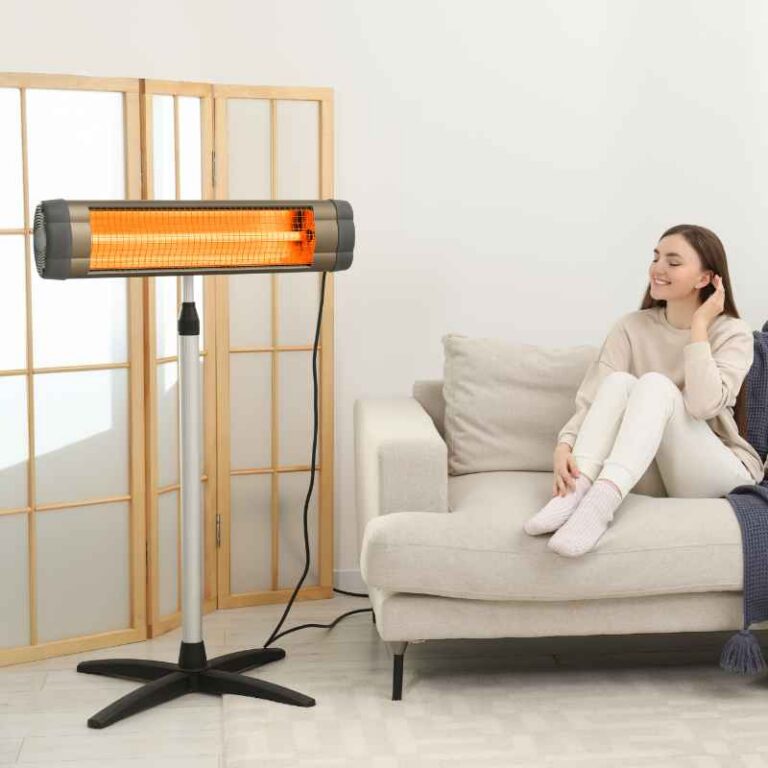
For example, imagine you are sitting in your favorite armchair in the living room of your modular home. If you place an infrared heater nearby, it will warm you directly. It will also warm the floor and the rug beneath you.
This feels very cozy. It doesn’t just heat the air in that spot.
This direct heating is efficient. You don’t waste energy heating empty spaces or parts of the room you aren’t using. This is perfect for a modular home where you might want to heat just one or two rooms.
This can save you money on your energy bills.
The quick heating effect is another benefit. Infrared heaters can make a space feel warm almost instantly. This is great for those chilly mornings or evenings.
You don’t have to wait for a whole room to fill with warm air. You feel the heat right away.
However, it’s important to understand their limits. Infrared heaters are best for spot heating or supplemental heating. They are not usually meant to be the sole heat source for an entire large home.
This is true for any home, modular or not.
If your modular home has poor insulation in certain spots, or if there are drafts, the infrared heat might not feel as effective. But in a well-built modular home, the direct radiant heat can be a very satisfying experience. It’s like having your own personal sunshine indoors.
Many people find that using an infrared heater in a room where they spend a lot of time, like a bedroom or a den, is very effective. It allows them to lower the thermostat for the whole house. This saves energy and money.
It’s a smart way to supplement your existing heating system.
Smart Placement for Maximum Warmth
Direct Line of Sight: Always aim the heater directly at the area or person you want to warm. The waves need a clear path.
Avoid Obstacles: Large furniture, thick curtains, or walls can block the heat waves. Keep these things out of the direct path.
Room Size Matters: Infrared heaters are best for smaller to medium-sized rooms, or for heating a specific zone within a larger space.
Near Your Seating Area: Placing the heater near your couch or favorite chair ensures you get the most direct benefit.
Safety First: Keep flammable materials away from the heater. Always follow the manufacturer’s safety guidelines.
Factors to Consider for Modular Homes
When thinking about infrared heaters in your modular home, several things come to mind. The good news is that many of these factors align well with the benefits of infrared technology.
One big factor is insulation. Modular homes are often built with good insulation. This is a huge advantage.
It means the heat generated by an infrared heater will stay inside longer. You won’t lose as much warmth through the walls or roof. This makes the heater more efficient for you.
Another point is air sealing. Modern modular homes are typically well-sealed. This means fewer drafts.
Drafts can make any heater struggle. They let warm air out and cold air in. With good air sealing, the radiant heat from an infrared heater can really work its magic.
Consider the layout of your modular home. Many modular homes have an open floor plan in common areas. This can be great for infrared heat.
The waves can travel further without being blocked by walls. You can warm up a larger zone more effectively.
However, if your modular home has many small, separate rooms, you might need more than one infrared heater. Or, you might need to move a portable one from room to room. This isn’t a bad thing.
It just means planning where you’ll use it most.
Think about humidity levels. Infrared heat doesn’t dry out the air as much as some other types of heaters. This is a plus.
Dry air can be uncomfortable. It can make your skin feel dry and your throat scratchy. Maintaining a comfortable humidity level is easier with infrared.
The power source is also important. Most electric infrared heaters use a standard outlet. Make sure the circuit can handle the heater’s wattage.
Overloading a circuit can be a safety hazard. Always check the heater’s power requirements. Ensure your home’s wiring is up to the task.
Finally, think about supplemental versus primary heat. For most modular homes, an infrared heater is best as a secondary heat source. It’s for warming specific areas or rooms where you spend the most time.
It’s to make those spaces extra comfortable. It can help you feel warmer without having to crank up the main thermostat.
Infrared vs. Forced Air in Modular Homes
Infrared: Heats objects and people directly. Good for spot heating and quick warmth. Less affected by drafts.
Can feel warm even if air temp is cooler. Ideal for specific zones.
Forced Air: Heats the air and circulates it. Warms the entire room evenly. Can be affected by drafts and insulation gaps.
Takes longer to feel the heat.
Safety First: Important Precautions
Safety is always the top priority. This is true for any home, especially a modular one. Infrared heaters are generally safe when used correctly.
But like any heating device, they need attention.
One key rule is to keep flammable materials away. Things like curtains, blankets, paper, and upholstered furniture can catch fire. They should be at least three feet away from the heater.
Always check the manufacturer’s manual for specific distance guidelines. These are usually printed right on the heater or in the booklet.
Never cover the heater. This includes with clothes or towels. Covering it can cause it to overheat.
It can lead to a fire. The vents on the heater need to be clear so air can circulate properly and heat can escape safely.
Avoid using infrared heaters in damp or wet areas. Unless the heater is specifically designed for such locations, water and electricity don’t mix well. This means bathrooms, laundry rooms, or near sinks could be risky.
Children and pets need extra attention. They might not understand the dangers of a hot surface. Keep them away from the heater.
Some heaters have safety grates. But it’s still best to supervise closely. Teach older children about heater safety.
Make sure the heater is on a stable surface. It should not be in a place where it can be easily knocked over. If it does fall, it could cause damage or a fire.
Portable heaters should be placed on a hard, level floor. Avoid carpets if possible, or ensure the heater has a stable base.
Always inspect the heater before each use. Check the cord and plug for any damage. If you see frayed wires or a bent plug, do not use the heater.
Contact the manufacturer or a qualified technician. A damaged cord is a serious fire risk.
When you are not using the heater, unplug it. Store it in a safe place. This is especially important if you have young children or pets.
It prevents accidental use when you aren’t around to supervise.
Finally, never leave an operating heater unattended. This is a golden rule for all portable heaters. Always be in the room or area where the heater is running.
This way, you can quickly respond to any potential issues.
Quick Safety Checklist
- Keep 3 feet clear around the heater.
- Never cover the heater.
- Use in dry areas only (unless rated for damp areas).
- Supervise children and pets.
- Place on a stable, level surface.
- Inspect cord and plug for damage.
- Unplug when not in use.
- Never leave unattended while on.
Experience: My Own Modular Home Heating Story
I remember when we first moved into our modular home. It was a beautiful spring day. The sun was shining.
The house felt bright and airy. We thought, “This is perfect!” But then summer faded. Autumn arrived.
The nights started getting a bit crisp.
Our main heat was a decent forced-air system. It did its job. But the living room, where we spent most of our evenings, never felt quite as warm as I wanted it to be.
Even with the thermostat set high, there was a slight chill in the air. It was especially noticeable when sitting still.
I felt a bit frustrated. I didn’t want to run the main heat all night just to feel comfortable for a few hours. It felt wasteful.
And I noticed that my feet always felt a bit cold, even with socks on. It was a common problem in many homes, but I wanted to find a better way.
One weekend, I was browsing online. I saw ads for infrared heaters. They talked about “radiant warmth” and “direct heat.” It sounded exactly like what I was missing.
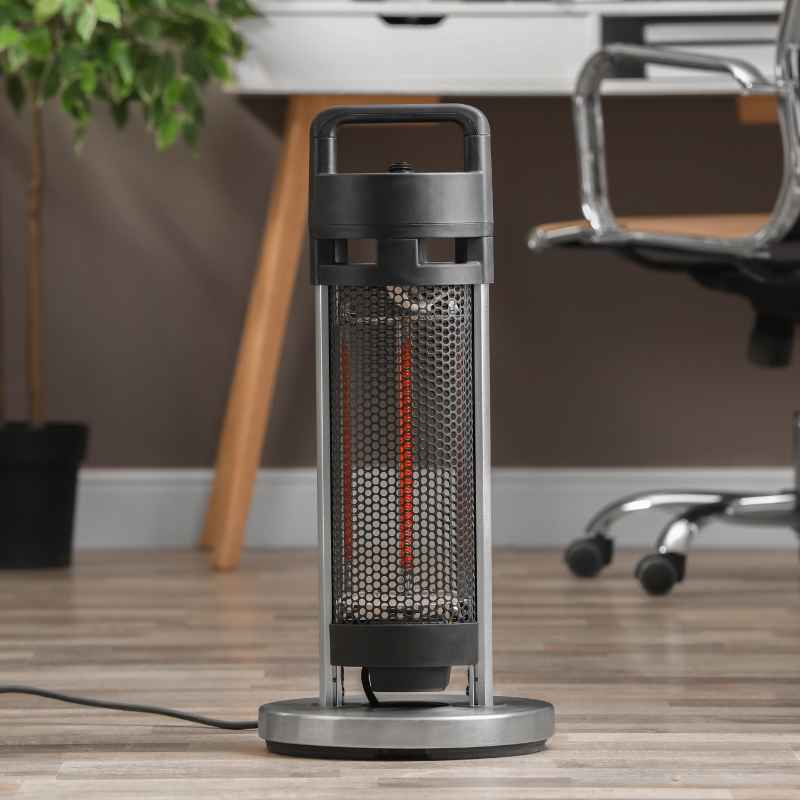
I decided to try a small, portable infrared heater. I chose one that looked sleek and wasn’t too large.
When it arrived, I was eager to test it. I set it up in the living room. I placed it a few feet away from the couch.
I turned it on. Within minutes, I felt a gentle warmth. It wasn’t like a blast of hot air.
It was more like stepping into a sunny spot.
I sat on the couch, and the heat washed over me. My feet started to feel warm. The blanket on my lap felt warmer too.
It was a noticeable difference. The air temperature didn’t shoot up dramatically, but the feeling of warmth was immediate and comforting.
That evening, we turned the main thermostat down a few degrees. We used the infrared heater to keep us cozy. It worked wonderfully.
I felt like I had found a secret to comfort. It didn’t try to heat the whole house. It just warmed us up where we were sitting.
It was a game-changer for our modular home evenings.
My Experience at a Glance
- Problem: Living room felt chilly despite central heat.
- Solution: Portable electric infrared heater.
- Result: Direct, comforting warmth felt quickly.
- Benefit: Able to lower main thermostat, saving energy.
- Lesson: Infrared heat is great for targeted comfort.
Understanding Your Home’s Needs
Every modular home is a little different. So, understanding your specific home’s needs is key. This helps you decide if an infrared heater is the right choice for you.
And if it is, how to use it best.
First, think about your current heating system. Is it efficient? Does it heat your home evenly?
If you have hot spots or cold spots, an infrared heater can help target those areas. It can make those less comfortable zones much more pleasant.
Consider the size of your home. For smaller modular homes, an infrared heater might be able to provide a significant portion of your heating needs. For larger homes, it will likely serve best as a supplemental heater.
It’s for adding comfort to specific rooms.
What are your energy bills like? If you find your heating bills are very high, you might be looking for ways to save money. Infrared heaters can help you achieve this.
By heating only the space you are using, you use less energy overall. This means lower costs.
Think about your personal comfort preferences. Do you like to feel warm all over, or do you prefer to feel warm in the specific spot where you are sitting? If you like direct warmth, infrared is fantastic.
If you prefer the whole room air to be warm, you might need a different solution, or use infrared to supplement.
Check the age and condition of your insulation. Even a great modular home can lose efficiency if its insulation is old or damaged. You can often find out about your home’s insulation by checking with the builder or a home inspector.
Good insulation means any heater will work better.
Are there any rooms that are difficult to heat with your current system? Maybe a sunroom, a basement den, or an attached workshop? These areas are often perfect candidates for infrared heaters.
They provide warmth without needing to run the main system constantly.
Finally, think about the climate where you live. In milder climates, an infrared heater might be all you need for much of the year. In very cold climates, it will almost certainly be best as a supplemental heat source.
It adds an extra layer of cozy warmth when you need it most.
Assessing Your Modular Home’s Heating Needs
Current System Efficiency
Note any hot/cold spots.
Home Size
Determine if supplemental or primary heat is needed.
Energy Bills
Identify areas where savings are desired.
Comfort Preferences
Decide on direct vs. ambient warmth.
Insulation Quality
Check insulation age and condition.
Room Usage
Pinpoint areas needing extra heat.
Local Climate
Consider seasonal heating demands.
When Is Infrared Heat the Right Choice?
Infrared heat shines in certain situations. It’s like having a special tool for a specific job. For your modular home, it can be a great addition when you need targeted warmth.
It’s also good when you want to be more energy-efficient.
It’s an excellent choice for supplemental heating. This means it’s not your main heat source, but it adds comfort. Think of those evenings in the living room or den.
You want to feel cozy without heating the whole house. An infrared heater is perfect for this.
If you have a room that is consistently cooler than the rest of your house, infrared heat can help. Maybe it’s a basement room that’s always a bit damp and chilly. Or perhaps a guest room that you don’t use all the time.
You can warm it up quickly when needed.
It’s also a good option for people who want to save energy and money. By heating only the area you’re in, you can turn down your main thermostat. This can lead to noticeable savings on your utility bills.
It’s a smart, cost-effective way to stay warm.
Quick comfort is another big win for infrared. If you hate waiting for a room to warm up, this is for you. The moment you turn it on, you feel the warmth.
This is great for getting ready in the morning or relaxing in the evening.
Infrared heaters are also great for specific activities. Do you have a home office or a craft room that gets a bit chilly? Set up an infrared heater near your desk or workspace.
It will keep you comfortable while you focus on your tasks.
In well-insulated modular homes, the radiant heat is very effective. The heat bounces off surfaces and keeps you warm. It’s a different kind of warmth than forced air.
Many people find it more pleasant and less drying.
However, if you are looking for a heater to warm up a very large, open space with no obstacles, or if you need to heat multiple rooms evenly all at once, you might need a different solution. Infrared works best when there’s a direct path for the heat waves.
Also, if your home has significant drafts or very poor insulation, the benefits of infrared might be reduced. The heat waves could escape too quickly. In such cases, addressing insulation and air sealing issues first would be more effective.
Best Use Cases for Infrared Heaters
- Supplemental Heating: Adding comfort to specific rooms or zones.
- Cold Spot Correction: Warming up rooms that are hard to heat.
- Energy Savings: Lowering main thermostat and heating only occupied areas.
- Instant Warmth: Feeling comfortable within minutes of turning it on.
- Personal Comfort Zones: Warming up workspaces, reading nooks, or seating areas.
- Well-Insulated Homes: Maximizing heat retention and efficiency.
When to Be Cautious or Consider Alternatives
While infrared heaters are great for many situations in modular homes, there are times when you might want to be cautious. Or, you might want to consider other heating options. Understanding these limitations helps you make the best choice for your comfort and safety.
One major caution is if your modular home has poor insulation or significant drafts. If your walls feel cold to the touch, or you can feel air coming in from under doors or around windows, an infrared heater might struggle. The heat waves will escape too quickly.
In this case, fixing the insulation and sealing drafts should be your first priority. Once your home is better sealed, infrared heaters will perform much better.
If your primary goal is to heat an entire large space evenly, an infrared heater might not be the best sole solution. While they can heat objects in their path, they don’t circulate warm air throughout a huge area like a central forced-air system does. You might end up with warm spots and cool spots.
Consider the layout of your rooms. If you have many small, enclosed rooms that you want to heat simultaneously, you would need multiple portable infrared heaters. Or, you would need to move one around.
This can be inconvenient. In such cases, a central heating system might be more practical.
For very high ceilings, infrared heat might be less effective. The heat waves travel in a straight line. If the ceiling is very high, the heater might need to be placed closer to the floor to effectively warm the occupied space.
This might not always be practical or aesthetically pleasing.
If you are looking for a heater that automatically adjusts to room temperature and maintains a consistent level throughout, some infrared heaters do this, but it’s worth checking the features. Others are more basic and just provide heat when turned on. If precise temperature control of the entire room air is your main need, a thermostat-controlled furnace or a convection heater might be more suitable.
Also, think about noise levels. Most electric infrared heaters are virtually silent. However, if you are considering a gas-powered infrared heater, they can sometimes produce a low humming or blowing sound.
This might be a consideration for some people.
Finally, always consider the electrical capacity of your home’s circuits. High-powered infrared heaters can draw a lot of electricity. Make sure your home’s wiring can handle it.
Overloading a circuit can lead to breakers tripping or, in worst cases, electrical fires. Consult an electrician if you are unsure.
When to Reconsider Infrared Heat
- Poor Home Insulation/Drafts: Heat will escape too easily.
- Heating Large, Open Areas Evenly: Best for targeted warmth, not whole-area circulation.
- Many Small, Simultaneously Heated Rooms: Can become inconvenient with portable units.
- Very High Ceilings: May not effectively heat the occupied living space.
- Need for Precise Room-Wide Temperature Control: Other heaters might offer more consistent ambient temps.
- Electrical Capacity Concerns: High-wattage heaters need adequate circuits.
Simple Checks and Monitoring
Once you’ve decided an infrared heater is a good fit for your modular home, there are simple checks you can do. These help ensure it’s working well and safely. They also help you get the most out of your investment.
Regular Inspection: Before you use your infrared heater each season, or even each time you move it, give it a quick look-over. Check the power cord for any nicks, cuts, or fraying. Ensure the plug is not damaged.
If anything looks suspicious, stop using it immediately and get it repaired or replaced.
Clearance Check: Always confirm that there is enough space around the heater. Make sure there are no blankets, furniture, curtains, or other items too close to it. A three-foot clearance is a good rule of thumb, but always follow the manufacturer’s specific instructions.
This prevents overheating and potential fire hazards.
Stable Placement: Ensure the heater is sitting on a flat, stable surface. It should not wobble. If it’s a floor-standing model, make sure it can’t be easily tipped over.
Keep it away from high-traffic areas where it might get bumped.
Ventilation Check: Most heaters have vents for air intake or output. Make sure these are not blocked. Dust and debris can accumulate over time.
Gently clean the vents with a soft brush or vacuum attachment as recommended by the manufacturer. Good airflow helps the heater run efficiently and safely.
Listen for Odd Noises: While most infrared heaters are quiet, pay attention if you hear new or unusual sounds. Grinding, clicking, or loud buzzing could indicate a problem. If this happens, unplug the heater and have it checked by a professional.
Monitor Room Temperature: While infrared heaters warm objects directly, you’ll still notice the overall feel of the room. If you turn it on and the room still feels very cold after a reasonable time, it might mean the heater is too small for the space, or there’s an issue with insulation. You can use a simple room thermometer to check the actual air temperature.
Energy Usage: Keep an eye on your electricity bill. If you’ve added an infrared heater and your bill has spiked unexpectedly, it could mean the heater is running too much, or it’s not as efficient as you hoped for your needs. This might prompt you to adjust your usage or reconsider its role.
Smart Usage: Use the heater only when and where you need it. Turn it off when you leave the room. Don’t use it to dry clothes or other items.
By being mindful of how and when you use it, you maximize its benefits and minimize potential risks.
Easy Monitoring Steps
- Inspect: Cord, plug, and casing for damage.
- Clear: Ensure 3ft clearance from flammables.
- Stable: Place on a level, firm surface.
- Clean: Keep vents free of dust and debris.
- Listen: Note any unusual or loud noises.
- Measure: Check room temp if warmth feels lacking.
- Track: Monitor electricity usage.
- Mindful Use: Operate only when needed and turn off when done.
Frequently Asked Questions
Can I use an infrared heater as the only heat source in my modular home?
For most modular homes, an infrared heater is best used as a supplemental heat source. It’s excellent for warming specific rooms or areas where you spend the most time. Relying on it as the sole heat source for an entire home, especially in colder climates, might not provide enough consistent warmth throughout all spaces.
Will an infrared heater dry out my modular home’s air?
No, infrared heaters generally do not dry out the air. Unlike some other heating methods like forced-air furnaces or electric resistance heaters that heat the air, infrared heaters warm objects directly. This means they don’t have a significant impact on humidity levels, helping to maintain a more comfortable indoor environment.
Are infrared heaters safe for use around children and pets in a modular home?
Infrared heaters are generally safe when used according to the manufacturer’s instructions. However, like any heating device, they have hot surfaces. It’s crucial to keep children and pets at a safe distance and supervise them closely.
Always ensure the heater is placed on a stable surface and never left unattended.
How do I know if my modular home’s insulation is good enough for an infrared heater?
A well-insulated modular home will feel consistently warm and retain heat well. If you notice cold spots, drafts, or your heating system has to run constantly, your insulation might need improvement. You can check with your home’s builder or a professional energy auditor.
Good insulation makes infrared heaters much more effective.
Can I use a portable infrared heater in my bathroom or kitchen in a modular home?
You should only use an infrared heater in a bathroom or kitchen if it is specifically rated for use in damp or wet locations. Most portable electric heaters are designed for dry living spaces only. Using a standard heater in a moist environment can be a serious safety hazard.
Always check the product’s specifications.
What is the difference between infrared and convection heaters for a modular home?
Infrared heaters emit radiant heat that warms objects directly. Convection heaters warm the air, which then circulates around the room. Infrared is good for instant, targeted warmth.
Convection is better for gradually heating an entire room evenly. Both can be used in modular homes, but for different purposes.
Final Thoughts
So, can infrared heaters work well in your modular home? The answer is a resounding yes, with a few smart considerations. They offer a unique and efficient way to add warmth and comfort.
They are especially suited for the well-built, often well-insulated nature of modular homes.
By understanding how they work, placing them wisely, and always prioritizing safety, you can enjoy the cozy, direct heat they provide. They can be a fantastic addition to your home’s heating strategy, helping you stay comfortable and potentially save on energy costs. Enjoy your cozy space!
Sponsored / affiliate links. As an Amazon Associate I earn from qualifying purchases. I may earn additional commission from eligible campaigns.