What Is A Good Alternative To Existing Baseboard Electric Heaters?
Dealing with old, inefficient baseboard electric heaters can be a real headache. You might notice them costing a lot to run. Or perhaps they just don’t heat your rooms evenly.
Many people feel frustrated by this. They want a better way to keep their homes warm and cozy. This guide will help you find great alternatives.
We will look at options that save energy and improve comfort.
Good alternatives to baseboard electric heaters often include modern electric radiators, ductless mini-split systems, and even smart space heaters. These options generally offer better energy efficiency, more even heat distribution, and enhanced control over room temperatures compared to older baseboard units.
Understanding Baseboard Electric Heaters
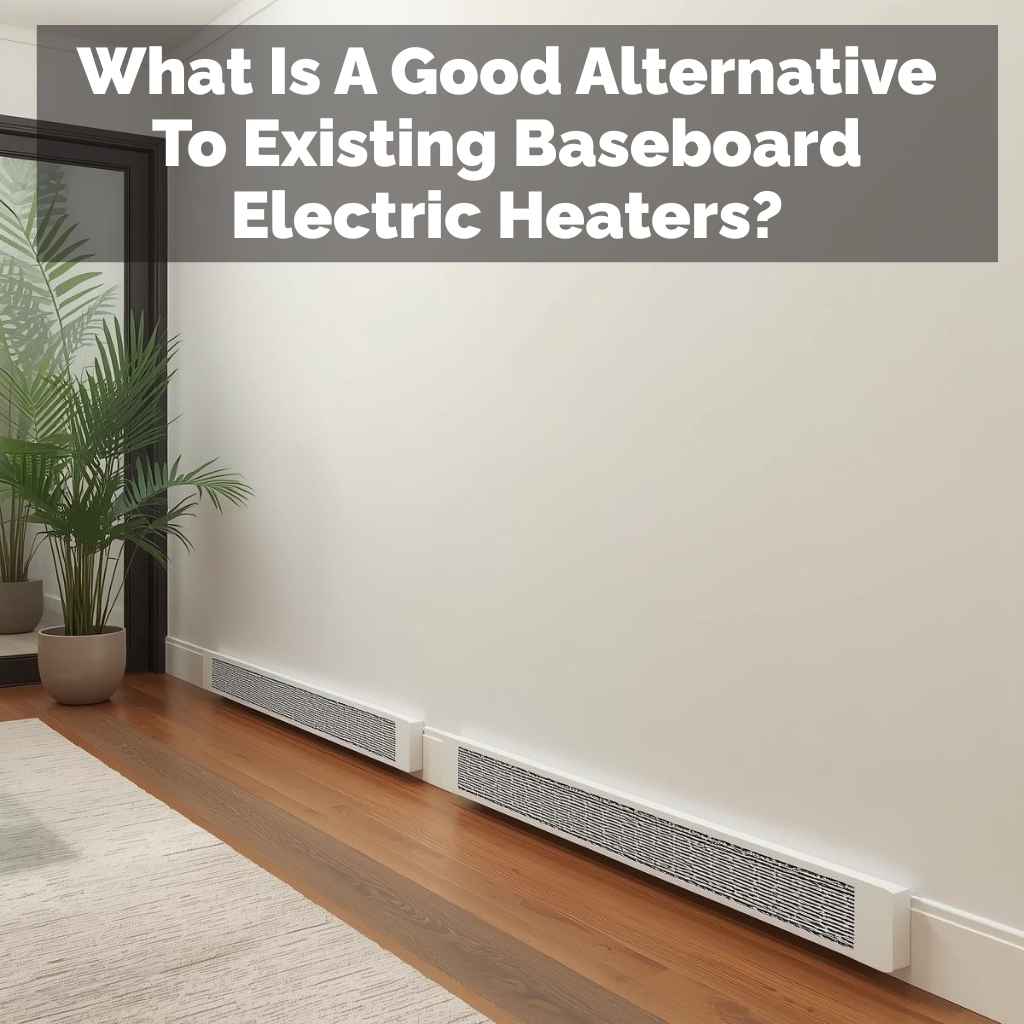
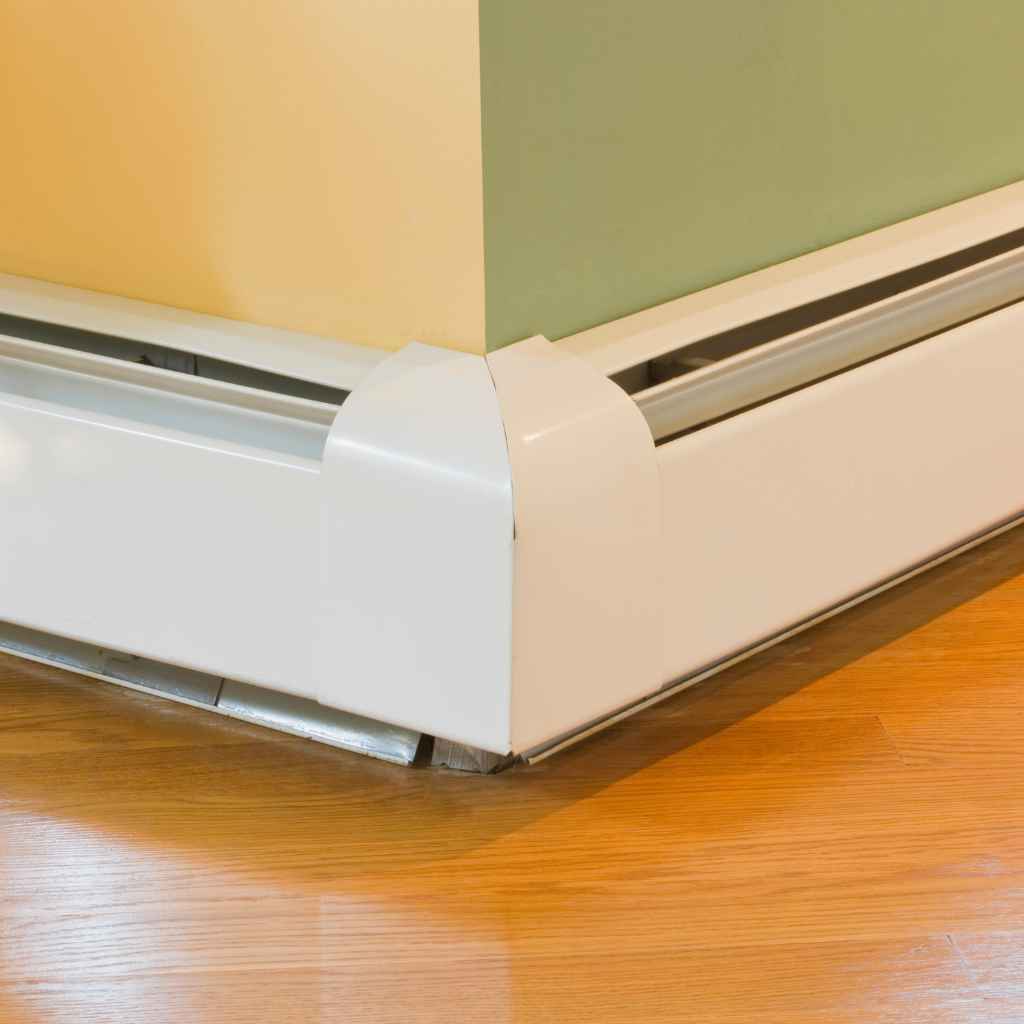
Baseboard electric heaters have been around for a long time. They are a common sight in many homes. These heaters work by passing electricity through a resistance wire.
This wire gets hot. A metal finned element surrounds the wire. This element heats up too.
Then, air passes over the fins. This warmed air rises. It then circulates through the room.
This is called convection heat. It’s a simple system.
However, this simple system has drawbacks. One big issue is efficiency. Older models are not very good at keeping heat in.
They can also be slow to warm up a room. You might feel hot spots near the heater. But other parts of the room stay cool.
This means you might turn the thermostat up higher. This wastes energy and costs more money. Also, they can look dated.
Many people want a more modern look for their homes.
The controls on old baseboard heaters are often basic. They might have a simple dial. This dial is usually not very precise.
It’s hard to set an exact temperature. This leads to rooms being too hot or too cold. Plus, they can be noisy.
You might hear clicking or buzzing sounds as they turn on and off. If one breaks, fixing it can be tricky. Parts might be hard to find.
This is a common problem for homeowners.
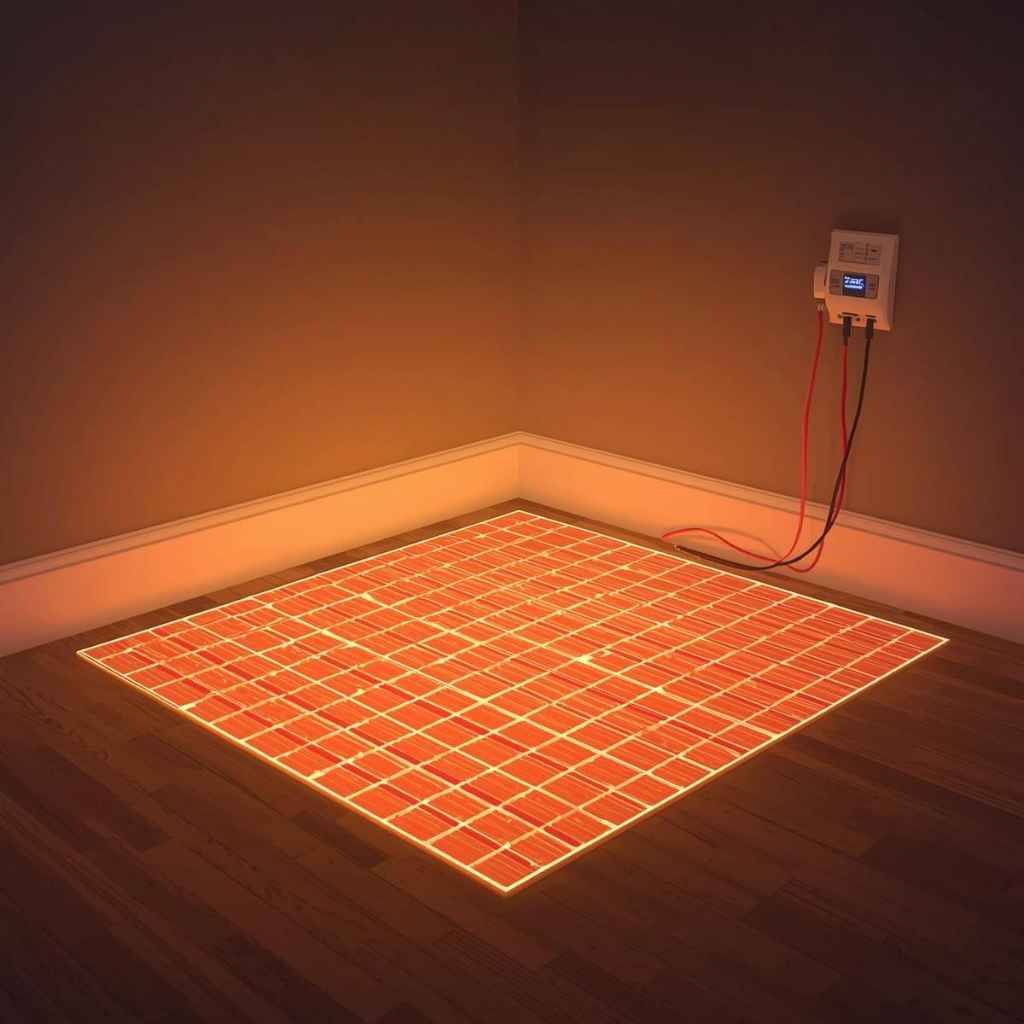
Why Look for Alternatives?
There are several strong reasons to consider alternatives. The biggest one is often cost. Old electric baseboard heaters are usually expensive to run.
Electricity prices can go up. This makes heating bills even higher. Newer heating systems are designed to use less energy.
They can save you money over time. This is a major benefit for any household budget. Think about the long-term savings.
Comfort is another key factor. Uneven heating is a big problem. No one likes to feel cold spots in their living room.
Or have their bedroom feel like a freezer. Modern heating options provide more consistent warmth. They can heat a room more evenly.
This makes your home feel more comfortable. You can relax and enjoy your space. No more chasing warmth around the house.
Another reason is control. Many modern heaters come with smart features. You can control them with your phone.
You can set schedules. This means you only heat the rooms you use. And only when you need to.
This is much smarter than heating an empty house. It also helps with energy savings. You have more power over your home’s temperature.
This gives you peace of mind.
Finally, there’s the appearance. Old baseboard heaters are not always attractive. They can take up wall space.
They might not fit your home’s decor. New heating options can be much more stylish. Some are almost invisible.
Others are designed to be a modern focal point. Upgrading your heating can also update the look of your rooms. It’s a win-win for function and form.
Modern Electric Radiators
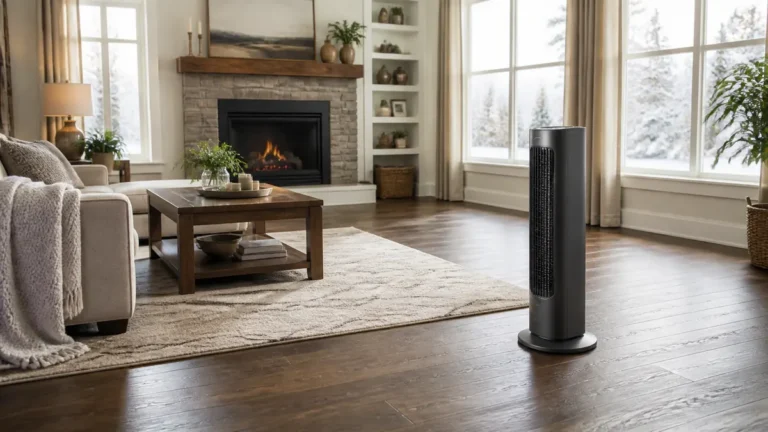
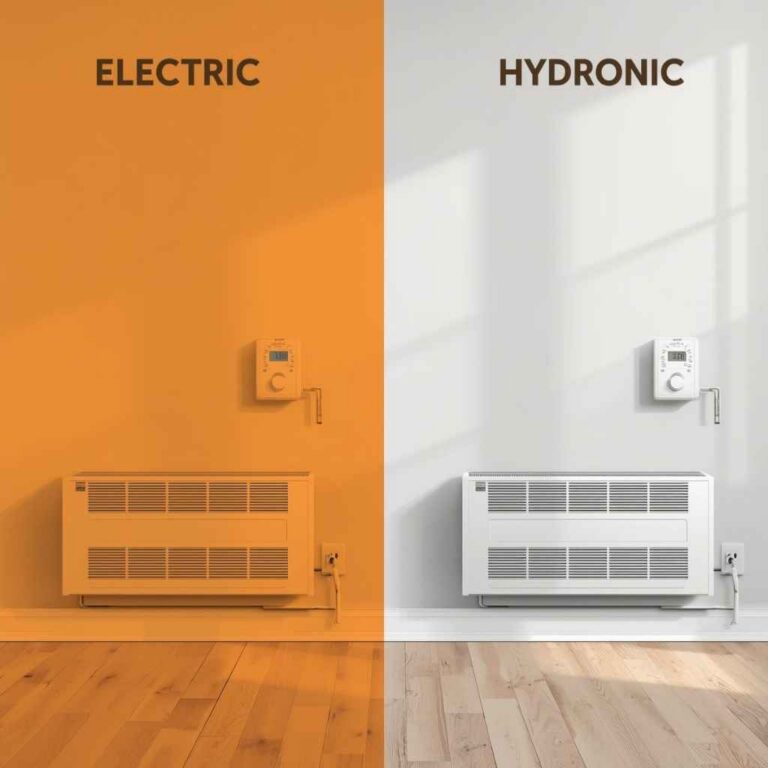
Electric radiators are a great step up from old baseboards. They work on a similar principle. But they are much smarter and more efficient.
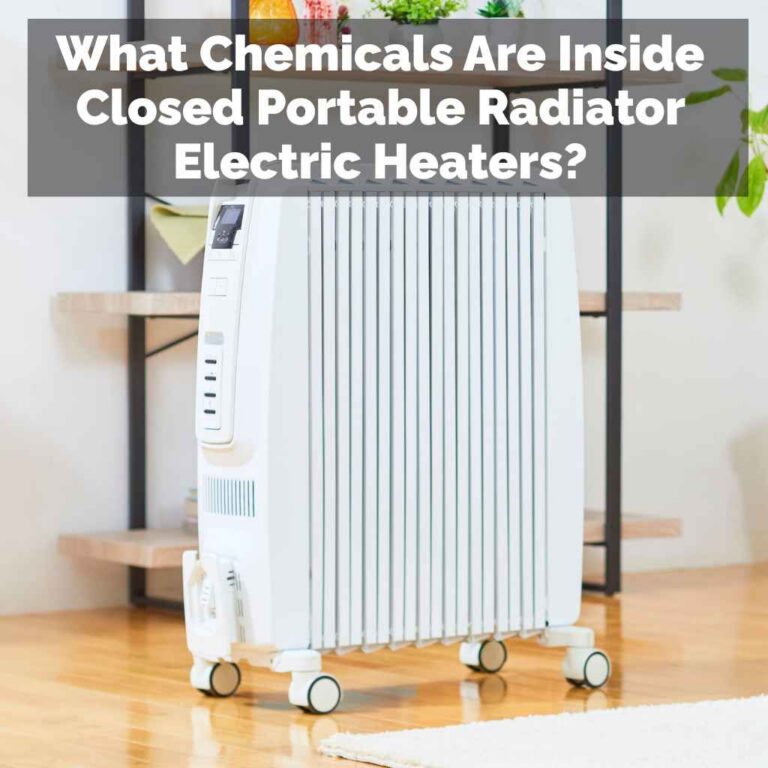
Many use a fluid inside. This fluid is heated by electricity. The fluid then radiates heat.
This provides a more gentle and even warmth. It feels more like natural heat. It does not blow hot air around.
These radiators often have advanced controls. You can set precise temperatures. Many have digital thermostats.
Some can be programmed for different times of the day. This is great for saving energy. You can lower the heat when you’re away.
Or when you’re sleeping. You can get models with remote controls. Or even smartphone apps.
This gives you total control.
They also come in many designs. Some look very similar to traditional baseboards. But they are much more efficient.
Others are tall and slim. They can fit in corners. Some are designed to be wall-mounted.
Or even freestanding. This gives you flexibility in how you heat your space. They are a good option if you like the idea of electric heat.
But want better performance.
The installation is usually quite simple. They often just plug into an existing outlet. Or they can be hardwired by an electrician.
They don’t need complex ductwork. This makes them easier to install than some other systems. They are a good choice for apartments or older homes.
Where major renovations are not possible. They offer a noticeable upgrade in comfort.
Quick Scan: Electric Radiator Benefits
Even Heat: Spreads warmth smoothly. No more cold spots.
Energy Savings: Use less power than old units. Lower bills.
Precise Control: Set exact temperatures. Program schedules.
Modern Design: Look much better. Fit any decor.
Easy Install: Often plug-and-play. Or simple hardwiring.
Ductless Mini-Split Heat Pumps
Ductless mini-split systems are a very popular choice. They are highly efficient. They can heat and cool your home.
This is a big advantage. They use a heat pump system. This means they move heat.
They don’t create it from scratch. In winter, they pull heat from the outside air. They bring it inside your home.
Even when it’s cold outside. In summer, they reverse the process.
These systems have two main parts. There’s an outdoor unit. And one or more indoor units.
The indoor units are mounted on walls. Or ceilings. They are connected by a slim conduit.
This conduit carries refrigerant. It also carries power and drain lines. This is why they are called “ductless.” They don’t need large air ducts.
Like a central HVAC system.
Each indoor unit can heat or cool a specific zone. You can control the temperature in each room. Independently.
This is called zone control. It’s very efficient. You only heat or cool the areas you are using.
This saves a lot of energy. It’s much better than heating your whole house. When you’re only in one room.
Many systems can have multiple indoor units. All connected to one outdoor unit.
Mini-splits are very quiet. They are also very effective. They can heat and cool very well.
They are a great alternative to baseboard heaters. Especially if you also want air conditioning. The installation can be more involved.
It requires an outdoor unit. And running the conduit. But the benefits are significant.
They offer excellent comfort and savings.
I remember installing one in my friend’s old workshop. It was a detached building. It had terrible electric heaters.
It was always freezing in winter. And stifling in summer. We put in a single-zone mini-split.
The difference was night and day. He could finally work out there comfortably. He was so happy with the energy savings too.
He said his electric bill dropped a lot.
Mini-Split vs. Baseboard: Key Differences
Functionality: Mini-splits heat AND cool. Baseboards only heat.
Efficiency: Mini-splits are highly efficient. Baseboards are often not.
Zoning: Mini-splits offer room-by-room control. Baseboards heat whole areas.
Air Quality: Mini-splits often have advanced filters. Baseboards do not.
Installation: Mini-splits require outdoor unit & conduit. Baseboards are simpler.
Smart Space Heaters
For smaller areas or supplemental heat, smart space heaters are an option. These are portable units. They can be moved from room to room.
Modern space heaters are much safer than older models. They often have tip-over switches. And overheat protection.
This makes them a good choice for safety.
What makes them “smart” is their features. Many connect to Wi-Fi. You can control them with an app.
This lets you set timers. Or adjust the temperature remotely. Some can even learn your heating habits.
And adjust automatically. This helps save energy. They are a good way to heat a single room.
Without heating the whole house.
Look for models with ceramic heating elements. They tend to heat up quickly. And distribute heat well.
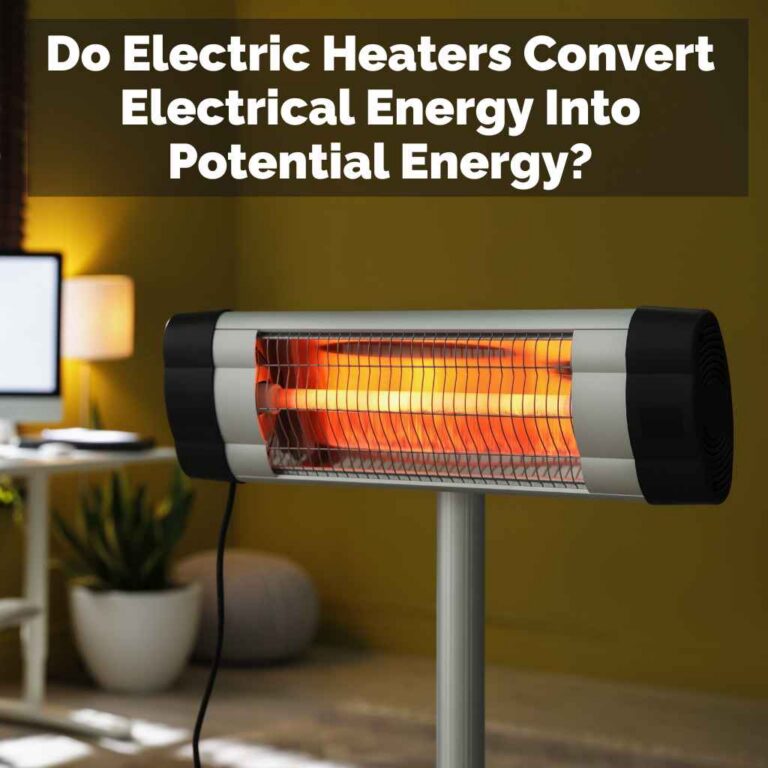
Infrared heaters are another option. They heat objects directly. Instead of just warming the air.
This can feel more comfortable. Some smart space heaters have oscillating fans. This helps to spread the heat around the room.
They are a good temporary solution. Or for rooms that are used occasionally. Like a guest room or a home office.
They are easy to use. You just plug them in. And set the controls.
But remember they are for smaller spaces. They won’t effectively heat an entire home. Especially a larger one.
They are a complement to other systems.
I used a smart space heater in my home office during a cold snap. The main heating was struggling. I needed extra warmth.
I plugged in a smart heater. I set the temperature on my phone. It kept my office perfectly warm all day.
I didn’t have to get up to adjust it. It was a simple fix. And it saved me from feeling miserable.
Plus, I only heated that one room.
Smart Space Heater Features to Look For
- Wi-Fi Connectivity & App Control
- Programmable Thermostat & Timers
- Safety Features (Tip-over, Overheat Protection)
- Quiet Operation
- Energy Saving Modes
- Ceramic or Infrared Heating Elements
Other Heating Alternatives
There are other heating methods you might consider. Some are more involved. Others are more niche.
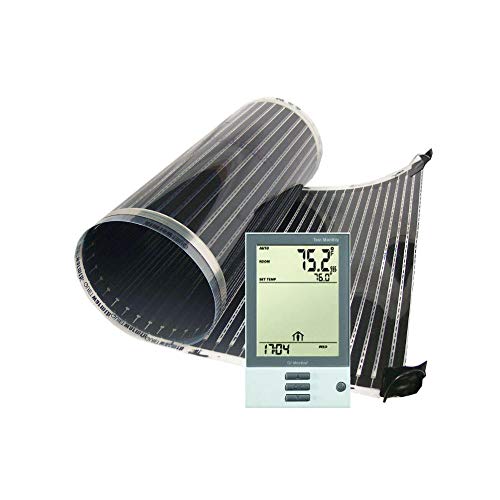
Radiant floor heating is a luxurious option. It involves heating elements installed under your floors. This provides a very even and comfortable warmth.
It’s usually installed during construction. Or a major renovation. It’s very efficient.
And feels wonderful underfoot.
Propane or natural gas heaters are another possibility. If you have access to gas lines, a gas furnace can be very effective. Gas is often cheaper than electricity.
These systems use ductwork. They can heat an entire house. However, installing gas lines can be expensive.
And you need to consider ventilation. Safety is very important with gas heating.
Wood-burning stoves or pellet stoves are an option. Especially if you live in a rural area. They can provide a cozy ambiance.
And can be cost-effective if you have access to fuel. But they require regular maintenance. And careful operation.
You need to manage ash and fuel. Plus, air quality can be a concern.
Electric steam radiators are a less common option. They are similar to electric radiators. But they heat water to steam.
This steam then heats the radiator. They can provide a consistent heat. But they are not as widely available.
Or as energy efficient as modern electric radiators. They are more of a specialized choice.
Heating System Comparison at a Glance
| System | Pros | Cons | Best For |
|---|---|---|---|
| Modern Electric Radiators | Even heat, efficient, good control, stylish | Relies on electricity costs | Zone heating, home upgrades |
| Ductless Mini-Splits | Heat & cool, highly efficient, zone control, quiet | Higher upfront cost, requires outdoor unit | Whole-home comfort, energy savings |
| Smart Space Heaters | Portable, easy to use, app control, affordable | Only for small spaces, supplemental heat | Single rooms, offices, quick fixes |
| Radiant Floor Heating | Extremely even & comfortable, efficient, invisible | Very high upfront cost, installation intensive | New builds, major renovations |
What to Consider When Choosing
When you’re choosing a new heating system, think about a few things. First, your home’s size is important. A large home needs a more powerful system.
Like a mini-split or a furnace. A small apartment might do well with electric radiators. Or even a smart space heater for one room.
Next, think about your budget. Some systems cost more upfront. But save you money over time.
Others are cheaper to buy. But cost more to run. Consider both the initial cost.
And the long-term operating cost. Look at energy efficiency ratings. These can tell you a lot about how much power it will use.
How do you want to control the heat? Do you need simple controls? Or do you want smart features?
Like app control and scheduling. If you want to heat and cool, a mini-split is a great choice. If you only need heat, electric radiators might be better.
Also, consider your existing setup. Do you have access to natural gas? Is your electrical system up to date?
Some systems need more power. Make sure your home can support them. If you’re unsure, consult a qualified HVAC professional.
They can assess your home.
What about the climate where you live? In very cold areas, some heat pumps struggle. Though modern ones are much better.
In milder climates, they are usually very effective. Think about how cold your winters get. And how hot your summers can be.
Decision Checklist
1. Home Size: How large is the area to be heated?
2. Budget: What is your upfront and long-term cost limit?
3. Heating Needs: Do you also need cooling?
4. Control Preferences: Simple dials or smart app control?
5. Existing Infrastructure: Gas lines, electrical capacity?
6. Climate: How extreme are your local temperatures?
When is it Okay to Keep Old Baseboard Heaters?
Sometimes, keeping your old baseboard heaters might make sense. If they are still working well. And your energy bills are manageable.
You might not need to replace them right away. Especially if they are only in one or two rooms. That you don’t use very often.
Perhaps you are renting. Or planning to move soon. In those cases, a big upgrade might not be worth it.
If they heat the space adequately. And safely, you can keep them. But you should still be aware of their efficiency.
And their potential costs.
If the units are very old. And showing signs of wear. Like rust, or strange noises.
It might be time to consider replacing them. Even if they seem to be working. Safety is the number one concern.
Check them regularly for any damage.
If you have a very small heating need. For example, a small bathroom that gets chilly. And you only need heat for short periods.
Your existing baseboard might be sufficient. You could also use a small, portable space heater. As a more energy-efficient alternative for that specific room.
It really depends on your situation.
Making the Switch: What to Expect
Switching from old baseboard heaters can be exciting. You’ll likely notice a big difference in comfort. Rooms will feel warmer.
And the heat will be more even. You probably won’t have those cold spots anymore. This makes your home a much nicer place to be.
You should also expect to see a change in your energy bills. Especially if you choose a highly efficient system. Like a mini-split or a modern electric radiator.
This saving can really add up over the years. It’s a good investment for your home.
You might also gain more control over your heating. With smart thermostats and programming. You can customize your home’s warmth.
Based on your schedule. This makes heating more convenient. And more tailored to your lifestyle.
No more fiddling with old dials.
Installation can vary. Some systems are quick and easy. Others take more time.
Talk to your installer. Understand the process. And the timeline.
Make sure they are licensed and experienced. This ensures the job is done right. And your new system works perfectly.
After installation, take time to learn your new system. Read the manuals. Understand the controls.
Experiment with the settings. Get the most out of your new heating. It can take a little while.
To get used to new technology. But the benefits are usually well worth it. Enjoy your warmer, more efficient home!
Frequent Questions About Alternatives
Are ductless mini-splits better than electric baseboard heaters?
Yes, generally ductless mini-splits are much better. They are far more energy-efficient. They can heat and cool your home.
And they provide more even temperature control. Baseboard heaters are often inefficient. And can lead to uneven heating.
Mini-splits offer advanced features.
How much do modern electric radiators cost to run compared to old ones?
Modern electric radiators typically cost less to run. They are designed with better insulation. And more precise thermostats.
This means they use less electricity. To maintain a comfortable temperature. Old baseboard heaters can lose a lot of heat.
Making them much more expensive.
Can I
No, smart space heaters are usually not suitable for replacing all baseboard heaters. They are designed for spot heating. Or for small, single rooms.
They cannot effectively heat an entire home. Especially a larger one. They are best used as supplemental heat.
Is radiant floor heating worth the cost?
Radiant floor heating offers exceptional comfort and efficiency. It provides very even heat. And can lower your energy bills over time.
However, the upfront installation cost is very high. It is often best suited for new construction. Or major renovations where the expense can be absorbed.
Do mini-splits work in very cold climates?
Modern mini-split heat pumps are designed to work in cold climates. Many models can provide heat even when temperatures are well below freezing. Some may lose a little efficiency in extreme cold.
But they are generally very capable. Always check the specifications for your local climate.
What is the easiest alternative to replace baseboard heaters?
Modern electric radiators are often the easiest direct replacement. They mount on the wall. Similar to baseboards.
And many simply plug into an outlet. Or require minimal electrical work. Ductless mini-splits are also a good option but involve more installation.
Conclusion
Finding a good alternative to old baseboard electric heaters is achievable. Modern options offer better efficiency, comfort, and control. Whether you choose electric radiators, mini-splits, or smart space heaters, you’re likely to improve your home’s warmth and lower your energy bills.
Take your time. Consider your needs. And choose the best fit for your home.
Sponsored / affiliate links. As an Amazon Associate I earn from qualifying purchases. I may earn additional commission from eligible campaigns.